
You might notice the term SMPS Electrical in electronics books. SMPS means Switched-Mode Power Supply. Some people call it Switching Mode Power Supply or switch mode power supply. Others may just say switcher. You can find SMPS in computers and TVs. It is also in many other devices. This technology gives steady power to your electronics. It also helps save energy.
Key Takeaways
- SMPS means Switched-Mode Power Supply. It changes electrical power for many devices in an efficient way. SMPS units are smaller and lighter than old linear power supplies. This makes them great for portable electronics like laptops and smartphones. SMPS is very efficient. It can save 80% to 95% of energy. Linear supplies only save 30% to 60%. SMPS is used in computers, TVs, and home appliances. It gives steady power and makes less heat. SMPS has many good points. But it can also cause electromagnetic interference, or EMI. EMI can bother other electronics that are close by.
SMPS Electrical Meaning
What Does SMPS Stand For
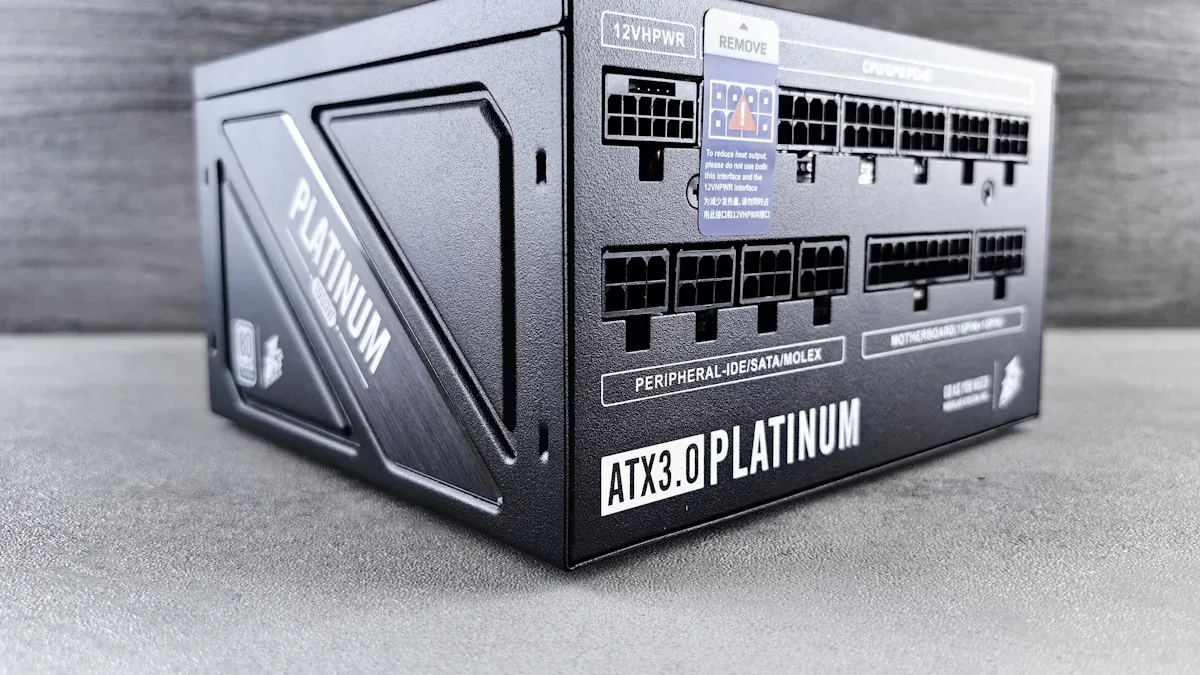
When you see SMPS Electrical, it stands for Switched-Mode Power Supply. This device changes electrical power using fast switches. You can find SMPS Electrical in computers and TVs. Many other modern devices use it too. These power supplies use switching devices like transistors or MOSFETs. They help change power in a way that saves energy.
SMPS Electrical is different from other power supplies. Here is how it is not the same as linear power supplies:
- SMPS Electrical units save more energy and do not make much heat.
- They are smaller and lighter, so they fit in small electronics.
- Linear power supplies are bigger and waste more energy.
SMPS Electrical systems must follow strict safety and performance rules. Designers make sure they are safe and do not cause too much EMI. They also work hard to make these power supplies use less energy.
Tip: SMPS Electrical devices sometimes use new materials like GaN and SiC. These materials help make the power supply smaller and save more energy.
SMPS Full Name Variations
You might see different names for SMPS Electrical in books or documents. The most common full names are:
| Full Form |
|---|
| Switched Mode Power Supply |
| Switching Mode Power Supply |
People use other names for SMPS Electrical too. Each name is used in a different way. Here is a quick guide:
| Alternative Name | Context of Use |
|---|---|
| Switching-mode power supply | Used as a general term for SMPS |
| Switch-mode power supply | Used a lot in technical books |
| Switched power supply | Used instead of SMPS sometimes |
| Switcher | Used in casual talks about electronics |
| Electronic transformers | Used in lighting systems |
You might hear “switcher” when engineers talk. In lighting, people sometimes call SMPS Electrical “electronic transformers.” All these names mean a power supply that uses fast switching to give efficient power.
Today, SMPS Electrical design keeps getting better. Engineers use special computer tools to test designs fast. Some new SMPS Electrical units use artificial intelligence to fix problems before they start. Designers also think about recycling and the environment when making new products.
How SMPS Works
Key Components
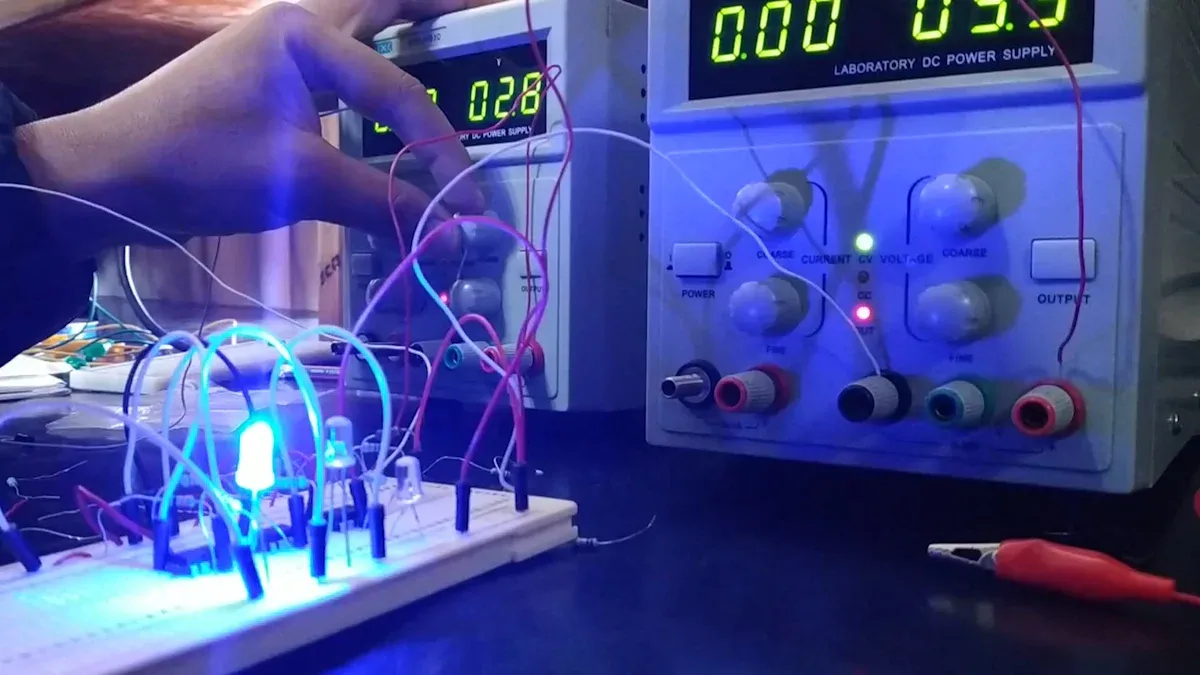
Every SMPS Electrical circuit has important parts. Each part does a special job. Here is a table that shows what each part does:
| Component | Function |
|---|---|
| Transistors | Work like switches to control current flow. |
| Diodes | Let current go one way and stop it from going back. |
| Capacitors | Hold and release energy to keep voltage steady. |
| Inductors | Hold energy in a magnetic field for filtering and storage. |
| Special Pulse Transformer | Changes voltage and keeps parts of the circuit safe. |
Transistors and MOSFETs act like switches. Diodes make sure current goes the right way. Capacitors and inductors help keep voltage smooth. The pulse transformer changes voltage and keeps the circuit safe.
Note: These parts are common in SMPS Electrical designs. They help make power conversion work well and stay reliable.
Working Principle
You can learn how SMPS Electrical works by looking at its steps:
- Input Rectification and Filtering: The AC input turns into DC and gets cleaned up.
- High-Frequency Switching: The DC switches on and off very fast.
- Voltage Transformation: The current changes to the voltage you need.
- Output Rectification and Filtering: The new AC turns back into DC and gets cleaned up for a steady output.
- Feedback and Control: A feedback loop checks the output and fixes it if needed.
Switching devices like MOSFETs and transistors make SMPS Electrical work very well. When the switches turn on, current flows with almost no loss. When they turn off, current stops completely. This switching means less energy is wasted as heat. For example, a switching mode supply can be over 90% efficient. Older linear regulators may only reach below 27.5%. You get more power in a smaller size.
Tip: The best thing about SMPS Electrical is high efficiency. The switches turn on and off quickly, so the power supply stays cool and works well in small devices.
SMPS Electrical Advantages and Disadvantages
Main Benefits
SMPS Electrical has many good points for modern electronics. The biggest benefit is high efficiency. SMPS Electrical units work at 80% to 95% efficiency. Linear power supplies only reach 30% to 60%. This means more power is used and less heat is made.
| Power Supply Type | Efficiency Rating |
|---|---|
| SMPS | 80-95% |
| Linear Power Supply | 30-60% |
SMPS Electrical is small and light. It uses high-frequency switching. This lets it use smaller transformers and inductors. That makes it great for laptops and smartphones. You can see SMPS Electrical is smaller than old linear power supplies.
- SMPS is small and light, good for portable devices.
- Linear power supplies are big and heavy, so they do not fit in small gadgets.
SMPS Electrical also works with many input voltages. You can use it in different countries. It makes less heat, so your devices last longer.
Note: SMPS Electrical often has power factor correction. This helps save energy and meet power rules.
Common Drawbacks
SMPS Electrical has some problems too. One big problem is electromagnetic interference, or EMI. Fast switching can make noise that bothers other electronics. EMI can travel through the air or along wires. You might hear static or see glitches in other devices.
- Radiated EMI goes through the air and can hurt nearby circuits.
- Conducted EMI moves on power lines and can cause trouble in other equipment.
SMPS Electrical can break in different ways. Problems include transformer saturation, getting too hot, bad control chips, and unstable voltage. Sometimes, you get high ripple or noise, which can hurt sensitive electronics.
- Transformer saturation
- Getting too hot
- Bad control IC
- No DC output or unstable voltage
- High ripple or noise
Safety is important. SMPS Electrical uses high voltages and stores energy in big capacitors. You must be careful to avoid shock or fire. Always follow safety rules, like grounding and using safe parts.
Making and throwing away SMPS Electrical can hurt the environment. Making them uses energy and can make waste. Recycling and safe disposal help protect air and water.
SMPS Electrical Applications
Everyday Uses
SMPS Electrical is used in many things at home. Most electronics need this kind of power supply. In 2023, almost half of the Switching Mode Power Supply market was for home electronics. This means lots of gadgets you use every day need SMPS to work.
Some common things that use SMPS are:
- Refrigerators
- Washing machines
- Other household devices
You also see SMPS in TVs, audio systems, and game consoles. These devices need steady power. SMPS gives them the power they need. Laptops and smartphones use SMPS too. It helps keep them small and light. SMPS removes the need for big transformers and heat sinks. This makes your devices easy to carry and use.
Tip: SMPS designs help make your favorite gadgets smaller and lighter. This makes them easier to use every day.
Importance in Electronics
SMPS Electrical is very important in modern electronics. You find it in computers, laptops, and communication gear. These devices need steady power to work well. SMPS gives them this power and helps keep them cool.
| Benefit | SMPS | Linear Power Supply |
|---|---|---|
| Efficiency | High | Low |
| Size | Compact | Bulky |
| Weight | Lightweight | Heavy |
| Thermal Management | Improved | Challenging |
SMPS helps make electronic circuits smaller. Engineers use smart designs and high-frequency switching. This lets them build tiny devices. Small size is important for portable gadgets, server racks, and even cars.
You see SMPS in many places:
- Computers and laptops
- Telecommunications gear
- Factory automation systems
- LED lights
- Solar and wind energy systems
The SMPS market is getting bigger. More people want electronics that work well and save energy. SMPS Electrical helps by making devices smaller, lighter, and more efficient.
Switched-Mode Power Supply (SMPS) is a power supply that uses fast switches to give energy. SMPS is found in lots of devices. It helps save energy and keeps things from getting too hot.
| Feature | SMPS Efficiency | Linear Power Supply Efficiency |
|---|---|---|
| Typical Efficiency | 80-90% | 50-60% |
| Heat Generation | Less | More |
| Size | Compact | Bulky |
SMPS gives many good things. It works with many input voltages. It gives steady power. It is smaller than other power supplies. SMPS can help big systems use less electricity. Today, SMPS is very important in electronics. If you want to learn more, there are lots of places to find information about power supplies.
FAQ
What is the main job of an SMPS?
An SMPS changes electrical power from one form to another. You get steady and safe power for your devices. It helps your electronics work better and last longer.
What makes SMPS different from a linear power supply?
SMPS uses fast switches to save energy. You get a smaller, lighter, and cooler power supply. Linear power supplies waste more energy as heat and take up more space.
What devices use SMPS most often?
You find SMPS in computers, TVs, LED lights, and phone chargers. Many home appliances and industrial machines also use SMPS for efficient power.
What problems can SMPS cause?
SMPS can create electromagnetic interference (EMI). You might notice noise in nearby electronics. Some SMPS units may also fail if they get too hot or have poor parts.
What should you check before using an SMPS?
You should check the input voltage range and output power rating. Make sure the SMPS matches your device’s needs. Always follow safety instructions to avoid shock or damage.
See also
What Applications Use Linear Power Supply Versus Switching Power Supply
How to Minimize Electromagnetic Interference in Solar Inverter Systems
What Is a Switching Power Supply and How Does It Work
How to Choose the Right Switching Power Supply for Your Project
