Automation & Machine Control for clear, serviceable electrical systems
SENTOP supports equipment manufacturers, automation teams and control-panel builders with terminal systems, auxiliary power, switching, protection, measurement and source-changeover products. Begin with the machine supply, load duty, control voltage, field wiring and maintenance environment.
Separate the control system into six connected functions
The exact circuit depends on the machine, but this functional route helps buyers organize technical data and prevents unrelated product ratings from being treated as one selection decision.
Incoming Supply
Supply system, main isolation, available fault current and incoming protection.
Branch Protection
Protect power, control and auxiliary circuits according to the actual circuit duty.
Control Power
Convert the available supply to the required control voltage with suitable capacity.
Load Control
Match contactors and switching products to load type, coil and operating frequency.
Field Wiring
Organize power, PE, sensor, actuator and I/O circuits with a complete terminal system.
Measurement
Display or communicate the electrical values needed for operation and maintenance.
Match each component to its real electrical duty
A reliable cabinet is not created by choosing individually rated products in isolation. Interfaces, conductor ranges, operating duty, space and service access must work together.
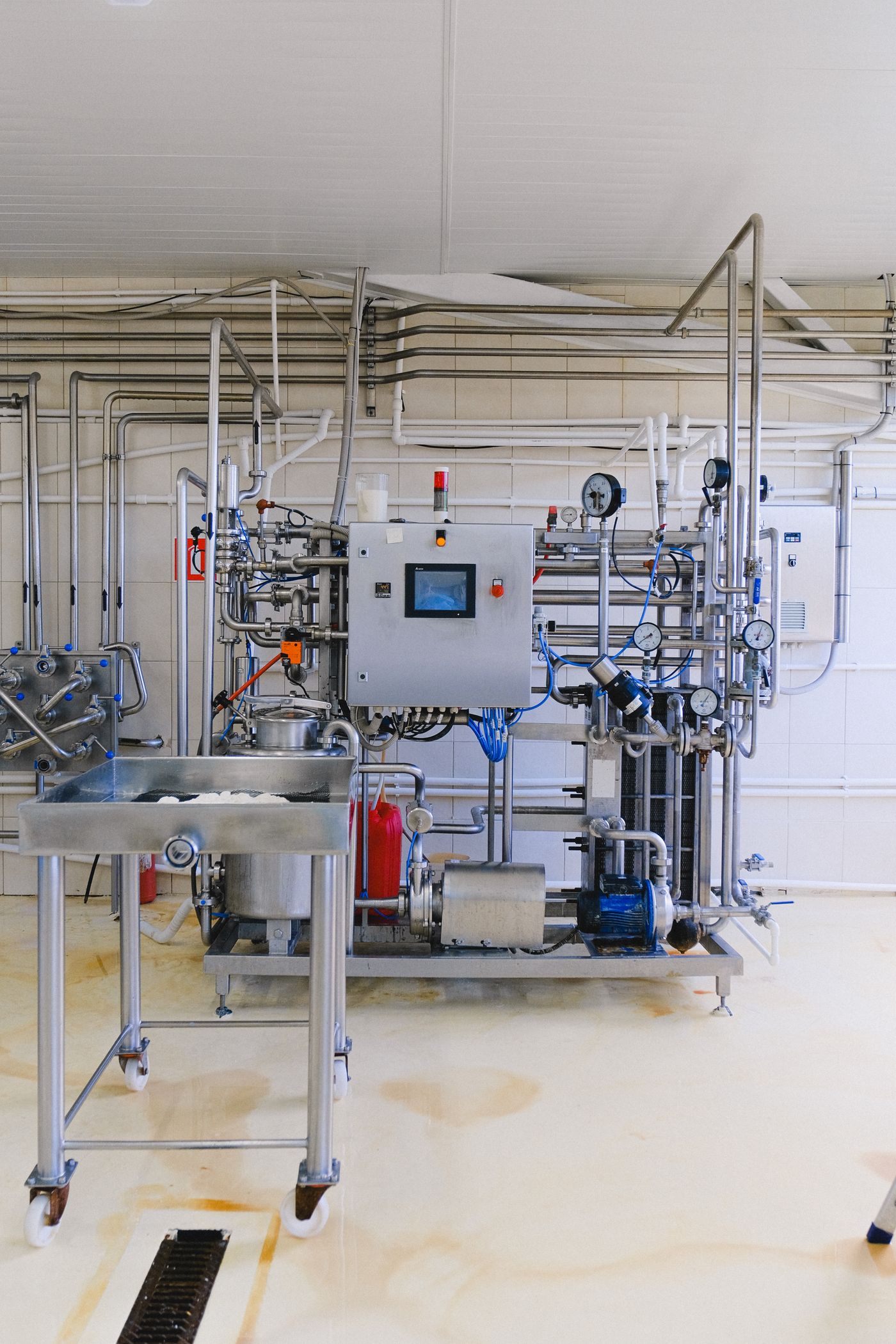
Build for assembly, commissioning, diagnosis and repeat production
Clear circuit separation, accessible terminals, consistent labels and recorded model data continue to matter after the first cabinet leaves production.
Incoming and branch protection
Confirm: voltage, phases, earthing, prospective fault current, poles, load current, cable capacity, coordination and required approvals.
Control power supply
Confirm: input range, DC output, continuous and peak load, inrush, power reserve, thermal conditions and upstream/downstream protection.
Load switching and control
Confirm: load type, utilization duty, rated current or power, operating rate, coil voltage/frequency, contacts and installation conditions.
Terminal strip and field I/O
Confirm: conductor type and size, circuit count, current, voltage, PE, test/disconnect functions, bridges, markers, rail and spare capacity.
Panel indication and monitoring
Confirm: measured quantities, direct/CT/shunt input, ratio, auxiliary supply, cutout, accuracy data, outputs and communication protocol.
Core product ranges for connection, source control and measurement
SENTOP's three promoted product lines are shown first. Supporting protection, auxiliary-power and control products can be reviewed when they belong to the same machine or purchasing requirement.

Terminal Blocks & Wiring
Organize power, protective earth, sensor, actuator and I/O connections around the machine terminal plan.
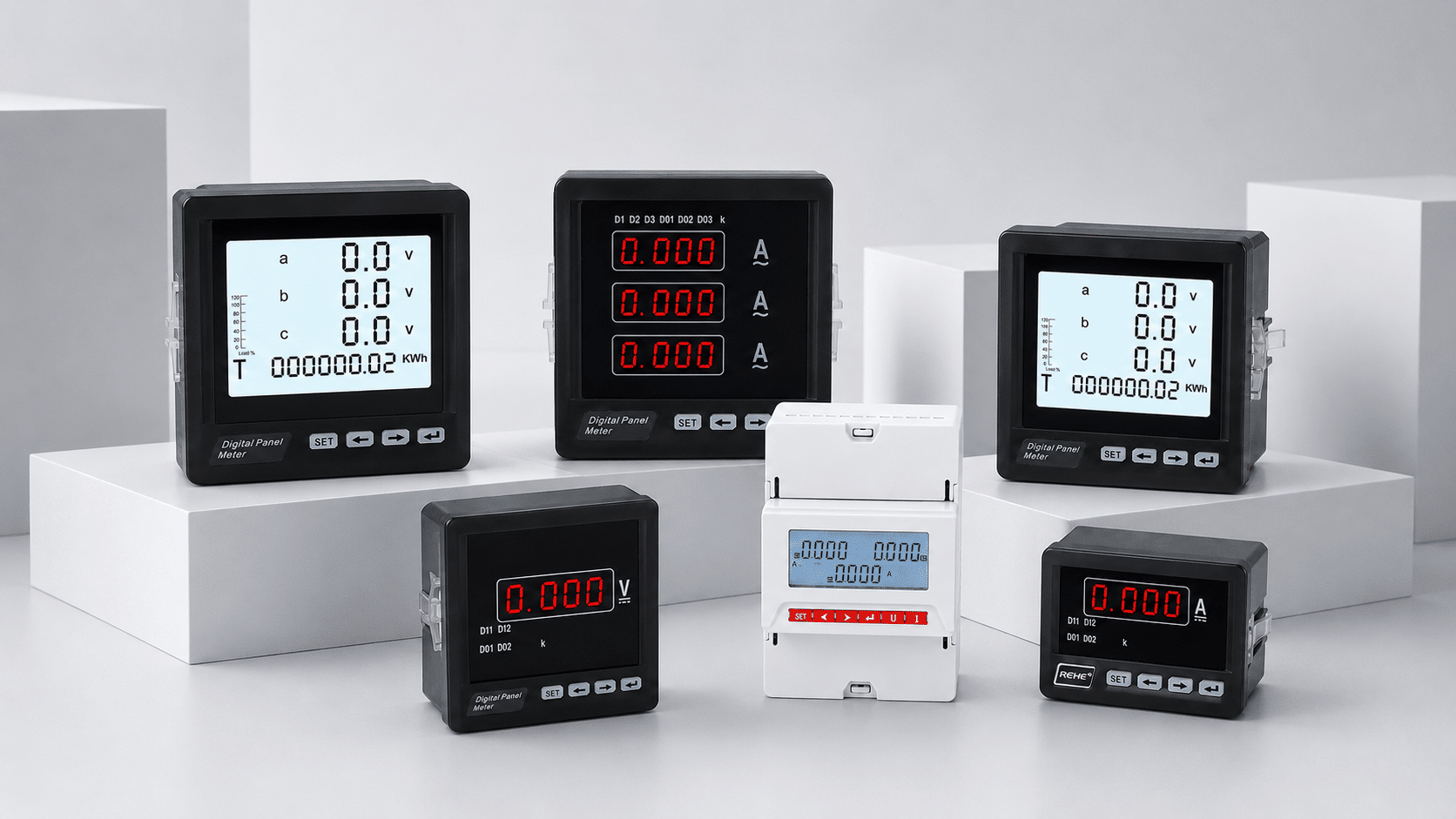
Digital Panel Meters
Provide local electrical indication or connected monitoring for machine supply, loads and auxiliary circuits.
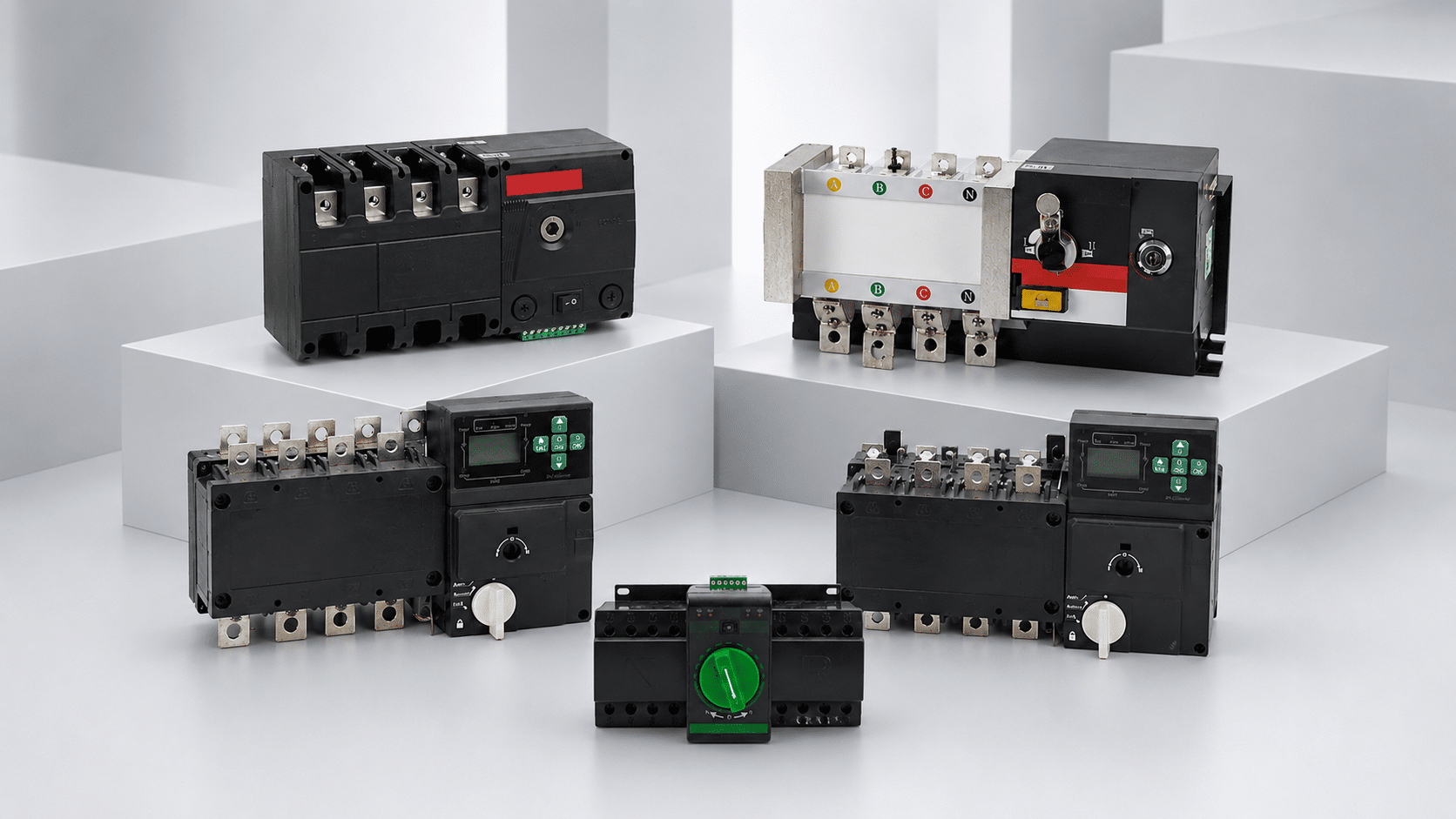
Transfer Switches
Support equipment that requires automatic or operator-controlled changeover between utility, generator or standby sources.
Protection, auxiliary power and control
Selected supporting products can be discussed as part of a coordinated machine-panel BOM without obscuring the three core product ranges.
Start from the operating sequence and maintenance environment
Different machines create different priorities for wiring density, switching duty, monitoring, replacement access and repeat-order control.
Packaging & Assembly Machines
Dense field I/O, clear conductor identification and consistent wiring structures for repeat equipment builds.
Focus: terminal schedules, plug-in connections, spare positions and revision-controlled BOMs.CNC & Machine Tools
Organized signal and power interfaces, stable control power and serviceable panel indication.
Focus: noise-sensitive wiring, accessible test points, equipment duty and fault tracing.Conveyors & Handling Systems
Distributed loads and field devices coordinated with motor switching, protection and wiring routes.
Focus: load type, utilization duty, conductor routes and local maintenance points.Pumps, Fans & Process Skids
Control, auxiliary power, electrical measurement and optional alternate-source requirements.
Focus: enclosure environment, load duty, alarms, monitoring and project documents.HVAC & Building Equipment
Repeat control circuits, motor loads, panel monitoring and field wiring for packaged systems.
Focus: control voltage, motor duty, installation conditions and service replacement.Custom Industrial Equipment
Configured product groups prepared around an equipment model, target market and production schedule.
Focus: samples, approved model records, labeling, packaging and repeat-order consistency.Share the data that changes component selection
A one-line diagram, schematic or existing BOM is ideal. When those documents are still under development, the following information can begin a useful review.
One-line diagram, schematic, terminal plan, panel layout, BOM, existing model references or clear label photos.
AC/DC, voltage, phases, fault current, load type, rated current or power, inrush and operating frequency.
Conductor type and size, circuit count, terminal functions, I/O, PE, markers, bridges, cutouts and mounting.
Ambient conditions, enclosure, vibration, altitude, target country, required approvals and installation limitations.
Sample quantity, annual or project demand, packaging, labeling, documents, destination and requested delivery schedule.
Equipment model, drawing revision, approved sample reference and information that must remain consistent for repeat orders.
Keep product matching tied to the machine revision
The goal is a documented purchasing decision that can be checked during samples, production and future equipment builds.
Share the application
Send the machine function, electrical documents, model references, quantity and destination.
Confirm missing data
Resolve ratings, load duty, conductor, environment, standards and accessory questions.
Review models or samples
Check documented performance, physical interfaces, labels and project expectations.
Record the approved supply
Keep models, quantities, packaging, documents and revision details organized for repeat builds.
Continue with the guide that matches your next decision
Review terminals, accessories and related wiring products as one cabinet system.
Organize power, control, signal, PE, identification and service access.
Prepare samples, project BOMs, labels, packaging and repeat-order requirements.
Questions buyers ask before selecting control-panel components
Final product selection must be checked against the complete machine circuit, documented model data and the requirements of the target market.
What information should I send for machine-control component matching?
Send the available one-line diagram, schematic, BOM, model references, supply data, load type, control voltage, conductor information, environmental conditions, target market, quantity and destination. Photos are useful for replacement projects.
Can SENTOP review a complete control-cabinet BOM?
SENTOP can review relevant terminal blocks, accessories, transfer switches, panel meters and selected supporting protection, auxiliary-power and control products. Final system engineering and approval remain with the responsible design party.
How should a switching power supply be sized?
Begin with input range, required output voltage, total steady load, peak or inrush demand, power reserve, ambient temperature, enclosure ventilation and downstream load behavior. Confirm the exact manufacturer's derating and protection data.
Why is load type important when selecting an AC contactor?
The load and operating behavior affect utilization duty, making and breaking current, thermal performance, electrical life and coil/control requirements. A nominal current value alone is not enough.
Which terminal block type is suitable for machine wiring?
Choose by conductor type and size, current, voltage, connection method, rail or PCB mounting, circuit function, wiring frequency, vibration, service procedure and the required bridge, marker and end-part system.
When does a machine need a digital panel meter?
A panel meter is useful when operators or technicians need local voltage, current, power, energy or related electrical information. Confirm the measurement input, transformer or shunt, auxiliary supply, cutout, outputs and communication requirement.
When should a transfer switch be included in machine-control planning?
Include a transfer switch when the equipment has a defined alternate-source requirement such as utility and generator or standby power. Confirm acceptable interruption, operating method, poles, neutral treatment, current duty, interlocking and protection coordination.
Can component certificates establish compliance of the complete machine?
No. A component certificate or marking applies to the covered product and scope. The complete machine still requires project-specific design, risk assessment, documentation, installation and final verification for the target market.
Have a machine schematic, BOM or existing model to review?
Send the available project data, quantity and destination. SENTOP will help organize the component questions and next model-matching step.