Distribution Box Supplier
Distribution Boxes for Safe, Organized Power Distribution
Select a distribution box from the supply system, design current, fault level, outgoing circuits, protective devices, installation method and environment. SENTOP supports empty-enclosure review, configured distribution assemblies, replacement matching, OEM requirements and bulk supply.
Define the Required Supply Scope
A distribution box is more than a shell when it contains connected protective devices
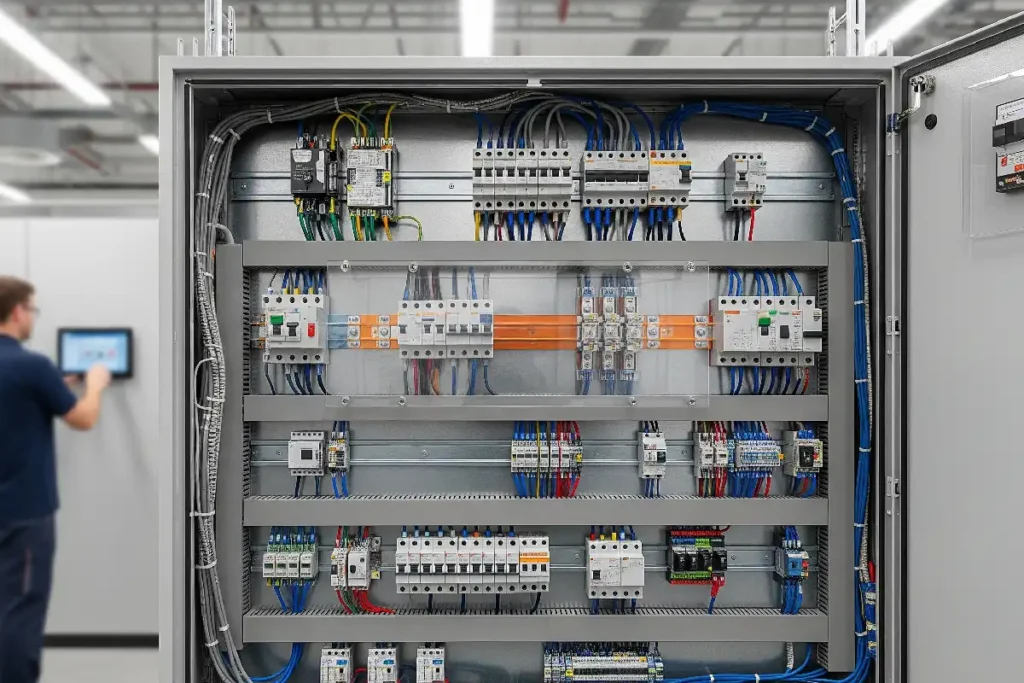
A distribution box receives an incoming electrical supply and organizes it into outgoing branch circuits. Depending on the requested scope, it can be supplied as an empty enclosure, a breaker-ready enclosure, or a configured assembly containing protective devices, busbars, neutral and protective-earth bars, terminals and internal wiring.
Do not select only by external dimensions or number of visible module openings. The complete design must match the supply, load schedule, conductor system, short-circuit conditions, heat, access, environment and applicable assembly requirements.
Enclosure
Provides mechanical protection, mounting and access control. Material, sealing, corrosion, UV exposure and cable entries must fit the location.
Incoming section
Receives the supply through an isolator, switch or protective device selected for the system current, poles, fault level and operating procedure.
Outgoing protection
Branch devices are selected from the circuit loads, cables, fault protection, residual-current needs, selectivity and destination rules.
Distribution and wiring
Busbars, comb busbars, N/PE bars, terminals and conductors must carry the required current and preserve identification, clearances and service access.
Distribution Box Selection
Start with the one-line diagram, load schedule and installation environment
The number of circuits is only one sizing input. Incomer space, protective-device width, busbars, cable bending, heat dissipation, neutral and PE bars, future circuits and safe maintenance access also consume enclosure capacity.
Define the supply system
State AC or DC, single-phase or three-phase, voltage, frequency, earthing arrangement, source type and neutral requirements.
Confirm incomer and design current
Provide maximum demand, diversity method, incomer type, poles, conductor or cable data and any generator, PV or parallel-source conditions.
Provide the outgoing circuit schedule
List each load, circuit current, phases, cable size, protective device, residual-current requirement, switching duty and destination label.
Determine the short-circuit conditions
State prospective fault current and required protective coordination. The assembly and devices must withstand and interrupt the applicable fault duty.
Choose protection and isolation functions
Define MCB, MCCB, RCCB, RCBO, RCD, fuse, SPD, isolator, transfer or monitoring requirements from the actual circuit and local rules.
Select mounting and access
Choose surface, flush, wall-mounted or another arrangement from the building, cable routes, operating height, door clearance and maintenance procedure.
Match enclosure material
Compare plastic or metal construction against impact, corrosion, UV exposure, fire behavior, protective bonding, weight and installation method.
Set the environmental protection
Specify indoor or outdoor use, dust, water, condensation, temperature, humidity, pollution, chemicals and the required IP or impact level.
Size the internal arrangement
Allow for DIN rail, device modules, incomer, busbars, N/PE bars, cable glands, bend radius, wiring duct, labels, heat and realistic spare ways.
Confirm standards and supply scope
Define empty enclosure, partially fitted box or complete assembly, then verify drawings, BOM, model certificates, tests, labels and market requirements.
Distribution Box Product Directions
Choose the enclosure from mounting, access and environment
These product directions organize an enquiry. Final dimensions, module capacity, material, IP rating, mechanical performance, internal equipment and approval scope must be confirmed for the exact model.
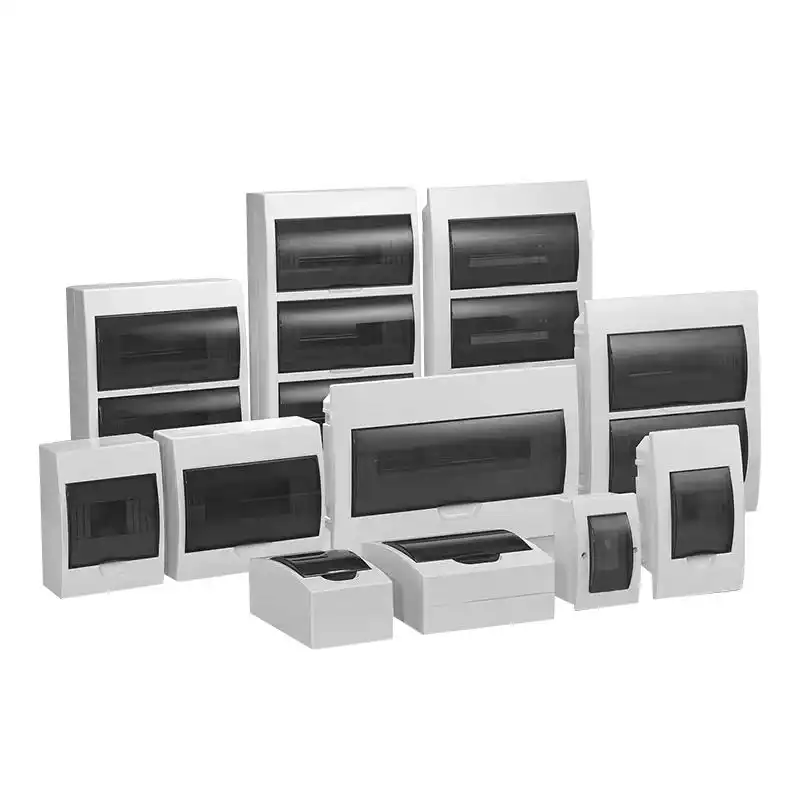
Plastic Modular Distribution Box
A compact direction for DIN rail branch devices in residential, commercial and light-equipment applications.
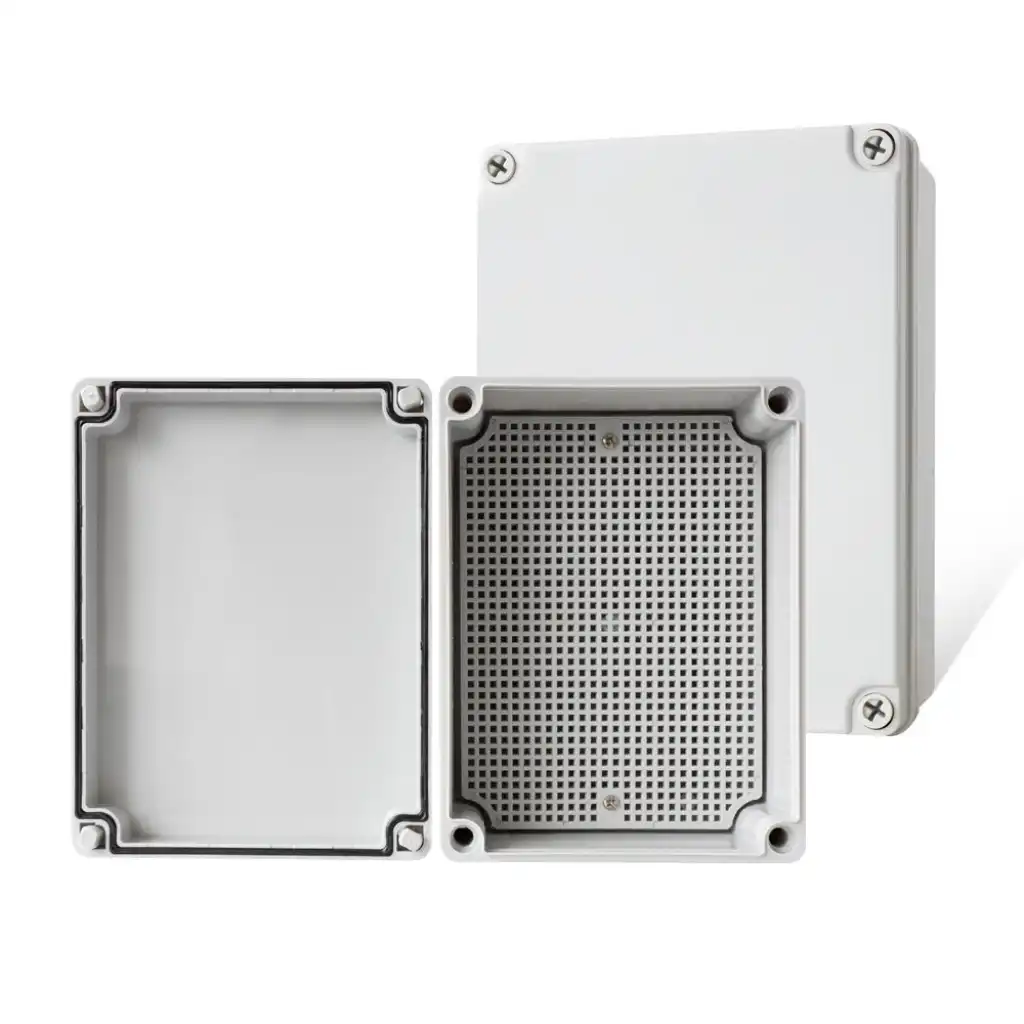
Weather-Resistant Plastic Enclosure
A sealed-enclosure direction for protected outdoor or demanding indoor locations where cable entry and cover sealing matter.
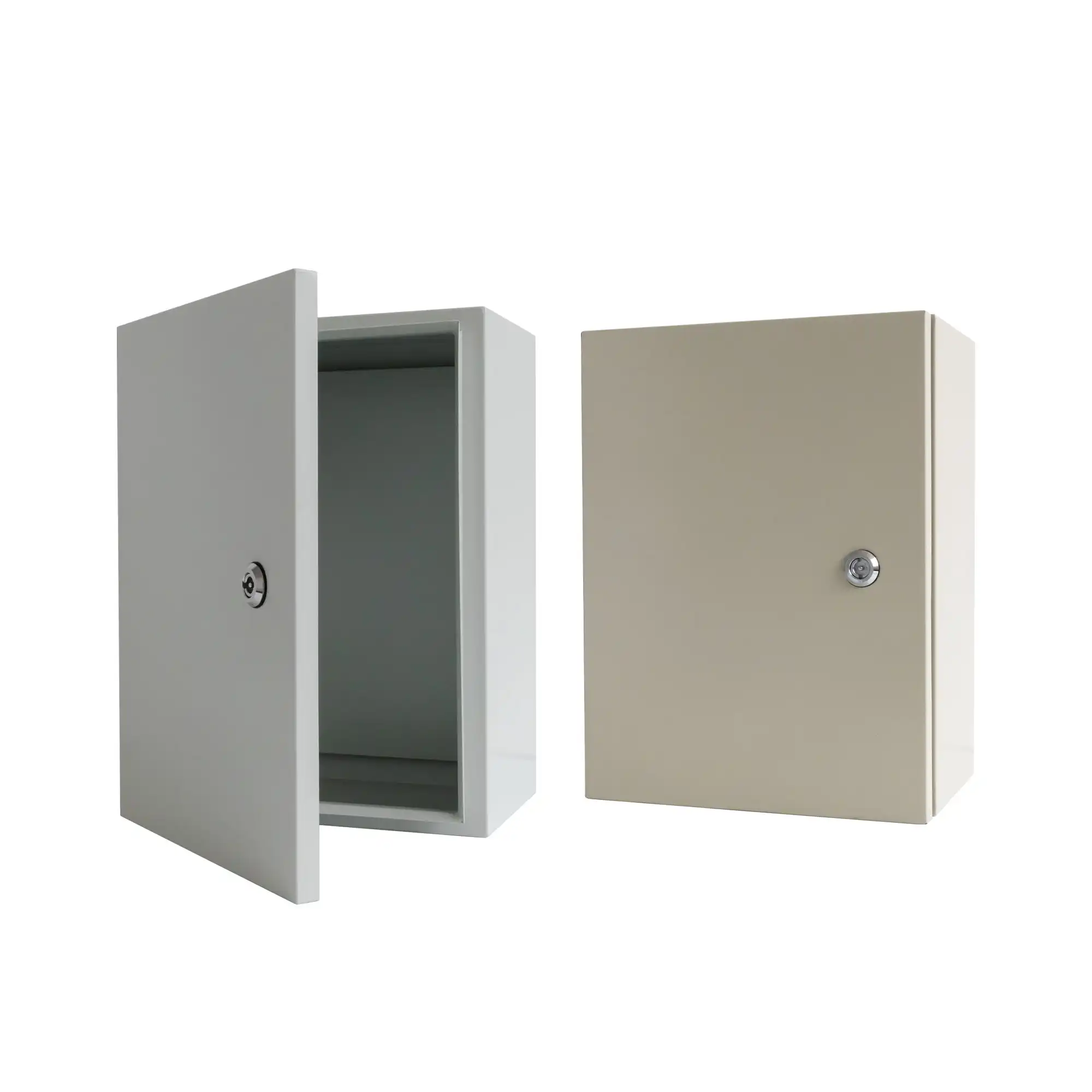
Metal Wall-Mounted Distribution Enclosure
A robust direction for larger protective devices, terminals and internal wiring in equipment rooms, workshops and industrial systems.
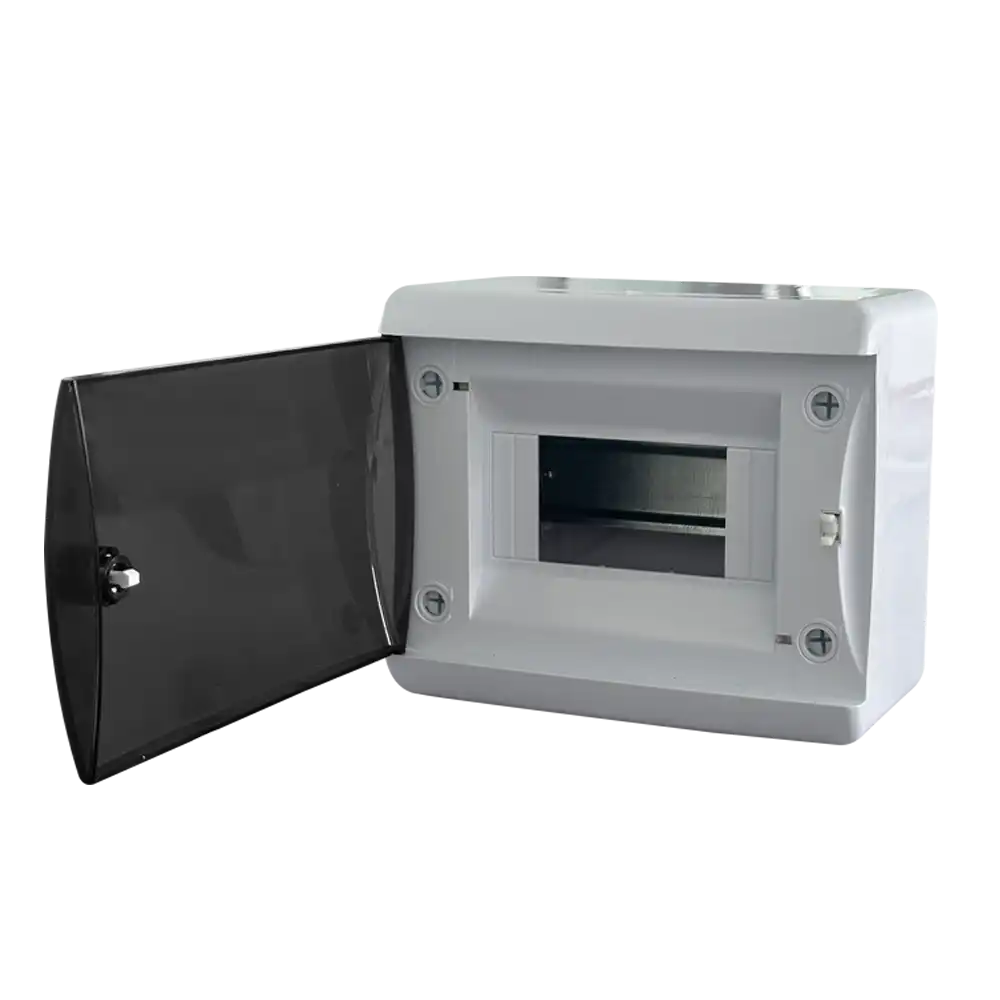
Breaker-Ready Distribution Box
A compact direction where a protective outer door and modular device opening are combined for a defined branch-circuit arrangement.
Important: an enclosure's module count or IP marking does not establish the current, short-circuit or temperature-rise performance of a completed distribution assembly. Confirm the exact components, wiring and verified assembly design.
Electrical and Environmental Design
Four checks decide whether the box works as a complete distribution point
Use project data and verified assembly information. Individual component ratings cannot simply be copied to the finished distribution box without considering the assembled system.
Incoming current and load diversity
Size the incomer, busbar, conductors and terminals from maximum demand, diversity, source conditions and planned operation.
Short-circuit capability
The protective devices and assembly must interrupt or withstand the prospective fault current under the stated coordination conditions.
Ingress, impact and corrosion
The installed box must preserve the required protection after holes, glands, doors, vents and field wiring are completed.
Heat, spacing and spare capacity
Protective devices, busbars and conductors generate heat. More empty module spaces do not automatically solve temperature rise.
Also confirm rated voltage, impulse withstand, protective bonding, neutral and PE arrangements, internal separation where required, clearances, creepage distances, terminals, door access, labels, documentation and the destination installation rules.
Standards and Verification Scope
Match the evidence to an empty enclosure or complete assembly
The applicable standard depends on who operates the board, its current and voltage, the installation and the requested supply scope. Confirm current editions and local requirements for the target market.
IEC 61439-1
Provides general rules for low-voltage switchgear and controlgear assemblies and is used with the applicable specific assembly standard.
IEC 61439-2
Addresses power switchgear and controlgear assemblies for distribution, conversion and control applications within its scope.
IEC 61439-3
Addresses distribution boards intended to be operated by ordinary persons within the defined voltage, current and application limits.
IEC 62208
Applies to empty enclosures before the assembly manufacturer incorporates switchgear and controlgear components.
IEC 60529
Defines the IP Code classification. The required degree must suit the environment and be maintained after installation modifications.
Local installation requirements
Verify device standards, wiring rules, residual-current and surge requirements, labels, conductor colors, fire provisions and authority acceptance.
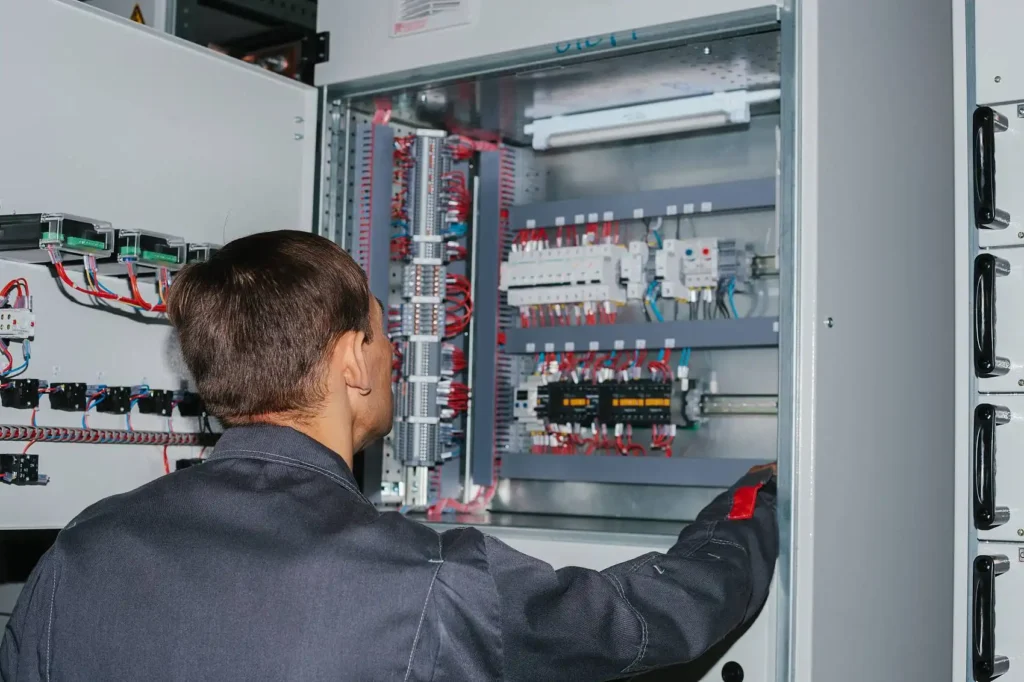
Inside the Distribution Box
Build the internal arrangement around current flow and service access
A neat layout is useful only when it also meets electrical, thermal and maintenance requirements. Organize the power path from incomer to busbar and outgoing circuits before placing devices.
Prepare a Useful Enquiry
Three data groups make distribution-box matching faster
For replacements, include front and internal photos, dimensions, label data, circuit schedule, cable entries and the original one-line diagram. For new projects, send the electrical design and installation conditions.
Incoming supply and fault data
AC/DC, voltage, phase, frequency, earthing, source, design current, fault level, incomer, cable and destination market.
Outgoing schedule and functions
Loads, poles, current, devices, residual-current needs, SPD, monitoring, N/PE bars, labels and spare circuits.
Installation and supply scope
Mounting, material, dimensions, IP, temperature, cable entries, empty or assembled scope, quantity, packaging and delivery.
Installation and Commissioning
Preserve the protection after mounting and cable entry
Installation, energization and testing should be completed by qualified people using the approved drawings, exact device instructions and an electrically safe work procedure.
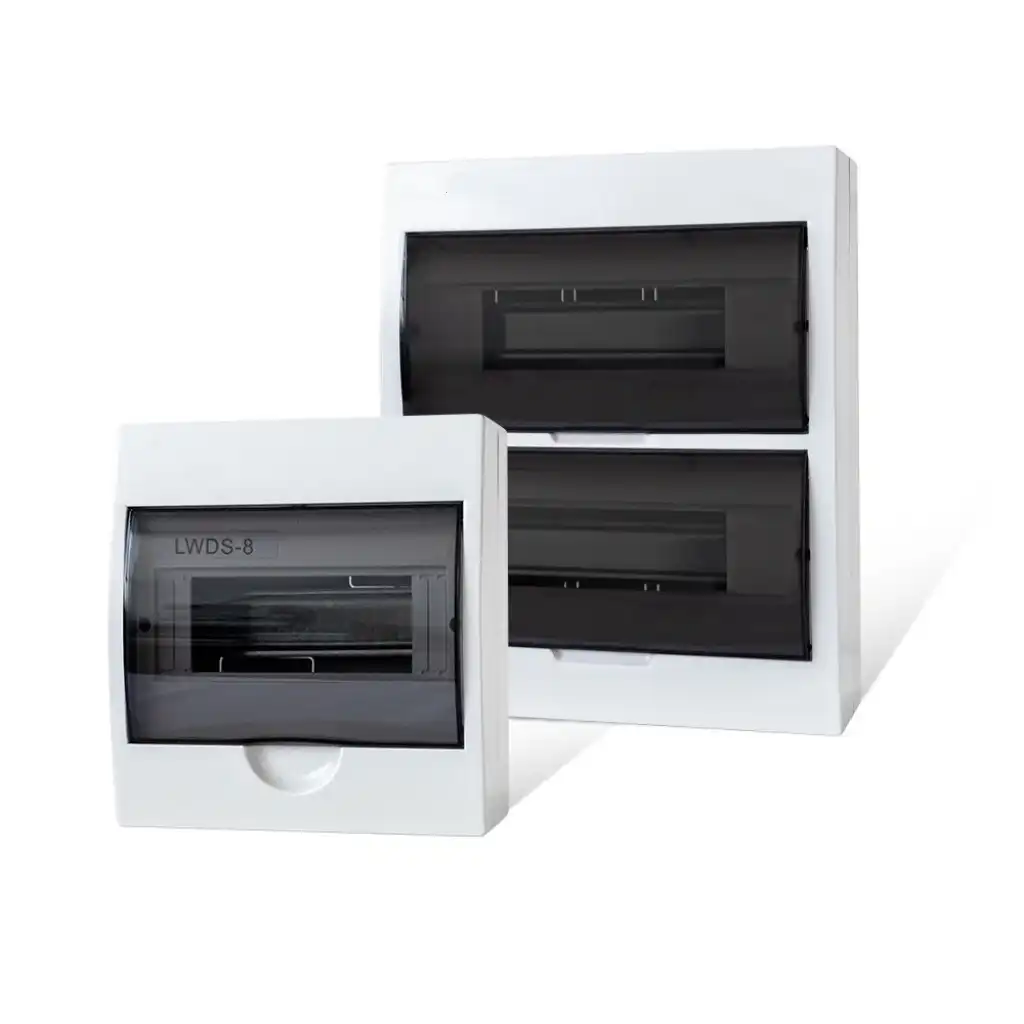
Configured, OEM and Bulk Supply
Approve the enclosure and BOM before repeat production
SENTOP can review distribution-box requirements for distributors, installers, panel builders and equipment manufacturers, including empty enclosures, configured boxes, replacement matching, samples, eligible labels and repeat procurement.
Related Protection and Distribution Products
Complete the distribution assembly
Distribution Box FAQ
Buyer and application questions
Use these answers to prepare the system, circuit and enclosure information needed for an exact configuration review.
What is a distribution box?
A distribution box receives an incoming electrical supply and divides it into outgoing circuits. Depending on its scope, it can include an enclosure, incoming device, branch protective devices, busbars, neutral and PE bars, terminals, labels and internal wiring.
What is the difference between a distribution box and a junction box?
A distribution box normally contains devices that distribute, switch or protect branch circuits. A junction box mainly houses cable joints or terminals. The names can vary by market, so define the required electrical functions rather than relying on the title alone.
Is an empty enclosure the same as a complete distribution board?
No. An empty enclosure provides mechanical housing before devices are installed. A complete distribution board includes switchgear, conductors and an assembled design whose current, fault, temperature and protection performance must be verified.
How do I choose the size of a distribution box?
Use the one-line diagram and circuit schedule to allocate the incomer, outgoing devices, busbars, N/PE bars, terminals, cable entries, bend space, heat dissipation and justified spare circuits. Module count alone is not sufficient.
Should I use a single-phase or three-phase distribution box?
Match the actual supply and load system. Confirm phase-to-phase and phase-to-neutral voltage, earthing, neutral loading, phase balance, incomer poles and every outgoing circuit rather than selecting from the building type alone.
What is the difference between surface-mounted and flush-mounted boxes?
A surface-mounted box is fixed onto the wall and is generally easier to install and service. A flush-mounted box is recessed into the wall and requires a suitable opening, depth, cable route and construction method. Both must provide the required access and protection.
What IP rating does a distribution box need?
The required IP rating depends on dust, water direction, exposure, cleaning, indoor or outdoor location and local rules. Cable glands, vents, door operation and field modifications must preserve the required installed protection.
Can a plastic distribution box be installed outdoors?
Only when the exact enclosure is approved for the intended outdoor conditions. Confirm IP rating, UV resistance, temperature, impact, corrosion, condensation, mounting, cable-entry sealing and shelter requirements.
Which protective devices should be installed inside a distribution box?
The circuit design may require an isolator, MCB, MCCB, fuse, RCCB, RCBO, RCD, SPD or monitoring device. Selection depends on load, cable, fault current, earthing, residual-current and surge requirements, selectivity and local rules.
How much spare capacity should a distribution board have?
There is no universal spare percentage for every project. Reserve device ways, rail length, terminal capacity, cable space and thermal capacity based on realistic future circuits and the cost of later modification.
Can SENTOP support customized and bulk distribution box orders?
Eligible configurations can be reviewed for empty or assembled scope, dimensions, devices, busbars, terminals, internal wiring, labels, samples, packaging, documentation and repeat supply. Feasibility and approval scope are confirmed for the requested project and destination.
Distribution Box Support
Send the one-line diagram, circuit schedule and installation conditions
SENTOP can review distribution box requirements for residential, commercial, industrial and equipment applications, including empty enclosures, configured boxes, replacements, samples, OEM programs and bulk orders.