Electrical Project Case Studies
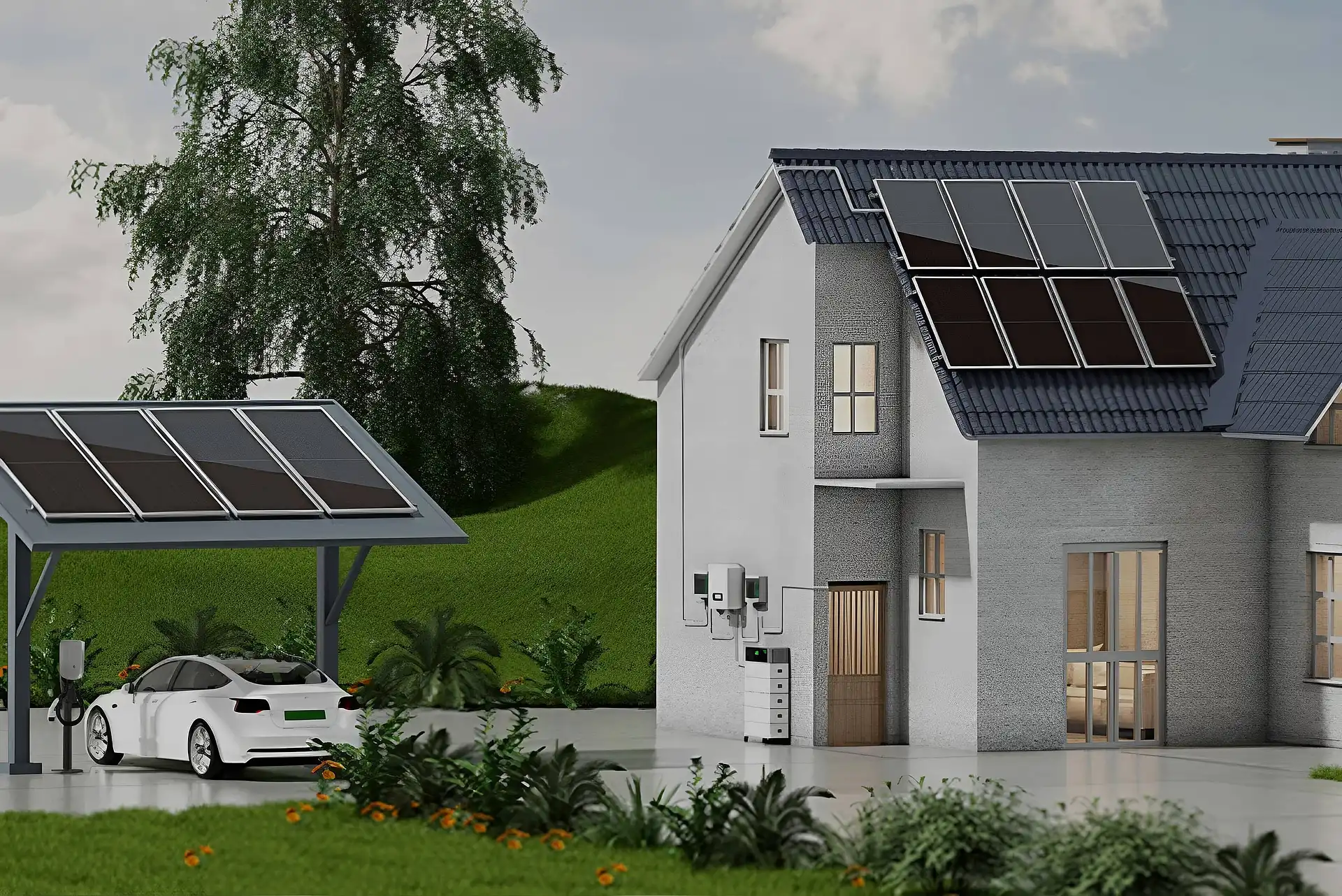
Explore how electrical protection, distribution and control products are considered across commercial solar, buildings, EV charging, infrastructure and industrial power projects in different operating environments.
Read the application before comparing the electrical product
A useful project case identifies the electrical system, installation environment and selection priorities. It does not treat one product model as a universal solution.
Project information is presented at an application level. Exact product suitability still depends on drawings, ratings, standards and installation details.
 Featured solar reference
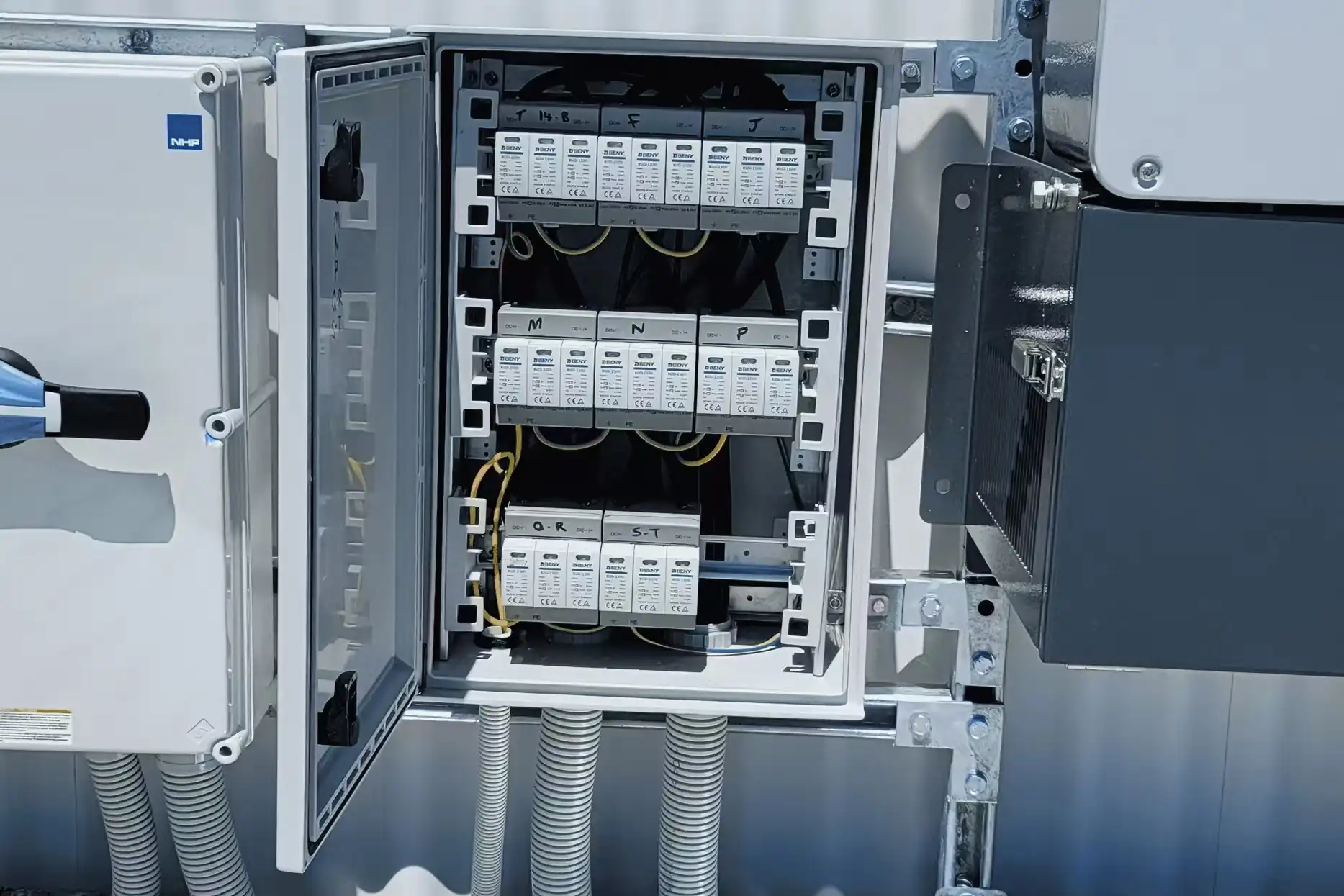
1500 V DC Surge Protection Direction for a 0.55 MW Commercial Solar System
This reference centers on integrating DC surge protection into a commercial photovoltaic system at a shopping center. The application requires the protective device and installation arrangement to be reviewed as part of the complete DC architecture.
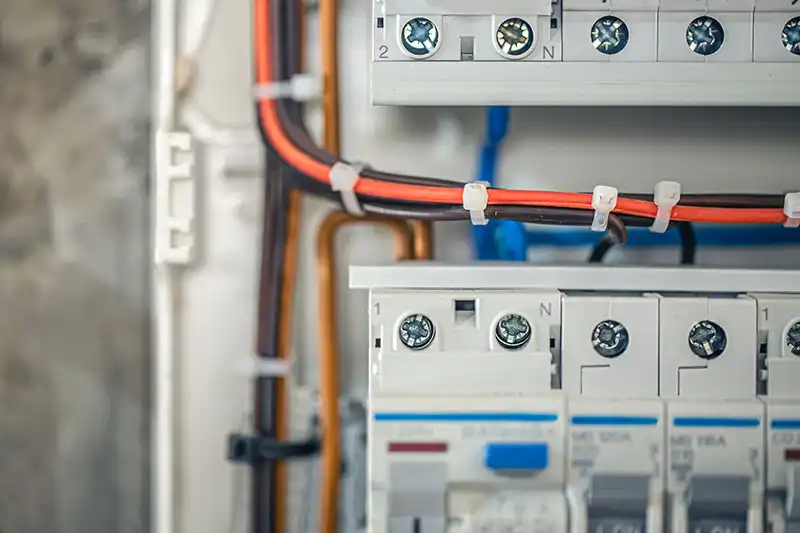
Modular MCB and RCBO Protection for a Commercial Building
The project direction uses modular protection to organize branch-circuit overcurrent and residual-current functions in a commercial distribution system.
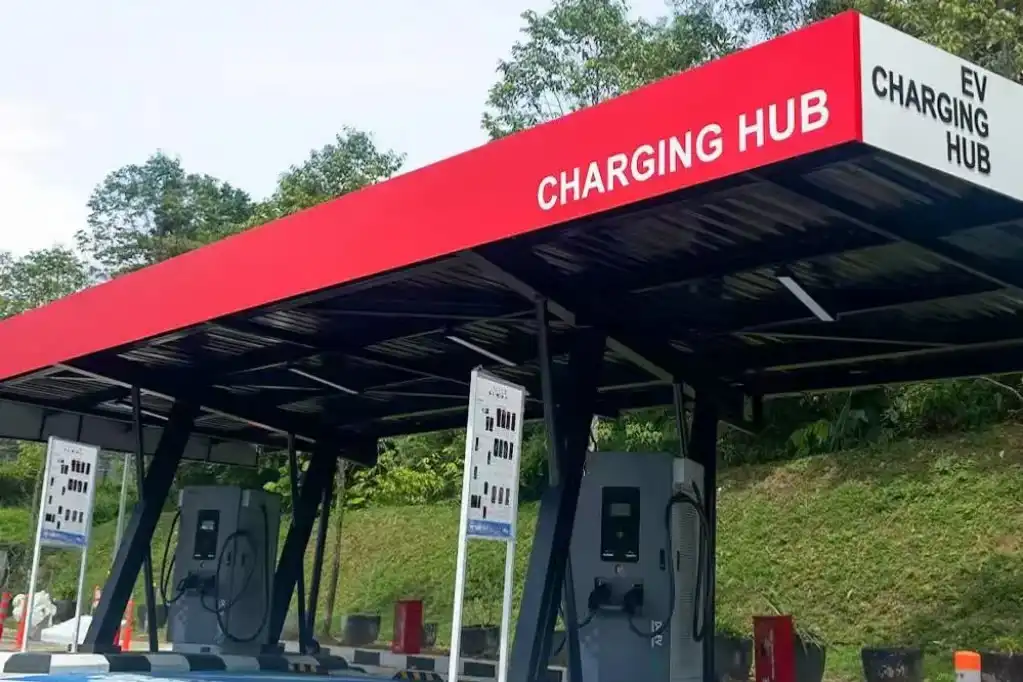
Distribution and Isolation Direction for Dual-Gun DC Charging
This application focuses on coordinating incoming distribution, feeder protection, emergency isolation and operating access around a dual-output DC charging station.
Filter projects by operating environment
Use these references to identify the information that should be reviewed for a similar project. Final selection must be based on the current project data.
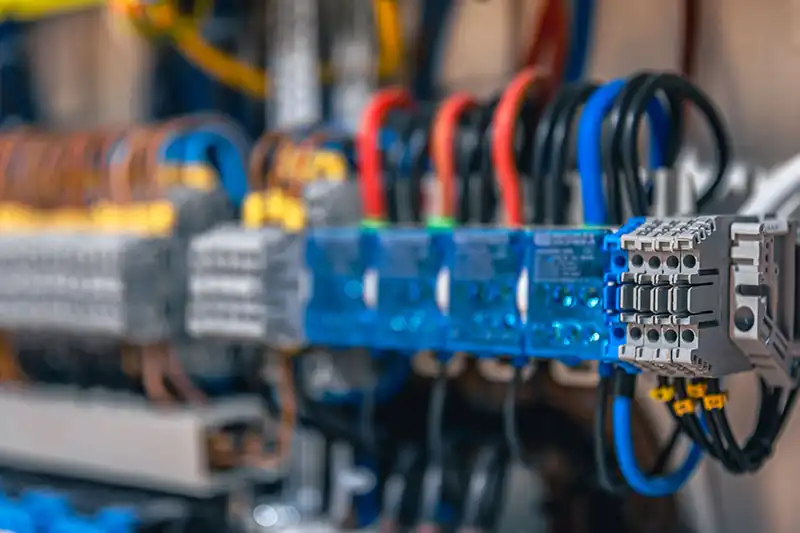 India
IndiaCost-Conscious Circuit Breaker Direction for Infrastructure
The case examines how essential distribution safety can be maintained while reviewing device function, project volume and commercial constraints together.
 Philippines
Quick-Stop Switching for an Emergency Power-Outage Application
This Southeast Asian reference focuses on a clearly accessible manual action for isolating power when the operating procedure calls for an emergency stop.
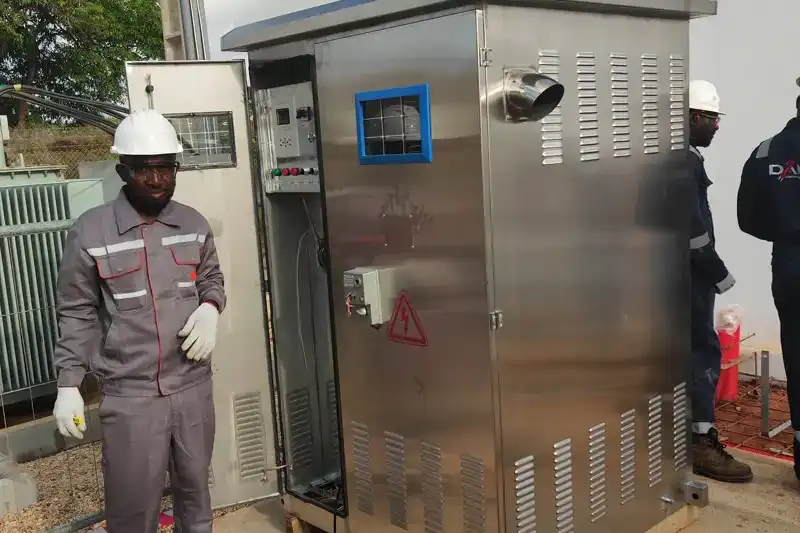 Africa
Structured Distribution Cabinet Upgrade Direction
The application centers on reorganizing cabinet components, protection and internal distribution to support a clearer installation and maintenance structure.
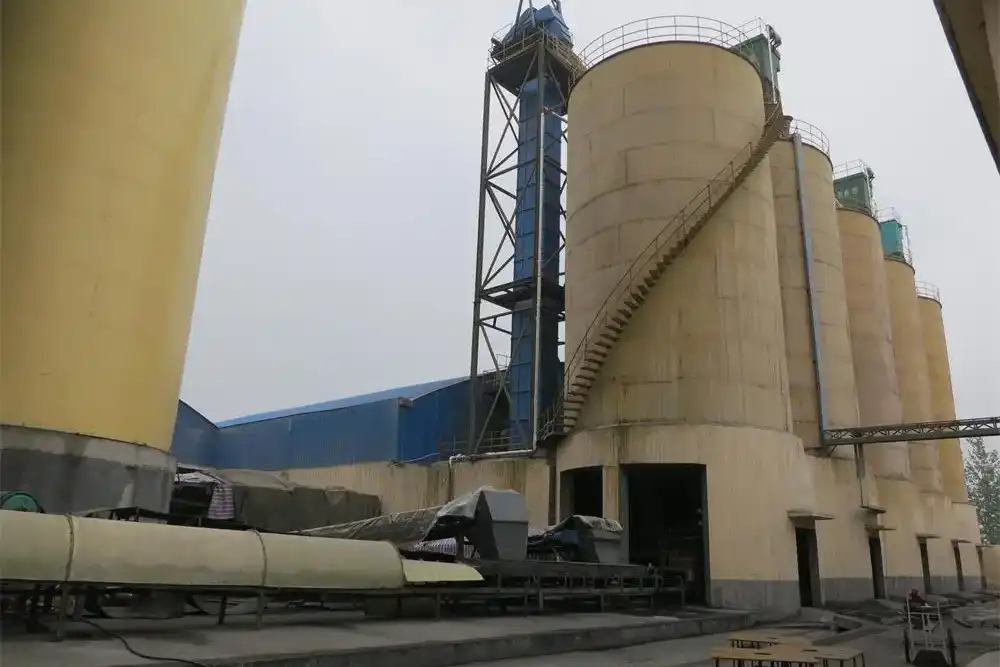 Industrial plant
Power Distribution Equipment Upgrade for a Cement Factory
This industrial case focuses on distribution cabinets serving continuous production loads where operating duty, environment and maintenance access affect the equipment plan.
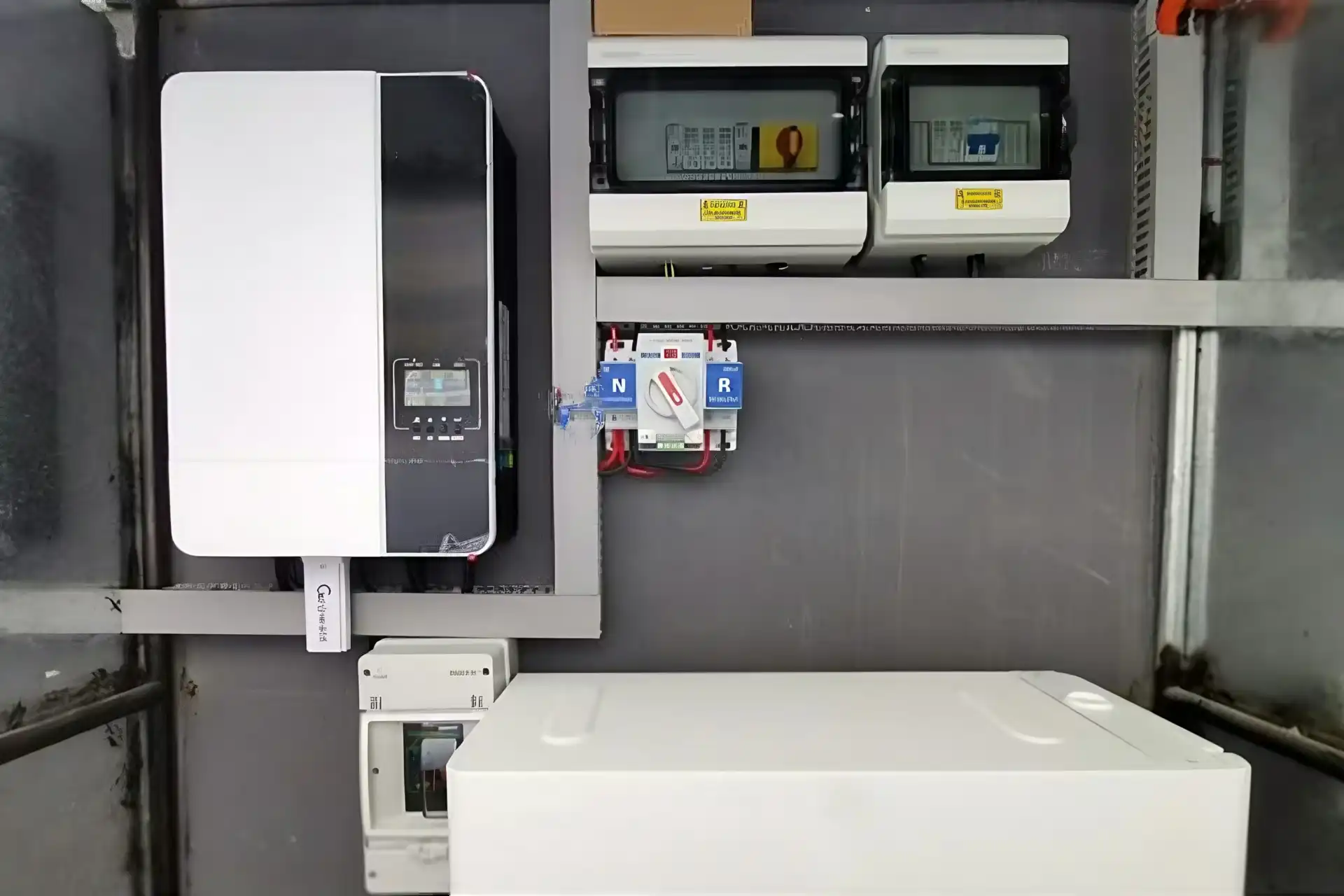 United Arab Emirates
Electrical System Direction for High-Temperature Energy Storage
The project reference highlights the need to consider temperature, solar exposure, dust and enclosure conditions when planning storage-system electrical equipment.
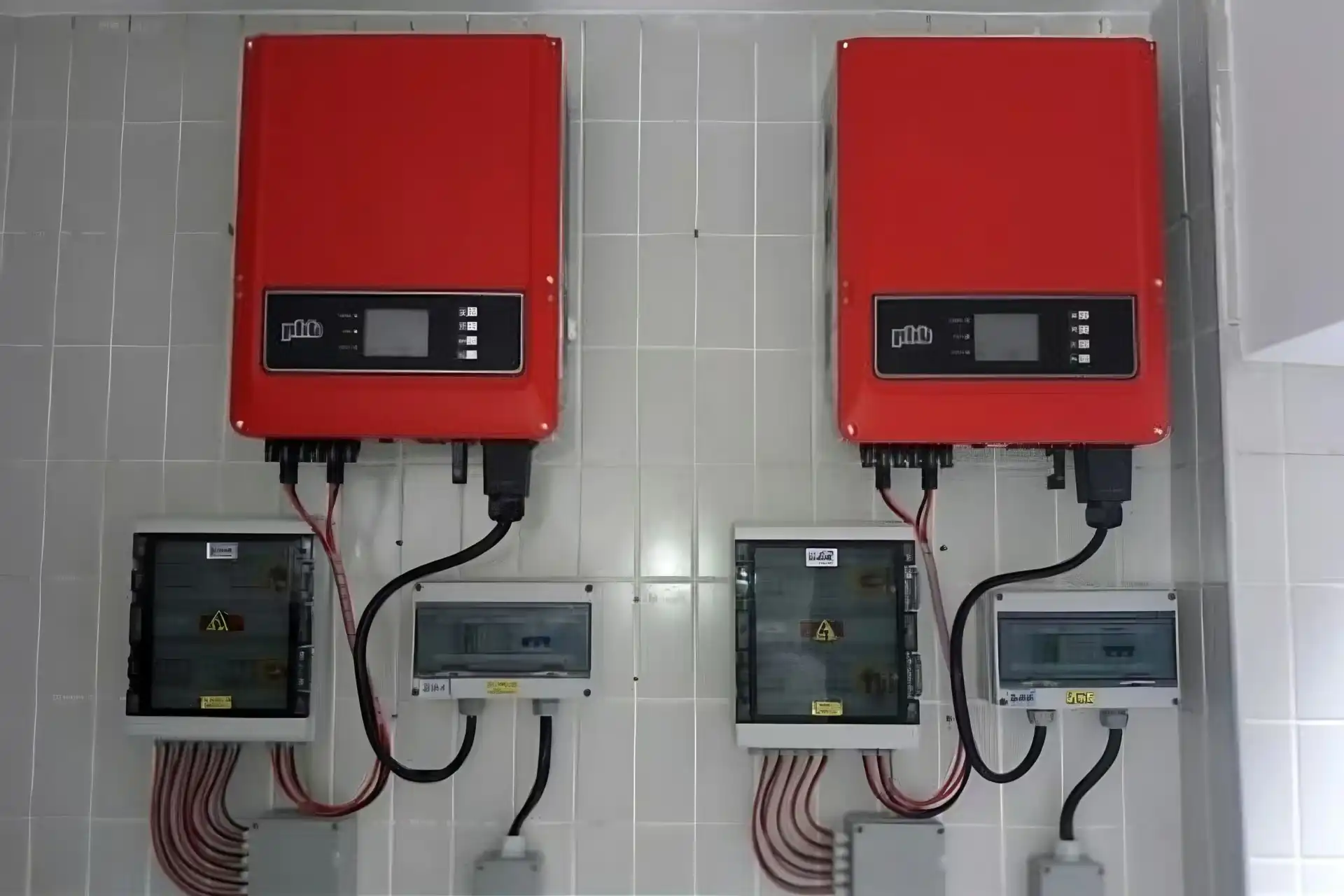 Brazil
Solar Inverter Integration Review for a Latin American Project
This reference frames inverter selection as a system task involving the PV array, grid interface, protection, environmental conditions and operating data.
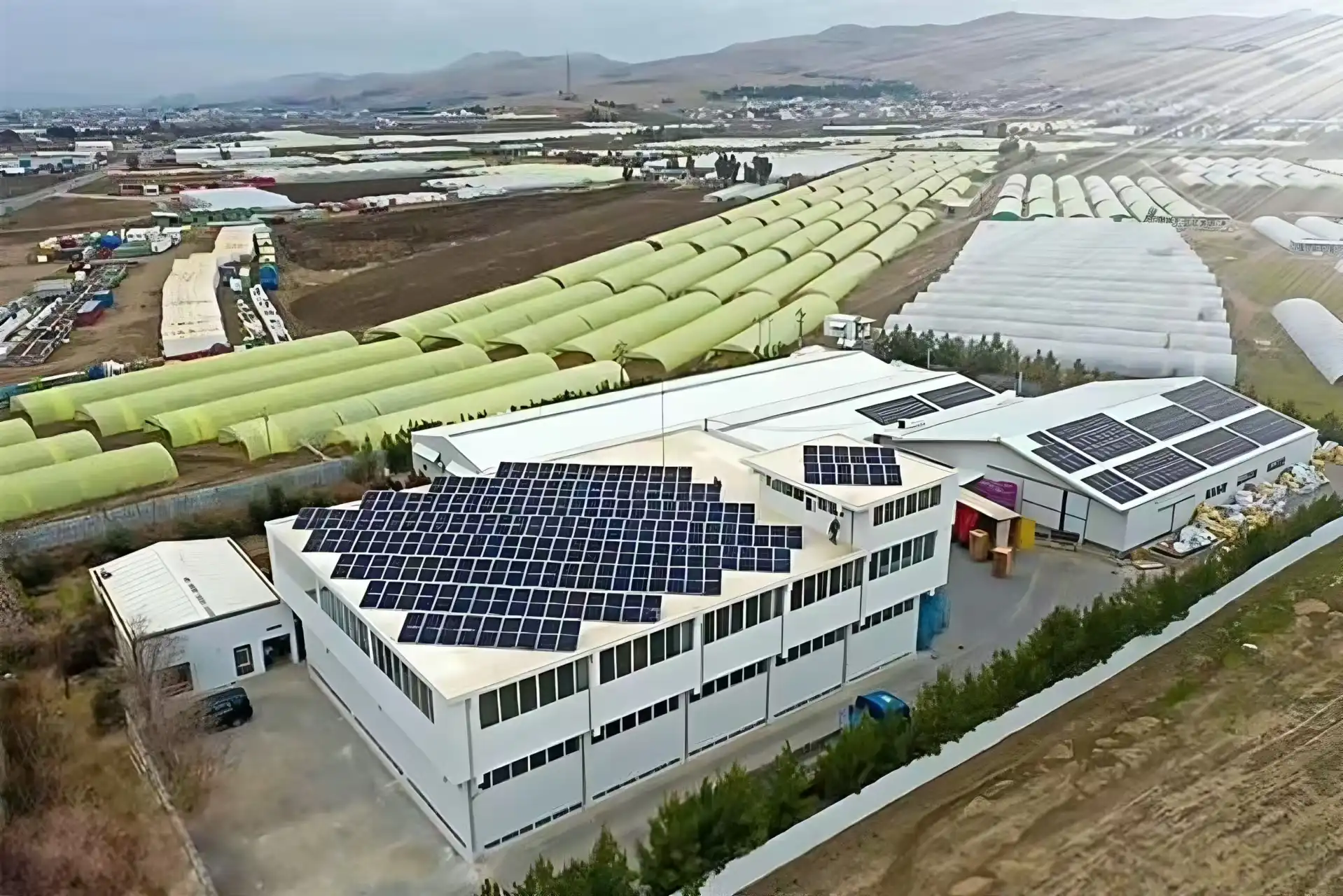 Iraq
IraqDC Combiner Box Direction for a Large Solar Project
This Middle East application focuses on bringing multiple PV strings into a coordinated DC collection point with protection, isolation and field-ready enclosure planning.
Use a similar case as a starting point, not as the final specification
Two projects in the same industry can require different ratings, protection concepts, interfaces and approvals. SENTOP reviews the project data before recommending a product direction.
Define the electrical system
Start with the one-line diagram, AC or DC architecture, source, loads and operating sequence.
Useful evidenceDrawing, BOM, existing labels and installation photos.Match the product function
Identify what must connect, switch, protect, isolate, distribute, display or communicate.
Useful evidenceRatings, poles, wire range, dimensions and required functions.Check project constraints
Review fault data, environment, mounting, enclosure, access, approvals and documentation.
Useful evidenceStandards, temperature, IP level, destination and drawings.Confirm the commercial scope
Finalize model codes, quantities, packaging, labels, samples and the delivery plan.
Useful evidenceQuantity, schedule, target market and OEM requirements.What should you send for a similar solution review?
You do not need a finished specification to start. Send the information already available and identify which decision still needs support.
Questions about using these project references
A case study shows an application direction. It does not replace engineering review for a new project.
Can SENTOP copy the same solution for my project?
A previous project can provide a useful starting point, but the exact product arrangement must be reviewed against your one-line diagram, ratings, fault data, operating sequence, environment, local requirements and installation conditions.
What information should I send when referencing a customer case?
Send the case name together with your application, voltage, current, frequency, poles, loads, mounting, enclosure, quantity, destination and any drawing, BOM, model label or installation photo available.
Can you review a control panel or distribution cabinet BOM?
Yes. Include the BOM and one-line diagram where possible. Identify which items require model matching, replacement, compatibility review, accessories, OEM labeling or quotation.
Can SENTOP support a replacement project?
Send clear front, side, terminal and nameplate photos of the existing device, together with dimensions, wiring, ratings, required functions and the reason for replacement. Visual similarity alone is not enough to confirm suitability.
Do customer cases confirm compliance for my country?
No. Market requirements, product approvals and installation rules must be checked for the current destination and application. State the required standards or approvals in the enquiry.
Can distributors or OEM buyers discuss a recurring project program?
Yes. Include the expected model range, order or annual quantity, target market, drawings, packaging, label, documentation, sample and delivery requirements for review.
Start with your system data, photos or BOM
Reference the closest case and tell SENTOP what is different in your project. The review can begin from an application description even when the final model is not yet known.