Electrical Components for Equipment Manufacturers
Build machines and electrical equipment around components that can be technically confirmed, documented and purchased again. SENTOP supports model matching, samples, project BOMs and repeat supply across terminal blocks, transfer switches, digital panel meters and selected supporting electrical products.
A selected component becomes part of the equipment lifecycle
The purchasing decision extends beyond the first working sample. The component must fit the electrical design, enclosure, assembly process, technical file, service plan and future production schedule.
Verified technical performance
Confirm voltage, current, poles, connection method, accuracy, control function, operating conditions and product-specific ratings.
Physical and installation fit
Review dimensions, cutout, DIN rail or panel mounting, wire range, terminal access, accessory system and maintenance clearance.
Documentation aligned to the model
Keep drawings, data sheets, label information, required certificates and test expectations tied to the exact selected item.
Assembly-ready identification
Define model labels, terminal markers, accessories, set quantities, inner packing and information needed by receiving and production teams.
Repeat-order consistency
Lock approved references, approved alternatives and revision status so procurement does not restart the selection process for every batch.
Service and replacement planning
Consider field identification, spare parts, compatible accessories and the information technicians need to maintain equipment already delivered.
Map the component requirement to the machine function
A useful BOM review starts with the electrical path inside the equipment. Identify what each component must do, how it connects and which interfaces affect another part of the system.
Power Entry
Supply type, voltage, frequency, phases, earthing and incoming connection.
Circuit Protection
Load, conductor, fault level, poles and equipment protection requirements.
Control Power
AC/DC input, required output, load profile, redundancy and installation.
Switching & Control
Contactors, transfer logic, auxiliary contacts, interlocking and operating duty.
Measurement
Measured quantities, input method, display, outputs, alarms and communication.
Terminal Interface
Wire size, circuit function, levels, PE, markers, bridges and service access.
Match support to the current production situation
The fastest review path depends on whether the equipment is new, already in production or being updated around an unavailable component.
Translate the equipment design into a component brief
Begin with system data and interfaces before reducing the choice to one model.
Electrical diagram, operating values, dimensions, wire data, environmental conditions, target market and estimated production volume.
Product family, model direction, accessories, documentation scope, sample quantity and unresolved technical decisions.
A model-matching direction and sample brief that can be verified inside the prototype equipment.
Compare the complete requirement before approving a replacement
Model names or photographs alone rarely describe every interface that matters.
Existing model, nameplate, data sheet, front and side photos, dimensions, wiring, accessories and the reason for replacement.
Electrical function, ratings, terminals, mounting, dimensions, operating behavior, markings and required approvals.
A comparison direction for engineering review, followed by sample validation where the replacement appears feasible.
Keep approved components aligned with each production batch
Repeat supply works best when the model and packaging reference one controlled BOM revision.
Approved model list, latest BOM revision, quantity by item, required delivery date, packaging reference and destination.
Model availability, accessories, batch quantity, packing structure, label information and any proposed variation.
An order review tied to the approved reference, with questions raised before an unapproved change enters production.
Organize related electrical items as one equipment BOM
Group products by assembly or circuit function instead of sending disconnected line items.
BOM, single-line or schematic, equipment variants, reference designators, quantities, approved brands and substitute rules.
Core components, matching accessories, supporting protection and control products, packing groups and missing information.
A clearer sourcing discussion with the three main SENTOP product ranges prioritized and supporting lines added where relevant.
Three component groups for equipment electrical systems
Select the product family by its role inside the equipment, then confirm the exact model against the approved design data.

Terminal Blocks & Wiring
Organize field, control, power, PE and internal equipment wiring with a coordinated terminal and accessory system.
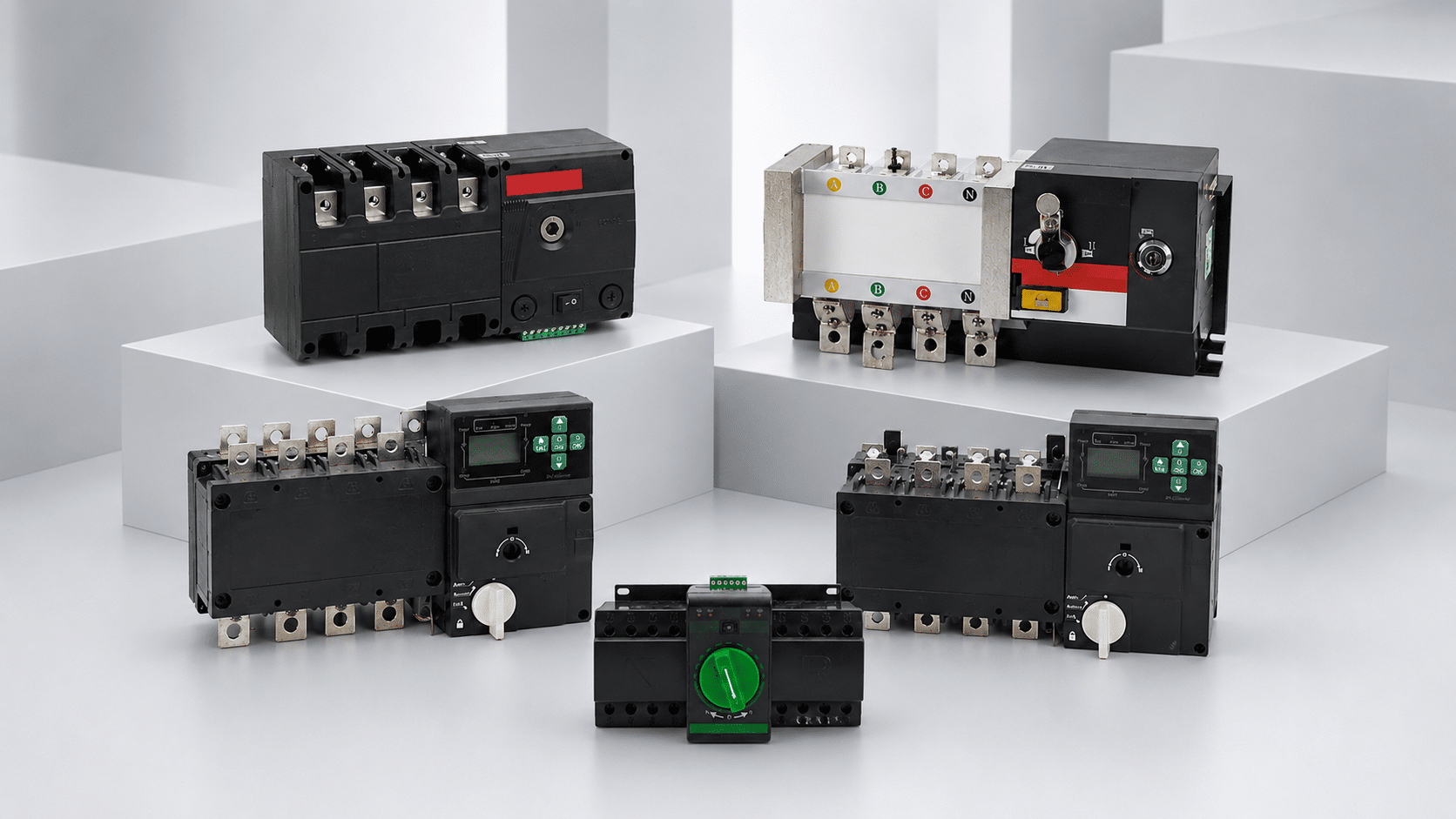
Transfer Switches
Match automatic or manual source transfer to equipment operating logic, current, poles, neutral arrangement and installation.
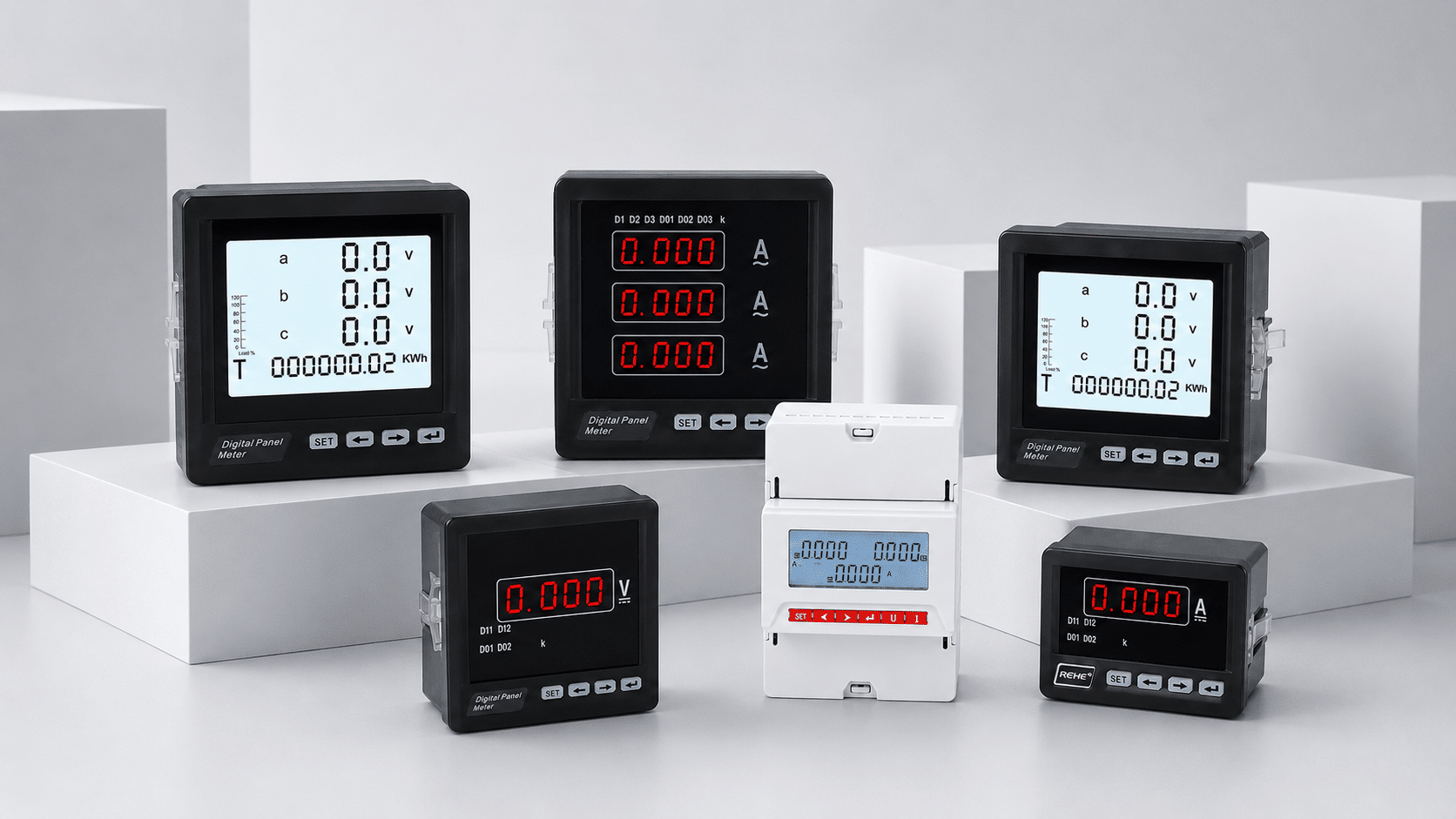
Digital Panel Meters
Display voltage, current, power or multifunction data locally and review communication or alarm requirements where needed.
Protection, Control & Distribution
Selected supporting products can be discussed when they belong to the same machine, panel or equipment BOM.
Use approval gates before the component enters repeat builds
Each gate removes a different source of production risk. The exact process can be adjusted to the product, order size and equipment program.
Requirement Brief
Confirm function, ratings, dimensions, interfaces, environment, target market and quantity.
Model Direction
Review candidate family, exact model data, accessories and unresolved differences.
Sample Evaluation
Verify installation, wiring, operation, markings, documents and equipment integration.
BOM Lock
Record approved model, accessories, drawing, label, packaging and revision status.
Batch Preparation
Confirm quantities, packing groups, inspection points, delivery plan and order references.
Repeat Supply
Reference the approved revision and review any proposed product or document change.
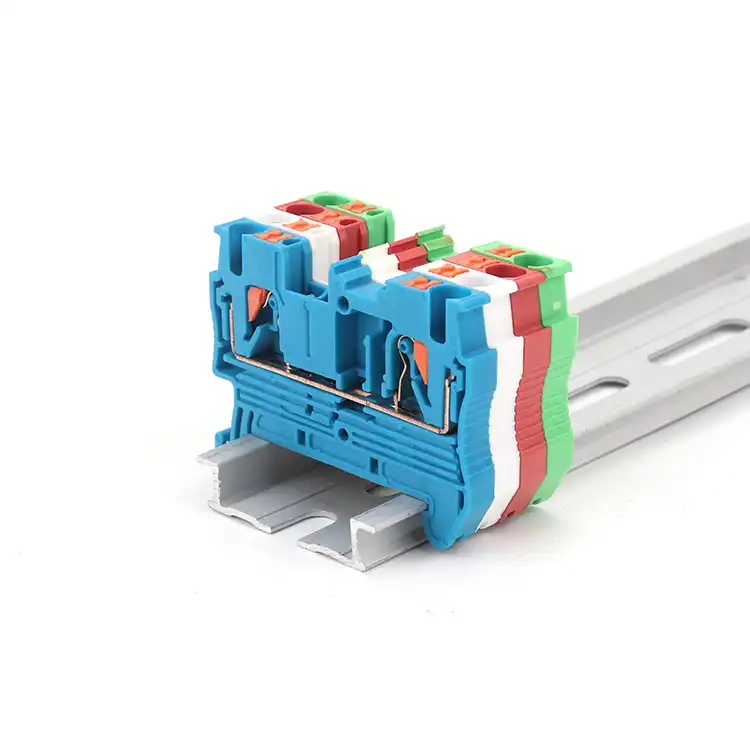
Turn the sample decision into a repeatable purchasing reference
Photos, measured dimensions, label references, drawings and approved samples can help different teams identify the same requirement.
Control the details that can disrupt equipment assembly
Engineering, procurement, incoming inspection and production need a shared definition of the approved component. The record should be practical enough to identify an issue before it reaches the assembly line.
Keep the exact model, option code, accessory set and approved document revision together.
Record the dimensions, terminals, cutout or mounting details that affect equipment fit.
Confirm the label content, data sheet, required certificates and language requirements.
Define set quantities, accessories, labels and packing groups that support receiving and assembly.
Review material changes, model substitutions and drawing updates before shipment where required.
Send the data that defines the component inside your equipment
You do not need to know the exact SENTOP model before contacting us. Share what is already confirmed and identify the items that still require selection support.
Diagram, voltage, current, phases, frequency, load, duty, measured values, control logic and required circuit function.
Dimensions, cutout, mounting, wire size, conductor type, terminal access, enclosure space and environmental conditions.
Destination, required standards, certificates, drawings, labels, languages, inspection records and technical-file expectations.
Sample quantity, annual estimate, batch quantity, variants, packaging, delivery schedule, approved alternatives and target date.
Keep the delivered component tied to the approved equipment BOM
A clear reference helps prevent purchasing, production and service teams from working from different model assumptions.
Model, options, drawings, settings, accessories and technical deviations.
Order description, quantity, approved alternative rules and packaging reference.
Line-side label, accessory set, markers, wiring details and receiving checks.
Equipment variant, component revision, replacement direction and spare requirements.
Questions before approving electrical components for production
Practical answers for equipment engineers, sourcing teams, panel builders and production buyers.
What information should an equipment manufacturer send for model matching?
Send the component function, electrical ratings, dimensions, mounting, wiring, environment, target market, required documents, quantity and any existing model or drawing. A schematic or BOM is especially useful.
Can SENTOP review an existing component for replacement?
Yes. Provide the full existing model, data sheet, nameplate and clear photos together with dimensions, wiring, accessories and the reason for replacement. Final approval should include a documented comparison and equipment testing.
Should we approve a product family or the exact model?
Production approval should normally reference the exact model, options and accessories. Ratings, approvals and interfaces can vary within the same family.
Can we request samples before a batch order?
Sample availability depends on the product and model. Define what the sample must confirm, including fit, wiring, operation, markings, documents and packaging where relevant.
Can SENTOP supply multiple electrical product groups in one BOM?
Yes. Terminal blocks, transfer switches and digital panel meters are the main promoted ranges. Selected circuit-protection, power-supply, contactor and distribution products can also be discussed as supporting BOM items.
How should approved component changes be handled?
Define which changes require notification or renewed approval. Review the effect on electrical function, dimensions, wiring, markings, documents, standards and equipment validation before changing the production BOM.
Does an individual product certificate make the finished equipment compliant?
No. The equipment manufacturer remains responsible for the complete design, component application, coordination, installation, testing, technical file and compliance of the finished equipment.
Can SENTOP support OEM labels or project packaging?
OEM branding, labels and packaging can be reviewed according to the product, quantity, market and feasibility. Send the artwork, label content, packaging structure and documentation expectations.
Have a machine BOM, component drawing or existing model to review?
Send the available technical data, quantities, destination, documents and production stage. SENTOP will help organize the next component-matching step.