Frequently Asked Questions About Electrical Product Selection & Supply
Find practical answers about terminal blocks, transfer switches, digital panel meters, model replacement, OEM/ODM requirements, samples, quotations, quality confirmation and delivery.
Go directly to the answers that move your project forward
The same product question can require a different answer for a new design, an existing replacement, a private-label program or an urgent project order.
Technical suitability must be confirmed from the complete electrical and mechanical requirement, not from appearance or a product name alone.
Select a New Product
Understand which ratings, dimensions, functions and installation details are needed before choosing a model.
Replace an Existing Model
Prepare label photos, ratings, dimensions and wiring information for a technically useful replacement review.
Plan OEM/ODM Supply
Review branding, labels, packaging, samples, feasible product changes and repeat-order information.
Prepare an Order
Check what is needed for a quotation, sample, technical document, quality confirmation and delivery review.
Choose the product family before narrowing the exact question
Each core range has a different selection logic. Use the product path to filter the main FAQ library.
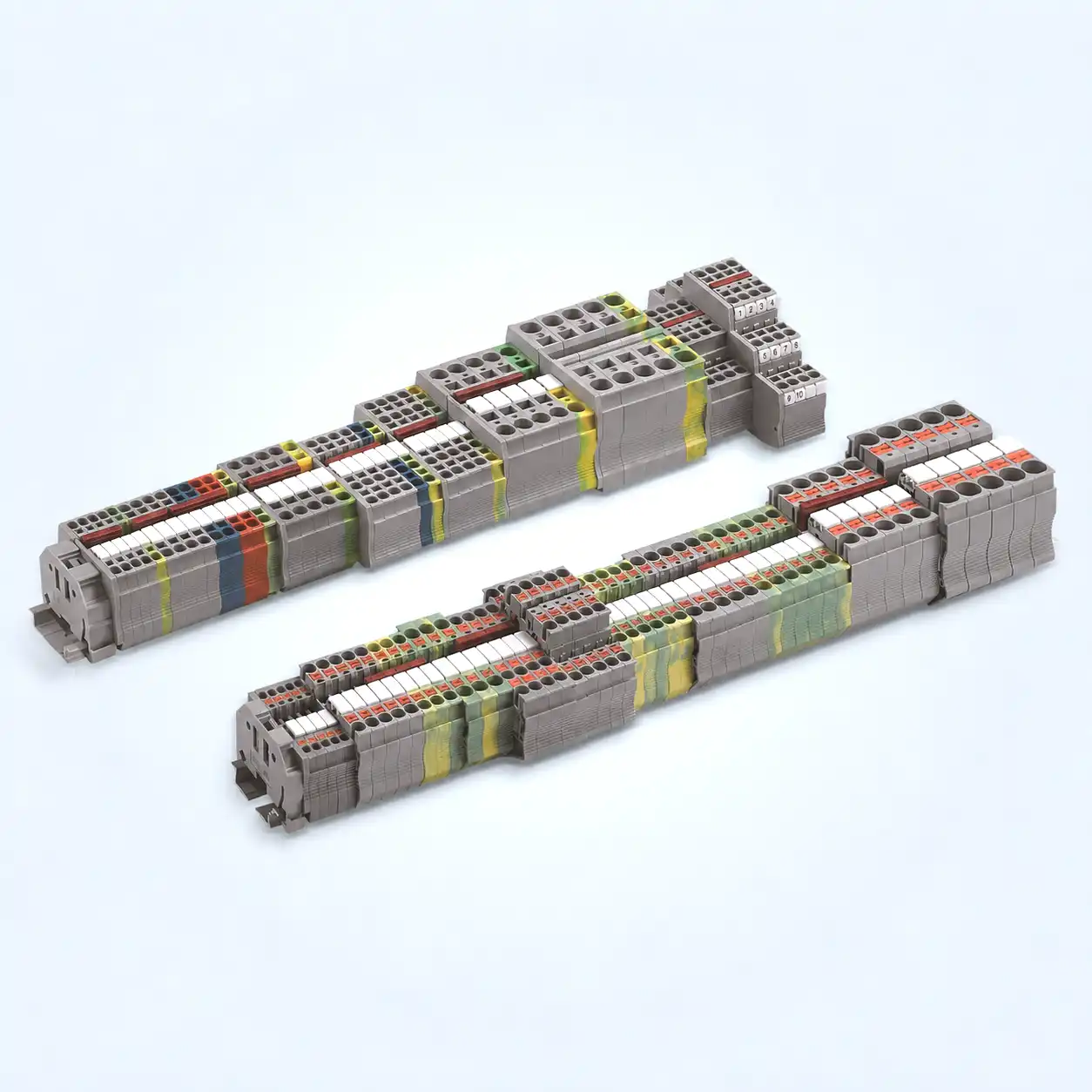
Connection Method, Wire Range & Accessories
Compare spring and screw connection, conductor requirements, DIN rail mounting, PE terminals and matching accessories.
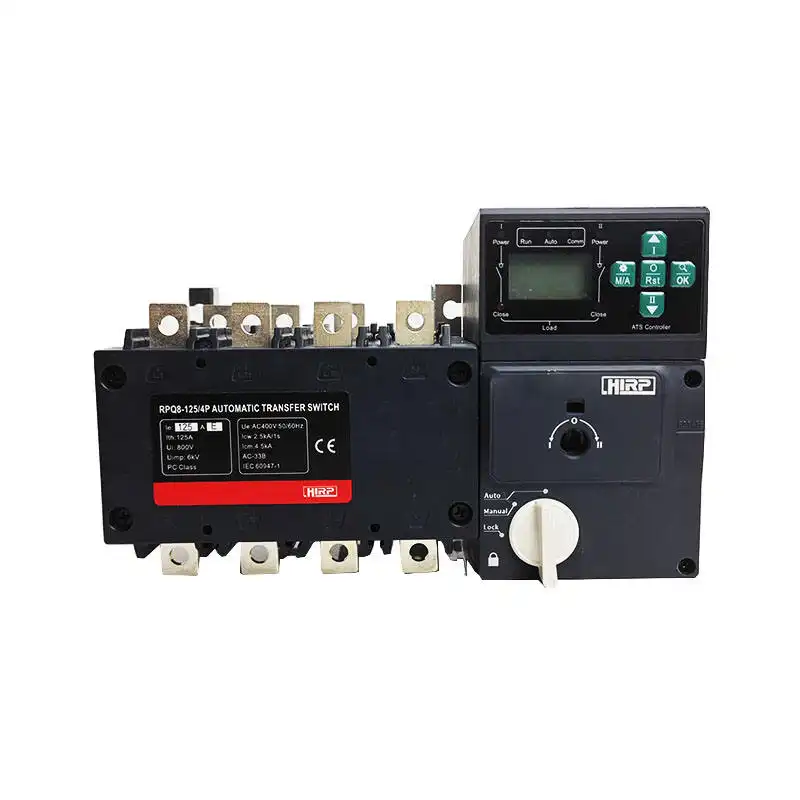
Sources, Current, Poles & Control Logic
Understand automatic versus manual transfer, generator signals, source systems and the data needed for ATS selection.
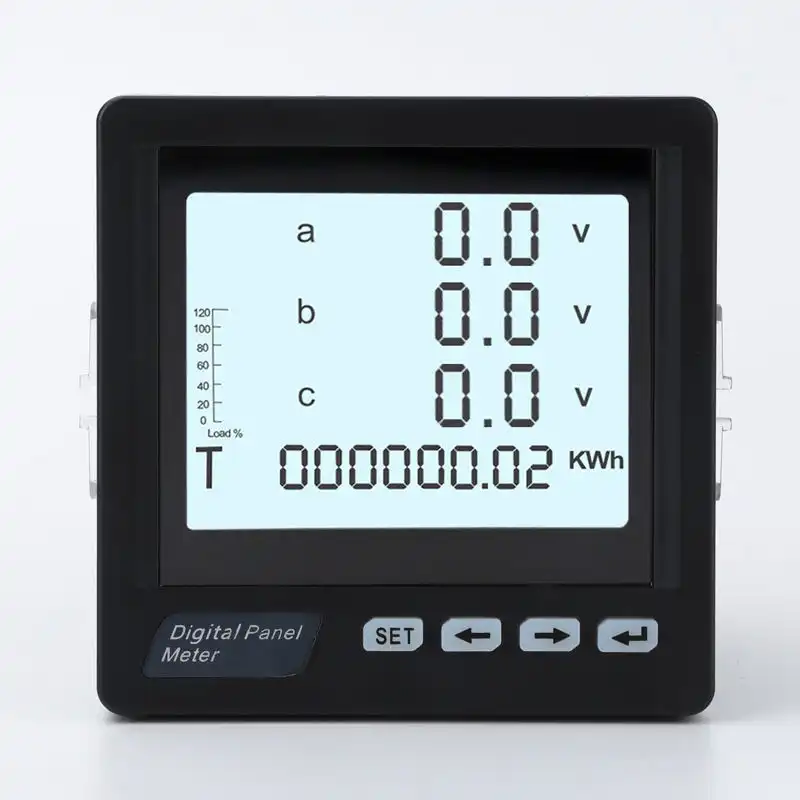
Measured Quantity, Input & Communication
Confirm AC or DC measurement, CT or PT input, panel cutout, auxiliary supply, outputs and RS485 integration.
SelectionWhat information does SENTOP need to recommend an electrical product model?
Start with the product category, intended function and application. Then provide the known electrical ratings, mechanical constraints, installation method, required approvals, quantity and destination. The useful details vary by product, but an exact model should not be selected from appearance alone.
- Electrical: voltage, current, frequency, poles, input or measured range.
- Mechanical: dimensions, mounting, cutout, DIN rail, wire range or enclosure.
- Commercial: quantity, target market, delivery and packaging requirements.
SelectionCan SENTOP help replace an existing electrical product model?
Yes, SENTOP can review possible replacement directions when enough technical information is available. Send the existing manufacturer and model, clear front, side, terminal and label photos, electrical ratings, dimensions, wiring and required functions. A similar size or appearance does not by itself confirm compatibility.
SelectionCan I select a product using only the voltage and current rating?
No. Voltage and current are important, but the correct model can also depend on poles, frequency, conductor or input type, mounting, dimensions, short-circuit or switching duty, environmental conditions, control logic, communication and target-market requirements. Confirm the complete application before ordering.
SelectionHow should I confirm product certifications and standards?
Certification and standard coverage must be checked against the exact model, rating, configuration and target market. State the required standard or approval in the enquiry and request the applicable document before purchase. Do not assume that one certificate covers every model in a product family.
Terminal BlocksWhat is the difference between spring and screw terminal blocks?
Spring terminal blocks maintain conductor pressure through a spring mechanism and can support fast, consistent wiring. Screw terminal blocks clamp the conductor by tightening a screw and are familiar in many panel-building workflows. The better choice depends on conductor type, vibration, installation practice, maintenance preference, ratings and accessory system.
Terminal BlocksHow do I choose the correct terminal block wire range?
Confirm the conductor material, solid or stranded construction, cross-sectional area, ferrule use and insulation diameter. Then check the terminal's documented conductor range, current and voltage ratings, stripping length and applicable standard. The largest physical opening is not a substitute for the specified conductor range.
Terminal BlocksCan terminal block bridges, markers and end plates be mixed between series?
Accessories should be matched to the exact terminal family, pitch, profile and function. A bridge, marker strip or end plate that looks similar may not fit or perform correctly on another series. Include the terminal model and planned assembly when requesting accessories.
Terminal BlocksWhen should I use a PE ground terminal block?
A PE terminal is used for protective-earth connections and is designed to establish the intended grounding connection to the mounting system. It should not be treated as a color variation of a standard feed-through terminal. Confirm the rail, conductor, grounding arrangement and applicable installation requirements.
Transfer SwitchesWhat is the difference between an automatic and manual transfer switch?
An automatic transfer switch monitors defined source conditions and controls changeover according to its control logic. A manual transfer switch requires an operator to perform the changeover. The selection depends on acceptable interruption, source types, load, operating procedure, interlocking, poles, current and system design.
Transfer SwitchesWhat information is needed to select an automatic transfer switch?
Provide the normal and alternate source types, system voltage and frequency, rated current, number of poles, neutral arrangement, load type, automatic sequence, generator-start requirement, mounting, enclosure and applicable standard. Also describe whether the switch is for utility-to-utility, utility-to-generator or another source arrangement.
Transfer SwitchesCan an automatic transfer switch start a generator?
Some ATS controllers provide a generator-start contact or related control function, but this is model-specific. Confirm the controller output type, generator controller input, start and stop sequence, timing, wiring, source sensing and return-to-normal behavior before integration.
Transfer SwitchesCan I choose a transfer switch by rated current alone?
No. Selection also depends on poles and neutral treatment, utilization duty, source and load arrangement, short-circuit and protection coordination, transfer logic, mounting, enclosure, operating environment and applicable standards. Review the one-line diagram and system requirements with the exact switch model.
Panel MetersWhat can a digital panel meter measure?
Depending on the model, a digital panel meter may measure or display voltage, current, frequency, power, power factor, energy or several electrical quantities. Confirm whether the system is AC or DC, single-phase or three-phase, and which measurements, accuracy, display and outputs are required.
Panel MetersWhen does a digital panel meter need a CT or PT input?
A current transformer or potential transformer is used when the measured circuit and meter input require indirect measurement. Confirm the primary and secondary ratings, ratio, phase arrangement, polarity, wiring and meter input specification as one measurement system. Follow appropriate safety procedures for transformer circuits.
Panel MetersWhy must I confirm the panel cutout and auxiliary supply?
The front size alone does not confirm installation compatibility. Check the documented panel cutout, body depth, mounting clip clearance and terminal access. The meter's auxiliary supply must also match the available control power and may be different from the measured input.
Panel MetersWhat is needed to connect a panel meter to an RS485 monitoring system?
Confirm that the selected model supports the required communication protocol. Then review baud rate, address, parity, register map, supported measurements, scaling, wiring topology, termination and the receiving controller or software. Communication capability and register compatibility are model-specific.
OEM/ODMWhat electrical product customization can SENTOP review?
Depending on the product, possible review areas include product identification, logo and model labels, color or marking, packaging format, accessory sets and selected configuration details. The requested change must be assessed against the product platform, technical impact, quantity and target-market requirements.
OEM/ODMIs there a minimum order quantity for OEM or ODM products?
The applicable quantity depends on the product, requested change, artwork, packaging materials, sample work and production setup. Provide the expected first order and annual demand so SENTOP can review feasibility for the actual program instead of applying one general MOQ to every request.
OEM/ODMCan I request a sample before placing a bulk order?
Sample options can be reviewed after the model and any customization scope are understood. Use the sample to confirm the relevant product details, markings, accessories, function and packaging approval points. Sample cost, quantity and timing depend on the selected product and requested work.
OEM/ODMCan SENTOP use my brand, barcode and packaging?
Brand artwork, model labels, barcodes, carton labels and packaging formats can be reviewed for eligible products. Provide print-ready files, required label content, packaging structure, target language, market requirements, expected quantity and approval method.
OrdersWhat information is needed for an accurate quotation?
Include the exact model or complete selection requirement, quantity, accessories, target market, packaging or OEM request, destination and required delivery. A photo or model name without ratings and quantity may only support an initial review, not a final quotation.
OrdersHow is the production and delivery time confirmed?
Lead time is reviewed after the model, quantity, customization, sample approval, packaging, documentation and order schedule are clear. Confirm the requested delivery date and destination in the enquiry. Do not plan a project around a general lead-time estimate before the exact order is reviewed.
OrdersHow can product quality be confirmed before shipment?
Agree the exact model, specification, sample or drawing, label and packaging requirements before production. The applicable inspection and document scope should then be confirmed for the order. For critical projects, identify any required sample approval, inspection record or third-party arrangement during the quotation stage.
OrdersWhat warranty and after-sales support applies to my order?
Warranty terms and support scope should be confirmed for the exact product and order. Keep the model, batch or order information, installation details, application conditions, photos and a clear description of the issue. Do not alter or dismantle a product before receiving troubleshooting guidance when evidence may be needed.
Try a shorter keyword, choose another category or send the question directly to SENTOP.
Build a question for the SENTOP team
Select the subjects that should be included in your enquiry. Your choices will be added to the Popup Maker form so you can continue with the product, ratings, quantity and destination.
Add the product category, electrical data, expected quantity and target market in the enquiry form.
A model number is helpful, but it is not required to start
SENTOP can begin from an application, rating, drawing, product photo, label, sample or BOM. The clearer the requirement, the more useful the first response can be.
