You often see HRC Fuse Electrical in power systems. The full name is High Rupturing Capacity fuse. This device keeps you safe from electrical problems. People use it in homes, factories, and offices for safety. If something goes wrong, the fuse stops the circuit fast. Engineers use this fuse to stop damage and protect people.
Key Takeaways
- HRC means High Rupturing Capacity. These fuses can safely stop big fault currents.
- HRC fuses work fast to protect electrical systems. They help prevent damage and lower fire risks.
- These fuses need little care and last a long time. This helps you save money over time.
- HRC fuses are used in homes, factories, and power systems. They help keep things safe and reliable.
- Picking the right HRC fuse rating is very important. It helps protect your electrical circuits well.
HRC Fuse Electrical Full Name
What HRC Stands For
You might ask what HRC means in HRC Fuse Electrical. HRC stands for “High Rupturing Capacity.” This name shows the fuse’s main job. “Rupturing” means breaking or stopping electricity. When you read “High Rupturing Capacity,” it means the fuse can stop big currents safely if there is a problem.
Note: The words “High Rupturing Capacity” were first used in electrical engineering books. They describe fuses that can handle bigger fault currents than regular fuses. These fuses use special parts and designs to work better and keep people safe.
Why It Is Called High Rupturing Capacity
It is called High Rupturing Capacity because this fuse can stop very high fault currents without getting damaged. In HRC Fuse Electrical, the fuse must break the circuit fast and safely if something goes wrong. If the current gets too high, the fuse melts and stops electricity. This keeps your equipment safe and helps prevent fires.
Here are some reasons why engineers use the name “High Rupturing Capacity”:
- HRC fuses are made to spread energy well when they interrupt.
- They use strong materials that make them good for protection.
- You see them in systems with transformers, motors, and capacitor banks.
- HRC fuses can handle much bigger fault currents than regular fuses.
- They use special materials to put out the arc during faults.
- These fuses are picked for medium to high voltage networks because they are safe and reliable.
When you pick an HRC Fuse Electrical, you check its technical details:
- Interrupting Capacity: This is the biggest fault current the fuse can stop safely. It shows how well the fuse handles short circuits.
- Proper Specification: The interrupting capacity should be more than the highest short-circuit current in your system.
- High-Breaking Capacity: HRC fuses can stop currents much higher than their rated current. This makes them good for high-voltage jobs.
- Material Choice: Ceramic fuses usually stop higher currents than glass fuses.
- Electrical Ratings: You need to match the fuse to the circuit’s voltage, current, and interrupting capacity.
- Safety Margins: The fuse’s current rating often has a margin, like 135% of normal current, to keep things safe.
If you look at HRC fuses and regular fuses, you see HRC fuses can handle much bigger fault currents. This makes HRC Fuse Electrical a great choice for protecting important equipment in power systems.
Function
Circuit Protection
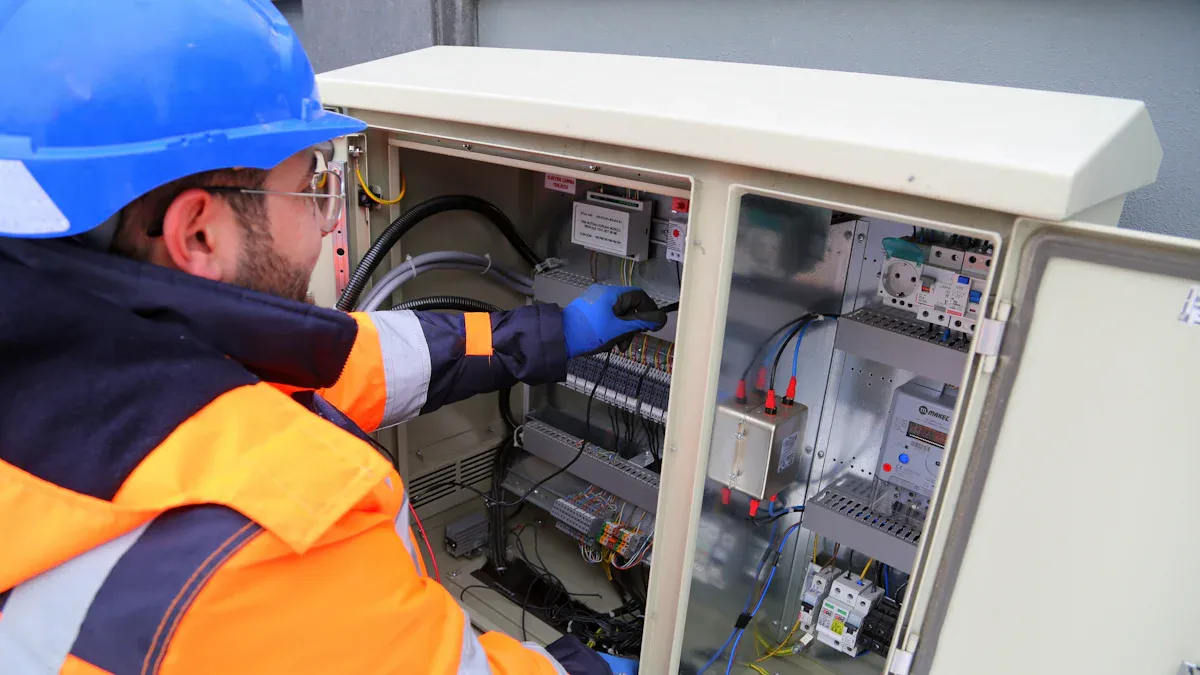
You use HRC Fuse Electrical to keep circuits safe. If too much current flows, the fuse acts fast. It stops electricity right away. This helps stop fires and keeps equipment safe.
Here is what HRC Fuse Electrical does today:
- It protects systems from too much current or short circuits by breaking the circuit when there is a problem.
- It can handle high current and voltage, so it works for tough jobs.
- It stops machines, transformers, and other equipment from getting damaged.
- It lowers the chance of fire or danger by stopping electricity during faults.
- People use it in homes, factories, and offices to keep everyone safe.
Tip: You can count on HRC fuses for quick protection. They work well in small and big power systems.
How HRC Fuse Electrical Works
HRC Fuse Electrical uses special parts and smart design to handle lots of energy. When there is a problem, the fuse melts and breaks the circuit. This happens very fast, often in less than 5 milliseconds during a short circuit. The quick action keeps your system safe.
You can see how HRC fuses and rewirable fuses are different in the table below:
| Fuse Type | Arc Suppression Capability | Reliability |
|---|---|---|
| HRC Fuse | High | High |
| Rewirable Fuse | Lower | Moderate |
HRC fuses use silver or copper for the fuse part. These metals help the fuse handle big currents without causing explosions or fires. The fuse cuts off the bad part of the circuit. This keeps the rest of your system working well. This design makes HRC fuses a good choice for protecting important equipment and keeping your electrical network safe.
Construction and Types
Main Parts
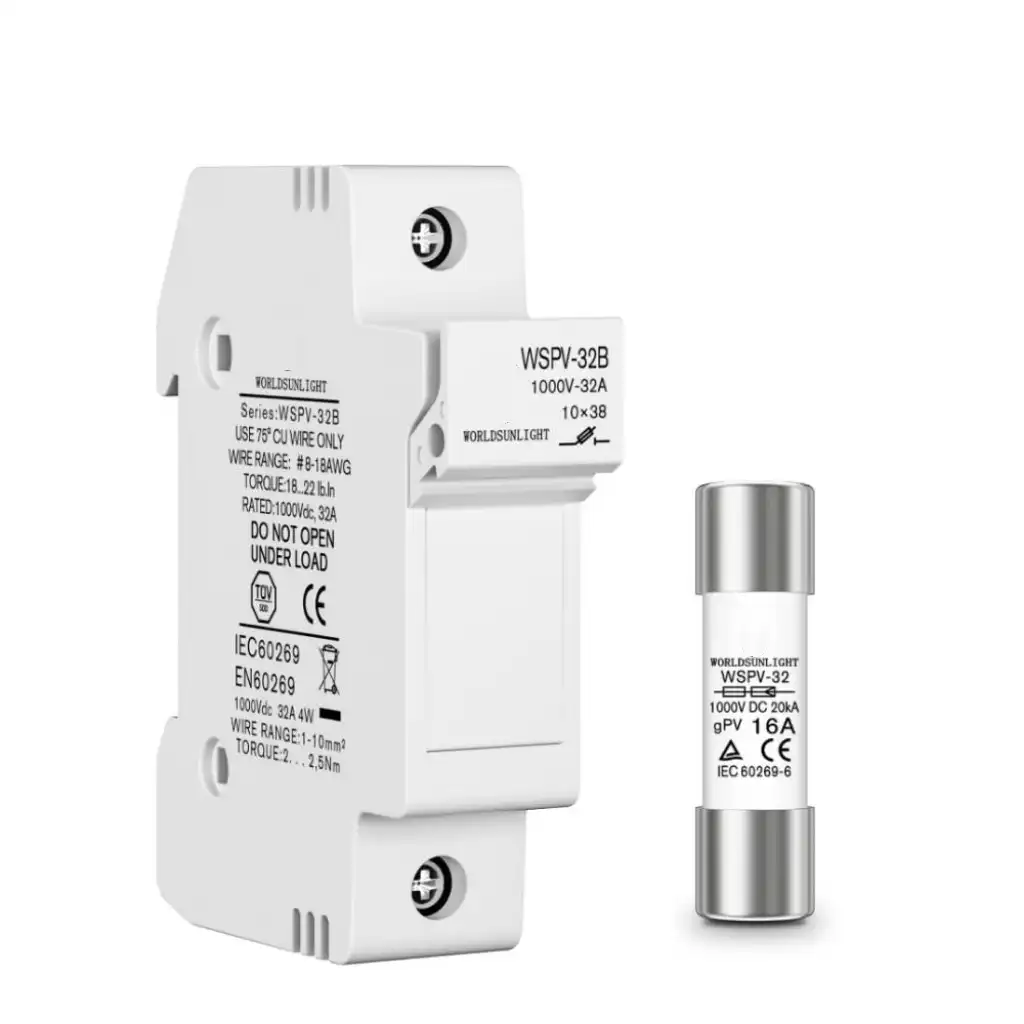
When you look at HRC Fuse Electrical, each part does something important. The body holds all the pieces together. It keeps the fuse safe when there are problems. The fuse element melts if too much current flows. This stops electricity very quickly. The filling powder soaks up heat and helps stop sparks. Washers, plugs, end-caps, and tags help the fuse work well and stay strong.
Here is a table that shows the main parts and what they are made of:
| Component | Material Used |
|---|---|
| Body | Heat resistant ceramic (steatite) |
| Fuse Element | Pure silver |
| Filling Powder | Chalk, plaster of Paris, marble dust |
| Washers | Asbestos |
| Plugs | Porcelain |
| End-Caps | Brass |
| Tags | Copper (electro-tinned) |
The design of HRC Fuse Electrical uses these materials to handle big currents. The ceramic body does not get damaged by heat. The silver element melts fast when needed. The filling powder takes in heat and controls the arc. This smart design helps the fuse protect your system when there are faults.
Tip: The filling powder inside the fuse soaks up extra heat. This slows down the melting of the fuse element. It helps the fuse work better when there is a lot of current.
Types of HRC Fuses
There are different types of HRC fuses in electrical systems. Each type is made for a special job. Some fuses protect motors. Others work in switchgear or transformers. The size and shape of the fuse depend on the voltage and current it needs to handle. For example, low voltage HRC cartridge fuses can be as short as 38mm. Medium voltage fuses can be longer than 500mm to stop arcing.
Here are some common types and what they do:
| Fuse Type | Application | Interrupting Capability |
|---|---|---|
| E-rated | Switchgear | Does not explode during operation |
| R-rated | Motor protection | Suitable for air interrupters |
| K and T | Outdoor distribution | Low interrupting ratings, not for indoor use |
| S&C SM | Transformer protection | Best for through faults, current-limiting fuses have poor coordination |
You see HRC Fuse Electrical used in places like factories and power stations. These fuses can handle big currents and keep equipment safe. In the UK, people use them before the breaker box to stop overloads. The ratings for these fuses are from 60 to 100 amps. They have high breaking capacity. European miniature HRC fuses can handle up to 1500A at 250VAC.
HRC fuses work well in tough places. They use strong materials and sealed designs to resist heat and humidity. This keeps your electrical system safe, even when the weather changes.
Advantages and Applications
Key Benefits
HRC Fuse Electrical gives you many good things in power systems. These fuses protect your equipment well, even with high voltage and current. You do not need to fix them often because they have no moving parts. They last a long time and help you save money.
Here are the main benefits you should know:
- HRC fuses break the circuit fast when there is a fault. This keeps your equipment safe from harm.
- You do not spend much on maintenance since these fuses need little care.
- You save money because HRC fuses cost less than other devices for high voltage.
- You do not worry about rust or corrosion. The materials in HRC fuses stay strong and work well.
- HRC fuses can stop very high fault currents, up to 40,000 Amps.
- You can use them in big power systems, up to 66 kV and 500 MVA.
- The fuse reacts quickly to big faults but ignores small surges because of its special time-current feature.
HRC fuses follow safety rules like IEC 60269. This means you get steady performance and better safety in your electrical system.
| Feature | Description |
|---|---|
| High Rupturing Capacity | Stops high fault currents safely and meets safety rules. |
| Designed to IEC 60269 | Follows global standards for easy use and good operation. |
| Consistent Performance | Time-current features stay the same, so design and care are easy. |
Common Uses
You see HRC fuses in many places. They protect important parts in homes, factories, and big buildings. You find them in boards, lighting circuits, and solar power systems.
Here are some common uses:
- HRC fuses protect transformers from too much current.
- They keep motors safe from electrical problems.
- They shield power systems from getting overloaded.
- You use them in feeders and power transformers.
- You find them in solar circuits for extra safety.
HRC fuses work well in both low and high voltage systems. You see them in industrial panels, big buildings, and homes. These fuses help you follow safety rules and keep your electrical system working well.
Tip: Always pick the right fuse rating for your circuit and follow the maker’s advice. This gives you the best protection and keeps your system safe.
You have learned that HRC means High Rupturing Capacity fuse. This fuse keeps your electrical system safe by stopping the circuit if there is a problem. There are many good things about using HRC fuses:
| Advantages of HRC Fuses |
|---|
| Saves money |
| Can stop big currents |
| Simple to make |
| Needs no upkeep |
| Easy to use |
| Great for stopping overloads |
You can see HRC fuses in houses, factories, and power plants. They do not need to be checked or fixed often, which is different from circuit breakers or contactors. You can count on HRC fuses to protect your machines and people every day.
FAQ
What is the main purpose of an HRC fuse?
You use an HRC fuse to protect electrical circuits from high fault currents. The fuse melts and breaks the circuit quickly when a problem happens. This action keeps your equipment and wiring safe.
What materials make up an HRC fuse?
You find materials like ceramic for the body, pure silver for the fuse element, and filling powder such as chalk or marble dust. These materials help the fuse handle high temperatures and stop dangerous arcs.
What happens if you use the wrong HRC fuse rating?
If you pick the wrong rating, the fuse may not protect your circuit. A fuse with a low rating melts too soon. A fuse with a high rating may not melt during a fault. Always match the fuse to your system.
What types of circuits need HRC fuses?
You use HRC fuses in circuits with high voltage or current. These include power transformers, motors, and main distribution boards. HRC fuses work well in both industrial and commercial electrical systems.
What makes HRC fuses better than regular fuses?
HRC fuses can stop much higher fault currents. They react faster and last longer. You do not need to replace them often. Their design gives you better safety and reliability in your electrical system.
See also
What is the difference between a circuit breaker and a fuse?
The difference between miniature circuit breakers and fuses
Can I replace a fuse with a circuit breaker?
What are fuses in electrical systems?
What Is a Fused Distribution Box and How Does It Work

Discover more from SENTOP Electrical Co., Ltd
Subscribe to get the latest posts sent to your email.