How to Fix a Loose Terminal Block Connection (Safely)
Loose electrical connections are responsible for roughly 25,800 home electrical fires per year in the United States, according to the U.S. Fire Administration — and terminal blocks rank among

Loose electrical connections are responsible for roughly 25,800 home electrical fires per year in the United States, according to the U.S. Fire Administration — and terminal blocks rank among

Loose terminal connections cause roughly 30% of all electrical failures in industrial control panels, according to field data from maintenance engineers — and most of those failures

Loose electrical connections account for roughly 30% of all electrical fires in commercial and industrial settings, according to data compiled by the National Fire Protection Association (NFPA)

Corrosion-related electrical failures cost U.S. industries an estimated $276 billion annually — roughly 3.1% of GDP — according to a landmark NACE International study, and terminal blocks are

Loose connections on terminal blocks account for roughly 30% of all electrical failures in industrial control panels, according to data compiled by NFPA electrical incident reports. Terminal block

Loose or corroded terminal block connections account for roughly 30% of all electrical faults in industrial control panels, according to field data from ABB’s low-voltage troubleshooting guides. Knowing how

Loose or degraded terminal block connections account for roughly 30% of all electrical failures in industrial control panels, according to data referenced in NFPA 70B recommended maintenance practices.

A single degraded terminal block carrying 20 amps can develop contact resistance exceeding 100 milliohms — enough to generate localized heat above 150°C and trigger

Standard plastic terminal blocks fail above 150 °C — yet industrial heating systems routinely operate between 300 °C and 1,200 °C, creating a critical gap

A single missing end plate or unlabeled terminal can turn a routine panel inspection into a costly hour of troubleshooting — yet accessories account for

Over 90% of industrial control panels worldwide rely on terminal blocks as their primary wire connection method — yet most people outside the electrical trade

Over 70% of electrical connection failures in residential and light commercial settings trace back to one root cause: the wrong connector for the job. The

Over 60% of electrical panel wiring errors trace back to one decision: choosing the wrong connection method for the job. The terminal block vs bus bar

4 AWG copper wire carries up to 85 amps in most NEC-rated applications — and a poorly chosen terminal block is the weakest link between

The global terminal block market surpassed $4.6 billion in 2023, according to Grand View Research — yet a surprising number of engineers and electricians still default

Roughly 35% of outdoor electrical connection failures trace back to a single root cause: moisture ingress at the terminal block. Choosing the right waterproof terminal block

Over 60% of all PCB terminal block orders placed through major distributors like Digi-Key and Mouser involve either 2-pin or 3-pin configurations — and for

The global terminal block market is projected to exceed $5 billion by 2028, and DIN rail-mounted variants account for the largest share of industrial installations

Over 70% of electrical connection failures in industrial panels trace back to one root cause: loose terminations — and the type of terminal block you

Roughly 68% of industrial electrical faults trace back to poor connections — and the terminal block sits at the center of every one of them.

Roughly 60% of electrical troubleshooting time is spent simply identifying the correct wire — not actually fixing the fault. That staggering figure, cited repeatedly by

A single improperly rated terminal connection in a Zone 1 hazardous area can trigger an arc flash capable of igniting flammable gas concentrations in under

Corrosion causes roughly 40% of all electrical failures on recreational and commercial vessels, according to data from marine insurance claims analyzed by BoatUS Marine Insurance.

Over 70% of unplanned downtime in commercial and industrial facilities traces back to poorly coordinated overcurrent protection — a problem that proper breaker coordination eliminates.

According to IEEE and NFPA research, over 80% of electrical failures in commercial and industrial facilities trace back to inadequate protective device coordination — a problem that

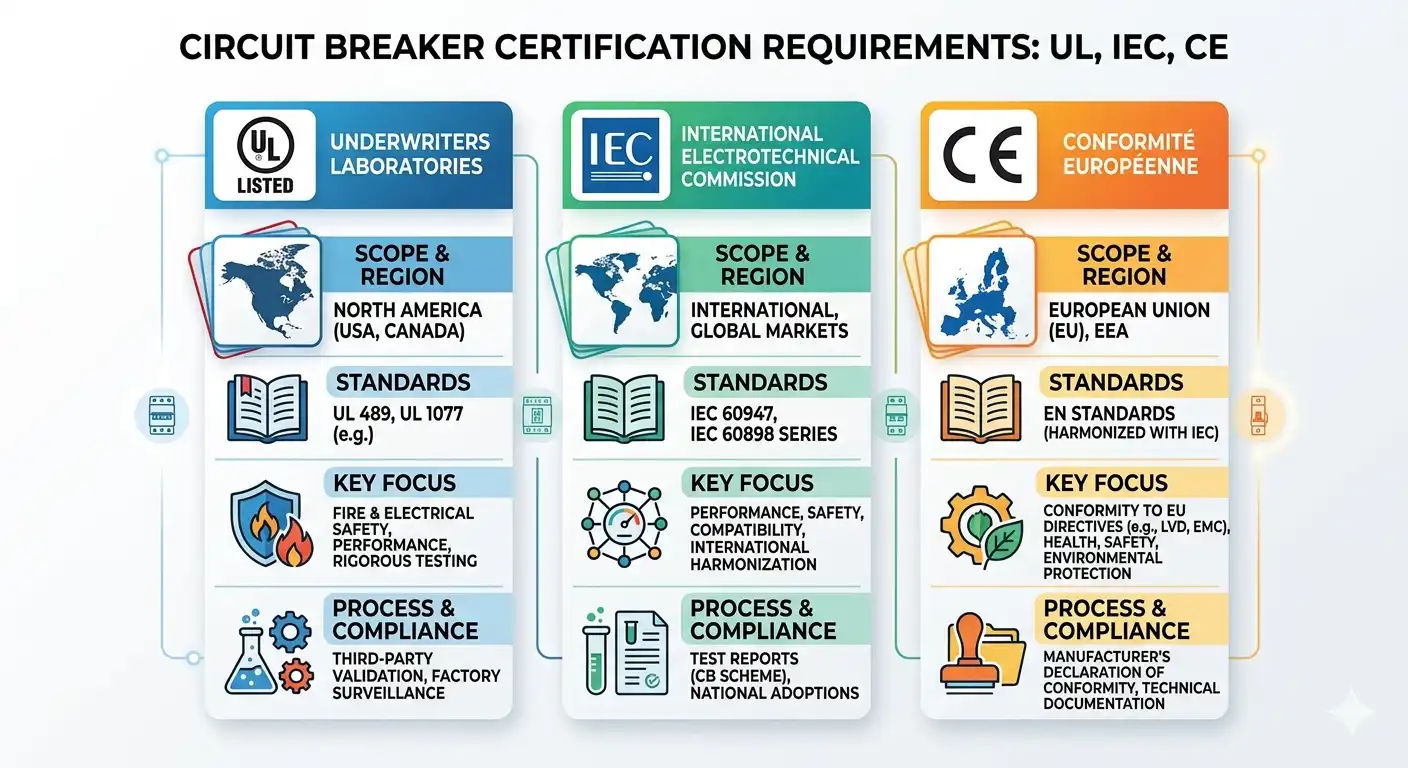
Over 70% of project delays in international electrical installations trace back to one root cause: specifying a breaker built to the wrong standard. The differences

A standard circuit breaker rated at 100A doesn’t actually deliver 100A when ambient temperature climbs above 40°C — it might only handle 80A safely before
SENTOP Team
Typically replies within minutes
Do you want to learn more about our products or services?
Contact Us
🟢 Online | Privacy policy
Contact Us