
You want to make good choices when you buy micro-circuit breaker wholesale. Picking the right supplier keeps your projects safe and helps you save money. Good products keep your systems safe and working well. The market for micro-circuit breakers is getting bigger. This is because people use more electricity and build new things.
| Metric/Aspect | Data/Value |
|---|---|
| Global Market Size (2024) | USD 15.34 billion |
| Projected Market Size (2033) | USD 26.63 billion |
| CAGR (2025-2033) | 6.32% |
| Key Growth Drivers | Electricity demand, infrastructure upgrades, renewable energy integration |
If you work with trusted manufacturers and wholesalers, you can get products made for your needs and get help when needed. This busy market helps you find better prices and good quality when you buy micro-circuit breaker wholesale.
Key Takeaways
- Pick micro-circuit breakers that fit your system’s needs. Make sure they match the current and breaking capacity. This helps keep your projects safe and working well.
- Work with wholesalers you can trust. They should have good certifications and clear prices. They also need to give strong support. This helps you avoid bad quality and late orders.
- Test and check breakers often. This makes sure they work right and follow safety rules. It keeps people and equipment safe.
- Plan your orders with care. This helps you get better prices and not buy too much. It also helps you manage shipping times for smooth delivery.
- Talk openly with your suppliers. Build good relationships with them. This helps fix problems fast and get better service.
Micro-Circuit Breaker Wholesale
What Are Micro-Circuit Breakers?
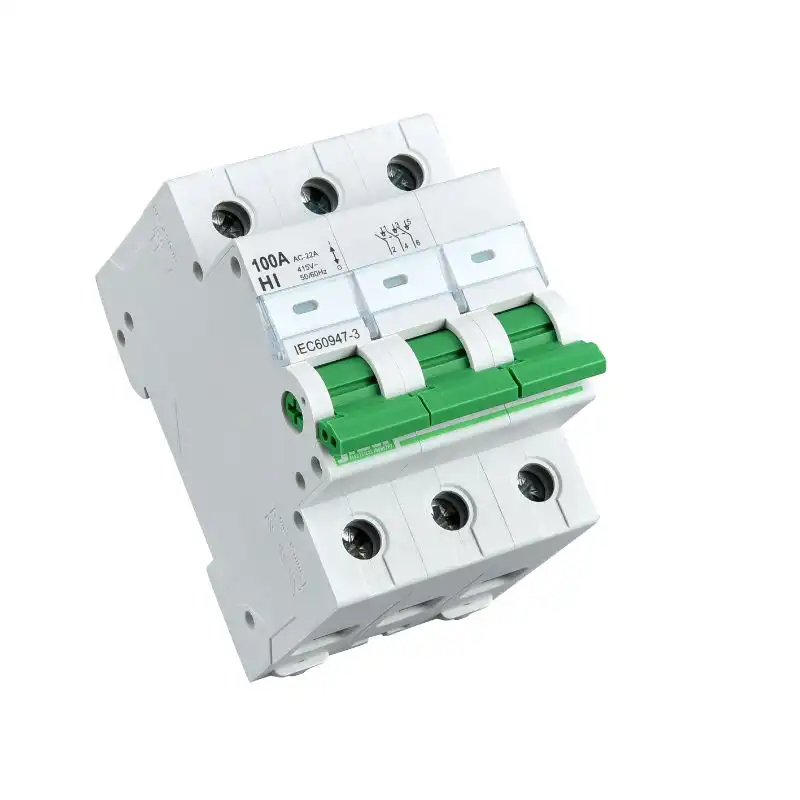
Micro-circuit breakers help protect electrical systems from harm. They work like automatic switches. If too much current flows or a short circuit happens, the breaker turns off the power. This helps stop fires and keeps equipment safe. Micro-circuit breakers have two trip parts: thermal and magnetic. The thermal part has a bimetallic strip that bends when it gets hot. The magnetic part acts fast if there is a short circuit. You can find these breakers in homes, offices, and factories. They are best for low-voltage systems, up to 100 amps. They can handle short circuits up to 50,000 amps. Standards like IEC 60898-1 and IEC 60947-2 tell how these breakers should work. Studies show good bimetallic strips help the breaker trip at the right time. This makes your system safer and more reliable.
MCBs vs. Fuses
Micro-circuit breakers and fuses are different in some ways. Fuses can stop faults very fast, in about 0.002 seconds. Circuit breakers usually take 0.02 to 0.05 seconds to react. Fuses can stop very high currents, up to 300,000 amps at 600 volts AC. They also limit the energy during a fault. But when a fuse blows, you have to replace it. Micro-circuit breakers can be reset after they trip. This saves time and money, especially in big systems. You can also see when a breaker trips, which helps you fix problems. Many people buy micro-circuit breakers wholesale to get good protection and easy maintenance for less money.
Tip: If you buy micro-circuit breakers wholesale, you can choose from many products that follow strict safety rules. This helps keep your projects safe and saves you money.
Selection Criteria
When you pick micro-circuit breakers, you need to look at some important things. These things help you find the right breaker for your system. They also help keep everything safe and working well.
Rated Current and Breaking Capacity
Rated current shows how much current a breaker can take all the time. You should pick a breaker with a current rating that matches your load. If the rating is too low, the breaker will trip a lot. If it is too high, it might not protect your wires if there is too much current.
Breaking capacity, called the kA rating, tells you the most short-circuit current the breaker can stop safely. This is very important for safety. If you use a breaker with a low breaking capacity in a system with high fault currents, you could have a fire or damage your equipment. Always check the nameplate for voltage, frequency, current, and breaking capacity. Standards like IEC 60947-2 make sure breakers pass hard tests so they work in real life.
Tip: Always match the breaker’s rated current and breaking capacity to your system’s needs. This keeps your system safe and stops failures.
Research shows that looking at things like current and breaking capacity makes systems more reliable and stops problems. Some studies even use AI to guess faults and make breaker design better. This shows why you must choose carefully.
Coordination with Other Devices
You also need to think about how your micro-circuit breaker works with other devices. Coordination means only the device closest to a problem will trip. The rest of the system keeps working. This protects your equipment and stops long downtime.
For example, picking the right type of MCB (B, C, or D) for your load helps stop unwanted tripping. Type B is good for homes. Type C or D is better for places with bigger machines. Coordination with upstream devices, like current-limiting breakers, lets you use breakers with lower breaking capacities safely.
Studies show that good coordination between devices makes systems safer and work better. It also helps you avoid mistakes and keeps your work going smoothly.
Note: Always look at your system layout and pick breakers that work well with other protection devices. This makes your system safer and more efficient.
Finding Reliable Wholesalers

Supplier Criteria
You should pick wholesalers who follow strict rules. Good suppliers help you avoid late orders and bad products. They also help you follow the law. When you look for a micro-circuit breaker wholesale partner, check some key things.
| Supplier Evaluation Criteria | Description |
|---|---|
| Location | Close to you, steady supply, and safe area |
| Employee Capabilities | Skilled workers, happy teams, and care about quality |
| Cost Structure | Clear prices for making, materials, and shipping |
| Infrastructure and Assets | New machines and strong support systems |
| Financial Stability | Good money history and low debt |
| Quality Capabilities | Strong checks and worker help |
| Environmental Regulation Compliance | Follows green rules and handles waste well |
| Management Capability | Smart leaders and good plans |
| IT Capability | Uses tech for orders and talking |
| Evaluation of Customer Base | Can meet your needs and change if needed |
Stay away from suppliers with prices that are too low. These sellers might use bad materials or break rules. Always see if the supplier has clear refund and quality rules. A good website and open prices mean the supplier is honest. On-time delivery is important if your project has a tight schedule.
Tip: Try new suppliers with small orders first. This lets you check if they are good and if their products work well.
SENTOP is a professional wholesaler of miniature circuit breakers, providing you with satisfactory prices and high-quality products
You can ask for samples, references, or proof of past sales. Safe payment and clear deals keep you safe from problems. Customer reviews help you learn about the supplier’s past work. Good wholesalers often have green certificates and use safe packaging.
Certifications and Reputation
Certifications and a good name make top wholesalers stand out. You should find suppliers with well-known industry certificates. These show the supplier meets safety, quality, and green rules. Certificates like ISO 9001 for quality or ISO 14001 for the environment are common in this field.
Many companies now want suppliers who are fair and open. Almost half of leaders plan to focus more on fairness and inclusion. Suppliers who help their communities and share their actions build trust. You can check their reports and data to see if they are honest. If you can find this info easily, the supplier is open.
Certified workers often do better and stay longer at their jobs. Employers like suppliers with checked digital badges. These badges cannot be faked and are easy to check. They also help companies avoid hiring mistakes. Big companies use digital badges to hire faster and better.
Note: Suppliers with strong certificates and a good name often give better help and service. They help you follow the rules and lower your risk.
When you pick a micro-circuit breaker wholesale partner, choose one with a good record. Look for suppliers who care about their people, tech, and community. This helps you build a strong team and makes your projects do well.
Product Quality and Compliance
Standards and Testing
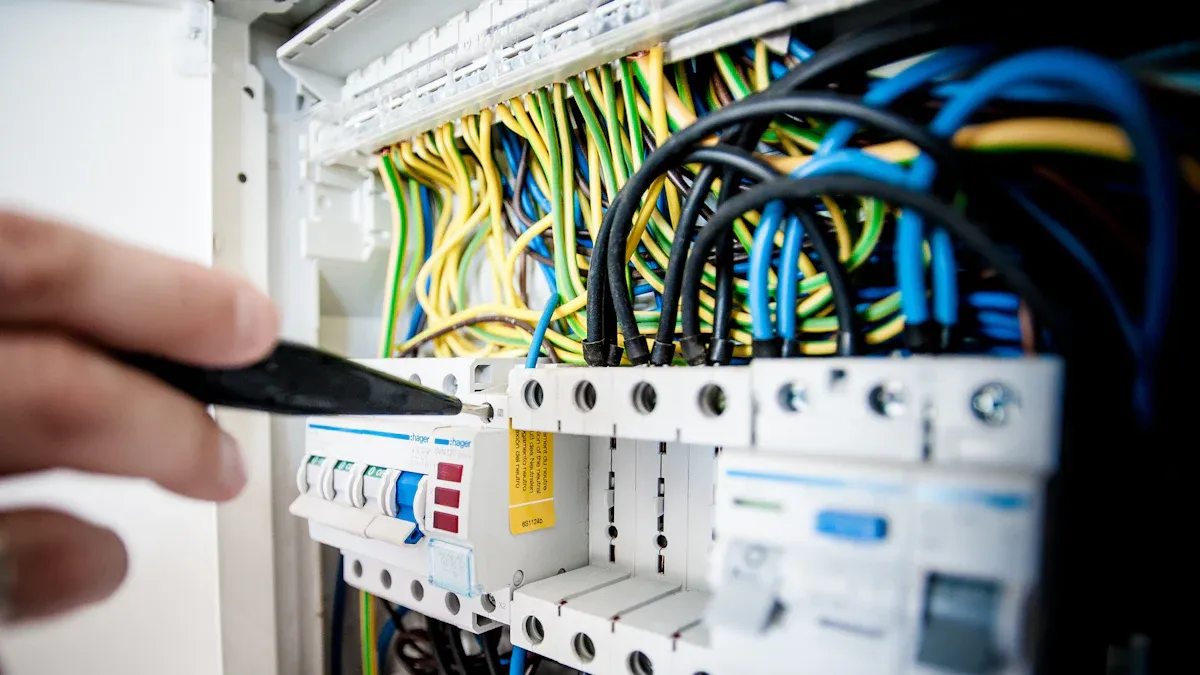
You must make sure each micro-circuit breaker meets strict rules. Standards like IEC 60364-6 and BS7671 say you must check tripping values. You need to do this when you install breakers and at set times later. These checks help you know the breaker will turn off power safely if there is a problem. This keeps people and property safe.
Testing is not just done once. You should test micro-circuit breakers when you put them in. You also need to test them every few years. This helps you find problems early and keeps your system safe. Many experts say to test some breakers every two years. New software can now do these tests faster and better.
You can use different tests to check if a breaker is good:
- Connection tests help you find loose or hot spots.
- Contact resistance tests show if there is wear or dirt.
- Overload tripping tests check if the breaker trips at the right current.
- Instantaneous magnetic tripping tests see if it reacts fast to short circuits.
- Timing tests measure how fast the breaker opens and closes.
- High current injection tests act like real fault problems.
Tip: Always ask your supplier for test reports and certificates. This helps you avoid breakers that might not work or could be unsafe.
Regulatory Requirements
You must follow strict rules when you buy micro-circuit breakers. These rules keep your business, customers, and the public safe. Groups that make rules set high standards for safety, quality, and the environment. If you do not follow the rules, you could get fined or have to recall products. Your business name could also get hurt.
Rules make companies design better and smarter micro-circuit breakers. As power grids change and more renewable energy is used, there will be more rules about safety and digital checks. Following the rules means you must keep good records, train your team, and use quality systems.
- Following rules makes sure your products meet market needs and builds trust.
- Government rules often say you must use certified breakers in new jobs.
- Regular checks help you find and fix rule problems.
- Digital tools and clear records make it easier to show you follow the rules.
Note: Keeping up with rules helps you avoid big mistakes and keeps your business strong.
Pricing and Terms
Negotiation Tips
You can get better prices if you plan ahead. Having a strategy helps you talk with suppliers. Good relationships with suppliers build trust. This trust can lead to better deals. Talking openly makes it easy to share what you need.
- Build trust with your supplier. Good relationships can get you discounts or better terms.
- Buy more things together. When you buy many products at once, you can get lower prices and volume discounts.
- Make long-term deals. These deals can keep prices steady and help your business plan.
- Learn about how your supplier makes products. Knowing their process and how much they make can help you find ways to save money.
- Use online tools to check prices. These tools help you see if prices are fair and help you talk about better deals.
- Ask for new quotes if you see price changes or if your first quote was for a small order.
Tip: Always learn about the market before you talk to suppliers. Being clear and open to new ideas helps you get the best deals.
Studies show that many things affect prices. These include tariffs, supply chain plans, and aftersales help. Companies with many suppliers and new ideas can get better contract terms.
Order Quantities
How much you order changes the price you pay. If you buy more micro-circuit breakers, you usually get a discount. This means each breaker costs less when you buy more.
- Picking the right amount to order saves money and avoids having too much stock.
- Buy what you need based on your sales plans. This stops waste and saves on storage.
- Many suppliers give better prices if you buy more. The bigger your order, the better the deal.
- Buying at the right time, like during sales, can save you money.
- Using good inventory methods, like FIFO, helps you use what you buy and avoid waste.
Purchase orders help you keep track of what you buy and your deals. You can use different types of orders to spread out deliveries and payments. This helps you control spending and buy what you need for your projects.
Note: Always check your order sizes and price deals. Change them as your business grows so you always get the best value.
Logistics and Inventory
Shipping and Lead Times
You must watch shipping and lead times closely. Lead time means how long your order takes to arrive. Shorter lead times help you finish projects on time. They also mean you do not need to keep as much extra stock. If lead times are long, your projects can get delayed. You might spend more money and have trouble guessing what you need.
If shipping is slow, you need to keep more parts in stock. This uses up your money and can make parts old before you use them.
Lead times for electrical parts have changed a lot lately. Before the pandemic, transformers took 30 to 60 weeks to arrive. Now, some take over 150 weeks. Shipping costs have gone up a lot too. For example, shipping from Shanghai to Los Angeles now costs six times more than in 2020. These problems happen because of not enough materials, worker shortages, and shipping delays.
Some electronic parts now arrive faster than before. The table below shows how lead times changed from early 2023 to early 2024:
| Component Type | Q1 2023 Lead Time (Weeks) | Q1 2024 Lead Time (Weeks) | Change (%) Range |
|---|---|---|---|
| DDR3/LPDDR3 | 22 - 30 | 9-16 | -59% to -46% |
| DDR4/LPDDR4 | 20 - 30 | 9-16 | -55% to -46% |
| Flash-NAND | 22 - 26 | 10-15 | -54% to -42% |
| SSD | 9-13 | 9-13 | No change |
| Advanced Analog | 28 - 36 | 23 - 41 | -18% to -14% |
| Passives | 20 - 35 | 19 - 37 | -5% to +6% |
| Interconnect | 16 - 22 | 15 - 20 | -6% to -9% |
You can sometimes get faster shipping if you work well with your suppliers. Just-In-Time systems work best when shipping is quick and reliable.
Inventory Management
Good inventory management helps you avoid running out of parts. It also stops you from buying too much. You need to have enough stock for your customers but not too much. If you guess demand well, you can plan better and not waste money. Use market research and demand checks to help you plan.
- Use tools like barcodes or RFID to track your inventory.
- Check your safety stock often and change it if needed.
- Update your purchase orders fast when sales or shipments change.
- Try inventory methods like vendor-managed inventory or min-max to fit your needs.
- Use automation and warehouse systems to make picking and shipping faster.
Doing regular checks and counting your stock helps you find mistakes early and keep records right.
You can save money by using wave picking and cross-docking. These methods make handling parts faster. Linking your order, stock, and shipping systems makes your work easier and keeps customers happy. Always plan for all costs, like storage and shipping, to keep your business making money.
Building Supplier Relationships
Communication
You make strong supplier relationships by talking clearly and often. When you talk openly, you set clear rules and fix problems fast. Listening to your supplier helps you know what they need. It also shows you respect their skills. Give updates about your orders and ask for updates too. This helps everyone know what is happening and builds trust.
Good communication means you have fewer surprises and can fix problems early.
Many companies use these ways to talk with suppliers:
- Listen to what your supplier says and their ideas.
- Share news about your needs, orders, and changes.
- Answer questions or worries quickly.
- Fix problems, like broken products, right away.
- Use tools like email or software to share information.
Research shows that companies who talk well with suppliers do better. They also have stronger partnerships. Brands like ColourPop and Fenty Beauty use real-time updates and open talks. This helps them meet deadlines and keep quality high.
Support and Service
Good support and service help you keep strong supplier relationships. When your supplier helps you fix problems or answers fast, you trust them more. You should set clear rules for service, like delivery times and product quality. Service Level Agreements (SLAs) help both sides know what to expect.
Here are some good ways to get support and service:
- Set clear SLAs and goals, like on-time delivery.
- Check how your supplier does using KPIs.
- Give feedback to help your supplier get better.
- Meet often, in person or online, to talk and share ideas.
- Thank your supplier for good service to build loyalty.
Case studies, like McDonald’s and Keystone Foods, show strong support and open talks lead to success and good quality. When you and your supplier work together, you can handle problems, make better products, and grow your business.
Common Pitfalls
Quality Issues
You can have problems if you pick a bad supplier or ignore quality. Bad micro-circuit breakers can cause faults and make your whole system fail. In factories, these failures often happen because of weak materials or broken parts. Hot weather or dust can also make breakers work worse.
- Bad breakers make system faults and big failures more likely.
- Not taking care of your equipment or skipping safety checks makes breakdowns happen more.
- Studies say circuit breakers have a 5.6% chance of danger and last about 13 years. This means you need to care about quality and fix things often.
- Warranty and service papers show there are still problems with repairs and how well they work.
- About 25% of high voltage breaker accidents come from broken bolts or old parts.
- More than 35% of big failures happen because parts get old and worn out, so quality gets worse over time.
Always ask your supplier for test results and certificates. This helps you stay away from products that break early or put your projects in danger.
Installation Errors
Even good micro-circuit breakers can fail if you install them wrong. You must follow the maker’s steps and the right rules. Many problems start when people use the wrong breaker or do not check the short circuit rating. Loose wires, bad mounting, or using the wrong tools can be very risky.
- Always use the right force when you tighten wires.
- Make sure the breaker fits the system’s voltage and current.
- Do not put breakers where it is too hot or dusty.
Wholesalers should teach buyers about these limits. Give easy guides and training on how to install things right. Remind customers to check and fix their systems often. This stops failures and keeps everything safe.
Tip: A breaker that is put in right keeps your equipment safe and stops long breaks. Always check your work and use the best steps.
Market Trends
Growth Outlook
The global circuit breaker market is growing fast. More people want safe power for their homes and businesses. This is because there are more new buildings and green energy projects. Smart technology is also becoming more popular. Wholesale sellers are important now. They help companies save money and get products on time.
| Aspect | Details |
|---|---|
| Market Size (2023) | $13.5 billion (global electrical circuit breakers market) |
| Projected Market Size (2032) | $20.8 billion |
| CAGR (2023-2032) | 4.9% |
| Key Growth Drivers | Infrastructure development, renewable energy adoption, smart/IoT-enabled breakers |
| Regional Growth Outlook | Asia Pacific fastest growth at 6.0% CAGR; North America 3.5% CAGR; Europe 4.0% CAGR |
| Market Segments | Includes Miniature Circuit Breakers (MCBs), Molded Case Circuit Breakers (MCCBs), etc. |
| MCB Demand Drivers | Residential and commercial construction growth |
| Competitive Landscape | Major players: Schneider Electric, Siemens AG, ABB Ltd., Eaton Corporation |
| Technological Trends | Smart technologies, real-time monitoring, remote control |
Asia Pacific is growing the fastest. This is because more people live in cities and more factories are built. North America and Europe are also growing. They use more smart home tools and follow energy rules. Companies like Siemens AG and Eaton Corporation add new features. These include AI and remote monitoring.
📈 These trends help the micro-circuit breaker wholesale market. You get more options and better prices as more people buy.
Evolving Demands
Customers now want new features in their circuit breakers. Many want to check their breakers from far away. They also want to know when something might break. More people use green energy and smart grids. This means you need breakers that work with digital controls and data.
- More smart homes mean more IoT-enabled circuit breakers are needed.
- Factories want better safety, energy savings, and quick fault fixes.
- New MCBs have modular parts, remote reset, and better trip settings.
- New rules make sure products are safe and work well.
- Good brands help you follow new rules and give support.
You need to keep learning about these changes. Wholesalers who offer help and new products make it easier for you. Micro-circuit breaker wholesale sellers who change fast help you stay ahead.
You can get micro-circuit breakers in a smart way if you follow some easy steps. First, look at the technical details and see if they fit your system. Pick suppliers who have a good name and are trusted. Watch what is happening in the market to find the best choices. Make good connections with your suppliers so you get more help. Ask trusted manufacturers for prices and tips. Doing these things helps you buy better and keeps your projects safe.

FAQ
What certifications should you check when buying micro-circuit breakers wholesale?
Look for certifications like IEC 60898-1, IEC 60947-2, and ISO 9001. These show the products are safe and high quality. Always ask your supplier for test reports and proof they follow the rules.
How can you ensure product quality from a new supplier?
Order a small amount first and ask for samples. Check test certificates and read what other customers say. You can also ask for names of other buyers to see if the supplier is reliable.
What is the typical lead time for wholesale micro-circuit breakers?
Lead times are usually two to eight weeks. The time depends on where your supplier is, how much stock they have, and how they ship. Always check delivery times before you order.
Can you customize micro-circuit breakers for special projects?
Yes, many good manufacturers let you customize. You can ask for special ratings, sizes, or features. Talk to your supplier about your project to see what they can do.
The following information may be of interest to you
What Happens When Micro-circuit Breakers Overheat for a Long Time
Thermal magnetic circuit breaker and electronic circuit breaker
How to Install Circuit Breakers on DIN Rails Step by Step
Explaining the Tripping Curves of Type A, B, C, and D MCB
What size of wire is needed for a 30 ampere circuit breaker