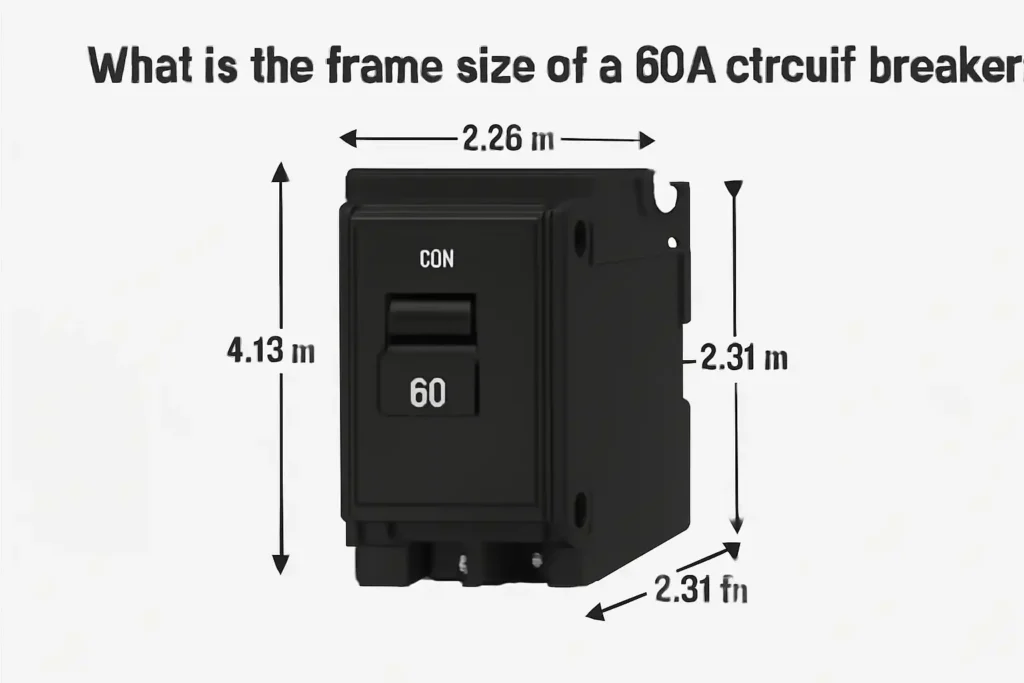
When you look at a 60a circuit breaker, you might notice that its frame size often reads 100 amps. This number shows the largest current the breaker housing can safely handle, not the amount that will trip the breaker.
Frame size tells you about the physical size and strength of the breaker, while the trip rating shows when it will shut off power.
Key Takeaways
- Frame size means how big the breaker is and the most current it can safely hold.
- Amp rating shows when the breaker will turn off to stop too much electricity.
- Picking the right frame size keeps your system safe and makes sure the breaker fits.
- Look at the breaker’s label and maker’s info to find the right frame size before you buy.
- If you are not sure, ask a licensed electrician for help and follow safety rules.
Understanding Frame Size in a 60A Circuit Breaker
What Frame Size Means
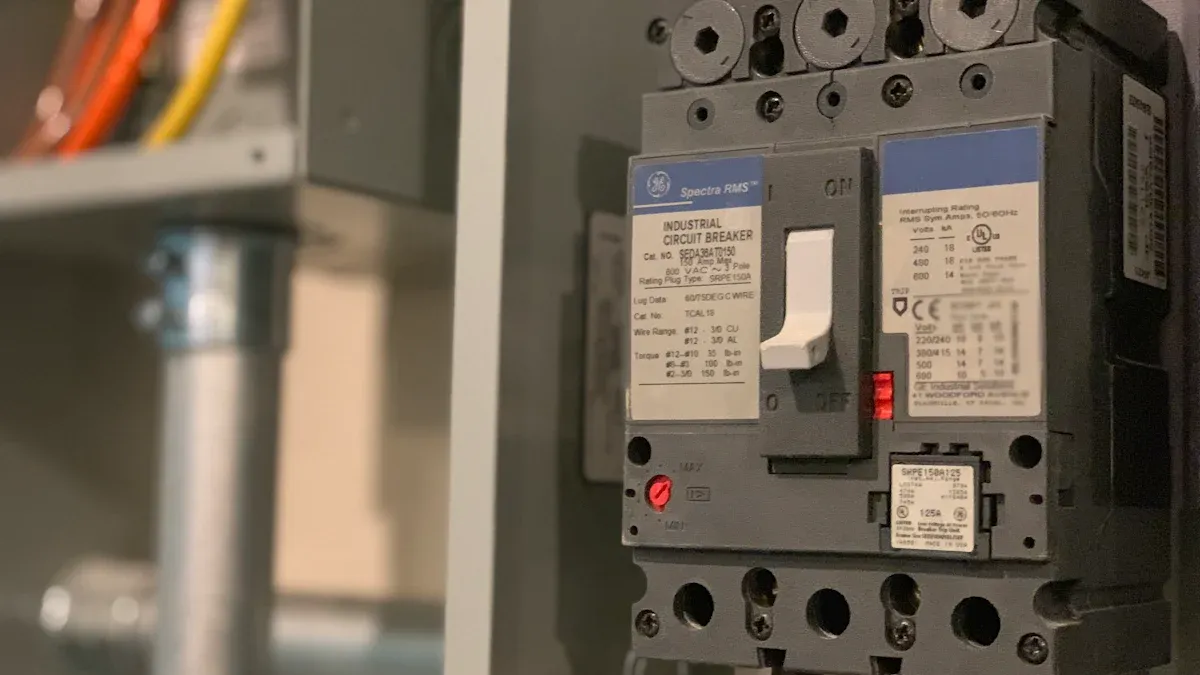
When you see the term “frame size” on a 60a circuit breaker, you are looking at more than just a number. Frame size tells you the physical size and shape of the breaker. It also shows the maximum amount of current the breaker’s body can safely handle. This number does not always match the breaker’s trip rating.
You can think of frame size as the foundation of the breaker. It sets the limits for how much current the breaker can carry and how it fits into your electrical panel. The National Electrical Code (NEC) gives rules for frame sizes based on current ratings. These rules help keep your electrical system safe and make sure breakers fit into panels the right way.
Here are some important points about frame size:
- Frame size defines the outer dimensions and the strength of the breaker.
- It sets the highest current the breaker’s body can handle, even if the trip setting is lower.
- The frame size affects how the breaker mounts in your panel.
- Inside the breaker, special parts like switch contacts, tripping mechanisms, and arc chutes are designed to match the frame size.
Note: The frame size groups breakers into families, such as P frame or R frame. Each family has its own limits and features.
Frame Size vs. Amp Rating
You might wonder how frame size is different from amp rating. These two terms sound similar, but they mean different things.
| Aspect | What It Means | Example |
|---|---|---|
| Frame Size | The largest current the breaker’s body can handle. | A 100A frame can hold trip units from 15A up to 100A. |
| Amp Rating | The actual current the breaker will carry before it trips. | A 60a circuit breaker trips if the current goes over 60 amps. |
| Trip-Current Setting | The adjustable point where the breaker will trip. | You can set some breakers to trip at different levels. |
| Derating | Lowering the amp rating if the temperature is high. | A 60A breaker may need to be set lower in a hot room. |
- Frame size is about the breaker’s body and its limits.
- Amp rating is about the breaker’s job—how much current it lets through before shutting off.
- You can have several amp ratings within the same frame size. For example, a 100A frame can hold breakers set to 60A, 80A, or 100A.
- The amp rating depends on your load and the environment. If the room is hot, you may need to lower the amp rating to keep things safe.
A 60a circuit breaker uses a frame size that matches or exceeds its amp rating. This design keeps your system safe and lets you choose the right breaker for your needs.
Common Frame Sizes for 60A Circuit Breakers
Manufacturer-Specific Frame Sizes
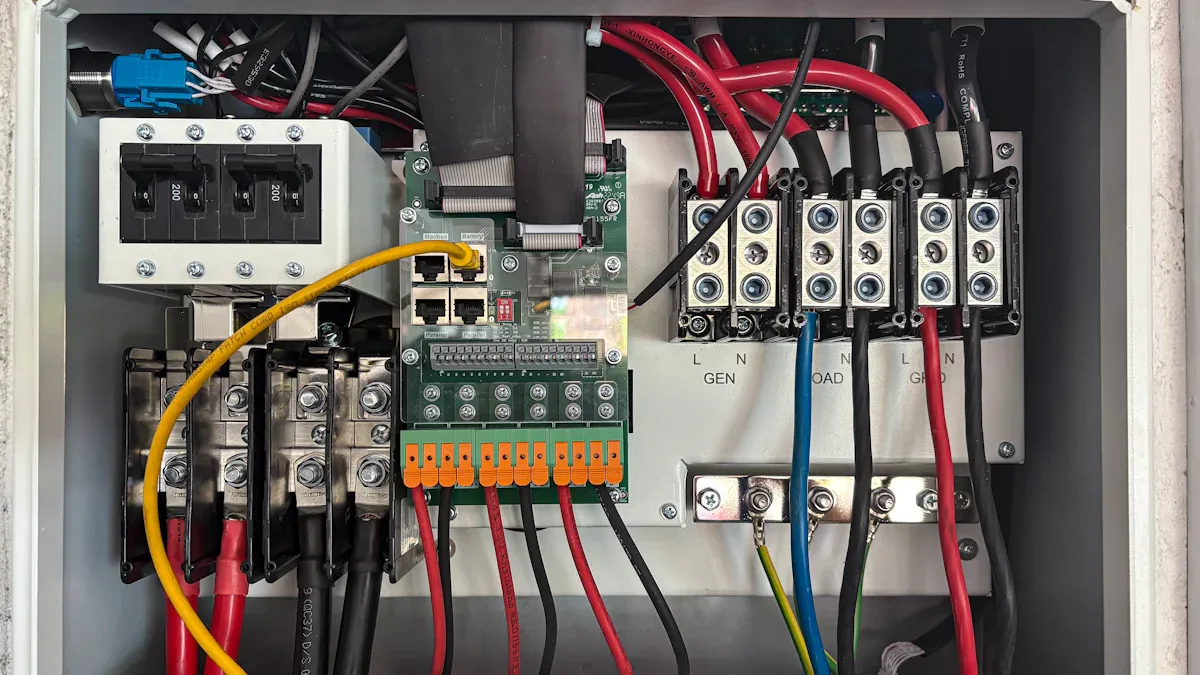
Different brands use their own frame size systems. This helps you pick the right breaker for your panel. For example, Benshaw has a 60A breaker with a 150 frame size. This breaker has three poles and works up to 600 volts. Siemens uses an LD frame for some 60A breakers. The LD frame fits certain Siemens panels only.
Brands also use special codes or names for frame sizes. Schneider Electric uses H, J, and L frames in its PowerPacT line. Each frame covers different current levels, including 60A. Some companies, like Carrier, may not show a frame size. Instead, they give the breaker’s measurements. Always check the data sheet to find the right frame size.
Here is a table with some frame sizes for 60A breakers:
| Manufacturer | Model | Frame Size | Poles | Voltage | Interrupt Rating | Dimensions (WxHxD) |
|---|---|---|---|---|---|---|
| Siemens | E1SED43B060 | ED | 3 | 480 Volt | 18 kAIC | 8.0 x 6.0 x 17 in |
| Square D (Schneider) | EGB24060 | E-FRAME | 2 | 277/480V | 35, 65 kAIC | 1.96 x 5.66 x 4.05 in |
Tip: Always check the frame size or size details before buying a breaker.
Residential vs. Commercial Applications
Frame sizes can change based on where you use the breaker. In homes, breakers are smaller. They fit small panels and handle less power. A home might use a 60A breaker with a frame size near 100A or less.
In stores or factories, breakers are bigger. They must handle more power and higher voltages. For example, Benshaw’s 60A breaker with a 150 frame size is for tough jobs. Siemens and Schneider also make big frame breakers for business use.
Here are some ways residential and commercial frame sizes differ:
- Home breakers are smaller and lighter.
- Business breakers are bigger and stronger.
- Business panels need breakers for more power and space.
Note: Always match the breaker’s frame size to your panel and power needs.
Examples of Frame Size Markings
You can often see the frame size on the breaker’s label or case. These marks help you know the breaker’s family and if it fits your panel. Some brands use codes like “ED,” “E-FRAME,” or “LD.” Others just list the size.
Here are some ways frame size markings look:
- Siemens: “ED” or “LD” on the label
- Square D: “E-FRAME” or “H-FRAME” on the case
- Benshaw: “150 FRAME” printed on the breaker
- Carrier: Only lists the size, not a code
Always check these marks before you put in a breaker. If you do not see a frame size, look for the size or ask the maker for help.
Remember: The frame size marking tells you the breaker’s family. It helps you choose the right one for your panel.
Importance of Frame Size for a 60A Circuit Breaker
Keeping Your System Safe
Pick the right frame size to stay safe. The frame size shows how much current the breaker can handle. If the frame is too small, it might get too hot. This can cause fires or break your equipment.
Safety Tip: Make sure the frame size matches your system. Never use a 60a breaker in a weak frame.
The right frame size helps the breaker shut off power when needed. It also stops dangerous currents before they hurt anything.
Fitting in Your Electrical Panel
Check if the frame size fits your panel. Each panel only takes certain frame sizes. If you pick the wrong one, it may not fit right. This can make loose wires or cause problems.
- Look at your panel’s label for allowed frame sizes.
- Use the maker’s guide to find the best fit.
- Ask an expert if you are not sure.
A good fit means your breaker works well. It also makes fixing or changing breakers easier later.
Following Safety Rules
Electrical codes have rules for frame sizes. These rules keep people and buildings safe. Using the right frame size helps you pass checks and follow the law.
| Code Rule | Why It Is Important |
|---|---|
| Right frame size | Stops overloads and danger |
| Approved breaker | Passes safety checks |
| Correct install | Needed for insurance |
Note: Local rules may be different. Always check before adding a new breaker.
Picking the right frame size for your 60a breaker keeps you safe. It also helps your breaker fit and follow the rules. This protects your home and everyone using power.
How to Find the Right Frame Size for a 60A Breaker
KC3-H-4-pole-circuit-breaker.webp)
Check Manufacturer Information
Start by looking at the maker’s instructions. These papers show the frame size and how to mount the breaker. Each breaker is made to fit certain panels and handle a set amount of power. The National Electrical Code (NEC) gives rules for frame sizes. It helps you pick the safe and correct breaker. You will also see details about inside parts like switches and trip parts. These must safely handle the breaker’s current.
Tip: Always read the label and info sheet before you buy.
Make Sure the Breaker Fits Your Panel
The breaker must fit your panel. Tools like PowerCalc help you check this. They figure out what your building needs. These tools look at load type, total load, and demand. They also help you pick the right breaker size, wire size, and frame size.
- PowerCalc uses lists to track loads.
- It checks if the breaker’s frame size fits the panel.
- The tool follows NEC rules to keep you safe.
- Wizards in the tool help you enter your panel’s info.
The frame size is the top limit for breaker amps. You can change the breaker’s amp rating with plugs, but the frame size must be big enough for your panel.
Ask a Licensed Electrician for Help
If you are not sure, ask an electrician. Electricians know how to read specs and NEC rules. They can check your panel and your power needs. They will help you pick the right frame size. This keeps your system safe and helps you avoid errors.
Note: An electrician can help you pass checks and follow local rules.
Picking the right frame size keeps your system safe.
Always read the maker’s guide and local rules first.
This helps you know if the breaker fits your panel.
It also makes sure you follow all safety rules.
Remember: The right frame size keeps your home safe and working well.
FAQ
What does the frame size of a circuit breaker indicate?
The frame size tells you how big the breaker is. It also shows the most current the breaker’s body can handle. This helps you know if it fits your panel and can carry enough power.
What is the difference between frame size and amp rating?
Frame size means how much current the breaker’s body can hold. Amp rating is the current that makes the breaker turn off. For example, a 100A frame can use 60A or 80A breakers.
What happens if you choose the wrong frame size?
If you pick the wrong frame size, the breaker may get too hot. It might not fit in your panel. This can cause safety problems. Always match the frame size to your panel and power needs.
What tools can help you determine the correct frame size?
Tools like PowerCalc look at your building’s power needs. They check what loads you have and how much power you use. These tools help you pick the right breaker and frame size.
What should you check before buying a circuit breaker?
Check the maker’s instructions and your panel’s needs. Look at local electrical rules too. This makes sure the breaker fits and is safe for your system.
The following is information that you may be interested in
How to choose the appropriate size of circuit breaker
What are the standard sizes of circuit breakers
What Fuse Size Is Best for a 200W Solar Panel
How to choose the size of the distribution board

Discover more from SENTOP Electrical Co., Ltd
Subscribe to get the latest posts sent to your email.