Automatic Transfer Switch Manufacturer for OEM and Project Supply
SENTOP supports automatic transfer switch model matching, product samples, drawings, controller requirement review and repeat-order coordination. Start with the power-system specification, then confirm the exact ATS ratings, class, poles, controller functions, documents and supply format before release.
What should an automatic transfer switch manufacturer help you confirm?
A useful ATS supplier should help turn a general request into an identifiable product and supply specification. That begins with the two sources and load, then moves through PC or CB class, current, poles, neutral design, short-circuit coordination, controller logic, installation and documents.
The final choice remains a project engineering decision. The manufacturer or supplier should provide clear model information so the panel builder, consultant, installer and buyer can verify that the same approved configuration appears in the quotation, drawing, sample and shipment.
Translate the application into an ATS specification
Clarify utility-to-utility or utility-to-generator operation, load continuity, voltage, current, poles and transfer logic.
Narrow the product and controller direction
Compare compact, molded-case, controller-equipped and generator-oriented ATS configurations.
Align the sample and technical documents
Confirm model code, nameplate, dimensions, terminals, controller interface, drawing and requested approvals.
Control the repeat-order identity
Keep product code, labels, packaging, quantity and shipment grouping tied to the approved project record.
Compare evidence, not only the unit price
A low quotation has limited value when the ATS class, controller functions, dimensions or required documentation remain unclear. Use these checkpoints to compare suppliers on the same project basis.
Power-system understanding
The supplier should ask about both sources, load type, current, available fault current, poles, neutral and continuity requirement.
Evidence: a complete technical clarification listExact product identification
The quotation should identify the complete ATS model, frame or rated current, class, poles, controller and supply form.
Evidence: model code and matching datasheetMechanical and wiring information
Dimensions, mounting, terminal arrangement, cable direction, controller terminals and auxiliary contacts should be reviewable.
Evidence: approved drawing or manualPre-production verification
A sample or first article can confirm the visible product, label, settings, accessories, terminals and packaging before a larger order.
Evidence: approved sample recordModel-specific compliance scope
Requested certificates and reports must be checked for product model, ratings, manufacturer identity, standard, issuing body and validity.
Evidence: documents tied to the exact modelRepeat-order control
Item code, label content, packaging, quantity, batch separation and change communication should be defined before release.
Evidence: confirmed order and packaging specificationFor technical scope, IEC 60947-6-1 covers transfer switching equipment, while UL Solutions lists automatic transfer switches within UL 1008 evaluation categories. A buyer should confirm which standard and document scope apply to the exact model and destination market.
Match the ATS family to the actual project
The product image is only the starting point. Final selection requires exact electrical ratings, class, controller functions, dimensions, interfaces and supporting documents.
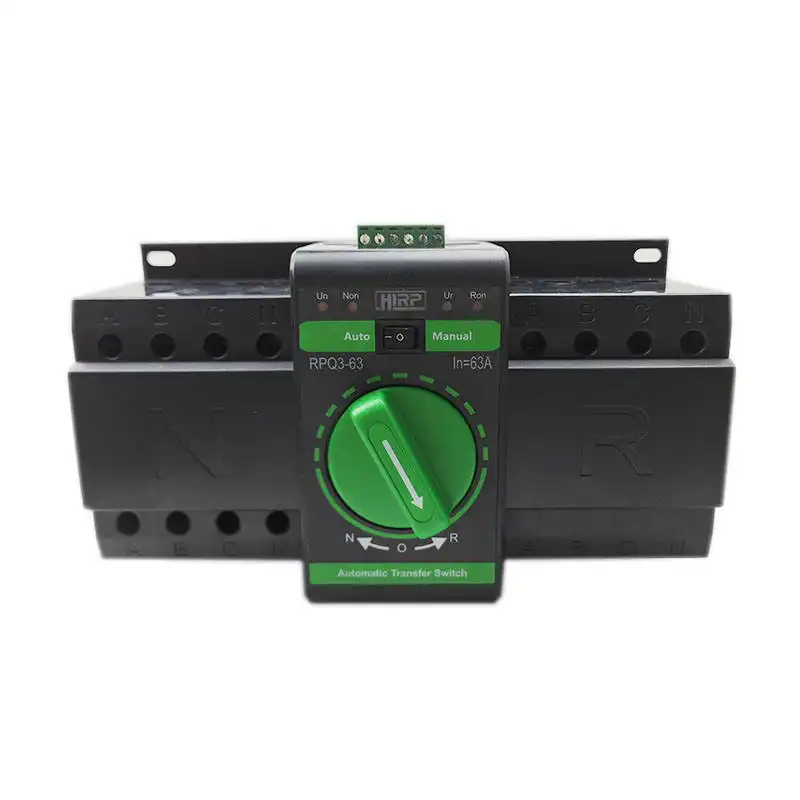
Compact Automatic Transfer Switch
A compact ATS direction for smaller distribution boards and equipment panels where installation space and basic automatic transfer functions must be coordinated.
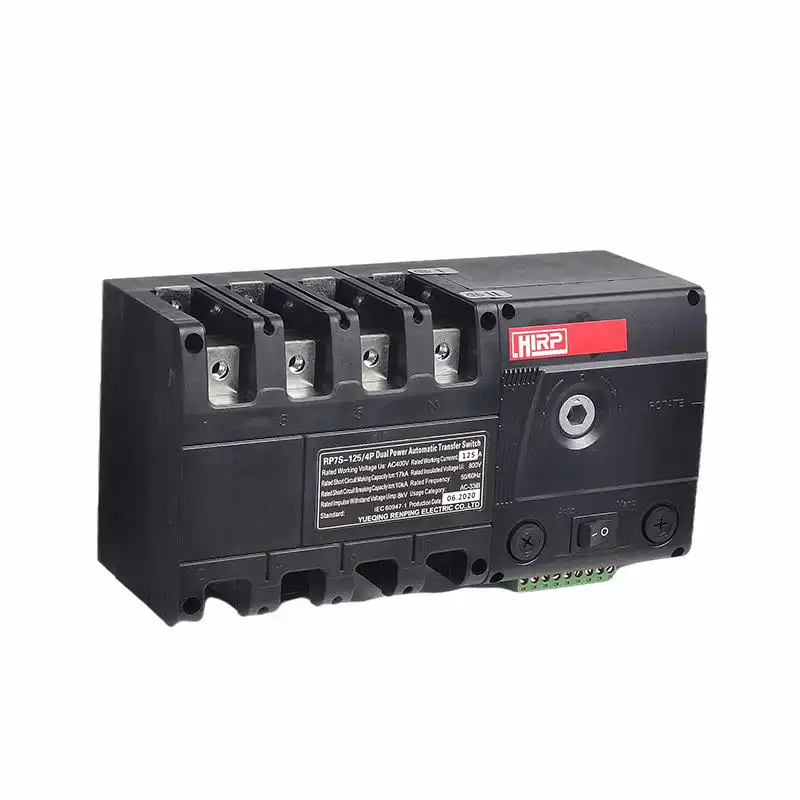
RP7S Automatic Transfer Switch
A molded-case direction for industrial and commercial distribution where current range, poles, class, short-circuit data and controller functions require coordinated review.
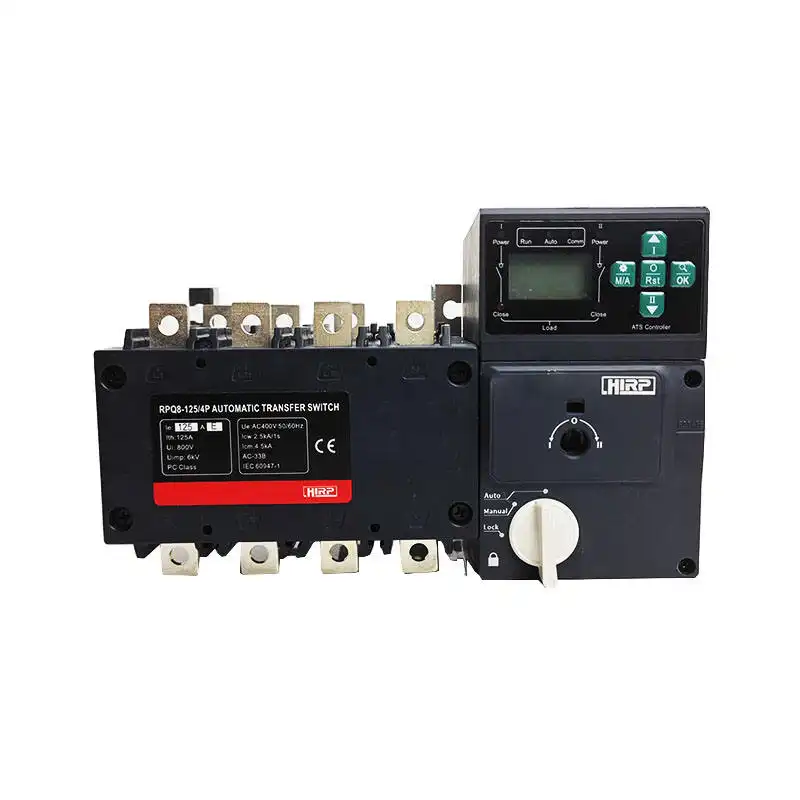
RPQ8 Automatic Transfer Switch
An industrial ATS direction for projects that need configurable source monitoring, transfer delays, operating modes, status indication and controller review.
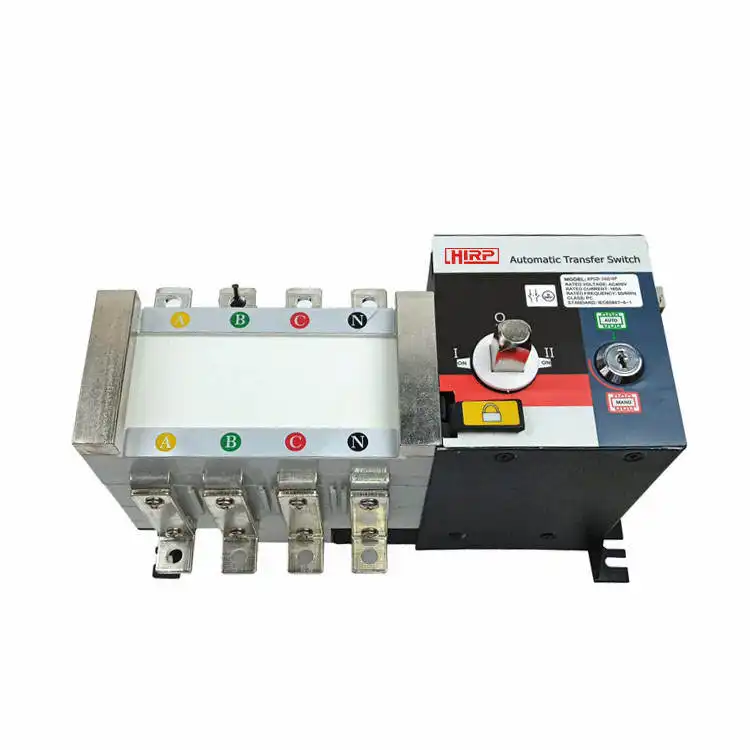
Generator Automatic Transfer Switch
A generator-oriented ATS direction for monitoring normal power, issuing a generator start contact, verifying the standby source and controlling transfer and retransfer.
Move from RFQ to shipment with controlled approval points
A disciplined supply process keeps the electrical specification, physical sample, controller configuration and commercial order aligned. The exact steps depend on project complexity and requested documentation.
Define the evidence needed before bulk-order approval
The buyer, manufacturer and panel builder should agree which characteristics will be checked and which records must be supplied. Do not rely on a generic “tested” statement when the project needs specific evidence.
| Release item | What should be aligned | Useful evidence | Buyer action |
|---|---|---|---|
| Product identity | Complete model, frame and rated current, voltage, frequency, poles and switching class | Nameplate image, datasheet and order code | Approve one exact configuration |
| Power switching mechanism | Source positions, interlocking, manual operating provision and model-specific sequence | Drawing, manual and sample inspection | Compare with the system sequence |
| Controller configuration | Source sensing, delays, operating modes, generator contact, alarms, I/O and communication | Controller specification and agreed setting list | Approve required functions and defaults |
| Dimensions and terminals | Outline, mounting, cable direction, conductor capacity and auxiliary terminals | Dimensional and wiring drawing | Check panel space and wiring design |
| Compliance documents | Standard, edition, model scope, rating scope, manufacturer identity and issuing body | Certificate or report supplied for review | Verify acceptance for the destination market |
| Labels and packaging | Product label, carton label, item code, quantity, manuals, accessories and batch grouping | Approved artwork and packing specification | Release the customer-facing information |
| Change control | Any approved change to model, controller, material, label, document or packaging | Written change notice and revised approval record | Review before the next shipment |
Important: The final electrical design, installation, commissioning and acceptance remain the responsibility of qualified project personnel. Manufacturer documents support the decision but do not replace the system study or local requirements.
Choose the supply route from the level of project control
Not every order needs custom labels or a dedicated approval process. Separate standard product supply from recurring OEM or panel-builder requirements so the quotation includes only the controls the project actually needs.
Confirmed Standard Model
Use a published or established ATS configuration where the standard model, controller, label and packaging already satisfy the application.
Recurring Project Supply
Use a controlled project record when repeat orders need customer item codes, agreed labels, grouped packaging, drawings or documented configuration details.
Match manufacturer support to the buyer and application
Different buyers need different information from an ATS manufacturer. A panel builder may prioritize drawings and terminals, while a distributor may need model separation and repeatable packaging.
Panel builders
Integrate the ATS into a distribution panel with defined dimensions, terminals, controller I/O and wiring drawings.
Prioritize drawings, mounting and interface dataElectrical distributors
Build a clear range by application and keep model, packaging and supporting information consistent across orders.
Prioritize model structure and repeat supplyGenerator system suppliers
Coordinate utility sensing, generator start contact, source-available logic, transfer, retransfer and cool-down needs.
Prioritize controller sequence and neutral designIndustrial OEMs
Use an approved ATS configuration inside repeatable machinery or electrical equipment production.
Prioritize approved BOM identity and change controlCommercial projects
Match ATS functions to selected building loads, fire interface, monitoring and project documentation.
Prioritize specification and approval scopeReplacement buyers
Compare an existing model, nameplate, dimensions, terminals, wiring and controller functions before substitution.
Prioritize photos, drawings and exact dimensionsSend enough information for a comparable ATS quotation
A clear RFQ helps you compare suppliers on the same technical and commercial scope. Unknown details can be marked for clarification instead of guessed.
Describe the electrical system
Two sources, voltage, frequency, phase, load current and type, fault-current information, poles and neutral.
Define ATS functions
PC or CB direction, transition, sensing, delays, generator start, alarms, remote I/O, communication and enclosure.
Define the supply program
Quantity, destination, standards, documents, sample, labels, packaging, target date and repeat-order expectation.
Keep the approved ATS visible through the complete supply cycle
A model can be technically suitable but still cause project friction when its label, controller, terminals, drawing or packaging differs from the approved record. Use the same identity at each release point.
Continue from supplier evaluation to product selection
Questions to ask before selecting a supplier
Use these answers to prepare a technical and commercial comparison between ATS manufacturers or suppliers.
How do I choose an automatic transfer switch manufacturer?
Compare the supplier's ability to clarify the system, identify an exact model, provide usable technical documents, support a sample or first article and keep labels, packaging and repeat orders aligned. Price should be compared only after the technical and supply scope is consistent.
What information should I send to an ATS manufacturer?
Send the source arrangement, voltage, frequency, phase, load current and type, poles, neutral and grounding design, available fault-current information, PC or CB direction, controller functions, installation, destination, documents, quantity and target date.
Can an ATS manufacturer help replace an existing model?
Model matching can begin from the complete nameplate, front and rear photos, dimensions, mounting, terminals, wiring diagram, controller functions, voltage, current, poles, protection and required quantity. Equivalence must be confirmed rather than assumed.
Should I request an ATS sample before a bulk order?
A sample or first article is useful when the project needs to verify physical dimensions, terminals, labels, controller functions, accessories, packaging or other agreed details. Define the approval checklist before receiving the sample.
What should I verify on an ATS certificate or test report?
Check the exact product model or covered series, ratings, standard and edition, manufacturer identity, issuing organization, report or certificate number, validity and whether the destination market or project accepts that document.
Can SENTOP support OEM automatic transfer switch supply?
SENTOP can discuss recurring requirements for ATS model configuration, customer item codes, labels, drawings, packaging, product identification and project-grouped supply. The exact scope should be confirmed during quotation and sample approval.
What is the difference between PC and CB class ATS?
The two directions have different switching and short-circuit behavior. The project should confirm class, utilization category, short-circuit ratings, protection arrangement and the exact model data instead of selecting by enclosure appearance.
How can repeat ATS orders stay consistent?
Keep one approved record covering model code, ratings, controller, options, labels, drawings, certificate scope, packaging and customer item code. Require written review before approving a change to that record.
Does a manufacturer quotation confirm final system suitability?
No. The quotation and technical documents support product selection, but qualified project personnel remain responsible for the electrical design, protection coordination, installation, commissioning and compliance with local requirements.
Send your ATS specification, model, drawing or sample requirement
SENTOP can review automatic transfer switch requirements for model matching, replacement, samples, panel builders, distributors, OEM equipment and recurring project orders.