
Digital Panel Meter Manufacturer: How to Choose the Right Partner
A reliable digital panel meter manufacturer does more than supply a display. The manufacturer should help match the electrical signal, CT/VT or shunt input, panel dimensions, measurement functions, accuracy evidence, RS485 integration and sample approval to one identifiable model. This guide explains how to evaluate that support and where SENTOP fits your project.
A reliable manufacturer should make the specification repeatable. SENTOP helps review the input, CT/VT or shunt scaling, panel fit, required functions, communication and sample approval.
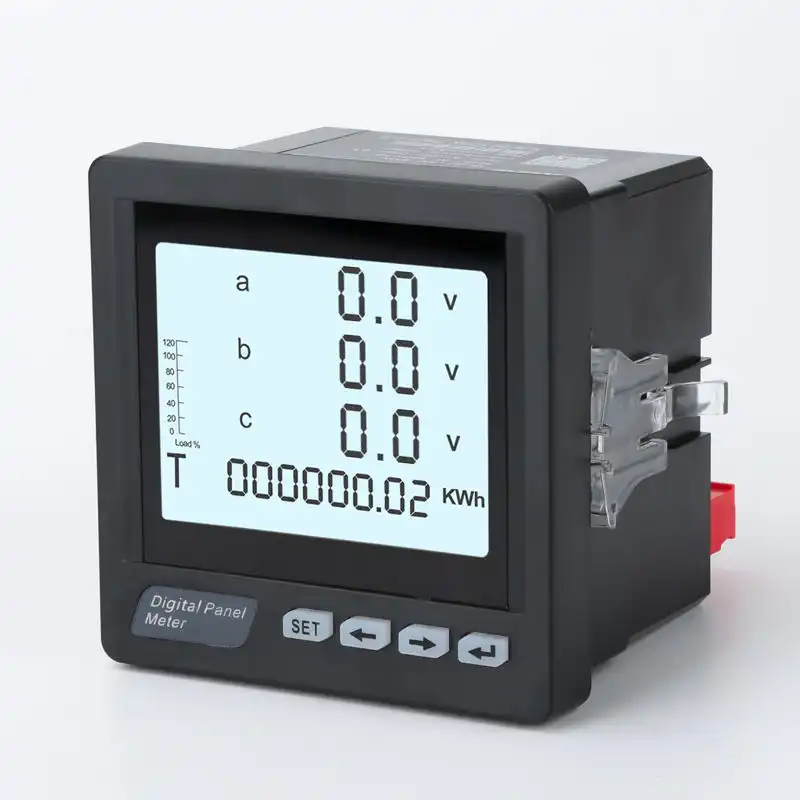
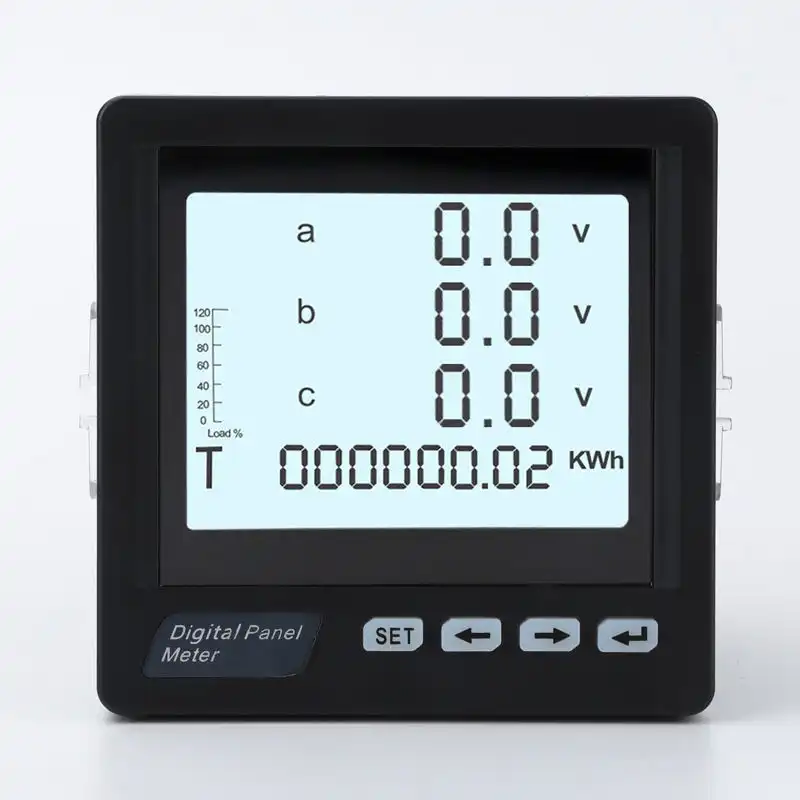 SENTOP three-phase multifunction meter direction. Exact functions, inputs and ratings must be confirmed by model.
What happens between the electrical circuit and the number on the display?
A digital panel meter receives an electrical signal, conditions that signal, converts it into digital data, applies the configured scaling or calculation and then presents the result locally or through communication. That simple description explains why front appearance alone is a poor way to compare products.
A meter measuring current through a 5 A current transformer input is not interchangeable with one designed for a millivolt shunt. A three-phase multifunction meter also needs the correct phase and wire configuration before its calculated power values can be meaningful.
The manufacturer conversation should therefore begin with the circuit and the decision the buyer wants to make, not with a generic request for a “96 × 96 digital meter.”
Primary electrical quantity
Voltage, current, frequency, power, energy or another supported process value exists in the monitored circuit.
Input and signal conversion
The meter receives a direct signal or a reduced signal from a CT, VT, shunt or transducer.
Sampling and digital calculation
Internal electronics convert the signal and apply model-specific scaling, RMS, power or energy calculations.
Display, alarm or communication
The result appears on the display or becomes data for a relay, pulse output, PLC, gateway or monitoring system.
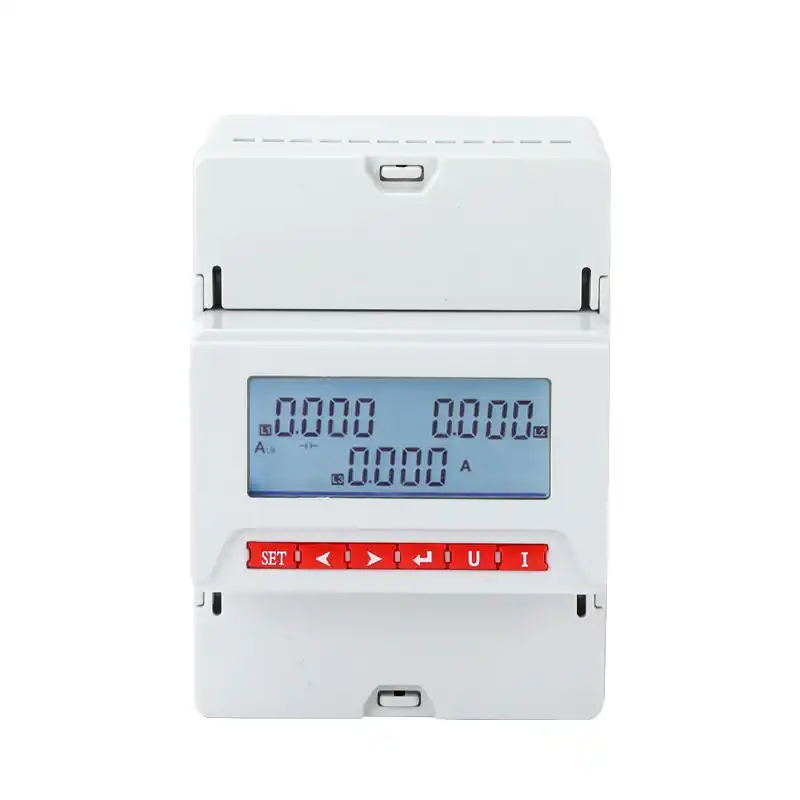
Six parts buyers should identify before asking for a quotation
Product pages often emphasize the display. A procurement-ready review also needs the rear terminals, input method, power supply, mounting data, configured functions and communication documents.
Readable information
LED or LCD, digit count, backlight, pages, symbols and the values an operator needs to see.
Accepted signal
Direct voltage or current, CT/VT secondary, shunt, transducer or another model-specific input.
Powering the meter
Supply range and terminals must be distinguished from the measured circuit where applicable.
Front, cutout and depth
Confirm the complete outline, panel opening, clip method and clearance behind the panel.
More than an RS485 label
Protocol, baud, address, parity, register map, data type and scaling determine integration.
Control and data functions
Relay, pulse, analog and digital I/O options must be defined by exact model and project need.
Which digital panel meter type fits the measurement task?
The categories below are practical buying directions rather than universal product definitions. A manufacturer should map the chosen direction to an exact model and documented input.
| Meter direction | Best fit | Typical input question | Functions to confirm | Manufacturer evidence |
|---|---|---|---|---|
| Digital voltmeter | Local voltage indication for equipment, distribution or control panels. | AC or DC, direct range or VT input, single or three-phase system. | Range, display resolution, supply, alarm or communication. | Input specification, wiring diagram, accuracy and cutout drawing. |
| Digital ammeter | Current indication for feeders, loads, machines or DC circuits. | Direct input, CT secondary or DC shunt signal and ratio. | Number of phases, scaling, polarity, overload and display. | CT/shunt compatibility, ratio range and terminal diagram. |
| Multifunction panel meter | Several electrical quantities at one panel position. | Single-phase, 3P3W or 3P4W; direct voltage and CT/VT arrangement. | Voltage, current, frequency, power, power factor, energy and demand as required. | Parameter list, accuracy by function, wiring and configuration guide. |
| RS485 panel meter | Remote monitoring through a PLC, gateway, BMS, EMS or SCADA system. | Physical interface plus protocol and system architecture. | Modbus RTU or other protocol, register map, settings and supported data. | Protocol document, exact register table and integration sample. |
| Alarm or output meter | A panel requires local indication plus a threshold, pulse or retransmitted signal. | Output type, rating, isolation, control logic and receiving device. | Relay, pulse, analog output, hysteresis, delay and reset behavior. | Output circuit specification and a functional sample test. |
Examples from established manufacturers also show why “panel meter” is a broad category: official product lines can differ by measured signals, CT inputs, communications, I/O modules and mounting formats. Use competitor specifications to understand the questions, then verify the exact SENTOP model independently.
Eight proof points that separate a quotation from a supply solution
This checklist is intentionally practical. A manufacturer does not need the same answer for every project, but it should be able to show how the exact quoted meter will be identified, installed, tested and reordered.
Application understanding
Can the supplier explain what is measured, how the signal reaches the meter and which electrical system is involved?Ask for: completed selection record
Complete model identity
Does the quotation name the display, size, input, supply, communication, output and configured option?Ask for: model-code explanation
Installation information
Can engineering receive the outline, cutout, depth, terminal arrangement and wiring diagram before panel release?Ask for: drawing and wiring file
Measurement evidence
Are accuracy, range and reference conditions stated for the specific quantities that matter to the application?Ask for: model datasheet and test scope
Communication clarity
For connected meters, are protocol, serial settings, registers, data types and scaling available before integration?Ask for: exact protocol document
Sample approval plan
Are the dimensional, electrical, display, communication, output and label checks agreed before the sample is tested?Ask for: first-article checklist
Model-specific compliance
Can the supplier show which model, standard, market and intended use are covered instead of presenting a generic logo?Ask for: relevant document and model scope
Repeat-order control
Can purchasing reference the approved options, settings, communication file, artwork, packaging and revision later?Ask for: controlled approval reference
Look for a controlled path from electronics to the installed panel
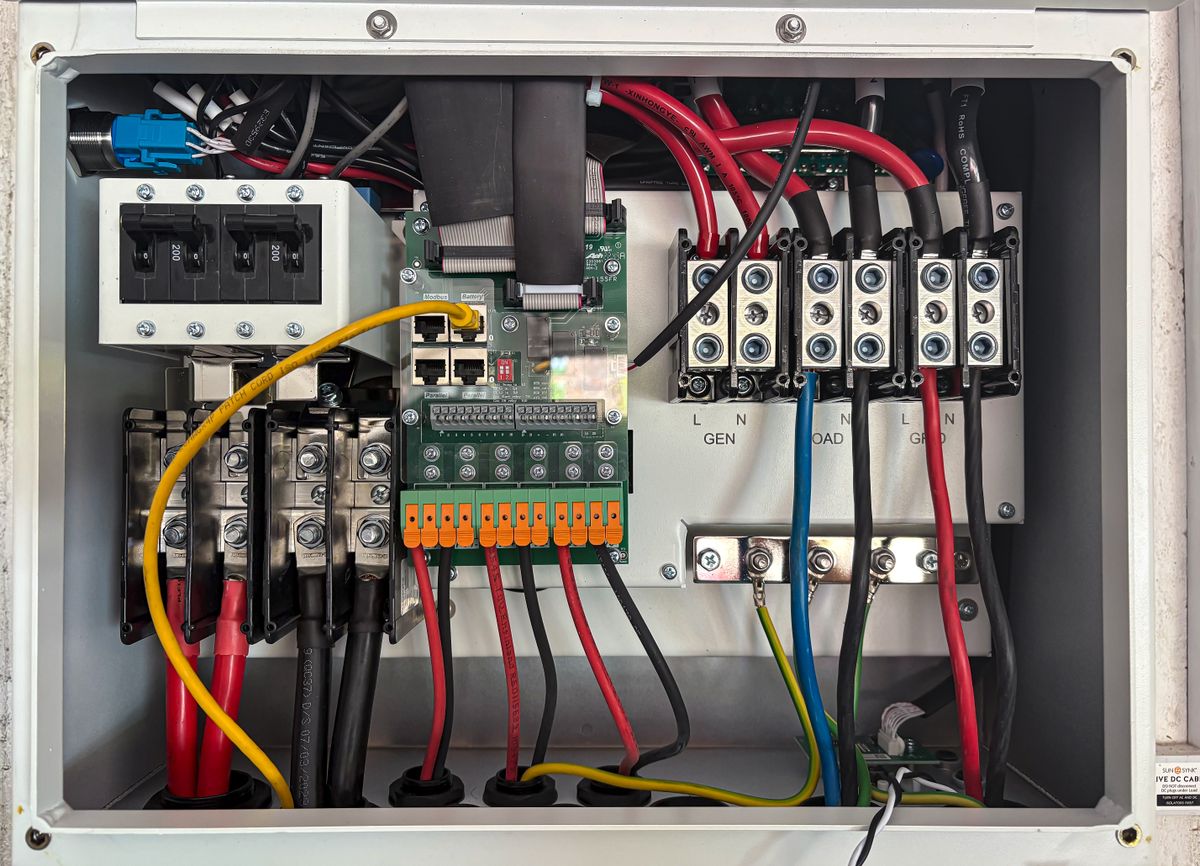
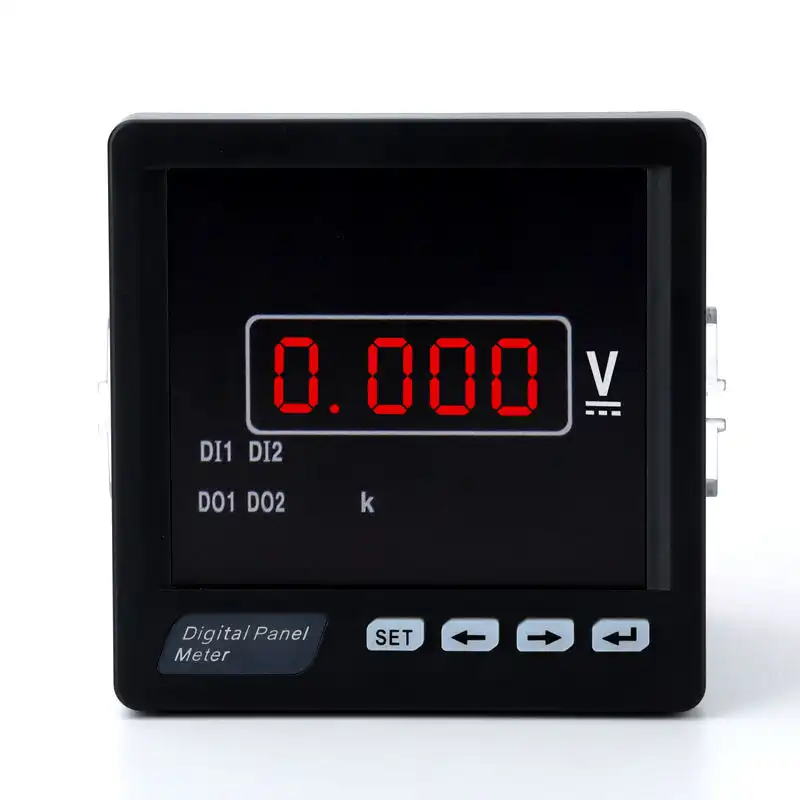
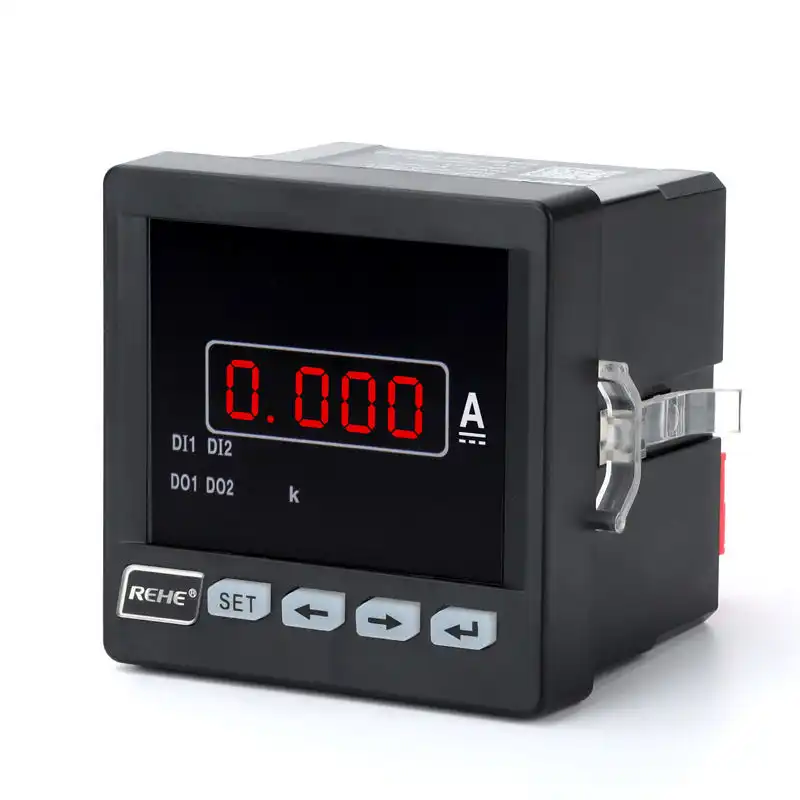
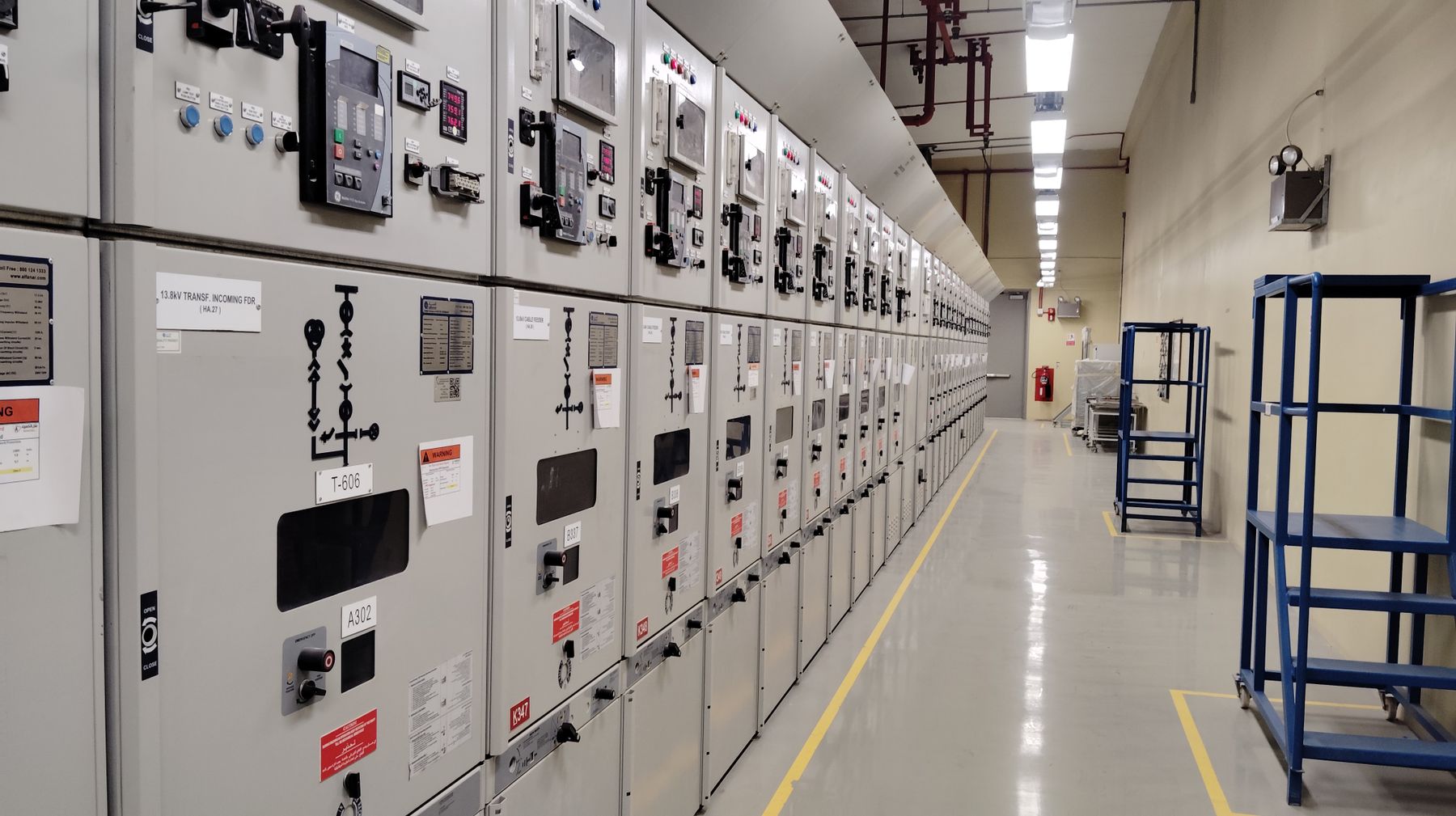
The following licensed industry images illustrate three different parts of the buyer's evidence chain. They are educational context, not photographs of SENTOP facilities. Ask any supplier to document the processes and checks that apply to the exact meter being quoted.


Choose a supply partner that starts with the measurement requirement
SENTOP's role is to help buyers move from an application, existing model or panel drawing to a meter direction that can be technically confirmed. The value is not a broad “best manufacturer” claim; it is a clearer path to the model, sample and repeat-order information your team needs.
Find a starting meter direction in three questions
This tool narrows the conversation; it does not replace a datasheet or engineering review. Use the result to prepare a more useful inquiry.
Confirm before ordering: exact input, nominal range, CT/VT/shunt ratio, auxiliary supply, cutout, accuracy, protocol, outputs and model documentation.
Move from the application to a focused product conversation
Instead of presenting every model as equal, these routes show where a dedicated, three-phase, DC or connected meter discussion should begin.
Digital voltmeter or ammeter direction
Use this route when operators need one primary electrical value with a clear local display. It can be suitable for machine panels, power supplies and basic distribution monitoring when the input and range are known.
DC current or voltage meter direction
Use this route for DC equipment, charging, battery, rectifier or power-supply panels. The meter and any external shunt form one measurement system, so signal type and polarity matter.
Three-phase digital ammeter direction
Use this route when a panel needs local current values for three phases. The CT ratio, secondary current, number of transformers, phase assignment and wiring determine compatibility.
Three-phase multifunction or RS485 meter direction
Use this route when the project needs several electrical quantities, remote data, alarms or system integration. Start with the required parameters and integration architecture rather than the communication label alone.
Monitoring and billing are not the same purchasing requirement
A digital panel meter can support operational monitoring without automatically being suitable for regulated energy billing. State the purpose first, then review the standard, accuracy class, model scope and destination-market rules that actually apply.
Accuracy belongs to a function, range and set of reference conditions.
A multifunction meter may have different performance statements for voltage, current, power and energy. The external CT or VT and the installation also influence the complete measurement result.
IEC 61557-12 covers power metering and monitoring devices used for measuring and monitoring electrical quantities in distribution systems. Confirm whether the selected product and function fall within the relevant scope.
IEC 62053-22 addresses particular requirements for specified classes of transformer-operated static active-energy meters. Billing use can also involve regional approvals and legal metrology requirements.
The Modbus Organization specifications separate the application protocol from serial-line implementation guidance. An RS485 port alone does not define every communication behavior needed for interoperability.
Ask for model-specific declarations, reports or certificates and verify the covered model, options, standard edition, issuer, validity, intended use and destination market before relying on a compliance statement.

Turn “the sample looks good” into a repeatable acceptance record
A sample is most useful when it tests the same configuration named in the quotation and future purchase order. Agree the acceptance points before testing begins.
Match the displayed or transmitted value to a real operating decision
Give SENTOP enough information to compare the right configuration
A useful inquiry does not need to be long, but it should remove the major electrical and commercial ambiguities. Attach an existing label, wiring diagram, panel drawing or single-line diagram when available.
Verify the principle, then verify the exact product
These references support the selection logic and standards discussion. Competitor examples are included only to show how widely panel-meter inputs, functions, communications and options can vary.
IEC 61557-12: Power metering and monitoring devices
Official scope reference for PMDs used in electrical distribution systems.
Open IEC referenceIEC 62053-22: Static active-energy meters
Official particular requirements for specified transformer-operated active-energy meter classes.
Open IEC referenceProtocol and serial-line specifications
Official specifications distinguish application-layer functions from serial-line implementation.
Open Modbus specificationsAccuenergy EV300 panel meter
An official product example showing that CT inputs, Modbus RTU, I/O and energy functions are configuration decisions.
Review official exampleRed Lion PAX2 panel meters
An official portfolio example illustrating different input types, display functions and option-card directions.
Review official exampleDigital panel meter product category
Continue from the manufacturer guide to the SENTOP product directions and model conversation.
View SENTOP meter categoryQuestions buyers ask before choosing a supplier
The answers below establish a useful starting point. Final selection still depends on the exact model documents, circuit, installation and destination-market requirements.
What does a digital panel meter manufacturer provide beyond the meter itself?
A useful manufacturer should help connect the application to an identifiable configuration. That includes the measured parameters, AC or DC input, phase system, direct input or CT/VT/shunt scaling, panel dimensions, auxiliary supply, display, communication, outputs, documentation, sample approval and repeat-order reference.
How should I compare digital panel meter manufacturers?
Compare their ability to explain the model code, provide model-specific drawings and wiring data, support a sample test, document communication and output options, show which standards apply to the exact product, control labels and packaging, and reproduce the approved configuration. A low price without these controls can create more work during installation and replacement.
What is the difference between a digital voltmeter, ammeter and multifunction panel meter?
A digital voltmeter is dedicated to voltage indication, while a digital ammeter measures current through a direct input, current transformer or shunt depending on the design. A multifunction panel meter can combine several quantities such as voltage, current, frequency, power, power factor or energy. The available measurements and accuracy are model-specific.
What information should I send to SENTOP for model matching?
Send the electrical system, measured quantities, nominal ranges, AC or DC, single-phase or three-phase wiring, CT/VT/shunt details, panel cutout, auxiliary supply, accuracy requirement, display, RS485 or output needs, quantity and destination. Existing model codes, front and rear photos, terminal markings and wiring diagrams are especially useful for replacements.
Why do CT, VT and shunt details matter when selecting a panel meter?
These devices convert the primary circuit value into a signal the meter can accept. The meter input, ratio settings, polarity and wiring must match the external CT, VT or shunt. Two meters with the same front size can still be electrically incompatible.
Does an RS485 port automatically mean the meter will work with my system?
No. RS485 describes the physical communication interface, while integration also depends on the protocol, baud rate, address, parity, data format, register map and parameter scaling. Request the communication document for the exact model and test it with the intended PLC, gateway or monitoring software.
What should be checked during digital panel meter sample approval?
Check the complete model code, front size, cutout and depth, terminal arrangement, wiring, auxiliary supply, display readability, input scaling, CT/VT or shunt settings, measured values against a suitable reference, communication registers, alarm or output behavior, labels, instructions and packaging.
Can SENTOP support OEM digital panel meter projects?
Suitable branding, model labels, parameter labels, manuals and packaging can be reviewed for project and repeat-order supply. Feasibility depends on the meter, requested changes, quantity, destination requirements and approval process. The agreed scope should be recorded before production.
Can every digital panel meter be used for energy billing?
No. A meter intended for panel monitoring is not automatically approved for legal or revenue billing. Billing applications can require specific accuracy classes, standards, approvals and local metrology rules. State the intended use and destination market before selecting the meter.
How can a repeat order stay consistent with the approved sample?
Use the complete model and option code, configured ratios, communication file, approved label artwork, packaging reference and revision date. Purchasing should order against this controlled reference rather than a short description such as three-phase meter.
Can SENTOP help replace an existing digital panel meter?
SENTOP can review a replacement direction from the existing model code, photos, dimensions, cutout, terminal layout, wiring, input signal, power supply and required functions. A sample should be checked when the original data is incomplete or the new model is not a direct documented equivalent.
What documents should I request from a digital panel meter supplier?
Depending on the application, request the datasheet, model-code explanation, outline and panel-cutout drawing, terminal or wiring diagram, operating instructions, communication protocol and register map, model-specific declarations or test evidence, and approved label and packaging references.
Choose the meter specification first, then choose the supply route
Send SENTOP your application, existing model, electrical data, drawing or sample requirement. The review can begin from the information you already have and identify what still needs confirmation.