SENTOP Navigation - Focused Product Menu
SENTOP Electrical Co., Ltd | Low Voltage Electrical Equipment Manufacturer OEM/ODM Support | Bulk Supply | Global Shipping

Combined Terminal Block Manufacturer

COMBINED TERMINAL BLOCK SOLUTIONS

Combined Terminal Block Manufacturer

TBC, TBR, TBD, TK, TA and TIN Series

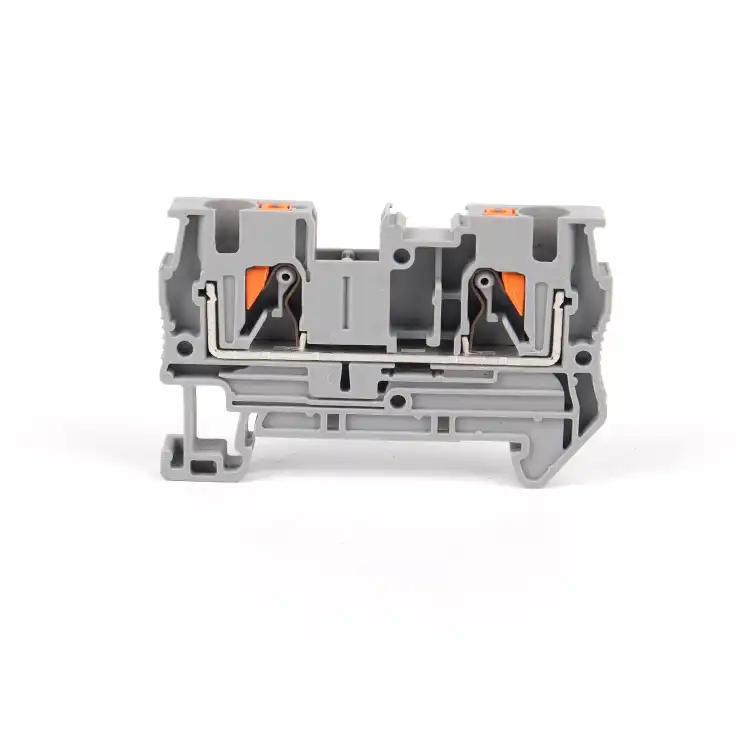
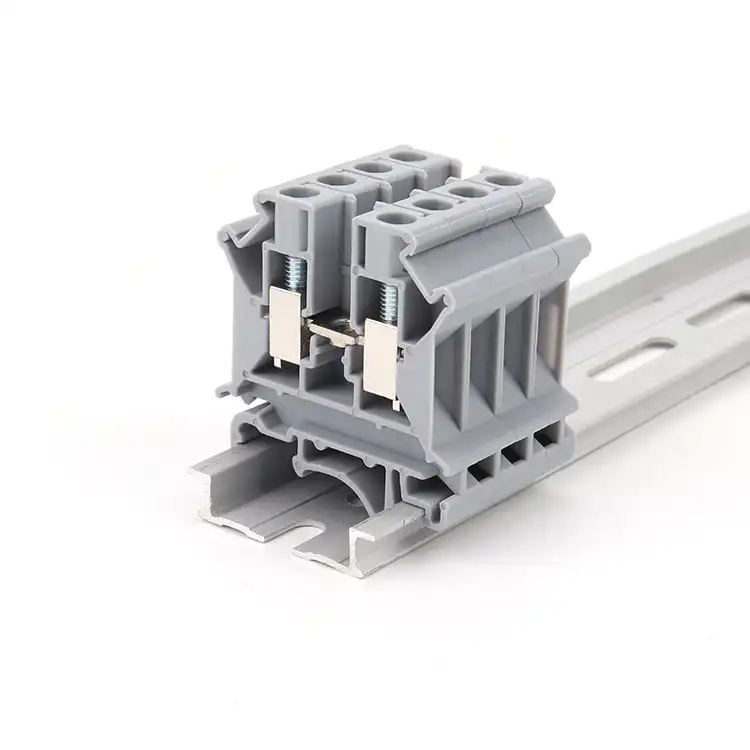
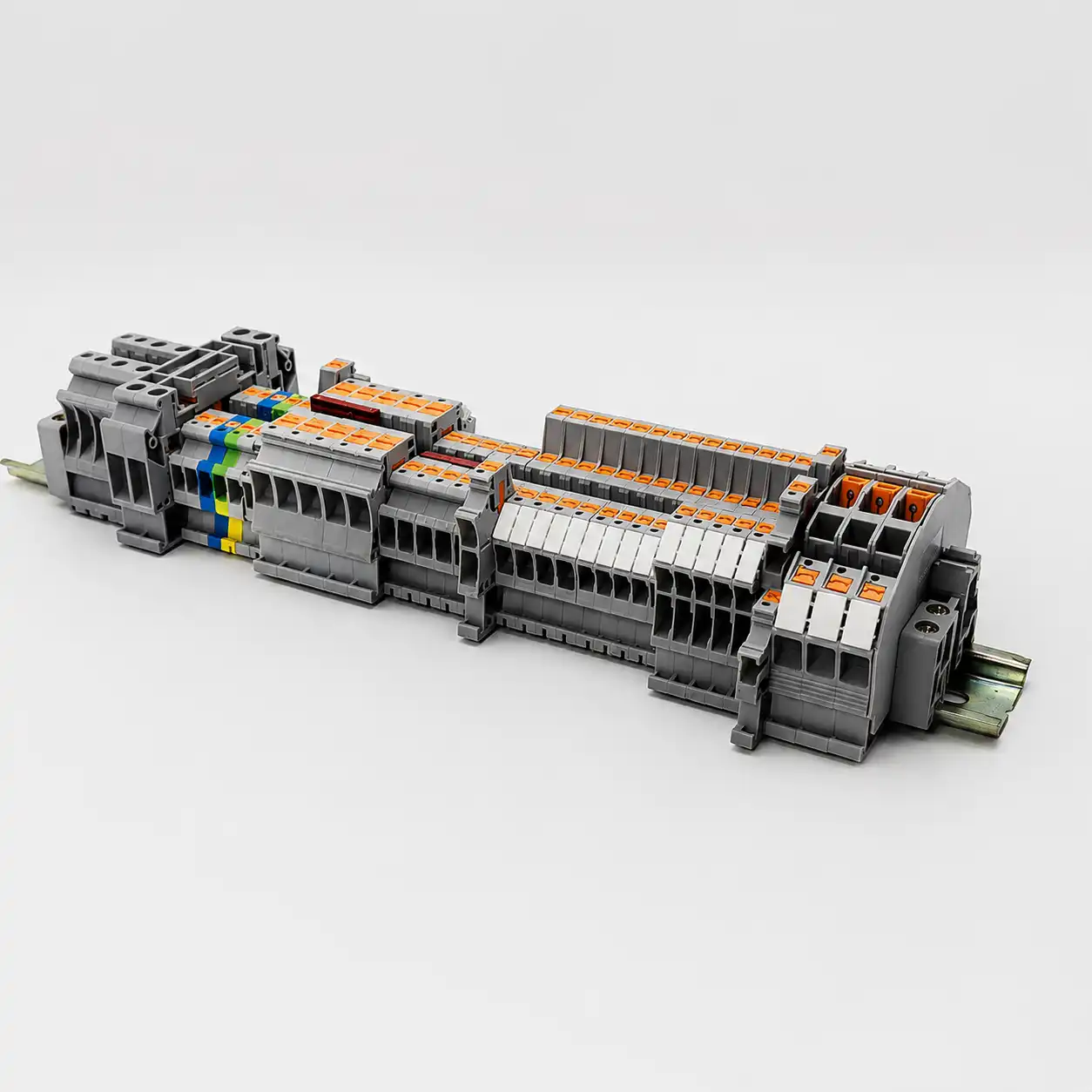
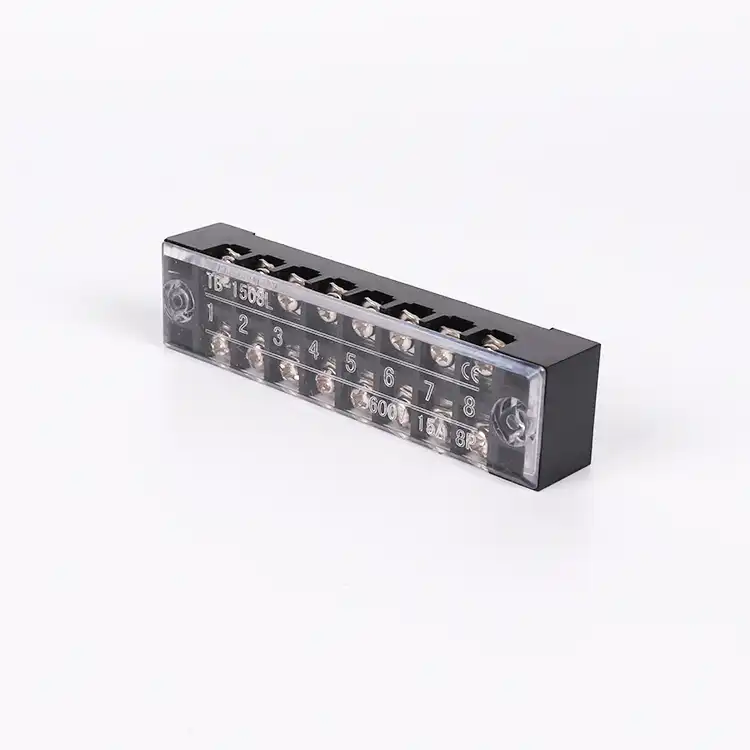
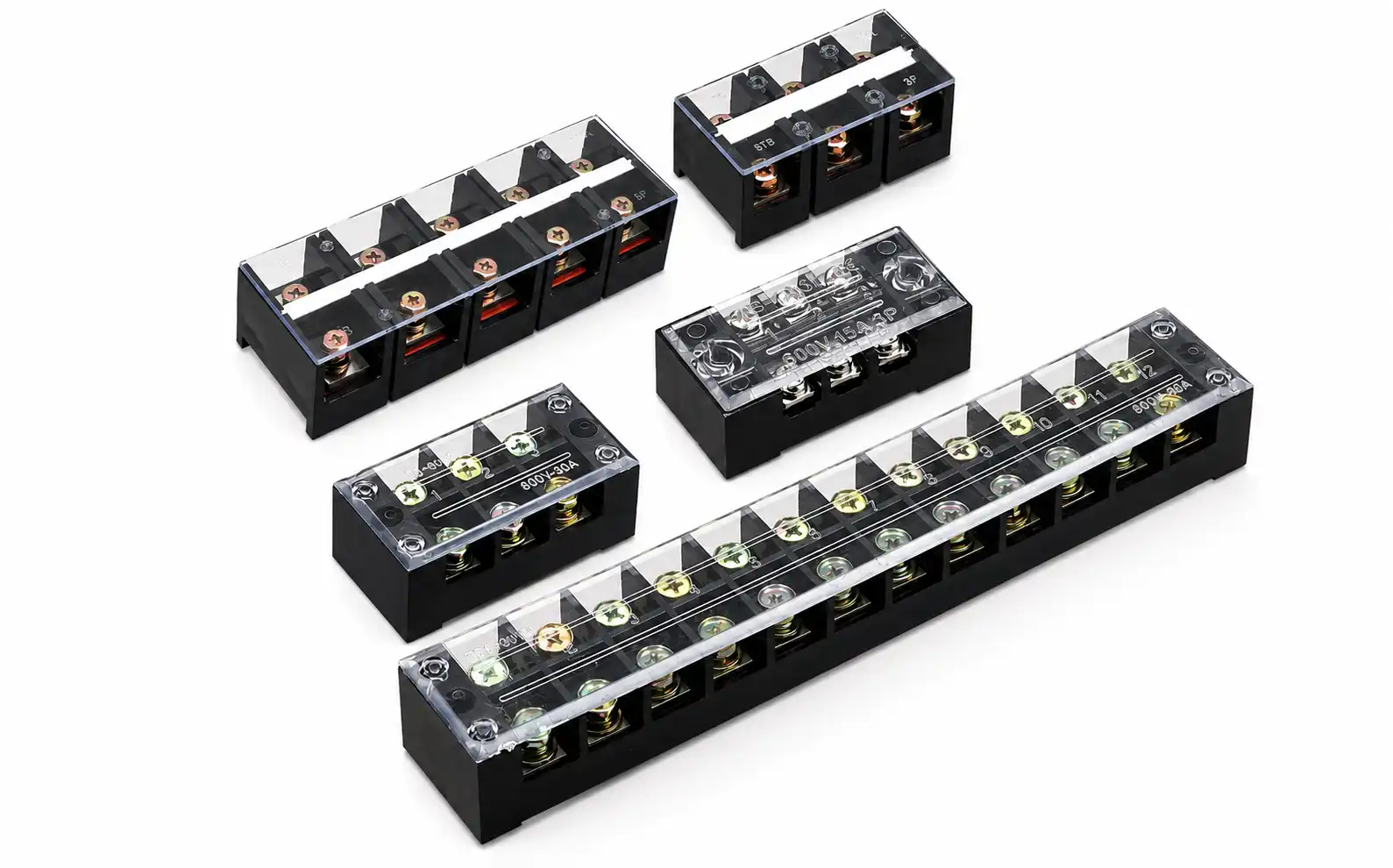
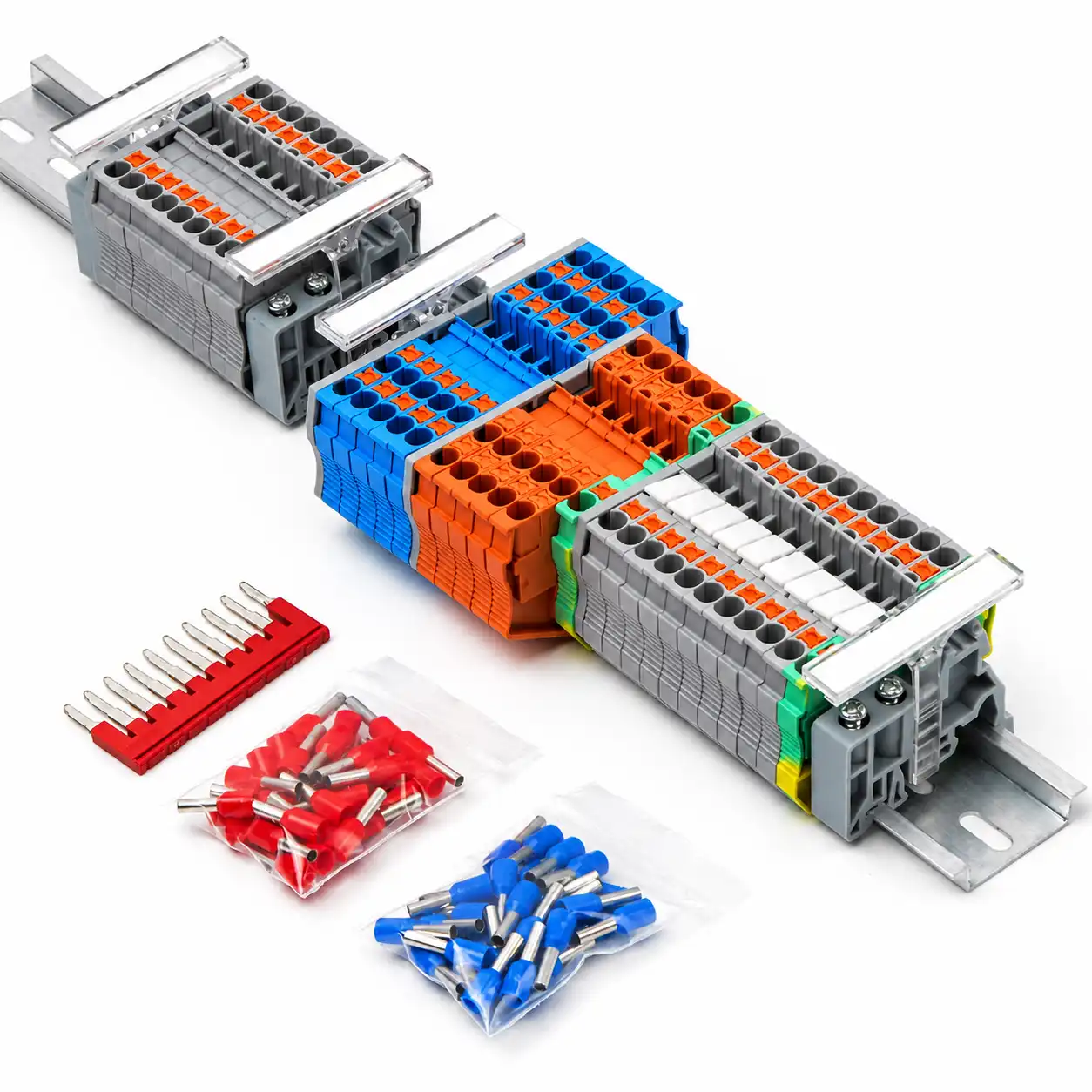
SENTOP supplies combined terminal blocks for industrial control panels, electrical machinery, power distribution equipment and project-based wiring systems. Our product range covers TBC, TBR, TBD, TK, TA and TIN series with different current levels, pole configurations, mounting structures and protective options.

Six Product Series TBC, TBR, TBD, TK, TA and TIN
Multiple Specifications Different current, wire and pole options
Model Matching Replacement review based on product details
Complete Project Supply Terminals, accessories and mixed BOM orders
Request Model Matching
Send your model, product photo, current requirement, wire size or BOM.
Individual Models Mixed-Series Orders Matching Accessories OEM Packaging
COMBINED TERMINAL BLOCK RANGE Six Series for Different Wiring Requirements
TBC TBR TBD TK TA TIN
Manufacturer Supply Sample, batch and repeat orders
Product Series
TBC Cassette Combination
TBR Rail Combination
TBD Compact Screw Type
TK Screw Connection
TA Multiple Current Levels
TIN Covered Terminal Type
UNDERSTANDING COMBINED TERMINAL BLOCKS

What Are Combined Terminal Blocks?

Combined terminal blocks are modular connection units that can be assembled into the required number of poles for control panels, electrical equipment, power distribution systems and industrial wiring projects. SENTOP supplies TBC, TBR, TBD, TK, TA and TIN series for different mounting, wiring and protection requirements.

Build the Required Terminal Group Around the Actual Wiring Project

The word “combined” describes the way individual terminal units can be assembled into a larger terminal group. Customers can select the required terminal series, current level, conductor range, pole quantity, mounting method and protective accessories according to the equipment design.

Combined terminal blocks do not necessarily mean that every pole is electrically connected. Each terminal position normally performs its own circuit connection unless a matched connecting plate, bridge or other distribution accessory is added.

AVAILABLE PRODUCT FAMILIES Six Combined Terminal Block Series
TBC TBR TBD TK TA TIN

Each series may use a different housing structure, mounting base, rail profile, protective cover, current range or accessory system. Final selection should be based on the exact SENTOP model information.

PRODUCT DEFINITION

Individual Terminal Units Combined into One Wiring Group

01
Select the Terminal Series

Choose TBC, TBR, TBD, TK, TA or TIN according to the required structure and installation method.

02
Confirm the Electrical Requirement

Match the terminal model with the required current, voltage, conductor size and wiring conditions.

03
Build the Required Pole Quantity

Add the required number of terminal units according to the machine, cabinet or project wiring diagram.

04
Add Matching Accessories

Complete the assembly with compatible rails, bases, fixing plates, baffles, covers or marking parts.

01

Flexible Pole Combination

Individual terminal units can be arranged according to the number of connection positions required by the project.

  • Suitable for different wiring quantities
  • Expandable terminal group structure
  • Project-based pole configuration
02

Multiple Mounting Methods

Different combined terminal block series may use rail mounting, cassette assembly, mounting bases or direct panel installation.

  • DIN rail mounting options
  • Base or cassette assembly
  • Model-dependent panel mounting
03

Different Current Levels

The six product families include different terminal sizes for normal control circuits, equipment wiring and power connections.

  • Multiple conductor-size options
  • Different terminal dimensions
  • Application-based model selection
04

Protective and Fixing Accessories

Compatible accessories help complete the mounting, separation, protection and identification of the terminal assembly.

  • Baffles and end components
  • Transparent protective covers
  • Rails, bases and fixing parts
IMPORTANT TERMINAL STRUCTURE NOTE

“Combined” Does Not Automatically Mean All Poles Are Electrically Common

A combined terminal block assembly is made from several terminal units installed together. Electrical distribution between poles only occurs when the selected model includes an internal common connection or when a compatible bridge or connecting accessory is installed.

Modular Assembly Independent Poles Optional Connection Series Matching
BEFORE SELECTING A MODEL

Confirm More Than the Product Appearance

Product Series TBC, TBR, TBD, TK, TA or TIN
Electrical Requirement Required current and voltage
Conductor Information Wire size and conductor type
Pole Quantity Required terminal positions
Mounting Structure Rail, base or panel installation
Accessory Requirements Cover, baffle, rail and fixing parts
SIX COMBINED TERMINAL BLOCK SERIES

Combined Terminal Block Product Range

SENTOP supplies TBC, TBR, TBD, TK, TA and TIN combined terminal blocks for industrial control panels, electrical machinery, distribution equipment and project-based wiring systems. Each series has its own terminal structure, mounting method, conductor range, current level and matching accessory system.

TBC & TBR SERIES Modular terminal assembly for general industrial wiring
Modular Combination
Flexible Poles Build the required terminal positions
Series Matching Confirm rail, base and fixing parts
01
CASSETTE COMBINATION SERIES

TBC Combined Terminal Blocks

TBC combined terminal blocks use a modular assembly structure that allows individual terminal units to be arranged according to the required pole quantity.

  • Flexible terminal position configuration
  • Suitable for general equipment wiring
  • Multiple sizes and model options
  • Matched rail, base and baffle selection
Selection Focus Confirm the exact TBC model, conductor range, mounting structure and required accessories.
02
RAIL-MOUNTED COMBINATION SERIES

TBR Combined Terminal Blocks

TBR terminal blocks are designed for modular terminal groups and organized rail-based wiring in control panels, machinery and electrical equipment.

  • Modular terminal strip assembly
  • Different current and size options
  • Suitable for control-panel wiring
  • Matched rail and fixing components
Selection Focus Verify the terminal model, required current, rail profile and end-fixing structure.
03
COMPACT SCREW CONNECTION SERIES

TBD Combined Terminal Blocks

TBD combined terminal blocks provide compact screw connection options for control circuits, distribution wiring and equipment terminal assemblies.

  • Compact terminal body structure
  • Screw-based conductor connection
  • Suitable for general industrial circuits
  • Model-dependent rail and bridge options
Selection Focus Check the conductor size, terminal dimensions, mounting rail and connection accessory structure.
04
INDUSTRIAL SCREW TERMINAL SERIES

TK Combined Terminal Blocks

TK combined terminal blocks use a screw connection structure for industrial control wiring, electrical machinery and modular terminal-group installation.

  • Screw connection for conductor fixing
  • Multiple terminal sizes available
  • Suitable for machinery and control systems
  • Supports project-based pole assembly
Selection Focus Confirm the exact mounting method, wire range, current requirement and required pole quantity.
TBD & TK SERIES Screw connection options for control and equipment wiring
Screw Connection
Compact Wiring Suitable for organized terminal groups
Multiple Models Match wire, current and installation
TA & TIN SERIES Multiple current levels and protective terminal options
Protected Wiring
Multiple Current Levels Select according to the circuit requirement
Protective Structure Covered options for selected applications
05
MULTIPLE CURRENT LEVEL SERIES

TA Combined Terminal Blocks

TA terminal blocks provide a wide series structure for different conductor sizes, electrical requirements and terminal-group configurations.

  • Multiple terminal size options
  • Suitable for different current levels
  • Flexible pole quantity configuration
  • Model-dependent rail or panel mounting
Selection Focus Confirm the required current, conductor range, mounting structure and available installation space.
06
COVERED TERMINAL SERIES

TIN Combined Terminal Blocks

TIN combined terminal blocks can include a protective cover structure for organized wiring, contact shielding and clear circuit separation.

  • Protective cover options
  • Screw conductor connection
  • Clear terminal-group organization
  • Different sizes and current levels
Selection Focus Check the terminal model, cover dimensions, wiring space and mounting accessory requirements.
PRODUCT SERIES OVERVIEW

Select the Combined Terminal Block Series by Structure and Application

TBC Cassette or modular combination structure
TBR Rail-based modular terminal assembly
TBD Compact screw connection terminal series
TK Industrial screw terminal combination
TA Multiple sizes and current-level options
TIN Covered terminal block assembly options
PRODUCT SELECTION REMINDER

Similar Combined Terminal Blocks May Use Different Mounting Structures

Series names help organize the product range, but the final selection should be based on the exact SENTOP model. Confirm the conductor range, electrical requirement, terminal dimensions, pole quantity, mounting rail or base, protective cover and matching accessories before ordering.

Exact Model Wire Range Mounting Method Accessories

Explore 1,000+ More SENTOP Models

Can't find the exact terminal block for your specific project? We offer a vast range of specialized connection solutions and customized OEM options to meet every industrial requirement.

Get Full E-Catalog Technical Support Available 24/7
PRODUCT SERIES COMPARISON

Compare TBC, TBR, TBD, TK, TA and TIN Terminal Blocks

The six combined terminal block series are designed for different mounting structures, conductor sizes, current requirements, pole quantities and protection needs. Use the comparison below as an initial selection guide before confirming the exact SENTOP model.

01
TBC Series

Modular or cassette-style combination for flexible terminal-position assembly.

Flexible Combination
02
TBR Series

Rail-based modular terminal grouping for organized control-panel wiring.

Rail Assembly
03
TBD Series

Compact screw-connection options for normal control and distribution circuits.

Compact Wiring
04
TK Series

Industrial screw terminal combination for machinery and equipment wiring.

Screw Connection
05
TA Series

Multiple terminal sizes for different conductor and electrical requirements.

Multiple Current Levels
06
TIN Series

Covered terminal options for organized wiring and additional contact protection.

Protective Cover
SERIES SELECTION TABLE

Compare the Main Structure and Selection Focus

Series Typical Structure Direction Common Mounting Direction Typical Application Focus Information to Confirm
TBC Modular or cassette-style terminal-unit combination Matching rail, base or series-specific assembly structure General equipment wiring and flexible pole configuration Exact model, pole quantity, conductor range, base and accessories
TBR Modular terminal group designed around rail-based installation Compatible mounting rail and fixing components Control panels, machinery and organized circuit wiring Current requirement, rail profile, terminal size and fixing parts
TBD Compact screw-connection combined terminal structure Model-dependent DIN rail or matching mounting structure Normal control circuits and compact distribution wiring Wire size, terminal dimensions, mounting method and bridge options
TK Industrial screw-connection terminal combination Confirm according to the selected TK model Electrical machinery, control wiring and equipment assembly Current, voltage, conductor range, poles and installation structure
TA Multiple terminal sizes covering different wiring requirements Rail or model-dependent panel installation Control circuits, power connections and mixed current requirements Terminal size, conductor range, current level and installation space
TIN Screw terminal combination with selected protective-cover options Compatible rail, base or series-specific mounting components Projects requiring organized wiring and contact shielding Cover dimensions, wire space, terminal model and fixing accessories
QUICK SELECTION DIRECTION

Start with the Customer’s Actual Wiring Requirement

Series names provide an initial direction, but the final product should be matched to the actual circuit, conductor, mounting and installation requirements.

Flexible Pole Combination Review TBC, TBR or another modular series according to the required terminal positions.
Rail-Based Installation Confirm the rail profile, terminal mounting foot, fixing parts and available cabinet space.
Compact Control Wiring Review TBD or other compact models according to conductor size and terminal dimensions.
Industrial Screw Connection Review TK, TA, TIN or another suitable screw terminal model based on the circuit requirement.
Different Current Levels Review the TA range or other matching models after confirming wire size and electrical requirements.
Protective Cover Required Review TIN or another covered model after confirming wiring space and cover dimensions.
FINAL MODEL CONFIRMATION

Information That Should Be Checked for Every Series

01 Series and Model

Confirm the exact product family and model number.

02 Electrical Requirement

Confirm the required current and voltage conditions.

03 Conductor Range

Provide the wire size and conductor construction.

04 Pole Quantity

Confirm the required number of terminal positions.

05 Mounting Method

Confirm the rail, base or panel installation structure.

06 Accessory System

Confirm covers, baffles, rails and fixing components.

PRODUCT DATA REMINDER

Series Descriptions Are Provided for Product Navigation

Exact mounting method, electrical ratings, conductor range, dimensions, pole configuration, protective structure and accessories depend on the selected SENTOP model. Do not select a replacement only by appearance or series name.

Exact Model Product Data Mounting Match Accessory Match
TERMINAL STRUCTURE AND INSTALLATION

Combined Terminal Block Structures and Mounting Methods

TBC, TBR, TBD, TK, TA and TIN combined terminal blocks may use different assembly structures, mounting rails, terminal bases, fixing parts and protective covers. The correct installation method should be confirmed according to the exact product series, model, pole quantity and equipment layout.

INSTALLATION STRUCTURE Terminal Units, Mounting Rail, Base, Fixing Parts and Cover
Model-Based Installation
Series Matching Confirm the exact terminal family
Mounting Compatibility Check rail, base and fixing structure
Installation Space Review width, height and wiring clearance

Select the Terminal Structure Before Confirming the Final Model

Combined terminal blocks are assembled from individual terminal units, but the method used to secure those units can vary by product family. Some models use a cassette or terminal base, while others are mounted on a compatible rail or fixed directly to an equipment panel.

Protective covers, baffles, end components and connecting parts must also match the selected terminal series. Similar-looking accessories may differ in width, side profile, fixing position, mounting slot or cover dimensions.

Confirm the Product Series TBC, TBR, TBD, TK, TA or TIN
Confirm the Mounting Method Rail, base, cassette or panel installation
Confirm the Pole Quantity Required terminal positions and end components
Confirm the Protective Structure Open terminal group or covered assembly

The mounting descriptions on this page provide a general selection direction. Final rail profile, mounting dimensions, fixing components and installation procedure depend on the selected SENTOP model.

COMMON STRUCTURE DIRECTIONS

Four Typical Combined Terminal Block Assembly Methods

01
MODULAR UNIT ASSEMBLY

Cassette or Base Assembly

Individual terminal units are arranged on a matched base, cassette or series-specific support structure to create the required number of poles.

  • Common direction for selected TBC models
  • Flexible terminal position configuration
  • Requires matched base and fixing components
Confirm Base profile, unit size and end-fixing method
02
RAIL-BASED INSTALLATION

DIN Rail or Matching Rail Mounting

Terminal units are installed on a compatible mounting rail and secured with matched fixing components according to the product-series structure.

  • Used by selected TBR, TBD, TK, TA and TIN models
  • Supports organized cabinet installation
  • Rail profile must match the terminal foot
Confirm Rail type, terminal foot and end-fixing parts
03
DIRECT EQUIPMENT INSTALLATION

Panel or Base Mounting

Selected models may use mounting holes, terminal bases or other fixing structures for installation directly onto an equipment panel or mounting surface.

  • Available for selected product models
  • Useful where rail mounting is not required
  • Requires confirmed hole spacing and dimensions
Confirm Mounting holes, base size and installation surface
04
COVERED TERMINAL ASSEMBLY

Protective Cover Installation

Covered terminal groups use a matched transparent or protective cover to shield connection points and organize the completed wiring assembly.

  • Common direction for selected TIN models
  • Provides additional contact shielding
  • Cover dimensions must match the terminal group
Confirm Cover length, terminal width and fixing structure
GENERAL INSTALLATION PROCESS

From Terminal Series Confirmation to Completed Assembly

The actual installation sequence may vary by model, but the following process provides a practical direction for preparing a combined terminal block group.

01

Confirm the Series

Identify TBC, TBR, TBD, TK, TA or TIN according to the required product structure.

02

Confirm the Poles

Calculate the number of terminal positions required by the equipment or wiring diagram.

03

Select the Mounting Part

Match the terminal group with the correct rail, base, cassette or panel-fixing structure.

04

Install Terminal Units

Arrange the required terminal units in the correct order and position.

05

Add Accessories

Add fixing plates, baffles, end parts, connecting parts or protective covers.

06

Review the Assembly

Check terminal alignment, fixing condition, wiring space and accessory fit.

MOUNTING SELECTION GUIDE

Match the Installation Requirement with the Structure Direction

Installation Requirement Possible Structure Direction Main Information to Confirm
Flexible terminal pole combination Modular cassette or base assembly Terminal-unit width, pole quantity, base profile, fixing parts and end components
Control cabinet rail installation Compatible rail-mounted terminal group Rail profile, terminal mounting foot, cabinet space and end-fixing structure
Direct installation onto equipment Panel or terminal-base mounting Mounting-hole spacing, base dimensions, screw positions and installation surface
Additional contact shielding required Covered terminal assembly Cover type, cover length, terminal-group width, wiring clearance and fixing method
Existing terminal model replacement Model and mounting structure matching Existing model, product photos, dimensions, rail, base, cover and accessory information
INSTALLATION REVIEW

Check These Details Before Confirming the Order

Terminal Series TBC, TBR, TBD, TK, TA or TIN
Exact Model Model number and terminal size
Pole Quantity Required number of terminal units
Mounting Rail Rail type, width and profile
Mounting Base Base structure and fixing dimensions
Available Space Width, height and wiring clearance
Protective Cover Cover type, length and fixing points
Fixing Accessories Baffles, end parts and retaining components
COMPATIBILITY REMINDER

Do Not Select Mounting Parts Only by Product Appearance

Similar combined terminal blocks may use different rail profiles, terminal bases, fixing positions, side dimensions, end components and protective covers. Confirm the exact terminal series and model before selecting the mounting and accessory system.

Rail Profile Base Structure Fixing Parts Cover Size
COMMON PURCHASING AND MATCHING PROBLEMS

Common Problems When Buying Combined Terminal Blocks

TBC, TBR, TBD, TK, TA and TIN combined terminal blocks may look similar, but differences in current level, conductor range, terminal dimensions, mounting structure, protective cover and matching accessories can directly affect installation and use. A complete review helps reduce model errors, missing parts and repeated purchasing.

WHY COMBINED TERMINAL BLOCK ORDERS GO WRONG

Selecting Only by Product Appearance Can Lead to an Incomplete Solution

Combined terminal block purchasing involves more than choosing the main terminal unit. The customer also needs to confirm the correct series, exact model, wire size, pole quantity, mounting rail or base, end components, baffles, protective covers and packaging requirements.

Model Matching Rail Matching Accessory Matching Complete BOM
01
SERIES IDENTIFICATION

Unable to Identify the Correct Terminal Series

TBC, TBR, TBD, TK, TA and TIN terminal blocks can have similar external shapes, especially when customers only have an old product photo or a partial model number.

Possible Result The selected terminal may use a different rail, base, housing width or fixing structure.
Information to Provide Existing model, brand, front photo, side photo, dimensions and mounting structure.
02
ELECTRICAL SELECTION

Wrong Current Level or Conductor Range

Choosing a terminal only by physical size may result in a model that does not match the required conductor, current level, voltage condition or wiring space.

Possible Result The conductor may not enter correctly, or the selected terminal may not suit the actual circuit requirement.
Information to Provide Wire size, conductor type, required current, voltage and application conditions.
03
MOUNTING COMPATIBILITY

Incorrect Rail, Base or Mounting Structure

The terminal unit may be correct, but the mounting rail, cassette, terminal base or fixing component may not match the selected series.

Possible Result The terminal cannot be securely installed or the completed assembly does not fit the cabinet layout.
Information to Provide Rail profile, base dimensions, mounting-hole spacing, cabinet space and installation direction.
04
MISSING ACCESSORIES

Baffles, Covers and Fixing Parts Are Missing

Customers sometimes order only the main terminal blocks and overlook the baffles, end components, fixing plates, rails, bases or transparent protective covers.

Possible Result The terminal group cannot be completed, protected, separated or securely fixed during assembly.
Information to Provide Complete accessory list, terminal-group length, cover requirement and installation drawing.
05
POLE QUANTITY

Incorrect Number of Terminal Positions

The required pole quantity may be calculated incorrectly when control circuits, power circuits, spare positions and grounding points are not reviewed together.

Possible Result The terminal assembly may have insufficient positions or require additional parts after installation begins.
Information to Provide Wiring diagram, terminal schedule, required poles, spare positions and circuit grouping.
06
MIXED MODEL MANAGEMENT

Multiple Series Are Difficult to Sort and Manage

Projects may contain several TBC, TBR, TBD, TK, TA or TIN models with different current levels, pole quantities and accessory combinations.

Possible Result Models can be mixed during receiving, storage or production, increasing assembly and inventory errors.
Information to Provide BOM number, customer item code, machine number, package quantity and labeling requirement.
REDUCE ORDERING ERRORS

A Practical Combined Terminal Block Review Process

Reviewing the main terminal, mounting structure and accessories together helps create a more complete order.

01

Collect Product Information

Prepare model numbers, product photos, dimensions and existing installation information.

02

Confirm Circuit Requirements

Confirm current, voltage, conductor size, circuit function and required terminal positions.

03

Review the Installation

Check the mounting rail, base, fixing method, available space and wiring clearance.

04

Match the Accessories

Confirm baffles, end parts, covers, rails, connecting components and fixing plates.

05

Review the Complete BOM

Confirm models, quantities, accessories, labels and packaging before placing the order.

INFORMATION FOR PRODUCT MATCHING

Details That Help Avoid Incorrect Terminal Selection

Existing Model Brand, series and complete model number
Product Photos Front, side, top and mounting views
Product Dimensions Length, width, height and mounting size
Wire Information Conductor size, type and preparation
Electrical Requirement Required current and voltage conditions
Pole Quantity Required terminals and spare positions
Mounting Structure Rail, base, cassette or panel installation
Accessory List Cover, baffle, fixing parts and mounting rail
COMPLETE ORDER REVIEW

The Main Terminal and Its Accessories Should Be Confirmed Together

Similar terminal blocks and accessories may use different dimensions, rail profiles, base structures, fixing positions and cover sizes. Confirm the complete terminal block BOM before ordering instead of selecting each component independently.

Terminal Model Pole Quantity Mounting Parts Packaging List
COMBINED TERMINAL BLOCK SELECTION GUIDE

How to Select the Right Combined Terminal Block

Selecting TBC, TBR, TBD, TK, TA or TIN combined terminal blocks requires more than comparing product appearance. The correct model should match the circuit requirement, conductor size, pole quantity, mounting structure, protective components and complete accessory list.

START WITH THE ACTUAL WIRING REQUIREMENT

Confirm the Terminal Function Before Comparing Models

An existing model number, product photo or rated current can provide an initial selection direction, but final matching should also consider the conductor, installation dimensions, mounting rail or base, protective cover and required accessories.

Product Series Wire Range Mounting Method Complete BOM
01
PRODUCT FAMILY

Terminal Series

Identify whether the project requires a TBC, TBR, TBD, TK, TA or TIN terminal structure.

Confirm Series, model number and existing product reference
02
ELECTRICAL REQUIREMENT

Current and Voltage

Match the selected terminal model to the electrical conditions required by the equipment or circuit.

Confirm Required current, voltage and application conditions
03
CONDUCTOR COMPATIBILITY

Wire Size and Type

The conductor cross-section and construction must fit the connection opening and clamping structure of the exact model.

Confirm AWG or mm², solid, stranded or flexible conductor
04
TERMINAL POSITIONS

Required Pole Quantity

Calculate the required connection positions according to the wiring diagram, circuit groups and spare-terminal requirement.

Confirm Main positions, spare poles and circuit grouping
05
INSTALLATION STRUCTURE

Mounting Method

Confirm whether the terminal assembly uses a DIN rail, matching rail, terminal base, cassette or panel mounting.

Confirm Mounting profile, fixing method and hole dimensions
06
INSTALLATION SPACE

Terminal Dimensions

Review terminal width, height, length and wiring clearance before confirming the completed terminal group.

Confirm Cabinet space, terminal dimensions and cover clearance
07
PROTECTIVE REQUIREMENT

Cover and Separation

Determine whether the terminal assembly requires transparent covers, baffles, end components or circuit separation parts.

Confirm Cover type, baffles, end parts and fixing points
08
PROJECT SUPPLY

Accessories and Packaging

Complete the order with the correct rails, bases, fixing parts, connecting parts, labels and grouped packaging.

Confirm Accessory BOM, quantities, labels and package groups
QUICK PRODUCT SELECTION

Match the Customer Requirement with the Product Direction

Customer Requirement Suggested Selection Direction Information to Confirm
Replace an existing terminal model Match the existing TBC, TBR, TBD, TK, TA or TIN series and mounting structure Complete model, brand, product photos, dimensions and mounting details
Create a flexible multi-pole assembly Review modular terminal-unit series and matched bases, rails or fixing components Pole quantity, terminal width, circuit grouping and end components
Install terminals on a rail Select a rail-compatible terminal model from the suitable product family Rail profile, mounting foot, fixing components and cabinet space
Connect a larger conductor Review a suitable TA, TK, TIN or other model based on the required conductor and circuit Wire cross-section, current, voltage, terminal size and tightening structure
Add contact protection Review TIN or another terminal assembly with a compatible protective cover Terminal-group length, cover size, mounting points and wiring clearance
Purchase several series in one project Prepare a mixed-model BOM with terminal and accessory quantities Series, model, quantity, accessory list, customer codes and packaging groups
INFORMATION FOR MODEL MATCHING

Prepare These Details for a More Accurate Recommendation

More complete product information helps reduce repeated confirmation and improves terminal and accessory matching.

Existing Model Brand, series and full model number
Product Photos Front, side, top and mounting views
Dimensions Terminal and mounting measurements
Wire Size AWG or mm² and conductor type
Electrical Data Required current and voltage
Pole Quantity Required terminal positions and groups
Mounting Method Rail, base, cassette or panel
Accessory List Cover, baffle, rail and fixing parts
MODEL MATCHING AND PRODUCT RECOMMENDATION

Not Sure Which Combined Terminal Block Series to Select?

Send your existing model, terminal photos, conductor size, required current, pole quantity, mounting method and order quantity. SENTOP will review the available information and help organize a suitable product and accessory direction.

TBC, TBR and TBD Matching TK, TA and TIN Matching Accessory BOM Review Mixed-Model Order Support
Get a Product Recommendation

Models, photos, drawings, samples and BOM files are accepted.

FINAL MODEL CONFIRMATION

Do Not Select a Replacement Only by Rated Current

Terminal width, conductor opening, screw position, mounting structure, rail or base profile, pole assembly, cover design and accessory compatibility should also be checked before confirming a replacement model.

Dimensions Mounting Wire Range Accessories
TECHNICAL SPECIFICATIONS AND MODEL CONFIRMATION

Specifications to Confirm Before Ordering

TBC, TBR, TBD, TK, TA and TIN combined terminal blocks are available in different current levels, conductor ranges, terminal sizes, pole quantities, mounting structures and protective configurations. Confirming the complete technical information helps reduce model, installation and accessory errors.

MODEL CONFIRMATION BEFORE ORDERING

Review Electrical, Mechanical and Installation Details Together

Similar combined terminal blocks may use different conductor openings, terminal widths, screw positions, mounting rails, bases, covers and fixing accessories. The complete product specification should be reviewed before confirming a model or replacement.

Electrical Data Wire Range Mounting Method Accessory Match
01
PRODUCT IDENTIFICATION

Product Series and Model

Confirm the exact product family before comparing dimensions, current ratings, conductor ranges or accessories.

TBC TBR TBD TK TA TIN
Information to Confirm Complete series, model number, existing brand and product reference
02
ELECTRICAL REQUIREMENT

Required Current and Voltage

The selected terminal should match the electrical conditions of the control circuit, power circuit or equipment connection.

  • Required operating current
  • Required circuit voltage
  • Control or power application
  • Project operating conditions
Information to Confirm Current, voltage, circuit type and application requirements
03
CONDUCTOR COMPATIBILITY

Wire Range and Conductor Type

Confirm that the conductor cross-section and construction match the terminal opening and screw-clamping structure.

  • Wire size in AWG or mm²
  • Solid conductor
  • Stranded conductor
  • Flexible or ferruled conductor
Information to Confirm Wire size, conductor type and conductor preparation method
04
TERMINAL CONFIGURATION

Required Pole Quantity

Calculate the terminal positions according to the wiring diagram, circuit groups and required spare positions.

  • Main connection positions
  • Separate circuit groups
  • Spare terminal positions
  • Final assembly length
Information to Confirm Required pole quantity, circuit groups and spare positions
05
MECHANICAL DIMENSIONS

Terminal Size and Space

Review both the individual terminal dimensions and the completed terminal-group size before installation.

  • Terminal width
  • Terminal height and depth
  • Total terminal-group length
  • Wiring and cover clearance
Information to Confirm Product dimensions and available cabinet installation space
06
MOUNTING COMPATIBILITY

Rail, Base or Panel Mounting

Different product series may use a DIN rail, matching rail, cassette, terminal base or direct panel installation.

  • DIN rail or matching rail
  • Terminal base or cassette
  • Panel mounting holes
  • End-fixing components
Information to Confirm Rail profile, base dimensions or mounting-hole spacing
07
PROTECTIVE STRUCTURE

Cover and Separation Parts

Confirm whether the completed terminal group requires a transparent cover, baffle, separator or end component.

  • Protective cover requirement
  • Cover length and width
  • Baffle or separator quantity
  • End-component structure
Information to Confirm Cover type, baffles, end parts and fixing positions
08
ORDER REQUIREMENT

Quantity and Packaging

Confirm the quantity of every model and how the terminals and accessories should be separated, labeled and packed.

  • Quantity by terminal model
  • Quantity by machine or cabinet
  • Customer item-code labels
  • Accessory separation
Information to Confirm Order quantities, project groups, labels and package requirements
MODEL CONFIRMATION TABLE

Information Required for Combined Terminal Block Selection

Specification Item Information to Confirm Why It Matters
Product Series TBC, TBR, TBD, TK, TA or TIN Determines the basic terminal structure, mounting direction and accessory family.
Model Number Complete existing or required product model Helps identify the exact dimensions, conductor range and installation structure.
Current and Voltage Required electrical conditions Helps narrow the suitable terminal size and application direction.
Wire Range AWG or mm² and conductor construction Confirms that the conductor can be correctly inserted and clamped.
Number of Poles Required connection positions and spare poles Determines terminal quantity, assembly length and accessory quantity.
Terminal Dimensions Width, height, depth and group length Confirms compatibility with the available cabinet or equipment space.
Mounting Method Rail, base, cassette or panel installation Determines the required mounting parts and fixing structure.
Protective Structure Cover, baffle, separator and end components Ensures the protective parts match the completed terminal assembly.
Accessories Rail, base, fixing plate and connecting parts Helps create a complete and installable terminal BOM.
Order Quantity Quantity by model, cabinet, machine or project Supports quotation, labeling, production and packaging.
REPLACEMENT MODEL REVIEW

Compare More Than the Rated Current

Incomplete Comparison
  • Compare only the rated current
  • Select only by housing color
  • Compare only the front appearance
  • Ignore the mounting rail or base
  • Ignore the cover and baffle structure
  • Select accessories only by appearance
Complete Comparison
  • Confirm the complete series and model
  • Check current, voltage and wire range
  • Compare terminal dimensions
  • Confirm rail, base or panel mounting
  • Check cover, baffle and end components
  • Review the complete terminal and accessory BOM
INFORMATION PREPARATION

Details That Support Accurate Model Matching

Model Number Complete series and model information
Product Photos Front, side, top and mounting views
Product Dimensions Length, width, height and mounting size
Wire Information Wire size and conductor construction
Electrical Data Required current and voltage
Pole Quantity Required terminal positions and groups
Mounting Details Rail, base, cassette or panel
Accessory List Cover, baffle, rail and fixing parts
TECHNICAL DATA REMINDER

Exact Specifications Depend on the Selected SENTOP Model

Product-series descriptions provide an initial selection direction. Exact mounting method, electrical ratings, conductor range, dimensions, pole configuration, protective structure and accessories depend on the selected SENTOP model.

Exact Model Complete Data Installation Match Complete BOM
COMPLETE TERMINAL ASSEMBLY SUPPORT

Accessories for Combined Terminal Blocks

A complete combined terminal block assembly may require more than the main TBC, TBR, TBD, TK, TA or TIN terminal units. Matching rails, bases, fixing plates, baffles, end components, covers and connecting parts help complete the installation, separation, protection and organization of the terminal group.

COMPLETE TERMINAL ASSEMBLY Terminal Units, Mounting Parts, Separation Parts and Protective Accessories
Complete Accessory System
Main Terminals TBC, TBR, TBD, TK, TA or TIN
Mounting Parts Rail, base and fixing components
Protection Parts Baffles, end parts and covers

Build a Complete and Installable Terminal Block Assembly

Combined terminal block accessories are normally designed around a specific product family. Components with a similar appearance may use different dimensions, fixing positions, rail profiles, side structures or cover lengths.

For project orders, the main terminal model, pole quantity, mounting structure and accessory list should be reviewed together. This helps reduce missing parts and makes the completed terminal group easier to install and manage.

Terminal Units Confirm model, size and required quantity
Mounting System Confirm rail, base or cassette structure
Separation Parts Confirm baffles, separators and end components
Protective Parts Confirm cover type, length and fixing method

Accessory names may be similar across different terminal families, but compatibility should be confirmed using the exact SENTOP series and model.

MAIN ACCESSORY CATEGORIES

Components Used to Complete a Combined Terminal Block Group

01
MOUNTING SUPPORT

Mounting Rails

Mounting rails support compatible terminal units and help create an organized terminal group inside electrical equipment.

  • Rail profile must match the terminal foot
  • Rail length depends on the final assembly
  • End-fixing space should be included
Confirm Rail profile, length, width and fixing method
02
TERMINAL SUPPORT

Terminal Bases

Selected combined terminal block models use a matched base, cassette or supporting structure instead of a standard rail.

  • Common for selected modular structures
  • Base width must match terminal units
  • Mounting holes should be confirmed
Confirm Base profile, dimensions and mounting-hole spacing
03
TERMINAL RETENTION

Fixing Plates and End Parts

Fixing components help secure the terminal group and reduce movement along the rail, base or mounting structure.

  • Installed at the end of the terminal group
  • Structure depends on the selected series
  • Quantity depends on the assembly method
Confirm Series, fixing direction and required quantity
04
CIRCUIT SEPARATION

Baffles and Separators

Baffles and separators help divide terminal groups, improve circuit identification and maintain the required spacing.

  • Used between selected terminal groups
  • Side profile must match the terminal body
  • Quantity depends on circuit grouping
Confirm Terminal width, side profile and separator position
05
CONTACT PROTECTION

Transparent Protective Covers

Protective covers can shield connection areas and help keep the completed terminal group organized and clearly visible.

  • Common for selected covered terminal models
  • Cover length should match the terminal group
  • Fixing points must match the terminal structure
Confirm Cover type, length, width and fixing components
06
ELECTRICAL CONNECTION

Connecting Plates and Links

Selected terminal models may use compatible connecting parts to distribute potential or connect specified terminal positions.

  • Only use matched connecting components
  • Pitch and terminal structure must be checked
  • Connection purpose should be confirmed
Confirm Terminal pitch, position quantity and circuit function
07
CIRCUIT IDENTIFICATION

Marking Accessories

Labels and marking parts help identify terminal positions, circuit groups, cabinet numbers and customer item codes.

  • Supports terminal-position identification
  • Useful for cabinet and machine grouping
  • Marker slot depends on the terminal model
Confirm Marker size, code content and installation position
08
PROJECT ORGANIZATION

Grouped Packaging Parts

Terminal units and accessories can be separated and labeled according to model, cabinet, machine or project requirement.

  • Separate terminals and accessories
  • Group products by cabinet or machine
  • Add customer item-code identification
Confirm Package quantity, group name and label information
COMPLETE TERMINAL GROUP PREPARATION

From Main Terminal Selection to Final Accessory Review

The actual configuration depends on the selected series, but the following process provides a practical direction for preparing a complete combined terminal block assembly.

01

Confirm Terminal Series

Identify TBC, TBR, TBD, TK, TA or TIN and confirm the exact model.

02

Calculate Pole Quantity

Confirm the required terminal positions, circuit groups and spare poles.

03

Select Mounting Parts

Match the terminal units with the correct rail, base or cassette.

04

Add Separation Parts

Add baffles, separators or end components according to the circuit layout.

05

Add Protective Parts

Confirm transparent covers or other protective components where required.

06

Review the Final BOM

Confirm all models, quantities, accessories, labels and package groups.

COMPLETE BOM EXAMPLES

Organize Main Terminals and Accessories in One List

EXAMPLE 01

TBR Terminal Assembly

20 TBR Terminal Units
2 Fixing Plates
2 Baffle Plates
1 Mounting Rail
1 Set Terminal Markers

Final quantities should be confirmed according to the exact TBR model, pole quantity and circuit grouping.

EXAMPLE 02

TIN Covered Terminal Assembly

12 TIN Terminal Units
2 End Components
1 Transparent Cover
1 Compatible Mounting Rail
1 Set Identification Labels

Cover length and mounting structure should be matched to the completed TIN terminal group.

ACCESSORY COMPATIBILITY GUIDE

Details to Confirm Before Selecting Terminal Accessories

Accessory Main Selection Purpose Compatibility Information to Confirm
Mounting Rail Supports the terminal group inside the cabinet or electrical equipment. Rail profile, width, height, length and terminal mounting-foot structure.
Terminal Base Supports selected cassette or modular terminal units. Base width, terminal-unit size, mounting holes and fixing direction.
Fixing Plate Secures the terminal group in the required position. Series, rail or base profile, fixing position and required quantity.
Baffle or Separator Separates terminal groups or different circuit sections. Terminal width, side profile, installation position and circuit grouping.
Protective Cover Shields the connection area and organizes the assembly. Cover length, width, fixing points and wiring clearance.
Connecting Part Connects selected terminal positions or distributes potential. Terminal pitch, connection quantity, circuit purpose and model compatibility.
Marker Identifies terminals, circuits, machines or cabinets. Marker slot, marker size, text content and installation position.
COMPLETE ORDER CHECKLIST

Review These Details Before Confirming the Accessory BOM

Terminal Series TBC, TBR, TBD, TK, TA or TIN
Exact Model Complete terminal model number
Pole Quantity Terminal positions and spare poles
Mounting Structure Rail, base, cassette or panel
Fixing Components End parts and retaining plates
Separation Parts Baffles and separators
Protective Cover Cover type, size and fixing method
Packaging Groups Model, cabinet or machine separation
ACCESSORY COMPATIBILITY REMINDER

Similar-Looking Accessories Are Not Always Interchangeable

Combined terminal block accessories may differ in terminal width, side profile, mounting rail, base structure, fixing position, connecting pitch and cover dimensions. Confirm the exact terminal series and model before ordering accessories.

Series Match Size Match Mounting Match Complete BOM
INDUSTRIAL APPLICATIONS

Applications of Combined Terminal Blocks

TBC, TBR, TBD, TK, TA and TIN combined terminal blocks can be configured for control circuits, equipment wiring, power distribution, machine assembly and project-based electrical installations. The suitable series should be selected according to the conductor range, current requirement, pole quantity, mounting structure and required protective accessories.

PROJECT-BASED TERMINAL CONFIGURATION

Configure the Terminal Group Around the Equipment Wiring Layout

Combined terminal blocks are suitable for projects requiring multiple connection positions in one organized assembly. Different terminal series can support compact control wiring, normal equipment circuits, larger conductors, protective covers and mixed-model terminal groups.

Control Wiring Power Circuits Machine Assembly Project Supply
01
INDUSTRIAL CONTROL

Control Panels and Cabinets

Combined terminal blocks organize incoming and outgoing conductors for PLCs, relays, contactors, sensors and other control-panel components.

  • PLC input and output wiring
  • Relay and contactor connections
  • Signal and control circuit grouping
  • Organized cabinet terminal strips
Selection Focus Terminal width, wire size, pole quantity, rail profile and circuit identification
02
MACHINE CONNECTION

Industrial Machinery

Machine builders can use modular terminal groups to connect motors, switches, sensors, actuators and internal electrical components.

  • Motor and actuator wiring
  • Limit switch connections
  • Internal machine distribution
  • Machine-by-machine terminal grouping
Selection Focus Current requirement, conductor range, vibration condition and machine installation space
03
ELECTRICAL DISTRIBUTION

Power Distribution Equipment

Selected combined terminal block models can support power circuit connections where larger conductors and higher current levels are required.

  • Distribution cabinet connections
  • Incoming and outgoing circuit wiring
  • Multiple current-level terminal groups
  • Covered connection options
Selection Focus Required current, voltage, wire cross-section, terminal size and protective structure
04
AUTOMATION SYSTEMS

Factory Automation Equipment

Automation projects often require compact and organized terminal positions for sensors, solenoid valves, control signals and field-device connections.

  • Sensor and actuator circuits
  • Production-line equipment
  • Robotic system wiring
  • Field-device connection points
Selection Focus Compact dimensions, terminal density, marking system and repeated wiring requirements
05
BUILDING ELECTRICAL SYSTEMS

Building Control and Distribution

Combined terminal blocks can be used in selected building control, lighting, HVAC and electrical-distribution panels.

  • HVAC control panels
  • Lighting control circuits
  • Building automation wiring
  • Electrical distribution enclosures
Selection Focus Circuit function, conductor size, enclosure dimensions and installation requirements
06
ENERGY EQUIPMENT

Renewable Energy Systems

Selected terminal models can support internal control and distribution wiring in solar, wind, energy-storage and related electrical equipment.

  • Solar control equipment
  • Wind power control systems
  • Energy-storage cabinets
  • Auxiliary electrical circuits
Selection Focus Electrical requirement, cabinet environment, mounting space and protective components
APPLICATION REQUIREMENTS

Different Projects Require Different Terminal Configurations

Compact Installation Select terminal dimensions and pole quantities according to the available cabinet space.
Mixed Conductor Sizes Use suitable models for control wires, power conductors and different circuit groups.
Multiple Terminal Positions Calculate normal positions, grounding points, circuit separation and spare poles.
Mounting Compatibility Confirm the rail, terminal base, cassette or panel-mounting structure.
Contact Protection Add compatible covers, baffles or separation components where required.
Circuit Identification Prepare terminal labels, customer codes and cabinet-based identification.
APPLICATION SELECTION GUIDE

Match the Project Type with the Main Selection Factors

Application Common Wiring Requirement Main Selection Factors
Control Panels Multiple compact control, signal and relay connection positions Terminal width, wire range, pole quantity, rail compatibility and markers
Industrial Machinery Connections for motors, sensors, switches, valves and internal equipment wiring Current, wire size, fixing structure, machine space and terminal grouping
Power Distribution Larger conductors and multiple electrical circuit levels Required current, voltage, terminal size, conductor range and protective cover
Factory Automation High quantities of sensor, actuator and field-device connections Compact installation, marking, repeated wiring and circuit organization
Building Electrical Systems HVAC, lighting, building control and distribution-panel wiring Circuit type, conductor size, panel space, mounting method and enclosure requirements
Renewable Energy Equipment Control, monitoring and auxiliary electrical connections Electrical conditions, cabinet environment, mounting space and protective components
PROJECT CONFIGURATION PROCESS

From the Wiring Diagram to the Final Terminal Assembly

A complete project review helps determine the terminal series, required positions, mounting parts and accessory configuration.

01

Review the Wiring Diagram

Identify control, power, signal and auxiliary circuit connections.

02

Confirm Conductors

Confirm conductor sizes, types and required connection positions.

03

Select Terminal Models

Match TBC, TBR, TBD, TK, TA or TIN models to each circuit group.

04

Calculate Installation Space

Check terminal-group length, height, depth and wiring clearance.

05

Add Required Accessories

Add rails, bases, fixing parts, baffles, covers and markers.

06

Confirm the Final BOM

Review models, quantities, accessories, labels and packaging groups.

PROJECT INFORMATION CHECKLIST

Details Required for Application-Based Product Matching

Application Type Machine, cabinet, distribution or control system
Electrical Requirement Required current and voltage
Conductor Information Wire size, type and preparation
Terminal Positions Required poles and circuit groups
Available Space Width, height, depth and clearance
Mounting Method Rail, base, cassette or panel
Protective Requirement Cover, baffle and separation parts
Project Quantity Quantity by cabinet, machine or project
APPLICATION MATCHING REMINDER

The Same Industry May Require Different Terminal Configurations

Application type provides an initial product direction, but final selection should be based on the exact circuit, conductor range, current level, pole quantity, mounting structure, installation space and accessory requirements.

Circuit Type Wire Range Installation Complete BOM
MANUFACTURING AND QUALITY CONTROL

Combined Terminal Block Manufacturing by SENTOP

SENTOP supports TBC, TBR, TBD, TK, TA and TIN combined terminal block production for industrial control panels, electrical machinery, distribution equipment and project-based wiring. Production management covers component preparation, terminal assembly, dimensional inspection, functional verification, accessory matching and final packaging.

TERMINAL BLOCK PRODUCTION Component Preparation, Assembly, Inspection and Packaging
Manufacturing Support
Six Product Series TBC, TBR, TBD, TK, TA and TIN
Accessory Matching Rails, bases, baffles and covers
Order Inspection Model, quantity and packaging review

Production Control for Main Terminals and Matching Accessories

Combined terminal blocks contain insulating housings, conductive metal parts, screws, pressure components and mounting structures. These components must be prepared and assembled according to the dimensions and connection structure of the selected terminal model.

For project orders, SENTOP can organize multiple terminal series, pole quantities, mounting parts, baffles, end components and protective covers according to the confirmed product list.

Material Preparation Insulating housings, screws and metal parts
Component Processing Parts prepared according to the exact model
Terminal Assembly Housing, conductor and screw assembly
Quality Inspection Appearance, dimensions and assembly review

Inspection items and technical verification should be confirmed according to the exact product model, customer specification and order requirements.

MANUFACTURING CAPABILITIES

Production Support for Combined Terminal Block Projects

01
MULTIPLE TERMINAL SERIES

TBC, TBR, TBD, TK, TA and TIN

Multiple combined terminal block families are available for different wiring and installation requirements.

  • Different terminal structures
  • Multiple conductor ranges
  • Different mounting methods
02
FLEXIBLE CONFIGURATION

Project-Based Pole Quantities

Terminal units can be organized according to the number of connection positions required by the project.

  • Different pole quantities
  • Separate circuit groups
  • Spare-position preparation
03
ACCESSORY MATCHING

Complete Installation Components

Main terminal units can be supplied with compatible mounting and protective accessories.

  • Mounting rails and terminal bases
  • Baffles and fixing components
  • Protective-cover options
04
MIXED-MODEL ORDERS

Multiple Series in One Project

Different terminal models and accessory combinations can be organized within one purchasing list.

  • Mixed terminal models
  • Accessory BOM organization
  • Cabinet or machine grouping
05
IDENTIFICATION SUPPORT

Product Labels and Grouping

Products can be organized by model, machine, cabinet number or customer item code.

  • Product-model identification
  • Customer item-code labels
  • Grouped package preparation
06
BULK ORDER SUPPORT

Batch and Repeat Supply

Supply planning can support sample confirmation, production orders and repeat purchasing.

  • Sample-order preparation
  • Batch production planning
  • Repeat-order organization
QUALITY CONTROL PROCESS

Inspection from Incoming Components to Final Packaging

The exact inspection process depends on the selected terminal model and customer specification. A general quality-control process includes material checking, dimensional inspection, assembly review, appearance inspection and order verification.

01

Incoming Material Review

Review housings, metal components, screws and selected accessory parts.

02

Dimension Inspection

Check key product and component dimensions according to the selected model.

03

Assembly Inspection

Review screw positions, metal-part installation and housing assembly.

04

Appearance Inspection

Check housing condition, markings and visible component condition.

05

Functional Verification

Perform model-dependent connection or electrical verification where required.

06

Packaging Review

Confirm product models, quantities, labels and package groups.

MAIN INSPECTION ITEMS

Details Reviewed During Production and Order Preparation

Housing Condition Color, molding and visible surface condition
Metal Components Position and visible component condition
Screw Assembly Screw position and installation condition
Product Dimensions Terminal and mounting dimensions
Mounting Compatibility Rail, base and fixing-part matching
Accessory Compatibility Baffle, cover and end-part matching
Model Identification Product model and customer item code
Packaging Quantity Quantity, labels and package groups
PROJECT SUPPLY PROCESS

From Product Confirmation to Batch Delivery

01 Requirement Review

Review models, photos, drawings, conductor sizes and required quantities.

02 Model Confirmation

Confirm the terminal series, dimensions and installation structure.

03 Accessory Matching

Confirm rails, bases, fixing parts, baffles and protective covers.

04 Sample Preparation

Prepare samples or initial quantities where project verification is required.

05 Batch Production

Arrange production according to the approved model list and order quantity.

06 Inspection and Packing

Review products, quantities, labels and package groups before shipment.

COMBINED TERMINAL BLOCK PROJECT SUPPORT

Need Combined Terminal Blocks for a Bulk or Project Order?

Send the required terminal series, existing model numbers, conductor sizes, pole quantities, mounting details, accessory list and order quantities. SENTOP can review the terminal and accessory requirements for your project.

Multiple-Series Supply Mixed-Model BOM Review Accessory Matching Batch Order Support
Request Manufacturing Support

Product models, photos, drawings and BOM files can be submitted.

PRODUCTION CONFIRMATION REMINDER

Batch Production Should Follow the Confirmed Model and BOM

Terminal series, product dimensions, conductor range, mounting structure, accessories, labeling and packaging should be confirmed before batch production. Similar-looking terminal blocks may use different parts and mounting systems.

Exact Model Confirmed BOM Quality Review Package Check
CERTIFICATIONS AND QUALITY DOCUMENTATION

Combined Terminal Block Compliance and Material Verification

Certification, material and technical documentation requirements may vary between TBC, TBR, TBD, TK, TA and TIN combined terminal block models. SENTOP can review the required product series, application market and project documents before the order is confirmed.

MODEL-BASED DOCUMENT CONFIRMATION

Confirm Certificates and Technical Documents by Exact Model

Similar terminal blocks may use different insulating materials, conductive components, dimensions and electrical specifications. Certificates and technical files should therefore be matched to the exact product series and model instead of being selected only by product appearance.

Model Verification Material Review Document Matching Batch Traceability
01
ENVIRONMENTAL COMPLIANCE

RoHS Documentation

RoHS-related documentation may be reviewed for selected terminal models and project requirements.

  • Confirm the exact terminal model
  • Confirm the required document type
  • Check the applicable product version
  • Match documents to the order item
Confirm Before Ordering Required market, product model and document format
02
PRODUCT CONFORMITY

CE-Related Documentation

CE-related product information should be confirmed according to the selected model and intended market.

  • Review the exact product family
  • Confirm the intended application market
  • Check available technical documentation
  • Verify the applicable product scope
Confirm Before Ordering Product model, application and required declaration
03
MARKET REQUIREMENTS

UL Model Verification

Where UL-related requirements apply, the available product model and certification scope should be checked individually.

  • Confirm the required UL condition
  • Check the selected terminal model
  • Review conductor and electrical data
  • Verify the requested supporting file
Confirm Before Ordering Exact model, certification scope and project market
04
INSULATING MATERIAL

Housing Material Review

The insulating housing material and flame-resistance requirement should be confirmed for the exact model.

  • Insulating material type
  • Housing color requirement
  • Temperature condition
  • Model-dependent flame rating
Confirm Before Ordering Material requirement, temperature and model data
05
CONDUCTIVE COMPONENTS

Metal Component Verification

Conductive parts, screws and pressure components should match the structure and electrical requirements of the model.

  • Conductive component structure
  • Screw and pressure-part configuration
  • Surface-treatment requirement
  • Model-specific component dimensions
Confirm Before Ordering Product structure, electrical data and material request
06
ORDER TRACEABILITY

Batch and Package Identification

Model labels and package information help separate different terminal series, accessories and project groups.

  • Product model identification
  • Customer item-code labels
  • Batch or project grouping
  • Terminal and accessory separation
Confirm Before Ordering Label content, package quantity and grouping method
AVAILABLE DOCUMENT SUPPORT

Technical Information That May Be Prepared for the Project

Product Datasheet Model-specific dimensions, conductor and electrical information where available
Product Drawing Terminal size, mounting structure and installation dimensions
Certificate File Model-related certification documents according to availability
Material Compliance File Environmental or material-related documentation where applicable
Product Photos Product, accessory, mounting and packaging-reference images
Packaging Information Standard quantity, grouping and customer-label requirements
DOCUMENT CONFIRMATION GUIDE

Match Each Document with the Exact Product and Order

Document or Requirement Information to Provide Confirmation Focus
Product Datasheet Complete terminal series and model number Confirm dimensions, conductor range, mounting method and electrical data.
Product Drawing Model, pole quantity and mounting requirement Confirm individual terminal size and completed assembly dimensions.
RoHS Information Exact model and required document format Confirm the document applies to the selected product and order.
CE-Related File Product model, market and application Confirm the available document scope before order approval.
UL Requirement Exact model, market and certification request Verify the model and applicable certification scope individually.
Material Information Housing, conductor or screw-material requirement Match the requested material information to the selected terminal structure.
Packaging Labels Customer code, model, quantity and grouping Confirm label content and the separation of terminals and accessories.
DOCUMENT REVIEW PROCESS

From Product Identification to Final File Confirmation

Preparing the exact model and document requirement at the beginning helps reduce repeated confirmation and incorrect file matching.

01

Confirm the Product

Identify the TBC, TBR, TBD, TK, TA or TIN model.

02

Confirm the Market

Provide the destination country or application market.

03

List Required Files

Specify the certificates, drawings or material files.

04

Review Availability

Match the available documents to the selected model.

05

Confirm Before Order

Approve the product and document list before purchasing.

DOCUMENT REQUEST CHECKLIST

Information Required for Faster Compliance Confirmation

Terminal Series TBC, TBR, TBD, TK, TA or TIN
Exact Model Complete terminal model number
Destination Market Country or regional requirement
Required Certificate Specify the required document type
Material Requirement Housing or metal-component information
Drawing Requirement Product or mounting dimensions
Order Quantity Quantity by model or project
Label Requirement Customer code and package grouping
DOCUMENT SCOPE REMINDER

Certificates Should Be Verified for the Exact Terminal Model

Certification and material documents may differ between product families, models and manufacturing versions. Confirm the exact terminal model, required market and document scope before approving the product for a project.

Exact Model Market Match Document Scope Order Match
FREQUENTLY ASKED QUESTIONS

Combined Terminal Block FAQ

Find answers to common questions about TBC, TBR, TBD, TK, TA and TIN combined terminal blocks, including product selection, conductor matching, mounting methods, accessories, replacement models, documentation and project orders.

MODEL AND APPLICATION CONFIRMATION

The Exact Terminal Model Should Be Confirmed Before Ordering

Product appearance alone is not enough to confirm a combined terminal block. Current, voltage, conductor size, terminal dimensions, pole quantity, mounting structure and accessory compatibility should be reviewed together.

Model Selection Wire Matching Accessory Review Project Supply
01 What is a combined terminal block?

A combined terminal block is an assembly created from multiple terminal units and matching installation components. The completed group may include terminal blocks, mounting rails or bases, fixing parts, baffles, end components, markers and protective covers.

02 What are the differences between TBC, TBR, TBD, TK, TA and TIN?

These product families may differ in terminal size, conductor range, current direction, mounting structure, terminal-unit shape, protective configuration and available accessories. The correct series should be selected according to the exact wiring and installation requirements.

03 How do I select the correct combined terminal block?

Confirm the required current, voltage, wire size, conductor type, pole quantity, terminal dimensions, mounting method, available installation space and accessory requirements. Existing models, photos and drawings can also support product matching.

04 Can terminal blocks be selected only by rated current?

No. Rated current is only one selection factor. The conductor range, terminal opening, product dimensions, mounting rail or base, screw position, pole structure and accessory compatibility should also be checked.

05 Can SENTOP help match an existing terminal block model?

Product matching can be reviewed using the existing model number, brand, front and side photos, product dimensions, wire size, mounting rail or base and required accessories. A physical sample or drawing can provide additional reference information.

06 Can different terminal series be supplied in one order?

Yes. Project orders can contain multiple TBC, TBR, TBD, TK, TA and TIN models together with matching accessories. The products can be organized by model, cabinet, machine, project group or customer item code.

07 Which accessories are required for a complete terminal assembly?

The required accessories depend on the terminal series and installation structure. Common components include mounting rails, terminal bases, fixing plates, end parts, baffles, separators, connecting parts, markers and protective covers.

08 Are similar-looking terminal accessories interchangeable?

Not necessarily. Similar accessories may use different widths, side profiles, terminal pitches, mounting points, rail structures or cover dimensions. Accessories should be confirmed using the exact terminal series and model.

09 Can I order a specific number of terminal positions?

Terminal quantities can be prepared according to the required pole count. The completed assembly should also include the required spare positions, circuit separators, end components and mounting space.

10 Can terminal blocks be supplied with protective covers?

Selected terminal structures can use compatible transparent or protective covers. The cover length, width, fixing position and wiring clearance should match the completed terminal group.

11 What information is required for a quotation?

Provide the terminal series or model, required quantity, wire size, current and voltage conditions, pole quantity, mounting method, accessories, product photos and any labeling or packaging requirements.

12 Are certificates available for every terminal block model?

Certification availability and document scope may differ between product families and models. The exact terminal model, destination market and required certificate should be confirmed before the order is approved.

PREPARE BEFORE PRODUCT CONFIRMATION

Information That Helps Answer Product Questions Faster

Existing Model Brand, series and complete model number
Product Photos Front, side, top and mounting views
Dimensions Terminal and installation measurements
Wire Information AWG or mm² and conductor type
Electrical Data Required current and voltage conditions
Pole Quantity Required positions and spare terminals
Mounting Method Rail, base, cassette or panel installation
Accessory List Cover, baffle, rail and fixing components
PRODUCT INFORMATION REMINDER

Final Answers Depend on the Exact Terminal Series and Model

General product information provides an initial selection direction. Exact current and voltage data, conductor range, dimensions, mounting structure, accessory compatibility and certification documents should be confirmed using the selected SENTOP model.

Exact Series Complete Model Application Data Accessory BOM
Scroll to Top