Cable Lug Manufacturer
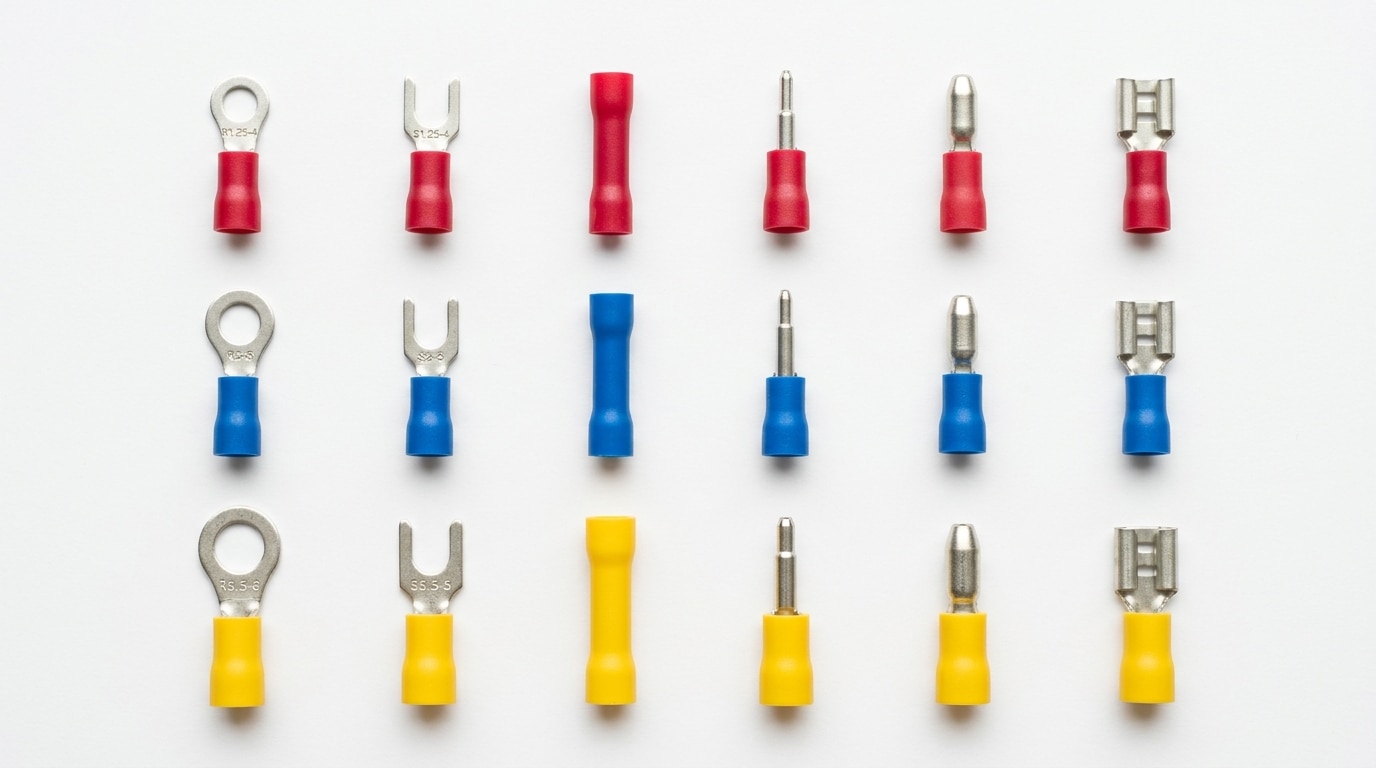
SENTOP supplies cable lugs and crimping terminals for electrical panels, control cabinets, distribution boxes, machinery wiring, battery connection, inverter wiring and industrial power connection projects. Our product range includes SC cable lug, ring terminals, fork cable lug, pin terminals, spade terminals, crimping cable lug, male/female terminals and tube terminals.
What Are Cable Lugs?
Cable lugs are electrical connection terminals used at the end of wires or cables. They help connect cables to busbars, studs, screws, terminal blocks, switches, batteries, electrical panels, control cabinets and machinery equipment. Different cable lug shapes solve different wiring needs, such as crimping, screw mounting, terminal block insertion and quick disconnect connection.
Cable End Connection Parts for Electrical Wiring and Power Distribution
A cable lug is used to create a stable connection between a cable end and an electrical connection point. In many electrical projects, the cable lug is crimped onto the wire or cable, then connected to a screw, stud, terminal block, busbar, battery terminal, switch or equipment interface.
SENTOP supplies different cable lug and crimp terminal options, including SC cable lug, ring terminals, fork cable lug, pin terminals, spade terminals, crimping cable lug, male/female terminals and tube terminals. The correct type should be selected according to cable size, hole size, terminal shape, material, insulation type and application environment.
They Help Make Cable Connection Safer, Cleaner and Easier to Install
In control cabinets, electrical panels, distribution boxes, batteries, inverters and machinery wiring systems, cables need reliable end connection parts. Cable lugs help organize cable ends, improve installation consistency and support future inspection, maintenance or replacement work.
Connect Cable Ends to Electrical Points
Cable lugs are installed at the end of wires or cables, helping connect conductors to busbars, terminal blocks, switches, batteries, panels and electrical equipment.
Crimped for Stable Wiring
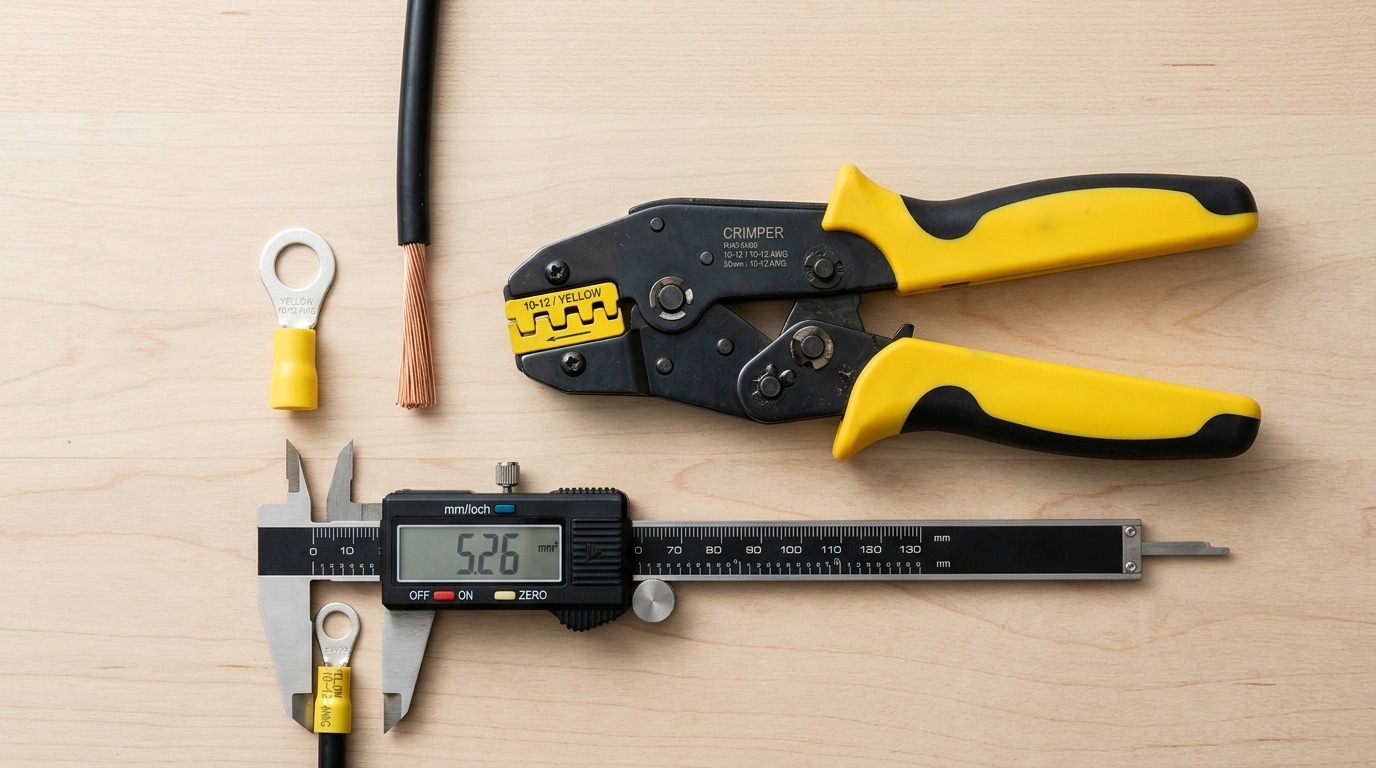
Many cable lugs are designed for crimping. The cable size, barrel size and crimping tool should match correctly to support stable electrical contact.
Ring or SC Lug for Stud Connection
SC cable lugs and ring terminals are commonly used for screw, stud, busbar, battery and panel connection where a fixed mounting point is required.
Fork Lug for Easier Maintenance
Fork cable lugs can be inserted under a screw terminal without fully removing the screw, making them useful for terminal strips, relays, switches and control cabinet wiring.
Cleaner Wire Ends for Terminal Blocks
Pin terminals help wires enter terminal blocks or compact connection holes more cleanly. They are commonly used in control circuits, cabinet wiring and equipment wiring.
Spade and Male/Female Terminal Connection
Spade terminals and male/female terminals are used for quick connection and disconnection in switches, relays, wiring harnesses, control panels and electrical devices.
Basic Cable Lug Installation Logic
Confirm Cable Size
Check the wire or cable size before selecting the cable lug barrel, terminal type and crimping requirement.
Match Hole or Terminal Shape
Confirm stud hole size, fork width, pin size, spade width or male/female terminal matching requirement.
Crimp the Cable End
Use a suitable crimping method so the conductor and terminal barrel form a firm cable end connection.
Install and Inspect
After installation, check terminal position, connection direction, insulation condition and wiring organization.
Cable Lug and Crimp Terminal Usage Overview
| Type | Main Function | Typical Application | Selection Details |
|---|---|---|---|
| SC Cable Lug | Power cable connection to stud, screw or busbar | Electrical panels, distribution boxes, batteries, inverters and machinery wiring | Cable size, stud hole size, barrel size, material, plating and crimping tool |
| Ring Terminals | Closed ring connection for screw or stud mounting | Control panels, grounding points, terminal blocks, batteries and equipment wiring | Wire size, ring hole size, insulation type, material and terminal thickness |
| Fork Cable Lug | Fork shape connection for screw terminal wiring | Terminal strips, relays, switches, control cabinets and maintenance wiring | Wire size, fork width, screw size, insulation color and terminal shape |
| Pin Terminals | Pin end connection for terminal block insertion | Terminal blocks, control wiring, relay wiring and electrical cabinet wiring | Wire size, pin length, pin diameter, insulation type and insertion space |
| Spade Terminals | Quick connection and disconnection | Switches, relays, small electrical devices, panels and equipment wiring | Wire size, spade width, thickness, insulation type and matching terminal |
| Male/Female Terminals | Plug-in pair connection for quick disconnect wiring | Wiring harnesses, switches, relays, automotive wiring and equipment connection | Male/female pair, terminal width, thickness, wire size and insulation type |
| Crimping Cable Lug | Crimped cable end connection for stable wiring | Industrial wiring, distribution systems, power connection and machinery wiring | Conductor size, barrel type, material, plating, crimping tool and application load |
| Tube Terminals | Tubular crimping structure for cable end connection | Power wiring, control cabinets, distribution systems and industrial equipment | Tube diameter, cable size, hole size, length, material and surface treatment |
Cable Lugs Should Be Matched by Cable Size, Terminal Shape and Connection Method
SC cable lug, ring terminals, fork cable lug, pin terminals, spade terminals, male/female terminals, crimping cable lug and tube terminals may differ in wire range, hole size, barrel size, insulation type, terminal width, material and application environment. For accurate quotation or replacement review, please confirm product photos, sample size, cable size and installation requirement.
Cable Lug Product Range
SENTOP supplies different cable lugs and crimping terminals for electrical panels, control cabinets, distribution boxes, terminal blocks, machinery wiring, battery connection and industrial power connection projects. Product range includes SC cable lug, ring terminals, fork cable lug, pin terminals, spade terminals, crimping cable lug, male/female terminals and tube terminals.
SC Cable Lug
SC cable lugs are commonly used for power cable connection in distribution boxes, electrical panels, batteries, inverters, control cabinets and machinery wiring. They are usually selected by cable size and stud hole size.
Ring Terminals
Ring terminals are used for screw or stud connection. The closed ring shape helps keep the terminal fixed after installation, making it suitable for control panels, grounding points, batteries, terminal blocks and equipment wiring.
Fork Cable Lug
Fork cable lugs are suitable for screw terminal connection where the screw does not need to be fully removed. They are often used in terminal strips, relays, switches, control cabinets and maintenance-friendly wiring projects.
Pin Terminals
Pin terminals are used when wires need to be inserted into terminal blocks, compact connection holes or control wiring points. They help make wire ends cleaner and easier to insert in electrical cabinets and equipment wiring.
Spade Terminals
Spade terminals are used for quick connection and disconnection. They are suitable for switches, relays, electrical devices, automotive wiring, control panels and small equipment wiring.
Male/Female Terminals
Male and female terminals are used for plug-in style quick connection and disconnection. They are commonly used in wiring harnesses, switches, relays, automotive wiring, control circuits and electrical equipment.
Crimping Cable Lug
Crimping cable lugs are designed to be crimped onto the end of a wire or cable. Correct cable size, lug barrel size and crimping tool are important for stable electrical connection in industrial wiring projects.
Tube Terminals
Tube terminals are used for cable end connection where a tubular crimping structure is required. They are suitable for power wiring, control cabinets, distribution systems and industrial electrical equipment.
Compare Cable Lug and Crimp Terminal Types
| Product Type | Connection Direction | Typical Application | Information to Confirm |
|---|---|---|---|
| SC Cable Lug | Power cable connection to stud, screw or busbar | Panels, distribution boxes, batteries, inverters and machinery wiring | Cable size, hole size, barrel size, material and crimping method |
| Ring Terminals | Closed ring screw or stud mounting | Control panels, grounding points, terminal blocks and batteries | Wire size, ring hole size, insulation type and terminal thickness |
| Fork Cable Lug | Fork shape screw terminal connection | Terminal strips, relays, switches and cabinet wiring | Wire size, fork width, screw size, insulation color and terminal shape |
| Pin Terminals | Terminal block insertion | Control wiring, relay wiring, cabinet wiring and equipment circuits | Wire size, pin length, pin diameter and insertion space |
| Spade Terminals | Quick connection and disconnection | Switches, relays, devices, panels and small equipment wiring | Wire size, spade width, thickness, insulation type and matching terminal |
| Male/Female Terminals | Matched plug-in quick disconnect connection | Wiring harnesses, relays, switches, automotive wiring and control circuits | Male/female pair, terminal width, thickness, wire size and insulation type |
| Crimping Cable Lug | Crimped cable end connection | Industrial wiring, power distribution and machinery connection | Conductor size, barrel type, crimping tool, material and application load |
| Tube Terminals | Tubular crimping cable connection | Power wiring, control cabinets and distribution systems | Tube diameter, cable size, hole size, length and material |
Match Cable Lug Type by Cable Size, Hole Size and Connection Method
Different cable lug types solve different wiring needs. SC and tube terminals are commonly used for power cable connection, ring and fork terminals are used for screw mounting, pin terminals are used for terminal block insertion, while spade and male/female terminals are used for quick disconnect wiring. For accurate quotation, please provide cable size, terminal type, hole size, product photo, sample size and order quantity.
Explore 1,000+ More SENTOP Models
Can't find the exact terminal block for your specific project? We offer a vast range of specialized connection solutions and customized OEM options to meet every industrial requirement.
How to Select the Right Cable Lug
Choosing the correct cable lug depends on cable size, terminal type, stud hole size, crimping method, material, insulation type, application environment and replacement requirement. SENTOP can help review SC cable lug, ring terminals, fork cable lug, pin terminals, spade terminals, male/female terminals, crimping cable lug and tube terminals according to your wiring project, photo, drawing or BOM list.
Confirm Wire or Cable Size First
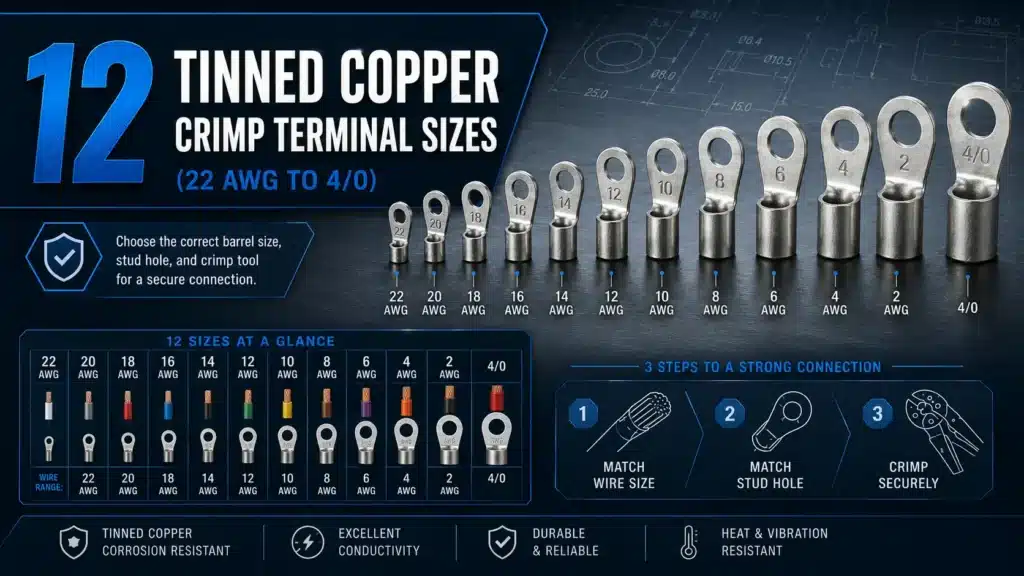
Cable size is the first detail to confirm. The cable lug barrel must match the conductor size to support proper crimping and stable electrical connection.
- Confirm cable size in AWG or mm²
- Check solid or stranded conductor type
- Confirm cable end preparation method
- Match lug barrel size with conductor size
Choose the Correct Cable Lug Shape
Different terminal shapes are used for different wiring positions. The right cable lug type should match the connection point, installation method and maintenance requirement.
- SC cable lug for power cable connection
- Ring terminals for screw or stud mounting
- Fork cable lug for easy screw terminal wiring
- Pin, spade and male/female terminals for specific connection needs
Match the Mounting Hole Size
For SC cable lugs, ring terminals and tube terminals, stud hole size is very important. The hole must match the screw, stud, busbar or equipment connection point.
- Confirm M4, M5, M6, M8, M10 or other hole size
- Check screw, stud or busbar connection requirement
- Review mounting space around the connection point
- Confirm whether the hole size matches the existing sample
Check the Crimping Connection Requirement
Crimping quality depends on correct lug size, cable size and crimping tool. For industrial projects, the crimping barrel should match the conductor and application load.
- Confirm crimping barrel size
- Check required crimping tool or die
- Review cable end insertion depth
- Confirm whether insulated or bare crimping is required
Confirm Material and Surface Treatment
Material and plating affect conductivity, oxidation resistance and application suitability. The final material should be selected according to electrical requirement and working environment.
- Common options include copper and tinned copper
- Some terminals may use brass or other materials
- Check plating requirement for surface protection
- Confirm material requirement before bulk order
Choose Insulated or Non-Insulated Terminals
Ring, fork, pin, spade and male/female terminals can be selected with insulated or non-insulated structures according to project safety, color identification and installation space.
- Insulated terminals support safer handling
- Non-insulated terminals save installation space
- Color can help identify wire size or function
- Confirm insulation color and sleeve type
Confirm Quick Disconnect Terminal Pairing
Male and female terminals should be matched as a pair. Width, thickness, wire size, insulation type and plug-in direction should be checked before ordering.
- Confirm male and female terminal pair
- Check terminal width and thickness
- Confirm wire size and insulation style
- Review connection direction and application position
Match Existing Cable Lugs by Photo or Sample
For replacement projects, product photos, sample dimensions and cable size can help identify the correct cable lug type and reduce model matching errors.
- Send front, side and top product photos
- Measure cable size, hole size and terminal width
- Confirm insulation color and material
- Provide sample or drawing if available
Match Cable Lug Type by Wiring Requirement
| Customer Requirement | Recommended Direction | Why It Fits | Information to Confirm |
|---|---|---|---|
| Power cable connection to busbar or stud | SC Cable Lug / Tube Terminal | Suitable for higher power cable end connection, screw mounting and busbar connection. | Cable size, hole size, barrel size, material, plating and crimping method. |
| Screw-mounted stable connection | Ring Terminals | Closed ring design helps keep the terminal fixed after screw or stud installation. | Wire size, ring hole size, insulation type, screw size and terminal thickness. |
| Easy screw terminal maintenance | Fork Cable Lug | Fork shape can be inserted under a screw without fully removing the screw. | Wire size, fork width, screw size, insulation color and terminal shape. |
| Terminal block wire insertion | Pin Terminals | Pin structure helps make wire ends cleaner and easier to insert into terminal blocks. | Wire size, pin length, pin diameter, insulation type and insertion space. |
| Quick connection and disconnection | Spade Terminals | Suitable for switches, relays, devices and small equipment requiring quick connection. | Wire size, spade width, thickness, insulation type and matching terminal. |
| Plug-in pair connection | Male/Female Terminals | Matched male and female terminals are used for quick disconnect wiring and harness connection. | Male/female pair, terminal width, thickness, wire size and insulation style. |
| Industrial cable end crimping | Crimping Cable Lug | Designed for crimped cable end connection in industrial wiring and power projects. | Conductor size, barrel type, crimping tool, material and application load. |
| Replacement of old terminal | Photo and Sample Review | Photos, dimensions and sample information help identify suitable replacement direction. | Photo, sample, cable size, hole size, terminal shape, insulation color and quantity. |
Send Your Cable Lug Details for Model Review
To help you select the correct cable lug, please provide as much project information as possible. Cable size, hole size, terminal type, male/female matching requirement, product photo, drawing and BOM list can improve matching accuracy and speed up quotation.
Send cable size, terminal type, hole size, photo, drawing or BOM file for review.
Cable Lug Structures and Applications
Cable lugs are selected according to cable size, terminal shape, crimping barrel, stud hole, insulation type, quick disconnect requirement and application environment. SC cable lug, ring terminals, fork cable lug, pin terminals, spade terminals, male/female terminals, crimping cable lug and tube terminals are used in different wiring positions for electrical panels, control cabinets, distribution boxes, batteries, inverters and industrial equipment.
Choose the Cable Lug Structure by Wiring Position and Connection Method
Different cable lug structures solve different connection needs. SC cable lugs and tube terminals are commonly used for power cable connection. Ring terminals and fork cable lugs are used for screw or stud connection. Pin terminals are used for terminal block insertion. Spade terminals and male/female terminals are used for quick disconnect wiring. Correct matching helps improve wiring stability, installation efficiency and maintenance convenience.
Crimping Barrel Structure
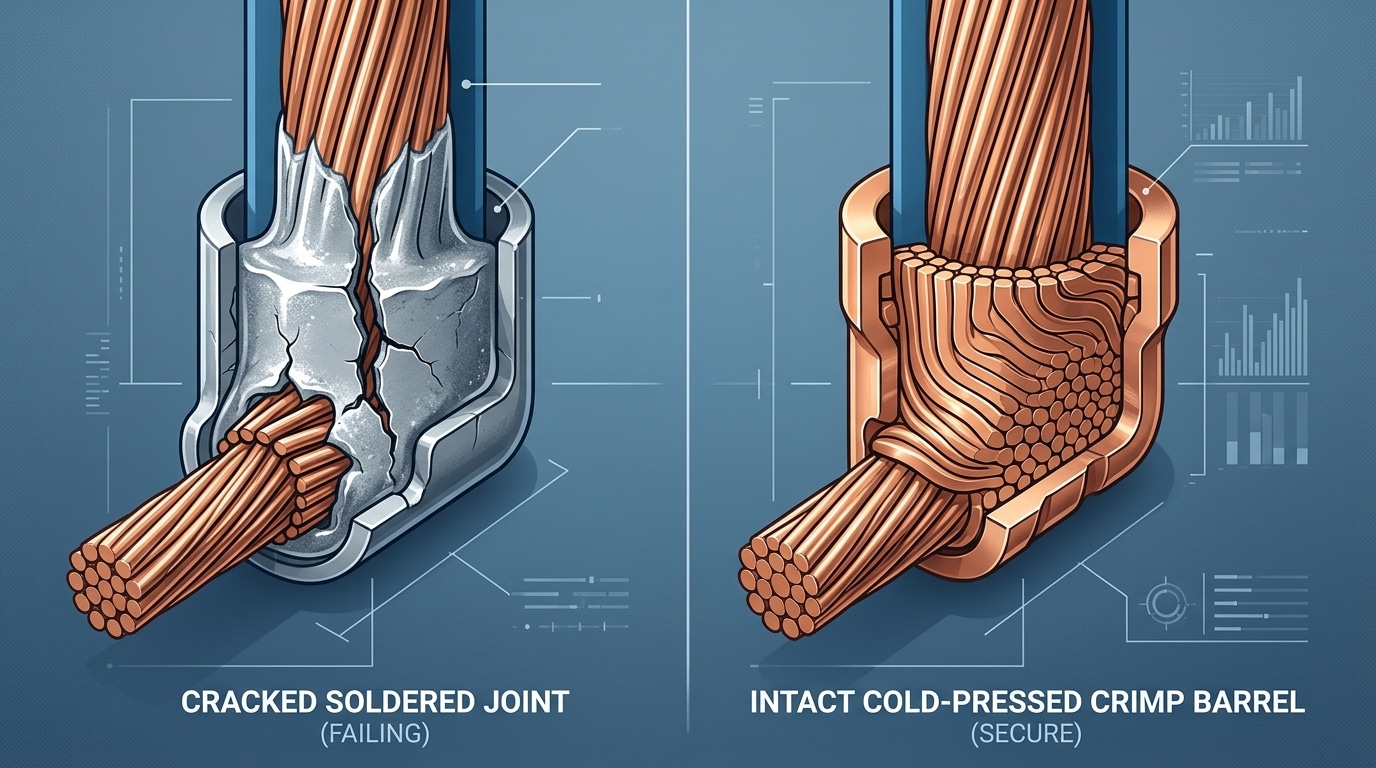
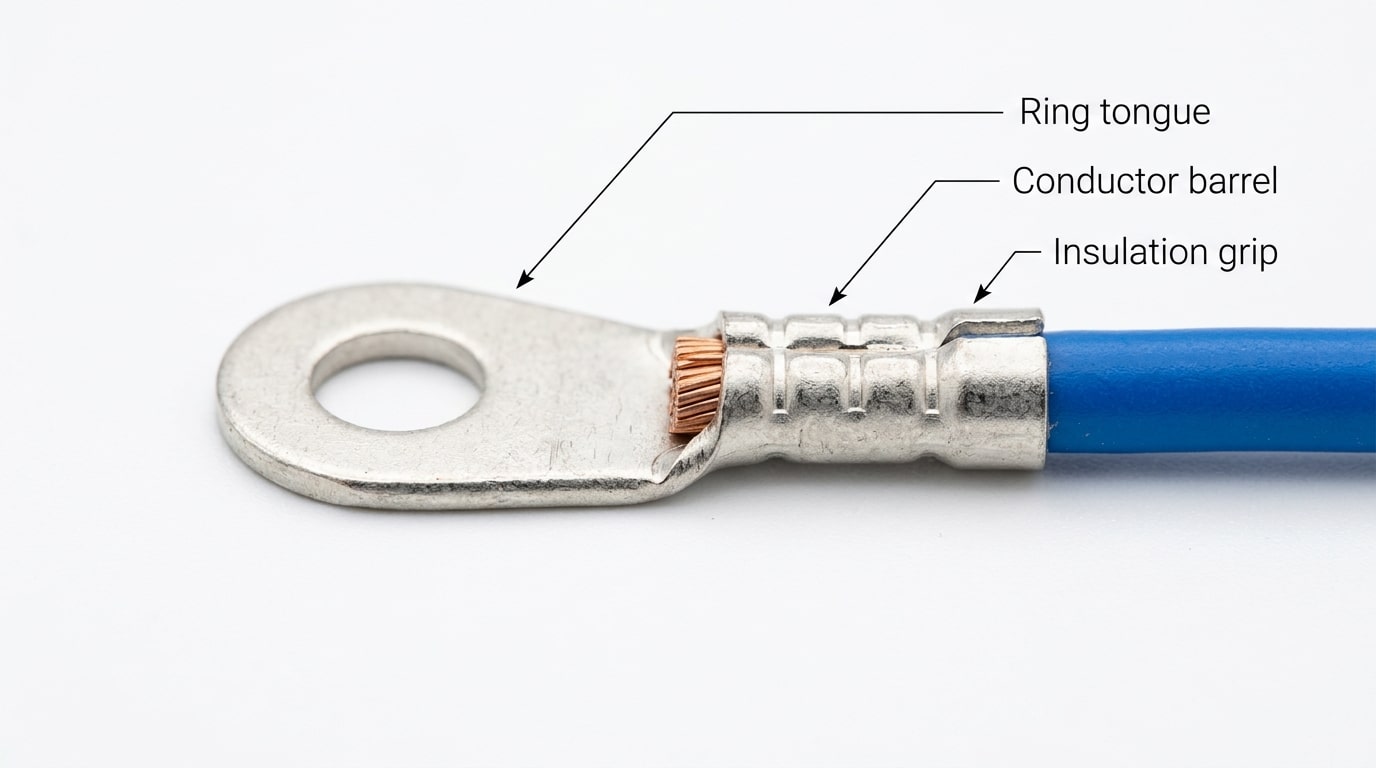
The crimping barrel is the part that holds the conductor after crimping. It must match the real cable size, conductor type and crimping tool. A suitable barrel structure helps create a firm cable end connection for power and control wiring projects.
- Used for cable end crimping
- Requires correct cable size matching
- Check barrel diameter and insertion depth
- Suitable for industrial wiring and power connection
Ring and Stud Connection Structure
Ring terminals and SC cable lugs are designed for screw, stud, busbar, battery terminal and panel connection. The closed ring or lug hole helps keep the cable end fixed after installation.
- Suitable for screw, stud and busbar mounting
- Common in panels, batteries and distribution boxes
- Confirm stud hole size before ordering
- Useful for stable fixed connection points
Fork Connection Structure
Fork cable lugs can be installed under a screw terminal without fully removing the screw. This structure is suitable for terminal strips, switches, relays and wiring positions that require easier maintenance.
- Fork shape for screw terminal connection
- Good for quick maintenance and replacement
- Used in relays, switches and control cabinets
- Confirm fork width and screw size
Pin Terminal Structure
Pin terminals are used when wires need to enter terminal blocks, terminal strips, relay terminals or compact connection holes. The pin shape makes the wire end cleaner and easier to insert.
- Suitable for terminal block insertion
- Used in control wiring and relay wiring
- Helps organize cabinet wiring ends
- Confirm pin length and pin diameter
Spade Quick Connection Structure
Spade terminals are used for quick connection and disconnection. They are common in switches, relays, small electrical devices, automotive wiring, control panels and internal equipment wiring.
- Designed for quick connection and removal
- Suitable for switches, relays and devices
- Available in insulated and non-insulated types
- Confirm spade width, thickness and wire size
Male/Female Plug-in Structure
Male and female terminals are used as matched quick disconnect pairs. They are suitable for wiring harnesses, equipment quick connection, relay wiring, switch wiring and control circuits.
- Matched male and female terminal connection
- Suitable for plug-in style wiring harnesses
- Used in equipment, relays and switches
- Confirm terminal width, thickness and pair matching
Insulation and Color Identification Structure
Insulated cable lugs help improve handling safety and support wiring identification. Different insulation colors can help distinguish wire size, circuit function or installation position during cabinet assembly and maintenance.
- Insulated terminals support safer handling
- Color helps identify wire size or function
- Useful for cabinet and equipment wiring
- Confirm insulation color, sleeve style and terminal size
Where Cable Lugs Are Commonly Used
Cable Lug Structure and Application Comparison
| Structure Type | Suitable Products | Typical Application | Key Selection Details |
|---|---|---|---|
| Crimping Barrel Structure | SC cable lug, crimping cable lug, tube terminals | Power wiring, machinery wiring and industrial cable end connection | Cable size, barrel size, material, plating and crimping tool |
| Ring and Stud Connection Structure | SC cable lug, ring terminals, tube terminals | Panels, busbars, batteries, inverters and distribution boxes | Stud hole size, screw size, cable size and mounting space |
| Fork Connection Structure | Fork cable lug, fork terminals | Terminal strips, switches, relays and control cabinet wiring | Fork width, screw size, wire size and insulation color |
| Pin Terminal Structure | Pin terminals | Terminal block insertion, control wiring and relay wiring | Pin length, pin diameter, wire size and insertion space |
| Quick Disconnect Structure | Spade terminals, male/female terminals | Switches, relays, wiring harnesses, devices and equipment wiring | Terminal width, thickness, pair matching and insulation type |
| Insulated Terminal Structure | Ring, fork, pin, spade and male/female terminals | Control cabinets, electrical devices and wiring identification projects | Insulation color, sleeve type, wire range and installation space |
Confirm the Cable Size, Connection Point and Installation Method Before Ordering
Cable lugs are not selected only by appearance. Cable size, terminal shape, stud hole size, crimping barrel, material, insulation type and application position should all be checked. For replacement projects, photos, sample dimensions and wiring details can help reduce matching errors.
Cable Lug Manufacturer, Quality Control and Packaging
SENTOP supplies cable lugs and crimping terminals for electrical panels, control cabinets, distribution boxes, battery connection, inverter wiring, machinery wiring and OEM electrical equipment. Product range includes SC cable lug, ring terminals, fork cable lug, pin terminals, spade terminals, crimping cable lug, male/female terminals and tube terminals.
Cable Lug Supply for Industrial Wiring and Electrical Connection Projects
As a cable lug manufacturer and supplier, SENTOP helps customers match suitable cable lug and crimp terminal solutions according to cable size, terminal type, stud hole size, crimping barrel, material, insulation type, male/female matching requirement and application environment.
For project procurement, customers can send model numbers, cable size, hole size, photos, drawings, samples or BOM lists. SENTOP can help review the required terminal type, organize mixed models, prepare labels and arrange grouped packaging for cabinets, machines, electrical panels or production batches.
Send your cable lug model list, wire size, hole size, photos, drawings or BOM for project quotation.
SC Cable Lug Supply
SC cable lugs can be supplied for power cable connection, busbar connection, distribution boxes, electrical panels, batteries, inverters and machinery wiring.
Ring and Fork Terminal Supply
Ring terminals and fork cable lugs are available for screw connection, stud mounting, control cabinet wiring, terminal strips, switches and relays.
Pin and Spade Terminal Supply
Pin terminals and spade terminals support terminal block insertion, quick connection, electrical device wiring and compact control circuit wiring.
Male/Female Terminal Matching
Male and female terminals can be matched by terminal width, thickness, wire size, insulation type and quick disconnect application requirement.
Crimping Cable Lug Support
Crimping cable lugs and tube terminals are supplied for cable end crimping, industrial wiring, power distribution and machinery connection projects.
Wire Size and Hole Size Review
SENTOP can help review cable size, stud hole size, fork width, spade width, pin size, barrel size and matching terminal dimensions.
Quality Inspection Before Shipment
Inspection can include appearance, surface treatment, material condition, barrel size, hole size, insulation color, terminal matching and quantity.
Grouped Packaging and Label Support
Mixed cable lug models can be packed by order, cabinet, machine, production batch, carton label or customer packaging requirement.
Cable Lug Inspection Before Delivery
Model Verification
Check model numbers, terminal types, order quantity, specification details and customer BOM before packing.
Material and Surface Check
Review material condition, surface treatment, plating, oxidation, burrs, deformation and visible defects.
Hole and Barrel Size Check
Check stud hole size, barrel size, fork width, spade width, pin size and terminal dimensions when required.
Male/Female Matching Check
Confirm male and female terminal pairs, terminal width, thickness, insulation type and matching direction.
Insulation Check
Check insulation sleeve color, sleeve condition, terminal fit, wire range marking and visual consistency.
Packaging Inspection
Confirm quantity, inner packing, carton labels, mixed model grouping and shipment instructions before delivery.
What SENTOP Can Support for Cable Lug Projects
| Support Item | Details | Suitable For | Information Needed |
|---|---|---|---|
| SC Cable Lug Supply | Power cable lugs for cable end connection, stud mounting and busbar connection. | Electrical panels, distribution boxes, batteries, inverters and machinery wiring. | Cable size, hole size, barrel size, material, plating and quantity. |
| Ring / Fork / Pin / Spade Terminals | Crimp terminals for screw mounting, terminal block insertion and quick connection. | Control cabinets, terminal strips, switches, relays and equipment wiring. | Wire size, terminal shape, insulation type, width, color and packaging need. |
| Male/Female Terminal Matching | Matched quick disconnect terminal pairs for plug-in wiring applications. | Wiring harnesses, devices, relays, switches and OEM equipment projects. | Male/female pair, terminal width, thickness, wire size and insulation style. |
| Crimping Cable Lug and Tube Terminal Supply | Crimping cable lugs and tubular terminals for industrial cable end connection. | Power wiring, distribution systems, control cabinets and machinery connection. | Conductor size, barrel type, hole size, terminal length, material and surface treatment. |
| Drawing and Sample Matching | Model matching support based on old samples, product photos, drawings or dimensions. | Replacement projects, maintenance orders and unknown model review. | Photo, sample, cable size, hole size, terminal dimensions and application details. |
| Grouped Packaging | Mixed models can be packed by project, cabinet, machine, production batch or carton label. | OEM production, machine builders, panel builders and batch procurement. | Model list, quantity, label rule, packaging rule and shipment requirement. |
Need SC Cable Lug, Ring Terminals, Fork Cable Lug or Male/Female Terminals?
Send your cable size, terminal type, stud hole size, male/female matching requirement, material requirement, insulation type, product photo, drawing, sample details, BOM list and order quantity. SENTOP can help review your cable lug selection and prepare a suitable quotation for your electrical wiring project.
Cable Lug FAQ
Find answers to common questions about cable lugs, including SC cable lug, ring terminals, fork cable lug, pin terminals, spade terminals, crimping cable lug, male/female terminals and tube terminals. SENTOP can help review cable size, terminal type, stud hole size, material, insulation type, samples, drawings and BOM lists for project quotation.
01 What is a cable lug used for?
A cable lug is used to connect the end of a wire or cable to a screw, stud, busbar, terminal block, battery, electrical panel, control cabinet or machinery equipment. It helps create a stable cable end connection for power wiring, control wiring and industrial electrical systems.
02 What is the difference between SC cable lug and ring terminal?
SC cable lugs are commonly used for larger power cable connection, busbar connection, distribution boxes, batteries and electrical panels. Ring terminals are usually smaller crimp terminals used for screw or stud mounting in control panels, terminal blocks, grounding points and equipment wiring.
03 How do I choose the correct cable lug size?
The correct cable lug size should be selected according to cable size, conductor type, terminal barrel size, stud hole size, application load and crimping tool. For accurate matching, please provide cable size in AWG or mm², hole size such as M4, M5, M6, M8 or M10, and product photos or drawings if available.
04 What information is needed for cable lug quotation?
Please send cable size, terminal type, stud hole size, material requirement, insulation type, male/female terminal matching requirement, product photo, drawing, sample details, BOM list and order quantity. This information helps speed up model review and quotation.
05 What is the difference between ring terminals and fork cable lugs?
Ring terminals have a closed ring shape and are used for more secure screw or stud mounting. Fork cable lugs have an open fork shape and can be inserted under a screw without fully removing the screw, making them convenient for maintenance, terminal strips, switches and relays.
06 When should I use pin terminals?
Pin terminals are suitable when wires need to be inserted into terminal blocks, terminal strips, relay terminals or compact connection holes. They help make wire ends cleaner and easier to insert, especially in control cabinets and equipment wiring.
07 What are spade terminals used for?
Spade terminals are used for quick connection and disconnection. They are commonly used in switches, relays, small electrical devices, automotive wiring, control panels and internal equipment wiring. Selection should confirm wire size, spade width, terminal thickness and insulation type.
08 What are male and female terminals used for?
Male and female terminals are used as matched quick disconnect terminal pairs. They are suitable for wiring harnesses, relay wiring, switch wiring, automotive wiring, equipment quick connection and OEM electrical devices.
09 Can SENTOP supply insulated and non-insulated terminals?
Yes. SENTOP can support insulated and non-insulated cable lug and crimp terminal options according to project requirements. Insulated terminals are often used for safer handling and color identification, while non-insulated terminals are suitable for compact installation or specific assembly requirements.
10 Can SENTOP help match cable lugs by photo or sample?
Yes. If the model number is unclear, SENTOP can review product photos, samples, drawings, dimensions, cable size, hole size, terminal shape, insulation color and application details to suggest a suitable cable lug or crimp terminal direction.
Need SC Cable Lug, Ring Terminals, Fork Cable Lug or Male/Female Terminals?
Send your cable size, terminal type, stud hole size, male/female matching requirement, material requirement, insulation type, product photo, drawing, sample details, BOM list and order quantity. SENTOP can help review your cable lug selection and prepare a suitable quotation for your electrical wiring project.
Attach photos, drawings, samples or BOM files for faster model review.