Automation needs repeatable connections
More automated machines create many repeated power, signal, safety, and service connections.
Buyer focus: repeatable wiring and identification
Do not rely on one global growth rate. Buyers should watch clearer changes: more automation, faster wiring, denser panels, new system functions, stronger document control, and better supply planning. This guide explains what those changes mean for panel builders, OEMs, buyers, and distributors.
Background photo, darkened for legibility: Poly-protech / Wikimedia Commons, CC BY-SA 4.0.
Public forecasts disagree because “terminal block market” does not always mean the same thing. One report may include DIN-rail blocks, another PCB connectors, and another barrier strips or broader connector products. Dates, regions, sales channels, and currency methods also differ.
That makes a single smooth revenue curve look more exact than it is. For a buyer, the better question is: which outside changes will affect the next design, supplier review, or purchase order?
We include a trend only when a dated primary source, an exact product example, or a clear buyer impact supports it. Industry figures give context; they are not terminal-block sales forecasts.
These trends do not make one connection technology the winner. They make application details and complete-system evidence more important.
More automated machines create many repeated power, signal, safety, and service connections.
Buyer focus: repeatable wiring and identificationPush-in, Push-X, and SNAP IN show more tool-free and automation-ready options across several conductor ranges.
Buyer focus: exact conductor class and processMiniature, multilevel, and coordinated DIN-rail systems help teams use limited rail and wiring space.
Buyer focus: installed envelope, not loose-part widthTesting, disconnect, fuse, indication, and monitoring can sit in or beside the connection layer.
Buyer focus: system compatibility and service accessRenewables, EV equipment, and data infrastructure mix power, control, sensing, and communications.
Buyer focus: application-specific ratingsStandards, target-market approvals, RoHS/REACH statements, and traceability need part-level control.
Buyer focus: current files for exact SKUsLead time alone is not resilience. Buyers need change notice, second-source logic, stable accessories, and revision control.
Buyer focus: supply continuity and OEM support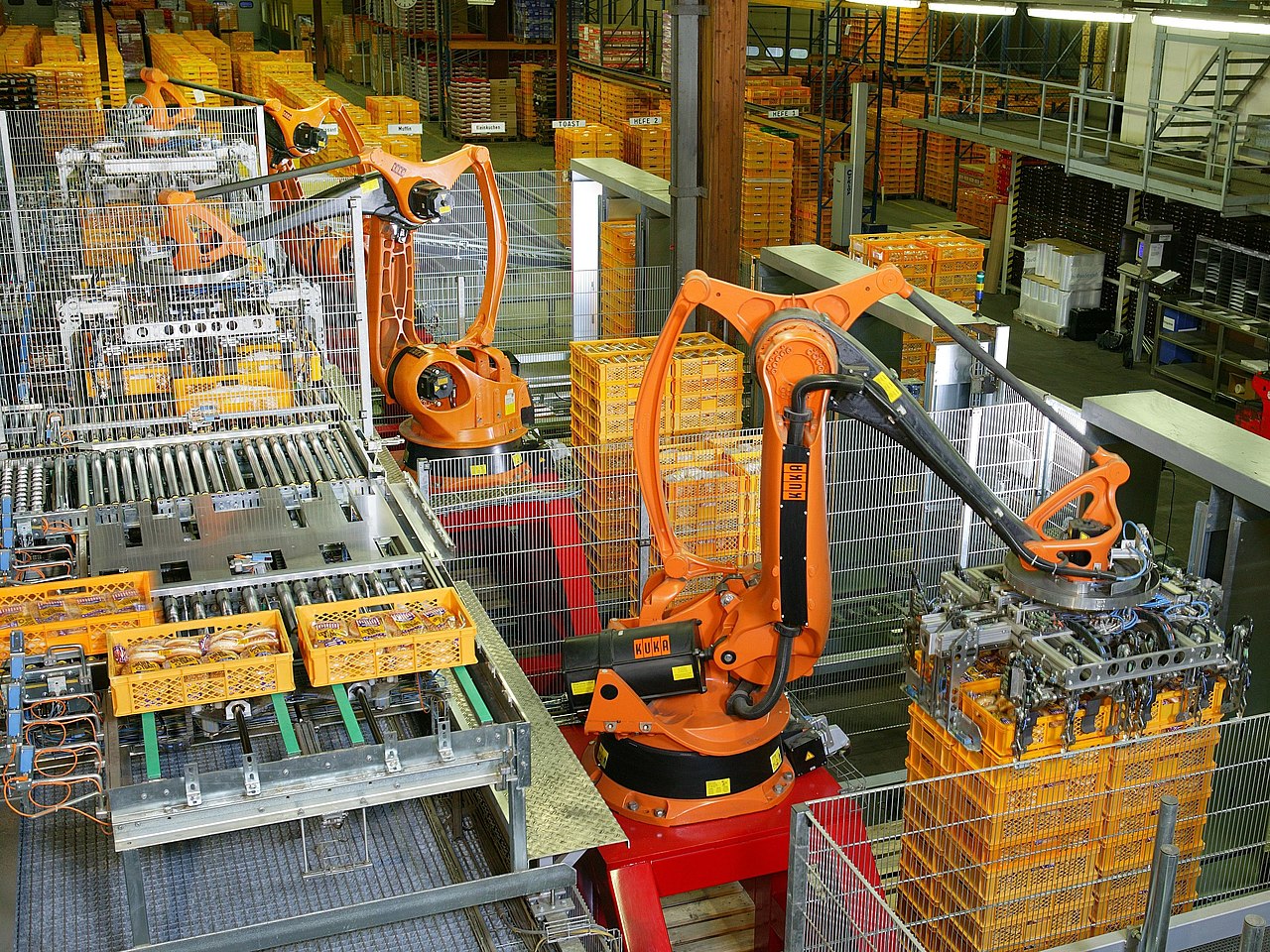
The International Federation of Robotics reported 542,000 industrial robot installations in 2024. It was the fourth year above half a million. Asia represented 74% of new deployments, Europe 16%, and the Americas 9%.
The robot figures are not terminal-block sales data. They show that factories still build many repeated electrical connections. Buyers therefore need clear labels, fixed wire-preparation rules, test access, and simple work instructions.
Screw terminals are not disappearing. Buyers simply have more connection methods and system options. Every exact part still needs validation.
Direct-insertion products now cover more wire sizes and production methods. Examples include Weidmüller SNAP IN, Phoenix Contact Push-X, and Phoenix Contact Push-in products. Check every exact part because wire type, strip length, and insertion steps still matter.
A narrow block does not always make a smaller panel. Wires, ducts, end plates, markers, jumpers, separators, and test tools also need space. Compare the full installed layout. Make sure technicians can still wire, test, and service it.
Some terminal systems add disconnect, fuse, diode, LED, test, current tap, or bridgeable monitoring functions. This does not mean every terminal block contains an IoT sensor. Often the intelligence sits in an adjacent module linked to the terminal system.

A screw terminal block may suit a process with documented torque. A spring terminal block may reduce tool handling. A pluggable PCB terminal system can separate device assembly from field wiring. A fixed PCB terminal block does not provide that separation.
No method is always best. Compare the exact wire range, ratings, tests, mounting, accessories, and work steps. If several products fit, build samples and measure time, errors, rework, and service access.
Compare the cost and risk of a completed connection, not only the price of one block.
Renewable-energy, EV, and data-center projects all need electrical connections. Their voltage, current, temperature, enclosure, fault-current, and service needs can differ greatly.


These figures only show growth in nearby industries. They do not give a rating for any terminal block. Start with the circuit and the end-equipment standard. Then approve the exact part.
Revision-controlled datasheet, drawing, conductor table, ratings, torque or actuation method.
Applicable listing records, certificates, test reports, or declarations for the exact part and use conditions.
Dated RoHS and REACH statements, plus any customer-specific restricted-substance declaration.
Lot traceability, certificate of conformity, PCN terms, lifecycle status, and approved alternatives.
IEC 60947-7-1:2025 revised the terminal-block standard within its stated scope. UL lists separate evaluation routes for the United States and Canada. For products sold in the EU, RoHS duties and REACH article obligations depend on the product, substance, concentration, and supply-chain role. Do not infer compliance or certification from appearance or from a related product family.
Buyers must also plan for the years after approval. A suitable block can still create risk if its jumpers, markers, covers, or replacements become hard to buy. Review the full product family and the supplier's change process.
See SENTOP's standards and certificate support, OEM/ODM support, and factory and delivery information.
This table keeps trend language connected to a real drawing, build process, test, or supplier document.
| 2026 signal | What may change in your project | What to write in the RFQ | Evidence to request |
|---|---|---|---|
| More automation | More repeat connections, labels, tests, and field interfaces. | Annual volume, panel type, wire list, marking scheme, operator process, and target cycle time. | Sample build, work instruction, accessory list, and process capability. |
| Direct insertion | Less tool handling may be possible, but conductor preparation remains critical. | Rigid, stranded, or fine-stranded conductor; bare or ferruled; exact AWG/mm² range. | Conductor table, strip length, insertion/removal method, and qualification data. |
| Higher panel density | Rail width, wiring depth, bend radius, ventilation, and service access interact. | Available rail envelope, duct location, wire exit direction, pole count, and accessory stack. | Dimensioned drawing, CAD model, grouping guidance, and assembled sample. |
| More system functions | Testing, isolation, fuse, indication, or monitoring may join the terminal layer. | Required function, circuit state, test access, replacement method, and failure response. | Series compatibility matrix, wiring diagram, approval scope, and spare-parts plan. |
| Electrification | Power, signal, and communication circuits may need different families. | Actual current, voltage, conductor, temperature, altitude, pollution, enclosure, and duty. | Exact rating basis, temperature/derating data, environmental tests, and end-use approvals. |
| Stronger compliance | Part selection must align with the destination market and equipment standard. | Countries, end-product standard, customer restricted substances, and required certificates. | Current exact-SKU files, dated declarations, CoC format, and traceability method. |
| Supply continuity | Accessories and replacements can become the weak link. | Forecast, order frequency, packaging, delivery window, second source, and PCN needs. | Lifecycle status, standard lead-time basis, change-notice terms, and approved alternates. |
A short, controlled review can show where a new terminal system saves work—and where an existing approved design should stay.
List block families, accessories, wire ranges, ratings, approvals, tools, and known service issues.
Output: one controlled baseline BOMMeasure wiring time, marking effort, rework, rail space, test access, and shortage history.
Output: ranked problems with evidenceCompare conductor tables, approvals, dimensions, accessories, process, and supplier documents.
Output: a small qualified candidate setUse real wire, tools, operators, markers, jumpers, ducts, and inspection rules.
Output: timed build plus defect recordControl the drawing, work instruction, certificates, alternates, spares, and PCN terms.
Output: release-ready part and process packRegion matters, but a revenue-share percentage does not tell an engineer which terminal block is acceptable. Use the destination market, end equipment, environment, and customer specification.
IFR's robot-deployment data shows strong automation activity in Asia. For buyers, the practical questions are volume scalability, local service, export documents, multilingual marking, and change control.
Ask: Which factory makes the part, and how is an export BOM kept consistent?For European projects, identify which EU rules apply to the final equipment. Request current, scoped RoHS and REACH documents for the exact part. CE marking does not by itself prove third-party certification.
Ask: Which directives, standards, and declarations apply to this exact end product?UL and CSA requirements depend on the component category, end equipment, conductor, rating, and conditions. A product-family logo cannot replace an exact file review.
Ask: What exact part number, file, wire range, use group, and condition support the design?A useful quote starts with the circuit and production need. Send a drawing or clear photo when possible. SENTOP can then route the requirement across its terminal-block and control-cabinet component range.
Short answers for teams turning a market article into a product or sourcing decision.
Send the circuit, conductor, mounting, environment, market, and quantity. A trend cannot replace model-level validation.
Public market estimates are not directly comparable. They use different product scopes, regions, dates, and sales channels. Keep each estimate inside its own method; do not combine estimates into one curve. For buying decisions, track dated demand signals and exact product requirements.
Not in every application. Direct-insertion technologies are expanding and can reduce tool handling in suitable processes. Screw systems remain useful where their ratings, conductor range, service practice, and customer preference fit. Compare exact products and run a sample build.
No. Some terminal systems integrate test, disconnect, fuse, indication, current taps, or adjacent monitoring modules. That is not the same as every block having an embedded IoT sensor. Define the required diagnostic function and verify the complete system.
No. Compare the complete installed envelope, including wire bend radius, duct access, end plates, markers, jumpers, separators, and tools. A compact block only saves useful space when wiring and service access still work.
A practical priority for OEMs is total installed cost. Compare assembly time, defects, documents, accessories, change notices, and support as well as unit price.
No. They are adjacent-market demand signals. They show expanding electrical infrastructure, but they do not state terminal-block revenue or make one product suitable. Each application still needs its own circuit, environment, standard, and exact-part review.
Ask for the current datasheet, drawing, conductor data, ratings, and installation instructions. Also request exact-SKU approval files and dated RoHS/REACH statements when needed. Confirm certificate format, lot traceability, lifecycle status, and product-change notice terms.
Give both suppliers the same application sheet. Compare fit, accessories, sample-build results, inspection controls, and market documents. Also compare delivery basis, traceability, change control, and total installed cost. Do not compare family names or headline current ratings alone.
The industry figures below show demand in nearby sectors. Product examples apply only to the named series. Do not use either as a rating for another terminal block.
Share your circuit list, panel drawing, conductor details, target market, expected volume, and document needs. SENTOP can help narrow the product family and prepare an RFQ-ready match.
