Water and electricity are a bad mix. Wet circuit breakers can shock you or cause fire. Wet places make electrical equipment more risky. Never touch a wet electrical panel or device. Always keep yourself safe first. Many accidents happen when people use electrical tools in wet spots. These tools are not made for water. Safety experts say to keep all electrical equipment dry. Use weatherproof covers outside. Test GFCIs every month. Only trained people should work on circuit breaker panels.
Key Takeaways
- Always turn off the power if you see wet circuit breakers. Never touch the panel if you are standing in water. Do not touch it if you feel unsafe.
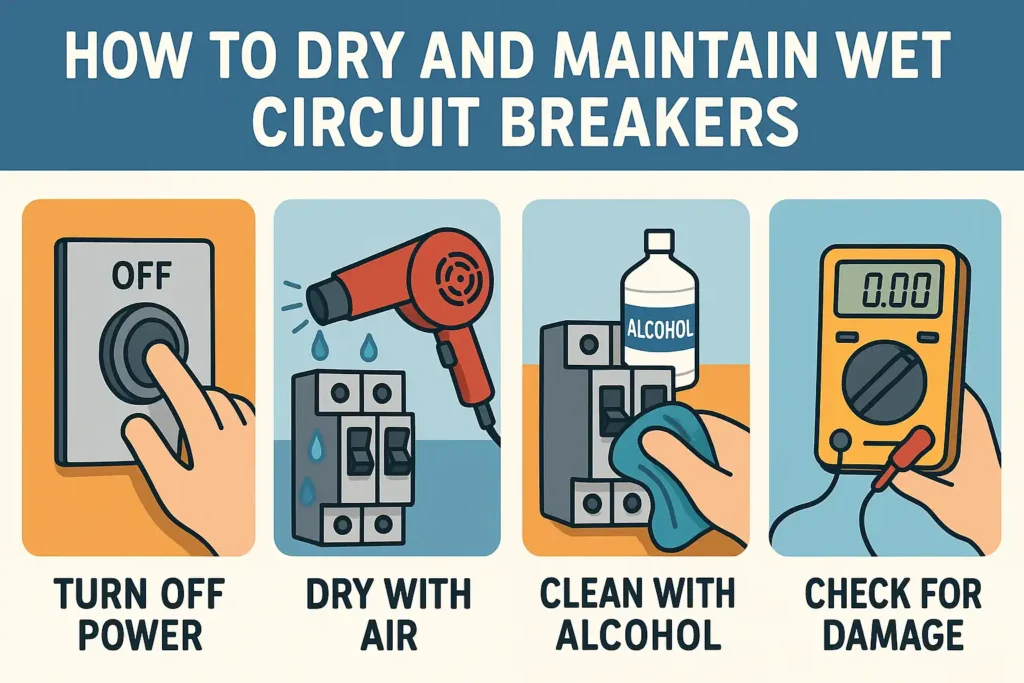
- Remove water on the surface slowly and carefully. Let the panel dry in the air with fans and dehumidifiers. Do not use heat like hair dryers.
- Wet circuit breakers can shock you or start fires. They can also cause damage that lasts a long time. Never use them until a professional checks and says they are safe.
- Seal any cracks and use covers that keep out water. Check your panel often to find problems early.
- Call a licensed electrician if you see damage or smell burning. Call one if you are not sure your circuit breaker is safe.
Immediate Actions
Power Off Safely
If you find wet circuit breakers, turn off the power right away. This helps stop shocks and fire. Try to flip the main circuit breaker switch. Only do this if you are not standing in water or touching anything wet. If water is on the floor or you feel unsafe, stay away from the panel. Call your electric company and ask them to turn off the power at the meter.
Tip: Never try to turn off the power if you have to stand in water. Electricity can move through water and hurt you badly.
Groups like OSHA and NFPA say to turn off power before working on electrical things. This makes it less likely you will get shocked or hurt. Always check that the power is off before you do anything else.
Here is a simple checklist for turning off power safely:
- Check for water near the breaker panel.
- Stand on something dry and insulated if you need to get close.
- Use a flashlight if you cannot see well.
- Only turn off the main breaker if you know it is safe.
- If you cannot reach the panel safely, call an expert or your utility company.
Personal Safety Precautions
Your safety is most important. Before you do anything, look around you. Never walk into a flooded spot where water touches outlets or cords. Water lets electricity move, so even a little can be risky.
- Wear rubber shoes and gloves for extra safety.
- Keep your hands dry all the time.
- Do not use electrical tools or appliances near wet spots.
- Stay away from wires, switches, or fuses if you think they are wet.
Note: If you are not sure you are safe, stop and call a licensed electrician. Experts have the right tools and know what to do with wet circuit breakers.
Assess Water Exposure
Once the area is safe, check how much water got to the circuit breakers. Look for wet spots, rust, or color changes on the panel and wires. If you see bent or broken parts, do not touch anything.
You can use a flashlight to look around. If you have a voltage tester and know how to use it, check for power problems. But if you see damage or the panel feels wet, call an expert right away. Sometimes, wet circuit breakers must be replaced to keep you safe later.
Always let a trained electrician check any electrical equipment that got wet before you use it again.
Drying Steps
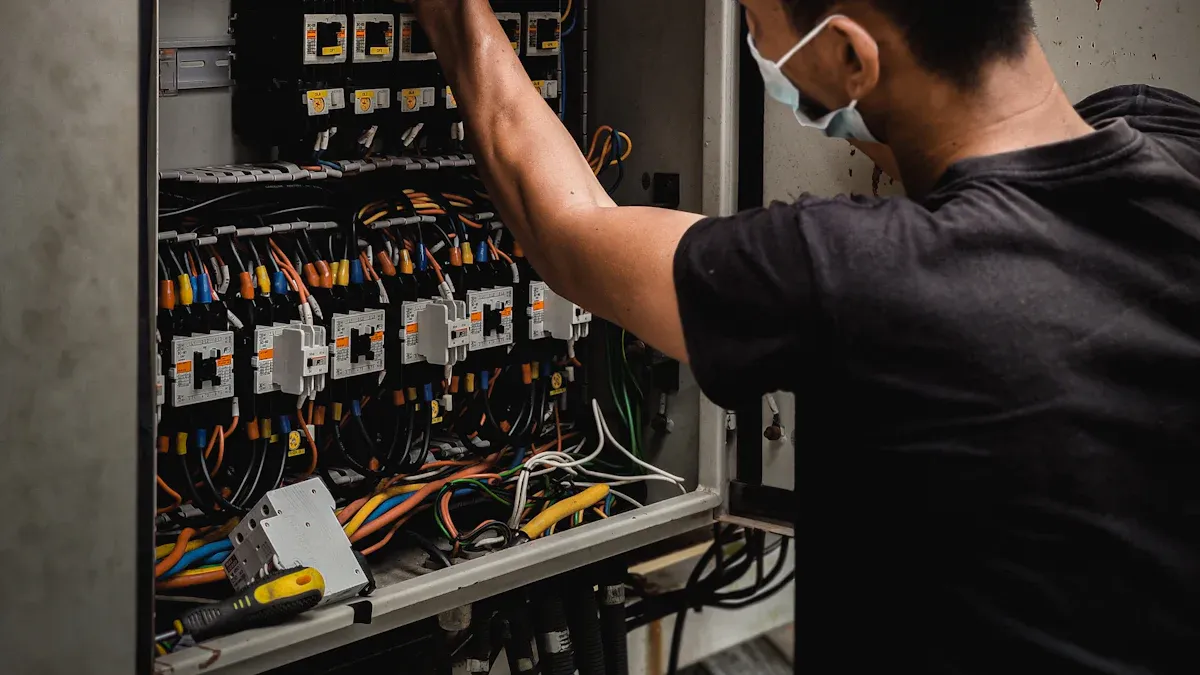
Remove Surface Moisture
First, take off as much water as you can from the outside of the circuit breaker panel. Use a clean towel or sponge to blot away any water you see. You can also use a wet/dry vacuum to suck up water from the floor near the panel. Be gentle and do not push hard on any electrical parts.
Here are steps to help remove surface moisture:
- Use a lint-free towel or paper towel to gently blot wet spots.
- Use a sponge to soak up water from the frame and floor around the panel.
- If water is in small spaces, use compressed air on low to blow it out. Start at the top and move down.
Tip: Wear rubber shoes and insulated gloves for safety. Stand on a dry mat or other insulated surface to protect yourself.
Getting rid of surface moisture fast helps stop more damage to wet circuit breakers. It also makes the next steps work better.
Air Drying Methods
After you remove the water you can see, let the area dry by itself. Open windows and doors so fresh air can move through the room. Good airflow helps the area dry faster. Put a fan nearby to help air move, but do not aim it right at the panel.
You can use a dehumidifier to pull water from the air. Place it close to the panel, but keep it on a dry spot. If you have silica gel packs, put them near the panel to soak up extra water. These ways help dry both inside and outside the breaker panel.
- Open windows to let air cross the room.
- Use a fan to keep air moving.
- Put a dehumidifier in the room.
- Place silica gel or moisture packs near the panel.
Note: Do not hurry this step. Let the panel dry all the way before you use it again.
Avoiding Heat Sources
Never use a hair dryer, heat gun, or space heater to dry wet circuit breakers. High heat can hurt the plastic and metal inside the panel. Fast changes in temperature can also make cracks or bends. These problems can make the breaker unsafe.
Use only air drying and things that soak up water. This keeps the equipment safe and protects you.
⚠️ Alert: Hot air tools can cause hidden harm. Always pick slow, steady drying methods.
Risks of Wet Circuit Breakers
Electrical Hazards
Wet circuit breakers put you at risk for serious electrical problems. Water lets electricity move easily, so even a small leak can cause big trouble. You might face shock or even fire if you try to use a wet panel. Here are some facts you should know:
- Water touching electrical parts increases the chance of shock because water conducts electricity.
- Wet wires can lose their insulation, which can lead to exposed wires and fire hazards.
- When water gets into breaker panels, it can cause short circuits or overloads. These problems may start fires.
- In 2021, about 24,200 house fires happened because of electrical problems. These fires caused 295 deaths and around 900 injuries. Water damage can make these risks worse.
- Moisture can make breakers trip, corrode, or stop working, which raises the risk of shock or fire.
⚠️ Alert: Never ignore water near your electrical panel. Always treat wet circuit breakers as a serious danger.
Long-Term Damage
Water does not just cause problems right away. Over time, it can damage your electrical system even more. You might see rust, corrosion, or strange smells. These signs mean the inside parts are breaking down. If you let water stay, your breakers may trip often or stop working. You could also notice buzzing sounds or scorch marks. These are signs that your system is not safe anymore.
When to Replace
You should know when to replace wet circuit breakers instead of trying to fix them. Most experts say you need a new panel if water has touched the inside. If your panel is over 25 years old, replacement is safer. You should also replace it if you see rust, burn marks, or smell burning. Frequent tripping, overheating, or buzzing noises mean your panel is not safe. Modern homes need panels that can handle more power, so old or damaged panels cannot keep up.
NEMA recommends that you ask the equipment maker before trying to fix water-damaged panels. Sometimes, you can fix small parts, but most of the time, you need a full replacement to make sure your home stays safe.
Tip: Call a licensed electrician if you see any of these warning signs. Do not try to fix a wet or damaged breaker yourself.
Testing Wet Circuit Breakers
Inspection After Drying
After you finish drying, you need to check the circuit breakers before turning the power back on. Start by looking at the panel and breakers closely. Use a flashlight to see if there is any leftover moisture, rust, or discoloration. If you see any water, wait longer before testing.
Follow these steps for a safe inspection:
- Make sure the area is completely dry.
- Wear rubber gloves and shoes for protection.
- Look for signs of rust, corrosion, or burnt marks.
- Smell for any odd or burning odors.
- Gently touch the outside of the panel to check for warmth or dampness.
Tip: If you notice any damage or strange smells, do not try to reset or use the breaker. This could cause a shock or fire.
You should never rush this process. Wet circuit breakers can hide damage inside. If you feel unsure, always stop and get help from a professional.
Professional Evaluation
You should call a licensed electrician to check the breakers after drying. Electricians have special tools to test for hidden moisture and damage. They can open the panel safely and look for problems you might miss.
A professional will:
- Use a moisture meter to check inside the panel.
- Test each breaker for safe operation.
- Look for signs of corrosion or short circuits.
- Advise you if you need to replace any parts.
⚡ Alert: Only a trained expert can confirm if your system is safe to use again. Never skip this step, even if everything looks dry.
You protect your home and family by letting an expert inspect wet circuit breakers. This step keeps you safe and helps prevent future problems.
Prevention and Maintenance
Sealing Entry Points
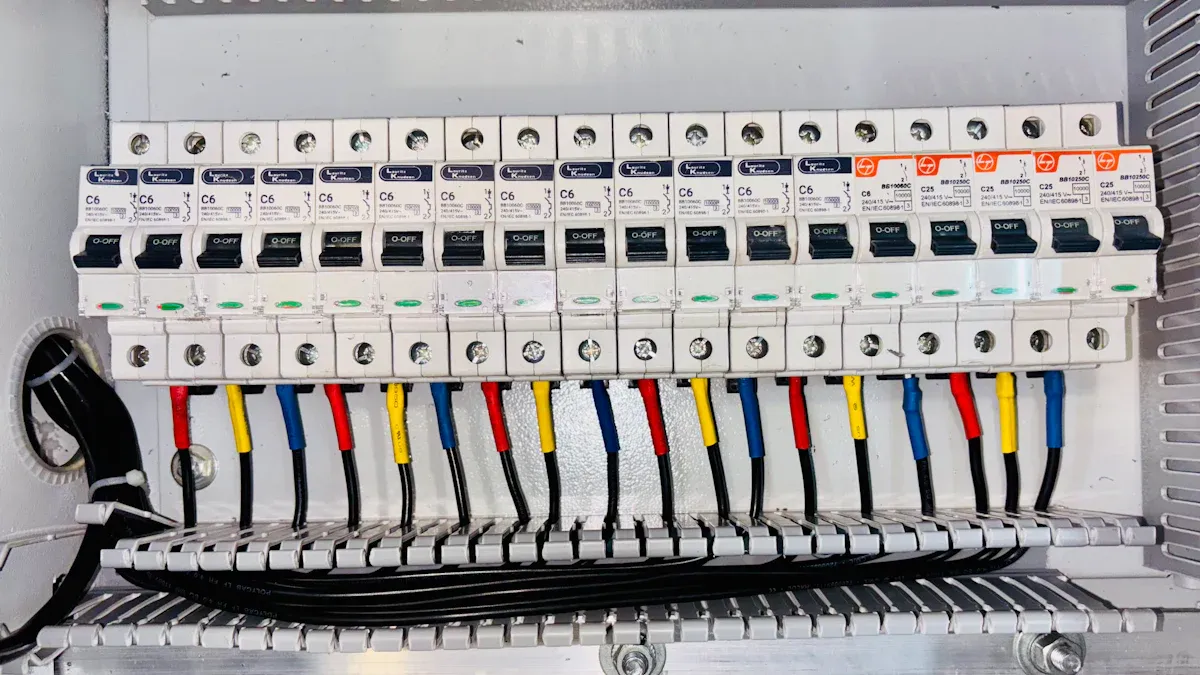
You can keep water out of your electrical panel by sealing every opening. First, look for cracks or holes around the panel. Use caulk to close up small gaps. If you see leaks, add new flashing around the panel. Weatherproof covers help protect outdoor panels from rain and sprinklers. Make sure all cable entries are sealed tight. If you spot rust or water stains, seal those places right away.
Tip: After heavy rain or when sprinklers run, check the area. Acting fast keeps your panel safe.
Moisture Control
Keeping things dry helps stop damage. Put a dehumidifier in rooms with electrical panels, like basements or garages. Open windows on dry days to let in fresh air. Place moisture-absorbing packs, such as silica gel, near the panel. These steps help stop rust and corrosion. Always keep the floor near the panel dry. If you see dampness, find where it comes from and fix it quickly.
- Use dehumidifiers in wet rooms.
- Put silica gel packs near the panel.
- Keep the area aired out.
Regular Inspection
Checking your system often keeps it safe. Look at your panel every month for leaks, rust, or strange smells. Every three months, check for signs of overheating or damaged insulation. Once a year, have a licensed electrician do a full inspection. They can check for hidden moisture, corrosion, and other dangers.
- Monthly: Look for water, rust, or burn marks.
- Quarterly: Check for damaged insulation and leaks.
- Annually: Get a professional to inspect everything.
These checks help you find problems early. Finding issues soon stops corrosion, flashovers, and big repairs. Regular care also keeps your system working and safe.
Note: Checking after storms or sprinkler use can stop water damage before it gets worse.
You keep your home and family safe by acting fast when water gets near electrical panels.
- Turn off the power right away to stop anyone from getting hurt and to keep things from getting worse.
- Call an expert if you see problems or if you do not feel sure about what to do.
- Check your panel often and take care of it so you do not have to pay for big repairs or lose power.
Always remember: Your safety is most important. Taking care of your panel and acting quickly can stop fires, shocks, and other big problems.
FAQ
What should you do first if you find a wet circuit breaker?
Always turn off the main power if you can do so safely. Never touch the panel if you stand in water or feel unsure. Call a licensed electrician for help.
Can you dry a circuit breaker with a hair dryer?
No, you should not use a hair dryer or any heat source. High heat can damage the breaker and make it unsafe. Let the panel air dry naturally.
How long does it take for a circuit breaker to dry?
Drying time depends on the amount of water and airflow. Usually, you need at least 24 to 48 hours. Use fans and dehumidifiers to speed up the process.
Is it safe to use a circuit breaker after it gets wet?
You should never use a wet circuit breaker until a professional inspects it. Water can cause hidden damage and increase the risk of shock or fire.
How can you prevent water from reaching your circuit breaker?
- Seal cracks and gaps around the panel.
- Use weatherproof covers outdoors.
- Place a dehumidifier in damp rooms.
- Check for leaks after storms.
The following information may be of interest to you
Why a bad circuit breaker can cause low voltage
What should I do if the circuit breaker panel is flooded with water
Can moisture cause circuit breakers to trip
Why does my circuit breaker trip when it rains?
What Miniature Circuit Breakers Do and Where to Find Them

Discover more from SENTOP Electrical Co., Ltd
Subscribe to get the latest posts sent to your email.