
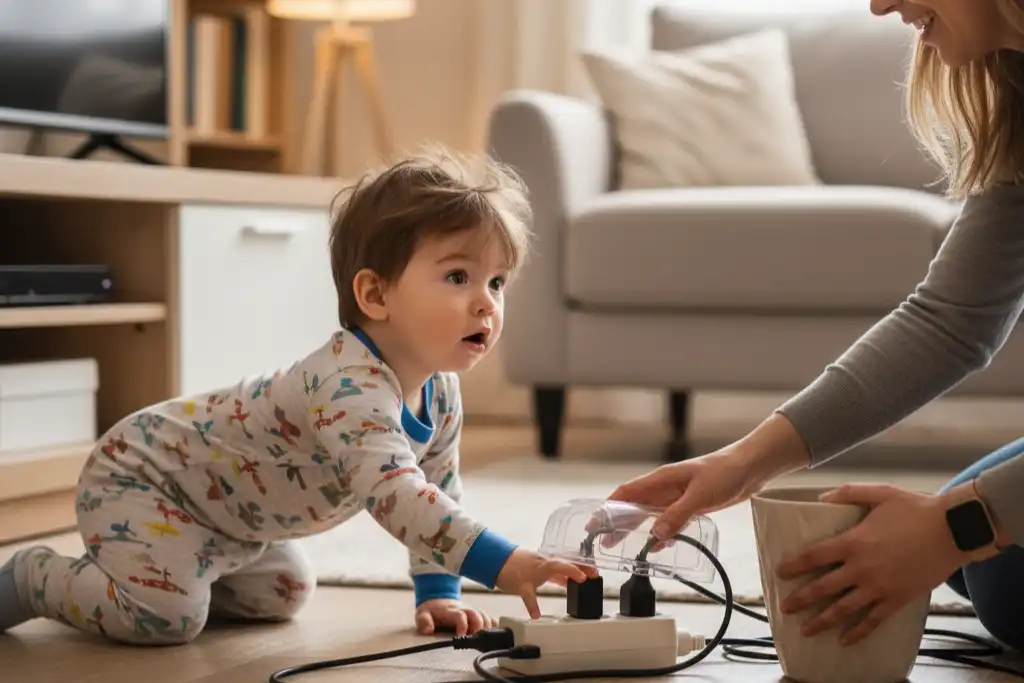
If you want to prevent my child from unplugging devices, try some simple tricks at home.
- Use outlet covers or safety plugs to block access.
- Place furniture in front of outlets to hide them.
- Wrap cords with Velcro strips to keep them out of reach.
- Teach my child about electrical safety.
Quick tip: Add colorful tape or stickers as a visual reminder for no-touch zones.
Key Takeaways
- Use outlet covers or safety plugs to block access to electrical outlets. This keeps your child safe from unplugging devices.
- Place furniture in front of outlets to hide them. This simple trick makes it harder for kids to reach plugs.
- Wrap cords with Velcro strips to keep them organized and out of reach. This reduces tripping hazards and prevents kids from playing with loose cables.
- Teach your child about electrical safety using simple lessons. Explain why they should not touch outlets or cords.
- Create visual reminders with colorful tape or stickers near outlets. These reminders help your child remember to stay safe.
Ways to stop my child from unplugging
Outlet covers
Outlet covers are a common way to stop my child from unplugging devices. These covers go over outlets and make it tough for small hands to reach plugs. There are many kinds, but some work better than others. Some covers come off easily, so they might not always keep my child safe.
Here is a table showing what outlet covers can’t do:
| Limitation | Description |
|---|---|
| Ease of Removal | Many young kids can pull off the covers, so they don’t always work. |
| Convenience Issues | If you plug and unplug things a lot, covers can be annoying to use. |
Some kids as young as two can get past childproof covers. Regular covers do not work as well as tamper-resistant receptacles. For more safety, pick tamper-resistant outlets or dual fit covers. These choices help keep my child away from plugs, even if they try hard.
Safety plugs
Safety plugs are another easy way to block outlets. You push these plastic plugs into empty sockets. They stop my child from putting fingers or things in the holes. Many parents like safety plugs because they are cheap and simple.
But not all safety plugs are the same. Research shows:
- In a test with 37 kids ages 2 and 4, no outlet protector stopped all kids from reaching the outlets.
- One kind was much easier for kids to pull out, so some plugs may not be safe.
To stop my child from unplugging things, use safety plugs that fit tight and are hard to pull out. Check them often to make sure they stay in place.
Double lock covers
Double lock covers give more safety for busy families. These covers have two locks, so it is much harder for kids to open them. You can use double lock covers on outlets for important things, like your Wi-Fi or fridge.
Child safety groups say dual fit covers and GFCIs are good for homes with young kids. Dreambaby® Dual Fit Plug & Electrical Outlet Covers keep outlets safe for kids but let adults use them. These covers protect both empty and used outlets, so my child cannot unplug cords and your home stays safer.
Tip: For the best safety, use double lock covers with tamper-resistant outlets. This adds more safety and makes it much harder for my child to reach plugs.
Block and hide outlets
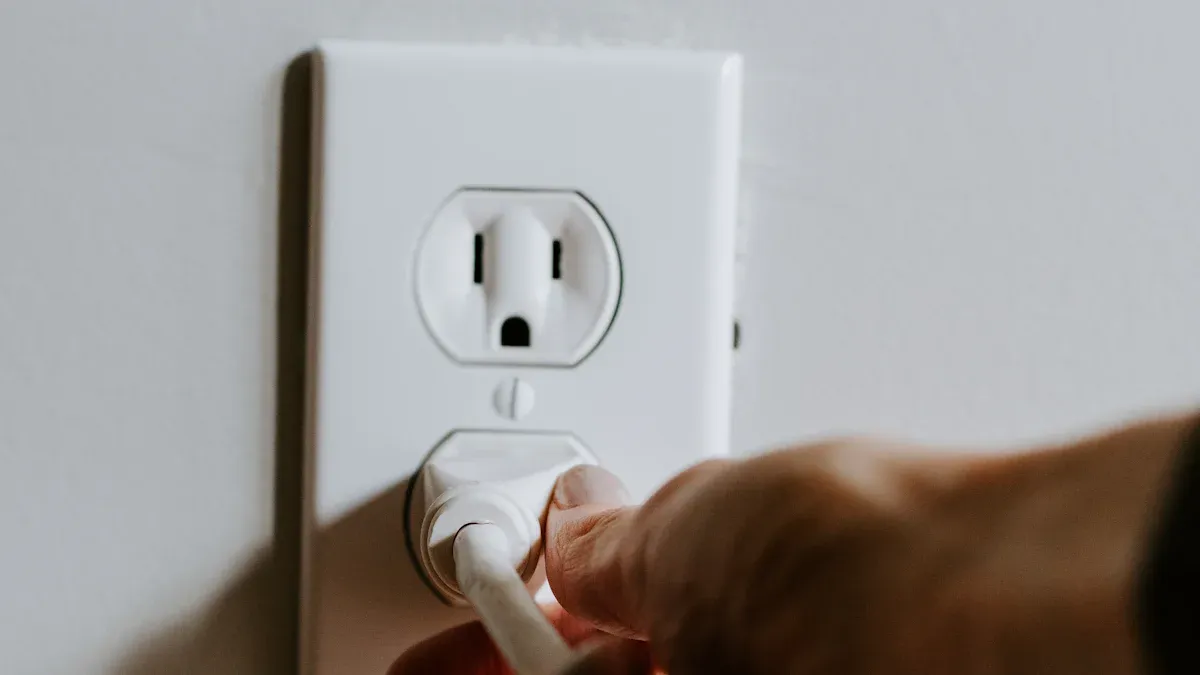
Furniture placement
What can you do to keep outlets out of sight? Move heavy furniture in front of outlets that you rarely use. A couch, bookshelf, or dresser can block your child’s path to plugs. This simple trick works well in living rooms and bedrooms. You do not need to buy anything extra. Just slide a piece of furniture over and you instantly make the outlet harder to reach.
Tip: Always check that the furniture sits flush against the wall. Gaps can tempt curious hands.
Hiding outlets
What are the best ways to hide outlets and keep your child safe? You have several options. Here is a quick table to help you see what works best:
| Best Practice | Description |
|---|---|
| Install Tamper-Resistant Receptacles | Outlets with shutters that block foreign objects unless equal pressure is applied. |
| Use Outlet Covers and Plugs | Covers that block the outlet completely, making it tough for kids to access. |
| Keep Electrical Cords Out of Reach | Secure cords so your child cannot pull or tug on them. |
| Educate Your Children About Safety | Teach your child about the dangers of outlets and why they should not touch them. |
You can also use plastic outlet plug covers or sliding outlet covers. These products cover the outlet and make it hard for your child to get to the plug. For outlets you use all the time, try box outlet covers. These enclose both the plug and the outlet, so your child cannot unplug anything.
Removing colorful objects
What draws your child’s attention to outlets? Bright or colorful objects near outlets can make them more curious. Remove toys, nightlights, or decorations that sit close to outlets. If you keep the area plain, your child may lose interest.
- Place only neutral items near outlets.
- Store colorful toys in bins or on shelves away from plugs.
This simple step helps prevent my child from focusing on outlets and keeps your home safer.
Cord management
Velcro strips
Velcro strips offer a simple way to organize cords around your home. You can wrap them around cables to keep everything neat and tidy. This trick helps you keep cords off the floor, which lowers the chance of tripping for kids and pets. When you bundle cords together, you make them less tempting for little hands to grab or pull. Velcro strips also help you keep cables out of sight, which can prevent my child from noticing and unplugging devices.
Here are some benefits of using Velcro strips:
- You keep cords organized and off the ground.
- You reduce tripping hazards for everyone in the house.
- You make it harder for kids to reach and play with loose cables.
Tip: Try using Velcro strips behind furniture or along walls. This keeps cords hidden and adds another layer of safety.
Extension cords from ceilings
What can you do when you need to use extension cords but want to keep them away from your child? Hanging extension cords from the ceiling is a clever solution. You can use hooks or clips to secure cords above your child’s reach. This method works well in playrooms or areas where you need power but want to keep cords out of sight.
Other cord management options include:
- Cord covers or organizers to tuck cords away neatly.
- Power strip covers that shield plugs from curious hands.
- Cord wraps and clips to secure cords along walls or behind furniture.
- Cord shorteners to bundle up extra length and make cords less tempting.
- Zip ties and command hooks to keep cords safely tucked away.
- Tamper-resistant outlets and childproof power strips for extra protection.
Managing cords not only keeps your child safe but can also help you save money. Unplugging devices or using power strips can save up to $100 each year. Standby power makes up about 5% to 10% of your electricity bill, so smart cord management can lower your costs.
Note: Keeping cords out of reach and organized helps you create a safer home and can lead to big savings over time.
Teach and reinforce boundaries
Safety education
You can teach your child about electrical safety. Kids learn best with simple lessons. Here’s a quick guide for each age group:
| Age Group | Safety Education Methods |
|---|---|
| Toddlers (2-4) | Tell them not to touch outlets. Use outlet covers to block them. Say not to play with cords. Explain that water and electricity are dangerous together. |
| Young Children (5-7) | Tell them not to plug in or unplug things alone. Explain why electronics near water are risky. Show how to handle cords safely. |
| Older Children (8-12) | Teach them how to plug in and unplug devices safely. Remind them to pull the plug, not the cord. Talk about why too many plugs in one outlet is unsafe. Discuss outdoor electrical safety. |
| Teenagers (13+) | Show how to use extension cords and power strips safely. Explain why DIY electrical work is risky. Teach what to do in emergencies. |
Use easy words when you talk about safety. Repeat your message often. This helps my child make safe choices around outlets and cords.
Clear rules
Clear rules help your child know what to do. You can set boundaries that are easy to follow. Try these ideas:
- Set screen time limits together. When your child helps, they feel responsible.
- Explain why you have rules about unplugging devices. Kids listen more when they know the reason.
- Keep devices out of bedrooms at night. This helps your child sleep better and keeps devices safe.
- Start with simple rules, like asking before touching outlets or cords.
Tip: Write your rules on a chart and hang it up. This helps your child remember what is safe.
Positive reinforcement
Praise works well when your child follows the rules. You can say, “Great job leaving the plugs alone!” or “Thank you for asking first.” This makes your child feel good and helps them keep safe habits.
- Tell your child that using devices safely is special.
- Give small rewards for following safety rules, like extra story time or a snack.
- Your praise helps your child feel proud and want to keep making safe choices.
Remember, positive reinforcement helps prevent my child from unplugging devices and teaches safety skills for life. 😊
Quick tips
Visual reminders
How can you help kids remember not to touch outlets? Visual reminders are helpful for many families. You can put bright stickers or signs near outlets and appliances. These colorful signs catch your child’s attention and remind them about electrical safety. Kids often notice simple and clear signs. A sticker with a “no touch” sign or a cartoon character can help a lot. When your child sees these reminders, they learn to be safe.
Tip: Pick stickers that are easy to see on your wall for better results.
Tape or labels
How can you make outlets and cords less interesting? Tape or labels are a quick way to help. You can use bright tape to mark places that are not safe to touch. Labels with words like “No Touch” or “Stop” remind your child to stay away. Some parents use washi tape or painter’s tape because it comes off easily and does not hurt the wall. This idea is good for busy families who want a fast and cheap fix.
- Use tape to show a “safe zone” around outlets.
- Put labels on power strips or extension cords.
- Change tape colors every few weeks to keep your child paying attention.
No-touch zones
How do you keep your child away from dangerous places? No-touch zones make clear rules. You can block off areas with furniture or use baby gates. Many parents also use childproof outlet plugs, power strip covers, and locking outlet covers. Tamper-resistant outlets have been used in new homes since 2008. These safety tools help stop my child from reaching outlets and getting hurt.
| Safety Measure | Description |
|---|---|
| Childproof outlet plugs | Go into open outlets to stop kids from using them. |
| Power strip covers | Go over surge protectors to keep them safe. |
| Locking outlet covers | Go over low outlets to keep kids out. |
| Tamper-resistant outlets | Needed in new and fixed homes since 2008. |
Did you know? About 89% of electrical outlet injuries happen to kids under six. Making no-touch zones can help keep your family safe.
- Show your child what to do by putting your own devices away during family time.
- Make activity kits to keep your child busy and away from outlets.
- Limit screen time and encourage play that does not use electronics.
You can stop my child from unplugging devices with outlet covers. Move furniture to block outlets and teach safety rules. Use barriers and set clear boundaries at home. Give quick reminders to help your child remember. As your child gets older, let them make choices. Let them help decide what rules to follow. Do not forget to make family plans together. Always show your child how to act safely. Change your plan as your child learns new things. Stay flexible and update your rules when needed.
FAQ
What outlet cover works best for toddlers?
You want tamper-resistant outlet covers. These covers have built-in shutters that block objects unless you push both sides at once. Most toddlers cannot open them, so you get better protection.
What should you do if your child keeps unplugging devices?
Try moving furniture to block outlets. Use double lock covers for extra safety. Teach your child about electrical dangers. Praise them when they follow rules. You can also use visual reminders like stickers.
What makes cords less tempting for kids?
You can bundle cords with Velcro strips. Hide them behind furniture or use cord covers. Kids notice loose cords, so keeping them out of sight helps a lot.
What quick fix helps busy parents keep outlets safe?
Plug in safety plugs or use outlet covers. Add bright tape or stickers as reminders. These tricks take only a few minutes and make outlets less interesting for your child.
What should you avoid placing near outlets?
Keep colorful toys, nightlights, and decorations away from outlets. Bright objects attract kids. Use neutral items instead. This simple change helps your child lose interest in outlets.
See also
How to Test a GFCI Circuit Breaker Safely
How to Diagnose Micro Circuit Breaker Malfunction in Your Home
Why Won’t My Circuit Breaker Reset and What Can I Do?
How to Safely Wire a 220V Circuit Breaker Step by Step