

If you see your child put fingers in a socket, act quickly. Electric shock can cause bad burns. It can also cause vision loss or hearing loss. It may hurt the brain. It can stop breathing or the heart. Almost seven kids get hurt by shock and burns every day. Some kids die each year from electrical accidents at home. Knowing the risks helps you stay calm and protect your child.
Key Takeaways
- Move fast if your child touches a socket. Turn off the power before you go near them. This helps you avoid getting shocked.
- Use something that does not carry electricity, like a dry towel or a wooden stick. Use it to pull your child away from the electricity.
- Look for signs of electric shock, like burns or changes in how your child acts. Get medical help even if your child looks okay.
- Stop accidents by using socket covers. Teach your child why electricity is dangerous.
- Keep checking your child for symptoms after a shock. Some problems may show up later.
Immediate Action
Remove Child Safely
If you see your child touching a socket, you must act fast. Do not touch your child while they are still in contact with the electrical source. You could get shocked too.
Tip: Always check if your child is still touching the socket before you move closer.
Follow these steps to keep everyone safe:
- Disconnect the power supply if you can reach it quickly. Turn off the main switch or unplug the device.
- Look for any risks around you. Make sure you stay safe before helping your child.
- Check if your child responds to your voice or touch after you remove the danger.
Use Non-Conductive Object
Never use your bare hands to pull your child away from electricity. You must use a non-conductive object, such as a dry wooden broom handle or a dry towel. These items do not carry electricity.
- Using metal or wet objects can cause electric shock to you.
- Non-conductive objects help you separate your child from the socket safely.
- If you see a live wire, lift it away with a dry stick or similar item.
Alert: Electric shocks can cause burns, nerve damage, or even death, especially in young children. Always use safe tools to help.
Call for Help
Call emergency services right away if your child is unresponsive or seems badly hurt. You should also seek medical help if you notice any worrying symptoms after the shock.
- Dial 911 or your local emergency number.
- Tell the operator what happened and follow their instructions.
- Stay calm and keep your child as comfortable as possible until help arrives.
Note: Quick action and medical care can save lives after an electric shock.
Electric Shock Symptoms
Physical Signs
If your child gets an electric shock, you may see some signs. Some signs show up right away. Others take longer to appear. Check your child’s skin, especially near the mouth and hands. The table below lists common physical symptoms you might notice:
| Symptom Description | Details |
|---|---|
| Electrical mouth burn | Looks like a burn on the lip. It can be red or dark and may look charred. |
| Contact burns | These burns are worst where the skin touched the electricity. They often show up on hands, heels, or head. |
Tip: Burns from electricity may look small but can hurt deeper under the skin.
You might also see swelling, redness, or blisters. Sometimes, the skin looks pale or gray. Your child might say the area hurts or feels tingly.
Behavioral Changes
After an electric shock, your child might act in new ways. Watch for changes in mood or behavior. Some kids feel tired or weak. Others may forget things or seem sad. Your child might say they have pain that will not stop. These changes can mean the brain or nerves are affected. Memory loss, depression, and feeling tired can also happen. If you see these signs, take them seriously.
When to Seek Care
Some symptoms mean you need to get help right away. The table below shows warning signs that need urgent care:
| Warning Sign | Description |
|---|---|
| Loss of consciousness | Even a short time means something is very wrong. |
| Abnormal breathing | Breathing too fast or too slow is a big problem. |
| Irregular heartbeat | Heartbeat that is too fast, too slow, or not steady. |
| Internal damage potential | There can be damage inside even if you do not see it. |
Alert: If you see any of these warning signs, call emergency services right away. Acting fast can save your child’s life.
Treatment and Aftercare
First Aid Steps
When your child experiences an electric shock, you need to know what steps to take right away. Acting quickly can make a big difference. Here is what you should do:
- Ensure safety: Turn off the power source before you approach your child.
- Check for response: Gently tap your child and call their name to see if they respond.
- Call for help: Ask someone to call 911 while you check your child’s condition.
- Open the airway: Tilt your child’s head back and lift their chin to clear the airway.
- Check for breathing: Look, listen, and feel for breathing for about 10 seconds.
- Start CPR if needed: If your child is not breathing, begin chest compressions and rescue breaths.
- Use an AED if available: Follow the device’s instructions if you have one nearby.
Tip: Always make sure the area is safe before you help your child. Never touch your child if they are still in contact with electricity.
Medical Attention
After first aid, you need to know what medical care your child might need. Doctors use several tests to check for hidden injuries:
| Type of Evaluation | Description |
|---|---|
| Electrocardiograms (ECGs) | Checks heart function and looks for irregular heartbeats. |
| Laboratory Testing | Finds problems with body chemicals or electrolytes. |
| Imaging Studies | Looks for internal injuries or complications from the shock. |
Doctors may also look for burns, nerve damage, or signs of heart problems. Even if your child seems fine, a medical check is important.
Monitor at Home
You should watch your child closely after an electric shock. Some symptoms may appear later. Here is what to look for:
- Severe burns on hands, heels, or head
- Burns to the mouth that look red
- Shortness of breath or chest pain
- Abdominal pain
- Numbness, tingling, or trouble seeing, hearing, or speaking
Alert: You should contact a healthcare provider if you notice any of these symptoms. Even if your child seems well, a doctor’s visit is a good idea.
You need to keep monitoring your child for at least one year. Problems with memory, mood, or nerves can show up months after the shock. Regular checkups help catch these issues early.
Socket Safety Prevention
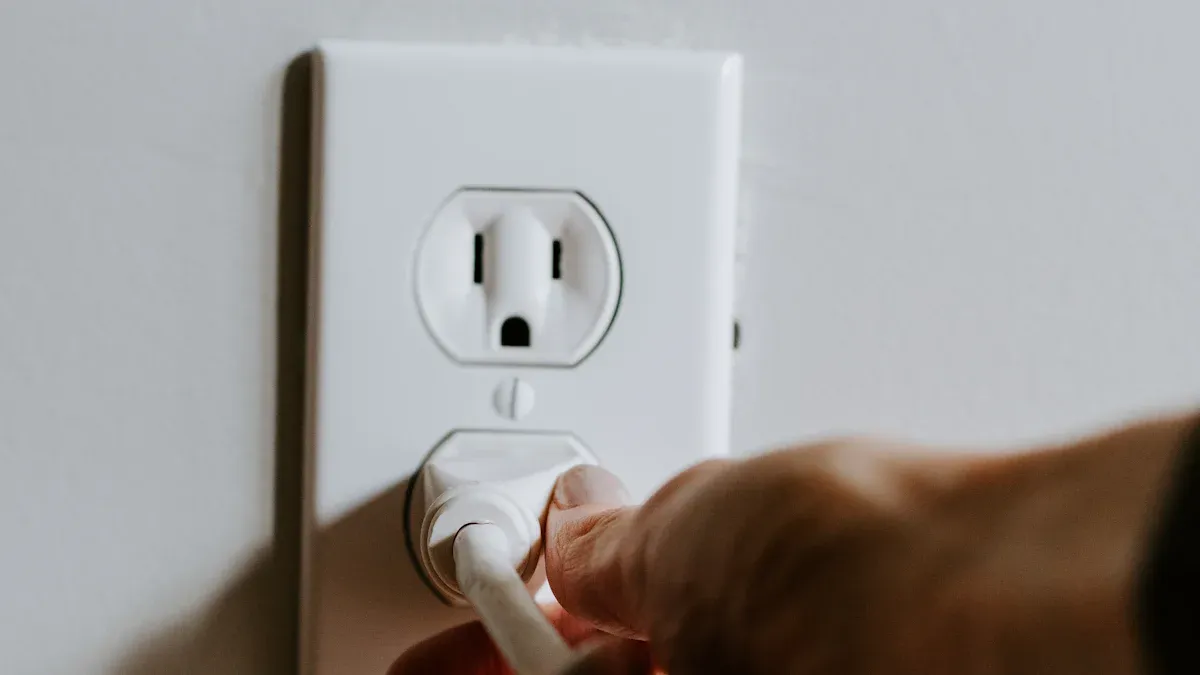
Socket Covers
You can keep your child safe by using socket covers. These covers stop children from touching sockets. They also make it hard to put things inside sockets. The table below lists different socket covers you can use at home:
| Type of Socket Cover | Description |
|---|---|
| Tamper-Resistant Outlets | Spring-loaded shutters block access when not in use. |
| Sliding Outlet Covers | Covers close automatically when you unplug a device. |
| Outlet Caps | Plastic plugs fit into sockets and are easy to install. |
| Outlet Boxes | Enclose the socket for extra protection. |
| Socket Lockit | Special product for added safety. |
Pick socket covers that fit your outlets well. Make sure they are tough for kids to take off. Tamper-resistant outlets are good for new homes. Outlet caps and sliding covers work fast for old sockets.
Educate Children
Teaching your child about socket safety helps stop accidents. Kids as young as 2 or 3 can learn simple safety rules. Try these ideas:
- Put outlet plugs in sockets and show kids they are not toys.
- Teach toddlers to say “owie” when they see a socket. This helps them know it is dangerous.
- Use stories or stickers to remind preschoolers about socket risks.
- Do hands-on activities to show how electricity works.
- Use games and quizzes from websites to help kids learn.
- Practice safe habits with role-play and reminders.
Check what your child knows often as they get older.
Safe Home Tips
You can make your home safer with a few changes:
- Put socket covers on every unused socket.
- Install ground-fault circuit interrupters (GFCIs) to cut power if there is a problem.
- Keep extension cords out of reach so kids cannot chew or trip.
- Unplug appliances when you are not using them.
- Block rooms with lots of sockets or electrical devices.
- Watch children closely, especially as they grow and learn new things.
Tip: Say “NO” firmly if your child goes near a socket. Watching your child and making your home safe lowers the chance of injury.
If your child puts fingers in a socket, act fast. First, try to stay calm and look at what happened. Turn off the power before you touch your child. Call for help right away and give first aid if you know how. Even if you do not see injuries, get medical help. Sometimes, damage happens inside the body with no signs. Use tamper-resistant sockets and keep cords safe. Teach your child why electricity is dangerous. When you know what to do, accidents are less likely. Learning about safety helps you keep your family safe every day.
FAQ
What should you do if your child puts something other than fingers in a socket?
Remove your child from the socket safely. Use a non-conductive object. Call emergency services if needed. Watch for burns or other symptoms. Seek medical care even if your child seems fine.
What are the most common injuries from electrical sockets?
Children often get burns on their hands or mouth. Some may have muscle pain or trouble breathing. Electric shock can also affect the heart or brain. You should always check for hidden injuries.
What makes tamper-resistant outlets safer for children?
Tamper-resistant outlets have built-in shutters. These shutters block objects from entering the socket unless you insert a plug. You add an extra layer of safety to your home with these outlets.
What signs show that your child needs emergency care after a shock?
Look for loss of consciousness, trouble breathing, or irregular heartbeat. Severe burns or confusion also mean you need help right away. Call 911 if you see any of these signs.
What can you teach your child about socket safety?
You can teach your child that sockets are not toys. Use simple words and show them safe habits. Remind them to never touch sockets or put objects inside. Repeat these lessons often.
See also
What simple tricks prevent my child from unplugging devices
7 signs of circuit breaker damage
How to Identify the Most Suitable Wall Socket for Your Space
What is the Right Socket for Your Home, 15 Ampere or 20 Ampere
What Is the Maximum Number of Appliances a Socket Can Handle