

Most home sockets can safely power two or three appliances at once, but you need to check the total wattage and the amp rating first. Always add up the current draw for your devices so you stay below the outlet’s limit. If you go over, you risk overheating, fire, or damaging your equipment. To keep things safe, learn how to calculate the load for your own setup.
Key Takeaways
- Check the amp rating of your socket before you plug in things. Most home sockets in the U.S. are rated for 15 or 20 amps.
- Always add up the wattage of all devices you want to use. Do not go over 80% of the socket’s maximum limit. This helps stop overheating.
- Use different outlets for high-wattage appliances like microwaves and air conditioners. This stops overload and lowers fire risks.
- Watch for warning signs of overload, like warm outlets or flickering lights. Act fast if you see these signs to keep your home safe.
- Think about asking a licensed electrician for help if you often have tripped breakers or warm outlets. Regular checks can help keep things safe.
Socket Capacity
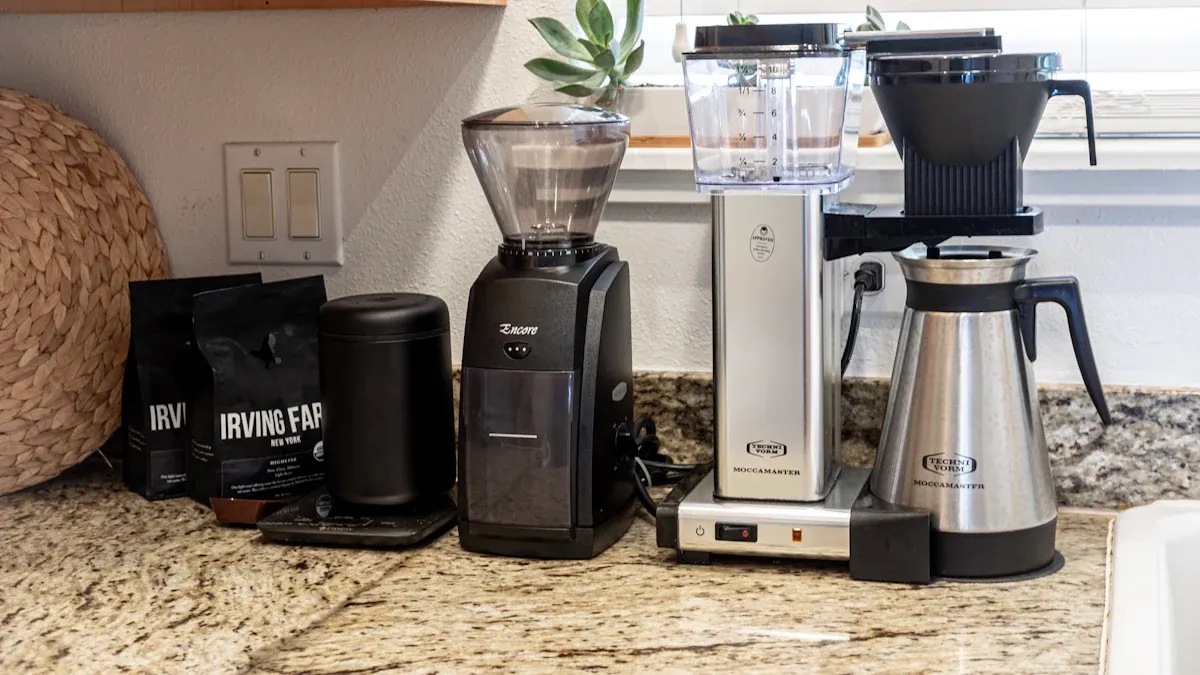
Outlet Ratings
You must know the amp rating before using a socket. Most home sockets in the United States are 15 or 20 amps. In Europe and the United Kingdom, the numbers are a bit different. The table below shows the usual amp ratings for home sockets in different places:
| Region | Common Amp Ratings | Example Outlets/Plugs |
|---|---|---|
| United States | 15A, 20A | NEMA 14-15R, 6-15R, 5-15R, 1-15R (15A); NEMA 14-20R, 6-20R, 10-20R (20A) |
| United Kingdom | 13A | BS 1363 |
| Europe | 16A | IEC-compliant outlets |
Electrical codes like the National Electrical Code (NEC) set these amp ratings for safety. Always look at the label on your socket to find its rating. If you use more power than allowed, you could cause overheating or fire.
Appliance Wattage
Every appliance you plug in uses a certain amount of power. This power is measured in watts. Some appliances use only a little power. Others use a lot more. The table below shows the usual wattage range for common appliances:
| Appliance | Wattage Range (watts) |
|---|---|
| Microwave | 600 to 1,200 |
| Refrigerator | 100 to 800 |
| Dishwasher | 1,200 to 1,500 |
| Washing Machine | 400 to 1,500 |
| Electric Furnace | Up to 10,000 |
| Garbage Disposal | 500 to 1,500 |
If you want to compare, look at the chart below. It shows how much power different appliances use:
Add up the wattage of all appliances you want to plug into one socket. If the total is too high for your socket, unplug something or use another outlet.
Tip: Most home sockets can handle two or three appliances, but only if their total wattage is under the socket’s amp rating.
What Happens If You Exceed Socket Capacity?
Plugging in too many devices or high-wattage appliances can overload your socket. This can cause big problems. Here is what might happen if you go over the amp rating:
- Devices and wires can get too hot, which can start electrical fires.
- Heat can make wires move, causing loose connections and arcing.
- Arcing makes a lot of heat and can burn things like wood or insulation.
- Electrical fires can start behind walls and spread before you notice.
- Never use water to put out electrical fires because it can shock you.
The link between appliance wattage and socket amp rating is important. The table below shows how much wattage different amp ratings can handle:
| Circuit Type | Amperage (A) | Voltage (V) | Maximum Wattage (W) |
|---|---|---|---|
| 15-amp 120-volt circuit | 15 | 120 | 1,800 |
| 20-amp 120-volt circuit | 20 | 120 | 2,400 |
| 25-amp 120-volt circuit | 25 | 120 | 3,000 |
| 20-amp 240-volt circuit | 20 | 240 | 4,800 |
| 25-amp 240-volt circuit | 25 | 240 | 6,000 |
| 30-amp 240-volt circuit | 30 | 240 | 7,200 |
| 40-amp 240-volt circuit | 40 | 240 | 9,600 |
| 50-amp 240-volt circuit | 50 | 240 | 12,000 |
| 60-amp 240-volt circuit | 60 | 240 | 14,400 |
You can also see how wattage goes up with amp rating in the chart below:
Note: Plugging in more than two or three appliances is not safe unless you check the total wattage and make sure it is under your socket’s rating.
If you ignore these limits, you could break your appliances or harm your home. Always check the ratings and add up the wattage before plugging in many devices.
Socket Load Calculation
Understanding how to calculate the load on a socket helps you prevent overloads and keep your home safe. You need to know what information to look for, how to add up the numbers, and how to check if your setup is safe.
Find Ratings
Start by checking the rating labels on both your socket and your appliances. These labels show the maximum voltage and amperage the socket can handle. For example, a socket might say “16A 250V,” which means it can safely carry up to 16 amps at 250 volts. Appliances also have labels that show their maximum current or power rating. This information is essential because using more power than the rating allows can cause overheating or even fires. Always make sure your appliances match the voltage and current limits of your socket.
Tip: If you cannot find the label, check the user manual or look for a sticker near the plug or on the back of the device.
Calculation Steps
You can follow these steps to calculate the total load on a socket:
- Write down the wattage of each appliance you want to plug in.
- Add up the wattage numbers to get the total.
- Check the voltage of your socket (usually 120V or 240V).
- Use the formula:
Amps = Total Watts / Voltage - Compare the result to the amp rating on your socket.
- Leave a safety margin. Do not use more than 80% of the socket’s maximum capacity.
- If the total is too high, unplug something or use another socket.
Here are some common formulas you might see:
- Power (Watts):
P = I x E(where P is power in watts, I is current in amps, and E is voltage) - For a 15-amp, 120-volt socket:
15 x 120 = 1,800 wattsmaximum
⚠️ Warning: Plugging in too many high-wattage appliances at once can quickly overload a socket. This can cause wires and outlets to overheat, which is a fire hazard.
Example
Let’s look at a real-world example. Imagine you want to plug a microwave, a toaster, and a coffee maker into the same socket. Here are their wattages:
| Appliance | Wattage (W) |
|---|---|
| Microwave | 1,000 |
| Toaster | 800 |
| Coffee Maker | 900 |
Add up the wattages:
- Total = 1,000 + 800 + 900 = 2,700 watts
Now, check your socket. If you have a standard 15-amp, 120-volt socket:
- Maximum safe load = 15 x 120 = 1,800 watts
Your total (2,700 watts) is much higher than the safe limit (1,800 watts). You should not plug all three appliances into the same socket. Instead, use separate sockets or unplug one appliance before using another.
Common Mistakes: Many people forget to check the total wattage or use extension cords as a long-term fix. Plugging too many devices into one socket or using high-powered appliances together can lead to blown fuses, electric shocks, or even fires. Always keep high-draw appliances like microwaves and air conditioners on separate circuits.
By following these steps, you can keep your home safe and avoid the dangers of socket overload.
Socket Overload Risks
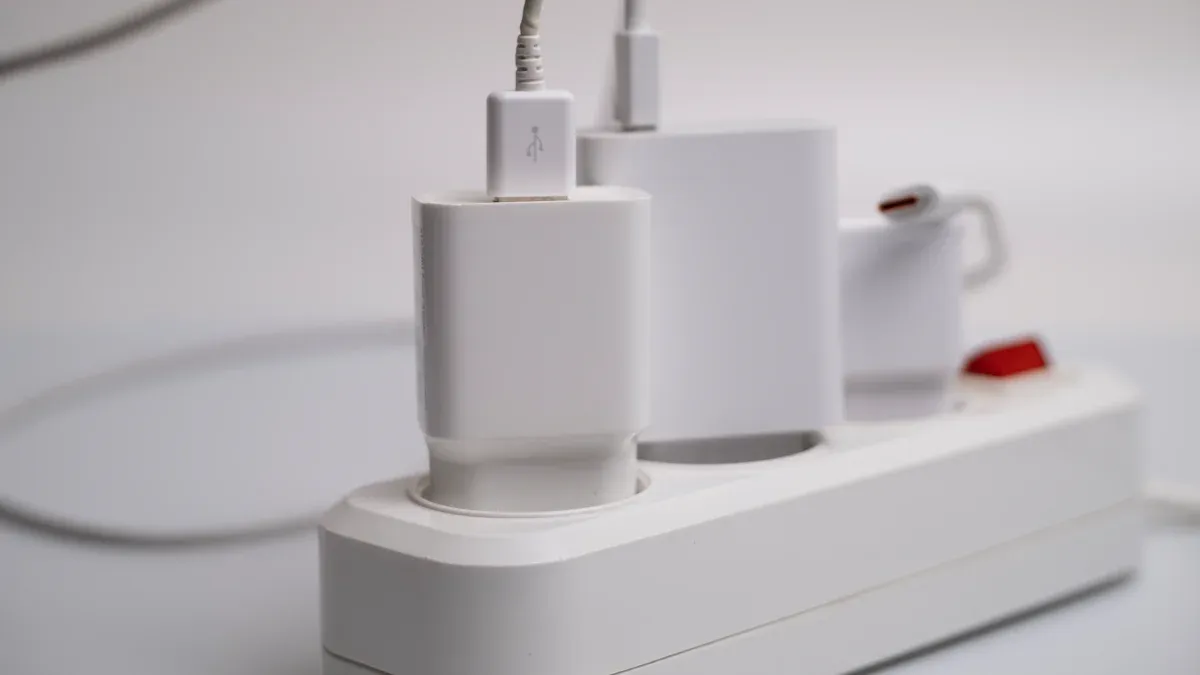
Warning Signs
Socket overload can be very dangerous at home. You could have a fire, break your things, or get shocked. Fire departments say these problems happen a lot when sockets are overloaded:
- Sockets can get too hot.
- Short circuits can happen.
- Fires can start and burn slowly.
- Cables can catch fire and spread.
You should look for signs that a socket is overloaded. These signs help you find problems early:
- Lights may flicker or get dim when you use appliances.
- You might hear buzzing from outlets or switches.
- Outlet covers can feel warm.
- You may smell burning from outlets or switches.
- Plugs or outlets can look burned.
- Appliances may not work right.
- Electronics can run slow.
- You might feel a tingle when you touch outlets or appliances.
- You could smell hot plastic or burning near a socket.
- Plugs or appliances might spark or smoke.
- Sockets or plugs can have black marks.
- Wires can look damaged or frayed.
- You might see colored wires sticking out.
- Plastic on appliances can melt.
- Fuses can blow or breakers can trip for no reason.
If you see any of these signs, do something fast. If you ignore them, you could have a fire or damage your home’s wiring.
What to Do
If you think a socket is overloaded, act right away to stay safe. Experts say you should do these things:
- Unplug everything from the socket to lower the load.
- Turn off the breaker to stop damage or fire.
- Do not use extension cords all the time, they can make it worse.
- Do not use many high-wattage appliances on one circuit if you still have problems.
Overloaded sockets cause over 5,000 house fires every year. If your breaker trips a lot or outlets feel warm, your wiring may be in danger. If this keeps happening, call an electrician.
Homeowners insurance usually pays for fire damage from overloaded outlets. It can help with fixing your house, paying for things you lost, and giving you a place to stay if you need to leave.
You can keep your home safe if you know the warning signs and act quickly when you see trouble.
Safe Usage Tips
Power Strips
Power strips and extension cords let you plug in more things. You must use them the right way to stay safe. Pick power strips and cords with a safety label from a trusted lab, like UL Listed. Do not plug big appliances, such as microwaves or refrigerators, into a power strip. These need to go straight into a wall outlet. Never use cords or strips that are broken. Do not connect many power strips together. If your circuit breaker trips, it means there could be danger. Do not use three-to-two prong adapters. If you use electrical items near water, plug them into a Ground Fault Circuit Interrupter (GFCI) outlet.
Tip: Most home power strips can handle up to 15 amps. For safety, use less than 12 amps. This matches the safe limit for most wall outlets.
Safe practices for power strips and extension cords:
- Choose the right cord for your appliance’s power needs.
- Check the cord’s length; long cords can get too hot.
- Look at cords often to see if they are damaged.
- Only use cords and strips that are approved.
Spread Load
You can stop overload by using different outlets and circuits for your appliances. High-power devices, like air conditioners and electric stoves, should have their own circuits. Spread out your devices so no outlet or circuit has too much load. If you have lots of electronics, think about adding more outlets where you need them. Smart plugs help you watch energy use and control devices from far away. Unplug things you are not using to lower the load.
Best practices for spreading load:
- Use more than one outlet for your devices.
- Put high-wattage appliances on their own circuits.
- Make sure the load is balanced across your home’s wiring.
Call a Pro
Sometimes you need an expert to keep your home safe. If breakers trip a lot, you smell burning, see sparks, or feel warm outlets, call a licensed electrician. Regular checks can find problems before they get bad. Electricians can upgrade outlets, add GFCIs, and check your wiring for safety. In older homes, experts can help you fix old wires and keep your insurance good.
| When to Call an Electrician | Why It Matters |
|---|---|
| Frequent breaker trips | Shows overload or wiring problems |
| Burning smells or sparks | Means there are serious electrical dangers |
| Warm outlets or flickering lights | Can mean overload or bad wiring |
| Regular safety inspections | Stops hazards and keeps your home safe |
Note: If you are not sure about your socket’s capacity or see warning signs, always ask a professional for help.
You should always check socket and appliance ratings before plugging in devices. Follow these steps to stay safe:
- Know your outlet’s amperage, usually 15 amps.
- Add up the wattage of all devices.
- Use less than 80% of the outlet’s capacity.
- Limit to two or three devices per socket.
- Watch out for high-wattage appliances.
- Spread devices across outlets.
- Put safety first with power strips and extension cords.
Overloaded circuits can cause fires. Warm outlets, flickering lights, or frequent breaker trips are warning signs. Address these signs quickly to protect your home.
If you feel unsure, contact a licensed electrician. Regular inspections and using GFCIs in wet areas help keep your home safe.
FAQ
What happens if you plug too many appliances into one socket?
You risk overheating the socket. This can cause fires or damage your devices. You should always check the total wattage before plugging in more appliances.
⚠️ Overloaded sockets can spark or melt. Unplug devices if you notice heat or burning smells.
What is the safest way to use a power strip?
You should only use power strips for low-wattage devices. Plug high-wattage appliances directly into wall outlets. Always check the strip’s amp rating before use.
- Choose UL Listed power strips.
- Never connect multiple strips together.
What signs show a socket is overloaded?
You might see flickering lights, warm outlets, or smell burning plastic. Plugs may spark or look burned. Breakers can trip often.
| Warning Sign | What It Means |
|---|---|
| Warm outlet | Too much load |
| Burning smell | Fire risk |
| Tripped breaker | Overload detected |
What should you do if a breaker keeps tripping?
You should unplug devices from the socket. Turn off the breaker. Call a licensed electrician to check your wiring. Do not use extension cords as a fix.
Safety first! Frequent trips mean your circuit needs help.
What appliances should never share a socket?
You should keep microwaves, air conditioners, and space heaters on separate outlets. These use a lot of power and can overload a socket quickly.
- Plug high-wattage devices into their own outlets.
- Spread out your appliances for safety.
See also
What is the Right Socket for Your Home, 15 Ampere or 20 Ampere
How to Identify the Most Suitable Wall Socket for Your Space
How to Accurately Calculate Electricity Load for Your Household
Panel Surge Protector Pros and Cons for Homeowners
What should I do if the circuit is overloaded?