

You want your child to be safe at home. Electrical accidents can happen fast. Kids under 12 are 63% of shock victims. Easy changes can keep your child away from sockets. You can use things you have at home to make it safer. Act now to stop accidents and feel sure about your child’s safety.
Key Takeaways
- Put socket covers on outlets you are not using. They stop kids from touching the sockets.
- Use sliding socket plates for more safety. These plates close by themselves when not used. This makes it harder for kids to reach the outlets.
- Move furniture to block sockets. Put heavy things in front of outlets you do not use. This helps keep kids safe.
- Check socket covers and outlets often. Look at them every month for any damage. This keeps your child safe.
- Talk to your child about electrical safety early. Tell them why sockets and cords are dangerous. Use simple words they can understand.
Socket Covers
To keep your child safe, block electrical sockets. Socket covers make outlets harder for kids to touch. There are different types of covers. Each one protects in its own way. Let’s see what kinds there are, how to put them on, and how well they work.
Types
You can pick from many socket covers. Each type is easy or hard to use. Here is a simple chart:
| Type of Cover | Description | Price |
|---|---|---|
| Childproof Outlet Covers | Hides unused outlets; can match wall color. | N/A |
| Sliding Plate Covers | Slides back after use; good for busy outlets. | ~$17/3-count |
| Plug Covers | Blocks used outlets; simple to use. | ~$16 |
| Safety 1st Outlet Cover | Cheap for thin cords; not for thick cords. | ~$5 |
| Safety 1st Power Strip Cover | Fits most power strips; not perfect but helps. | ~$10 |
| Wappa Baby Power Strip Cover | Covers the whole power strip for more safety. | ~$24 |
Plug covers and sliding plate covers are common picks. Most are made from BPA-free plastic. This means they do not have bad chemicals.
Installation
Most socket covers are easy to put on. You will need:
- Light socket cover
- Phillips screwdriver
- Flathead screwdriver (sometimes)
- Safety gloves
Pick the right cover for your outlet. Plug covers push into the socket. Sliding plate covers may need a screwdriver. Always wear safety gloves. Make sure the cover fits tight. Small fingers should not be able to pull it off.
Tip: Put covers on every unused socket. Bedrooms and play areas need them most.
Effectiveness
Socket covers stop kids from touching sockets. They lower the chance of kids putting things inside. Studies show snap-on covers are not very safe. Many kids can open them. Locking covers are safer. They need a strong push to open. Tamper-resistant outlets are the safest. They have shutters that only open if both holes are pressed.
| Type of Cover | Effectiveness Against Children | Notes |
|---|---|---|
| Basic Snap-On Cover | Low | Kids can open these easily, so they do not protect much. |
| Locking Outlet Cover | Moderate | Needs a strong push, so kids cannot open it easily. |
| Tamper-Resistant Outlet | High | Shutters block access unless both holes are pressed, so it is very safe. |
No cover works perfectly. Some are easy for kids to take off. Check covers often to make sure they stay on. Using socket covers helps you feel safe and keeps kids from electric shock.
Sliding Socket Plates
How They Work
Sliding socket plates are made to help keep kids safe. These plates have shutters inside and a spring that moves the cover. When you are not using the socket, the cover slides back. This hides the holes and blocks them. You can only use the socket if you push both prongs in at once. This makes it hard for kids to stick things inside. The cover closes by itself after you pull out a plug. This keeps the socket covered all the time. You do not need to remember to put a cover back on.
Note: Sliding socket plates are also called tamper-resistant receptacles (TRRs). They give extra safety, but nothing is 100% safe for kids. Always watch your child.
Installation Steps
You can put in sliding socket plates with a few tools. Here are the steps:
- Turn off the power at the breaker box.
- Use a screwdriver to take off the old cover.
- Put the new sliding plate over the outlet.
- Screw it in with the screws that come with it.
- Turn the power back on and test it with a plug.
Most sliding socket plates fit normal outlets. It is quick to install and does not need special skills. The cover starts working right after you put it on.
Benefits
Sliding socket plates have many good points for child safety:
- They cover the holes by themselves, so you do not have to remember.
- There are no loose parts, so there is no choking risk.
- Kids cannot take off the plate like they can with other covers.
- The plates are made from plastic that puts out fires and meet safety rules.
- You can feel calm, even in busy rooms where kids play.
| Feature | Traditional Socket Covers | Sliding Socket Plates |
|---|---|---|
| Child Resistance | Can be removed by children | Automatically seals, hard to bypass |
| Choking Hazard | Possible | None |
| Installation | Simple | Simple |
Sliding socket plates last a long time in most homes. You can trust them to help keep kids safe from electric accidents.
Block Sockets
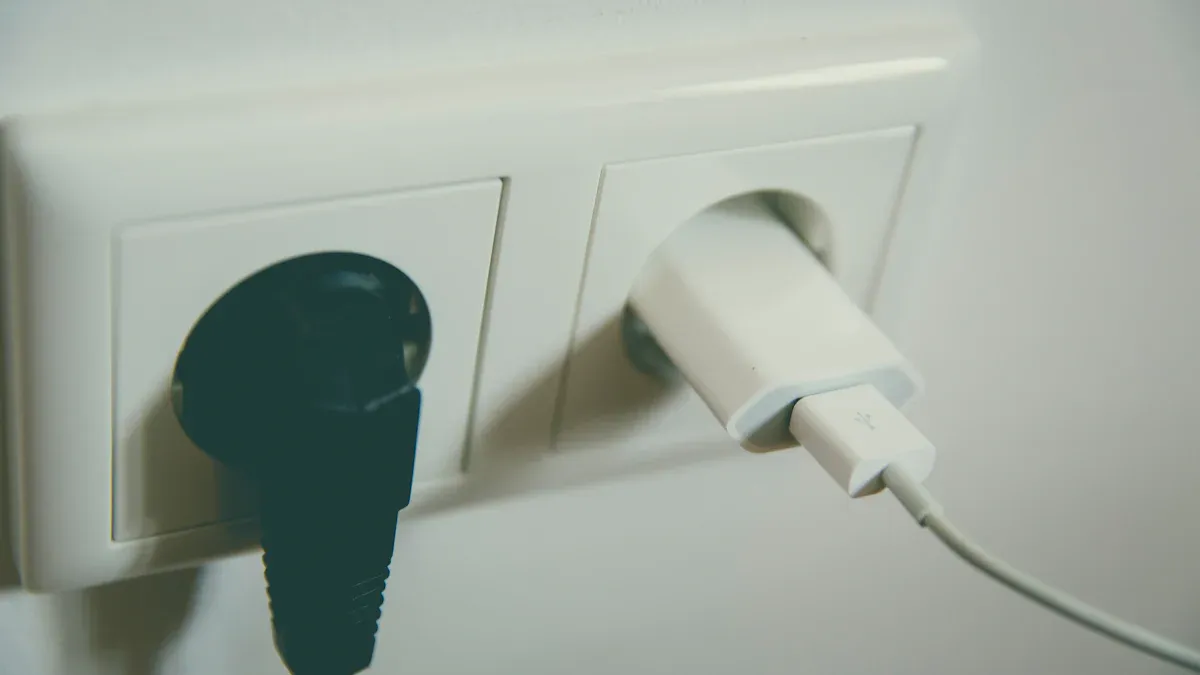
Furniture Placement
You can use furniture to block unused sockets. This trick works in most homes. Put heavy things, like bookshelves or dressers, in front of outlets. This hides the socket and keeps kids away. When you set up furniture, look at each room’s layout. Try to cover as many unused outlets as you can. Focus on play areas and bedrooms.
Here are some good ways to arrange furniture for safety:
- Move big furniture in front of unused outlets to hide them.
- Use cord tools to keep cords hidden and stop trips.
- Pick tamper-resistant sockets for more protection.
- Put socket covers on outlets you cannot block.
- Make safe zones for kids to play far from outlets.
- Ask an expert for help if your room is shaped oddly.
Tip: Make sure blocking a socket does not cause new problems, like trapped cords or blocked vents.
Safety Tips
When you block sockets with furniture, watch the cords too. Keep cords out of reach so kids cannot pull or chew them. Use clips or covers to hold loose wires. Check that furniture is tight against the wall. There should be no gaps for kids to squeeze through. Do not block exits or make places where people can trip.
Considerations
Check blocked sockets often to keep them safe and easy to reach. Moving furniture or adding decorations can change socket safety. Use this table to help you remember when to check blocked outlets:
| Frequency of Check | Reason for Check |
|---|---|
| Monthly | Make sure covers are tight and not broken. Find problems early. |
| Seasonal Changes | Look for new setups from decorations or moving things. |
| After Major Events | Check all safety steps after big changes or fixing up your home. |
If you follow these steps, your home will be safer for your child. You will lower the chance of electrical accidents.
Socket Safety Tips
Regular Checks
You need to inspect your outlets and socket covers often. Damaged covers or loose outlets can put your child at risk. Look for cracks, loose screws, or signs of wear. Replace covers every three to five years or sooner if you see damage. Test GFCI outlets each month to make sure they work. Unplug devices when you finish using them. Keep outlets dry and covered. Hire a licensed electrician for any new installations or repairs. If you renovate your home, check all wiring and outlets for safety.
Tip: Make a checklist for monthly inspections. This helps you catch problems early and keeps your home safe.
Quick Safety List:
- Test GFCI outlets monthly
- Replace damaged covers right away
- Avoid overloading power strips
- Keep outlets dry
- Unplug unused devices
Teach Children
Start teaching your child about electrical safety as early as toddler age. Use simple words and clear rules. Show your child which areas are off-limits. Explain why sockets and cords are dangerous. Remind your child to keep electrical devices away from water. Teach them to avoid fallen or broken wires. If they see sparks or someone gets hurt, tell them to call 911.
How to Teach Electrical Safety:
- Train your child to stay away from sockets and cords.
- Explain the dangers of electricity in easy terms.
- Remind them to keep devices far from water.
- Tell them to avoid fallen or broken wires.
- Teach them to call for help in emergencies.
Note: Repeat lessons often and add more details as your child grows.
Tamper-Resistant Outlets
Tamper-resistant outlets use built-in shutters to block foreign objects. You can find these outlets in new homes because building codes require them. These outlets lower the risk of shock and burns for children. Each year, about 2,400 children go to the emergency room after inserting objects into outlets. Tamper-resistant outlets help prevent these accidents. They work better than removable covers, but you still need to watch your child. No outlet is completely childproof.
| Feature | Tamper-Resistant Outlet | Regular Outlet |
|---|---|---|
| Built-in shutters | Yes | No |
| Child safety | High | Low |
| Required in new homes | Yes | No |
Reminder: Tamper-resistant outlets add safety, but you must still teach your child and check outlets often.
You can keep your child safe by using socket covers, sliding socket plates, and putting furniture in front of sockets. These tricks help stop electrical accidents. They also help your child learn safe habits.
| Type of Socket Cover | Benefits |
|---|---|
| Child Safety Covers | Block outlets so kids cannot reach them. |
| Tamper-Resistant Outlets | Have shutters that stop things from being pushed inside. |
| Sliding Outlet Covers | Close by themselves to keep outlets covered. |
The National Safety Council says these steps lower shock risk for kids. You help your family feel safe and make your home safer. Keep teaching your child about safety as they get older. You are making a good choice for your child’s future. 😊
FAQ
What is the easiest way to childproof sockets?
You can use plug covers. Push them into unused outlets. These covers block access and stop children from inserting objects. You do not need special tools. Choose covers that fit tightly.
How often should you check socket covers?
Check socket covers every month. Look for cracks or loose parts. Replace damaged covers right away. Regular checks help you spot problems early and keep your child safe.
Can you use furniture to block all sockets?
You can block many sockets with furniture. Place heavy items like bookshelves in front of outlets. Make sure furniture does not block exits or create new hazards. Always check for gaps where children might reach.
Are tamper-resistant outlets enough for safety?
Tamper-resistant outlets add strong protection. Built-in shutters block objects. You should still use socket covers and teach your child about electrical safety. No method works perfectly alone.
What should you do if a socket cover breaks?
Remove the broken cover right away. Replace it with a new one. Do not leave outlets uncovered. Damaged covers can increase the risk of electric shock.
See also
What simple tricks prevent my child from unplugging devices
What Parents Should Know About Children and Socket Safety
How to Select and Replace the Right Circuit Breaker
What is the Right Socket for Your Home, 15 Ampere or 20 Ampere
Metal or Plastic Socket Cover Which Is Better for Your Home
