

The best position of the circuit breaker box keeps you safe and makes it easy to reach in an emergency. Safety matters because each year, about 51,000 electrical fires happen in U.S. homes, causing 500 deaths and $1.3 billion in property damage.
- You need at least 3 feet of open space in front of the box.
- The box should be between 4 feet and 6 feet 7 inches high.
- Always install the box in a dry, easy-to-access area to meet code and prevent hazards.
Key Takeaways
- Put the circuit breaker box in a dry place. Make sure it is easy to reach. This helps keep your home safe. It also follows building rules.
- Leave at least 3 feet of space in front of the box. Place the box between 4 feet and 6 feet 7 inches high. This makes it easy to get to.
- Good places for the box are garages, basements, or utility rooms. You can also put it on outside walls. These spots keep the panel safe and easy to reach.
- Do not put the breaker box in bathrooms or closets. Do not put it in main living areas. This helps stop safety problems and breaking the rules.
- Always follow local building rules. Ask a licensed electrician before you put in or move the circuit breaker box.
Position of the Circuit Breaker Box
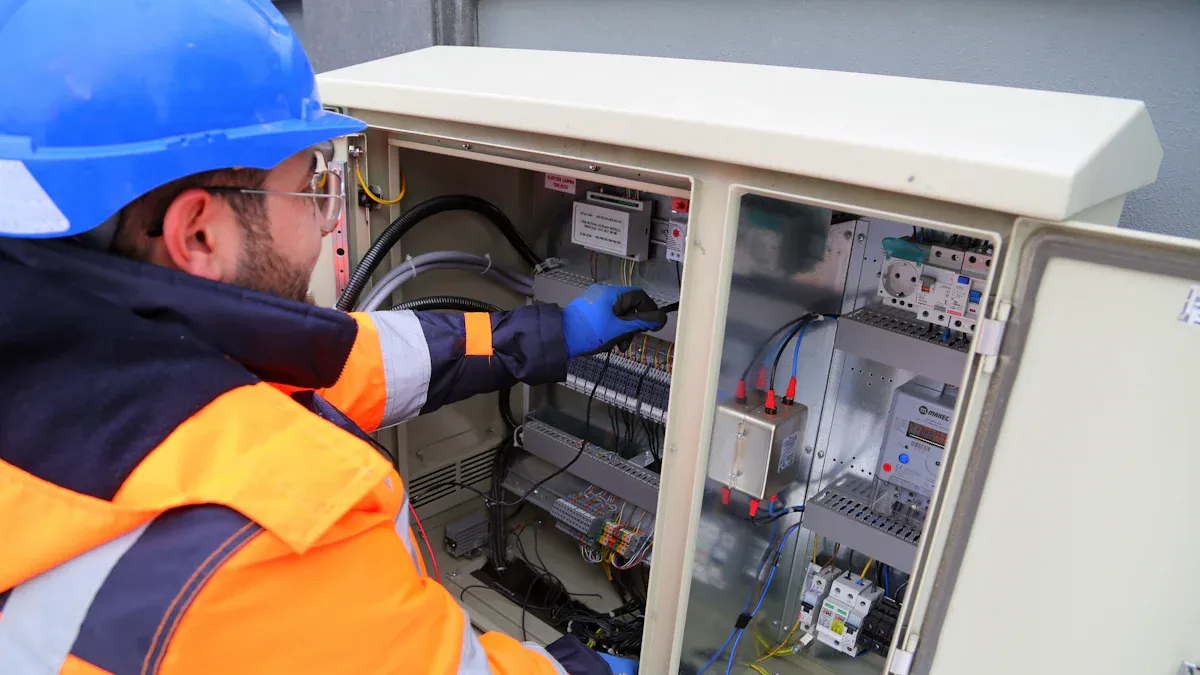
Key Factors
When you choose the position of the circuit breaker box, you need to think about three main things: safety, accessibility, and code compliance. These factors help protect your home and everyone inside.
- Safety: You want to keep the box away from water, heat, and anything that could cause a fire or electric shock. A safe position of the circuit breaker box lowers the risk of accidents.
- Accessibility: You should reach the box quickly during an emergency. If you cannot get to it fast, you might not stop a problem in time.
- Code Compliance: Building codes set rules for where you can put the box. These rules make sure the position of the circuit breaker box meets safety standards.
Tip: Always check your local building codes before you install or move a circuit breaker box. Codes can change from place to place.
You need to balance these factors. A good position of the circuit breaker box keeps your family safe and makes your home easier to manage.
Accessibility
You must place the circuit breaker box where you can reach it without trouble. If you hide it behind furniture or in a tight spot, you might waste time during an emergency.
- Make sure nothing blocks the path to the box.
- The box should not be too high or too low. Most codes say the handle should be between 4 feet and 6 feet 7 inches from the floor.
- You should see the box clearly, even in low light.
If you live in a house with more than one floor, you might want the box on the main level. This way, you can get to it fast from most rooms. In apartments, the position of the circuit breaker box is often near the entry or in a hallway for easy access.
Note: Easy access helps not just in emergencies but also when you need to reset a breaker or check for problems.
A smart position of the circuit breaker box saves time and stress. It also helps electricians do their job safely and quickly.
Best Locations
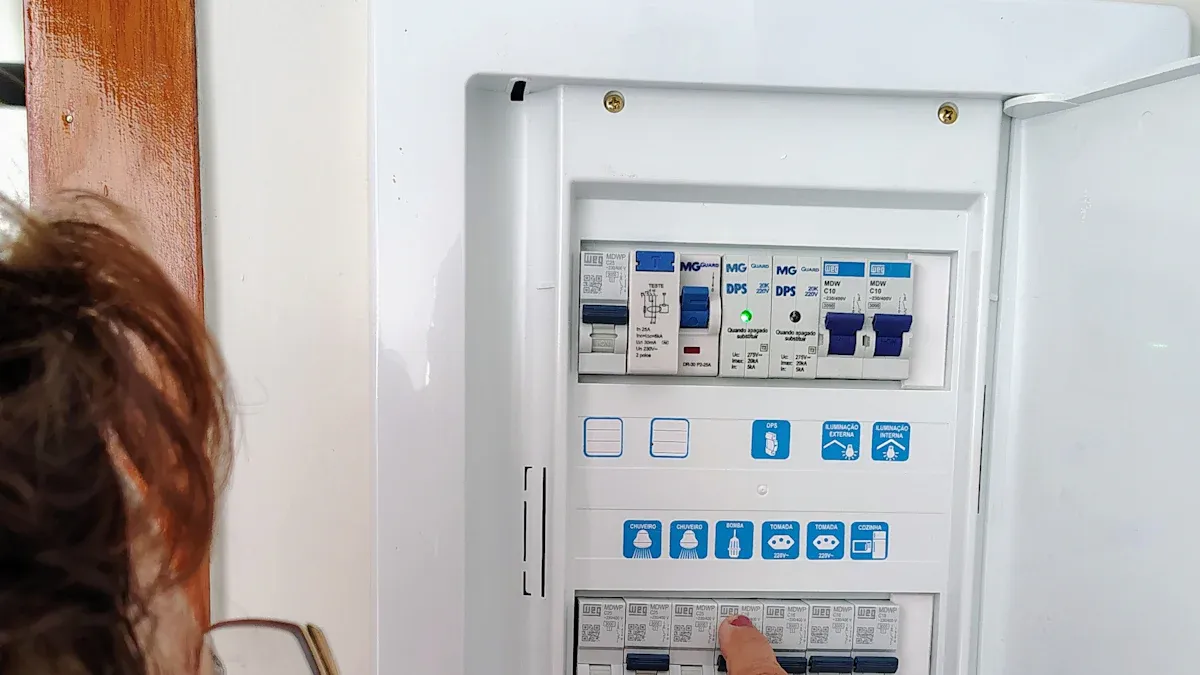
Picking the right place for your circuit breaker box keeps your home safe. It also makes things easier for you. Breaker boxes are often in garages, basements, utility rooms, or on outside walls. These spots follow safety rules. They help you or an electrician reach the panel fast when needed.
Garage or Basement
Most people put circuit breaker boxes in garages or basements. These places keep the panel out of main rooms. You do not have to worry about it messing up your home’s look. It also does not take up space where you spend time.
- Garages and basements are dry and cool. This helps protect the panel from water or damp air.
- These places keep the panel away from things that can catch fire.
- You get enough space around the panel. This meets code rules, like 3 feet in front and 30 inches on each side.
- You can get to the panel fast in an emergency. You do not need to move things to reach it.
Putting the circuit breaker box in the garage or basement keeps it out of busy areas. This makes your home safer and neater.
Utility Areas
Utility closets or rooms are also good for the circuit breaker box. These spaces hold things like water heaters or laundry machines. The panel stays out of sight but is still easy to reach. In apartments or condos, the breaker box is often in a hallway closet or near the door. This lets you get to it fast without using bedroom or living room space.
Exterior Wall
Some homes, like older or smaller ones, put the circuit breaker box on an outside wall. This saves space inside. It lets you or a worker reach the panel without going in the house. Putting the panel outside also lowers the chance of fire or electric danger inside. You often see the panel near the electric meter, facing the street or in a side yard. The National Electrical Code says outdoor panels must be weatherproof and safe from water or damage.
Putting the box on an outside wall is common when there is not much space inside or when you need quick outdoor access.
You see these spots in many types of homes. Single-family homes use garages or basements. Apartments and condos use closets or hallways. Older homes may have the panel outside. Each choice follows the rules and keeps your home safe.
Locations to Avoid
If you pick the wrong spot for your circuit breaker box, it can be unsafe. It can also break building codes. Some places in your house are not good for electrical panels. You should know which spots are bad and why.
Bathrooms
Bathrooms are a very bad place for a circuit breaker box. When you shower or use the sink, the air gets wet. Water and electricity are a dangerous mix. This makes bathrooms risky for electrical panels.
- Putting a circuit breaker box in a bathroom is usually not allowed.
- The National Electrical Code (NEC) stopped this in 1993.
- Wet air in bathrooms makes electric shock and fire more likely.
- Safety inspectors may tell you to move the panel if it is in a bathroom.
- Always check your local rules and ask an expert if you are not sure.
Tip: If your house is old, you might have a panel in the bathroom. You should find out when your area started using the NEC rules.
Closets
Closets might look like a good hiding place, but they are not safe for circuit breaker boxes. The NEC section 240.24(f) says you cannot put panels in clothes closets, stairways, or places like that. Clothes and other things can block the panel. This makes it hard to get to in an emergency. Things that can catch fire in closets also make fire more likely.
Living Spaces
Living rooms, bedrooms, and other main rooms are not good for circuit breaker boxes. These rooms often have furniture or decorations that block the box. You might not see a problem with the panel until it is too late. Small or tight spaces also break code rules. You need enough space around the panel to use and fix it safely.
Here is a table that shows common risks and code problems if you put a circuit breaker box in the wrong place:
| Risk / Violation Type | Description / Consequence | Relevant NEC Code(s) |
|---|---|---|
| Inaccessible Box Installation | Hard-to-reach panels make repairs and emergencies more dangerous. | NEC 314.29 |
| Insufficient Clearance | Not enough space around the panel increases accident risk. | NEC 110.26 |
| Installation in Hazardous Areas | Moisture or flammable items raise the chance of fire or electric shock. | NEC hazardous location codes |
Always keep your circuit breaker box in a dry, open, and easy-to-reach place. This keeps your home safer and helps you follow the rules.
Code Requirements
Clearance
You need to keep enough space around your circuit breaker box. This space helps you work safely and lets electricians fix problems without trouble. The National Electrical Code (NEC) gives clear rules for how much space you need. Here is a table that shows the main clearance requirements:
| Clearance Aspect | NEC Reference | Requirement / Description | Example / Explanation |
|---|---|---|---|
| Working Space Height | NEC 110.26(A)(3) | Minimum height of 6.5 feet or height of equipment, whichever is greater, from floor or platform | Panelboard mounted so top is 7 feet above floor requires 7 feet clearance; disconnect switch requires 6.5 feet |
| Working Space Width & Depth | NEC 110.26(A)(1,2) | Minimum width and depth clearances specified to allow safe operation and maintenance | Depth difference between associated equipment must not exceed 6 inches |
| Depth Difference Limit | NEC 110.26(A)(3) | Equipment above or below can extend beyond front but max 6-inch depth difference allowed | Two panelboards above a wire trough (6″ and 12″ deep) comply since difference is 6 inches |
These rules make sure you have enough room to open the panel and use your tools. You lower the risk of accidents when you follow these standards.
Height
You must install your circuit breaker box at the right height. The NEC and OSHA both set limits to keep you safe. Here are the main points:
- The main breaker handle cannot be higher than 6 feet 7 inches above the floor.
- The lowest breaker should be at least 4 feet above the floor.
- You need at least 6.5 feet of clear space above the floor for safe operation.
- You must keep at least 3 feet of space in front of the panel and 30 inches of width.
These rules help you reach the breakers quickly. You do not have to stretch or bend too much. The NEC says the center of the grip of the operating handle must not be above 6 feet 7 inches. This keeps the panel easy to use for most people.
Accessibility Rules
You must keep the area around your circuit breaker box clear. Do not put furniture, boxes, or other items in front of it. The NEC requires that you have a clear path at all times. You should never lock the panel or block it with shelves. Local codes may have extra rules, so always check with your city or county. When you follow these rules, you make sure you can act fast in an emergency. You also help electricians do their work safely.
Always follow code requirements for clearance, height, and access. These rules protect you and your home from electrical hazards.
You make your home safer by putting the circuit breaker box in the right place. Pick a spot that stays dry and is simple to get to. Make sure it follows all code rules. Studies say that good panel placement helps stop power outages. It also keeps people safer. Look up your local codes before you begin. If you want to put in or move a panel, talk to a licensed electrician. Planning now keeps your home safe for a long time.
FAQ
What happens if you put a circuit breaker box in the wrong place?
You risk breaking the law and making your home unsafe. You might face problems like electric shock, fire, or trouble reaching the box during an emergency. Always follow code rules for safety.
What should you do if your breaker box is hard to reach?
You should clear the area around the box. Move any furniture or boxes that block it. If you still cannot reach it, call a licensed electrician to discuss moving the panel to a better spot.
What makes a location safe for a circuit breaker box?
A safe spot stays dry, cool, and easy to reach. You need enough space around the box. The area should not have water, flammable items, or anything that blocks your path.
What is the minimum clearance needed around a circuit breaker box?
You need at least 3 feet of open space in front of the box and 30 inches of width. This space lets you work safely and helps electricians fix problems without trouble.
What should you check before moving a circuit breaker box?
You should check your local building codes. You also need to talk to a licensed electrician. Moving a breaker box is not a DIY job. You must follow all safety and legal rules.
The following information may be of interest to you
What is the Ideal Installation Height for a Distribution Box
What happens when using circuit breakers with higher current?
Why Your Solar Panel System Needs the Right Circuit Breaker
What Makes Distribution Boxes and Fuse Boxes Different
Choosing a suitable distribution box and what should be noted