
A distribution board, or db box, is like the heart of your electrical system. It sends power from the main source to different circuits in your house or workplace. It also protects circuits from getting overloaded or damaged, keeping your devices safe.
Using a distribution board the right way saves energy. It helps you check and manage power use, cutting waste and working better. As we use more energy, db boxes help keep systems safe, efficient, and easy to control.
Key Takeaways
-
A distribution board helps control electricity safely at home or work. It stops circuits from getting overloaded or shorting out.
-
Checking your distribution board often can avoid electrical problems. Look at circuit breakers and RCDs once a year to stay safe.
-
Labeling circuits clearly makes fixing things easier and faster. It helps you find circuits quickly, saving time and keeping things safe.
-
Replacing an old distribution board makes things safer and better. New boards can handle more devices and follow safety rules.
-
Using smart tools like energy trackers with your board saves money. These tools show energy use and help cut down waste.
Main Parts of a Distribution Board
Knowing the parts of a distribution board (db) helps you see how it handles electricity safely. Each part is important for keeping your electrical system working well.
Circuit Breakers
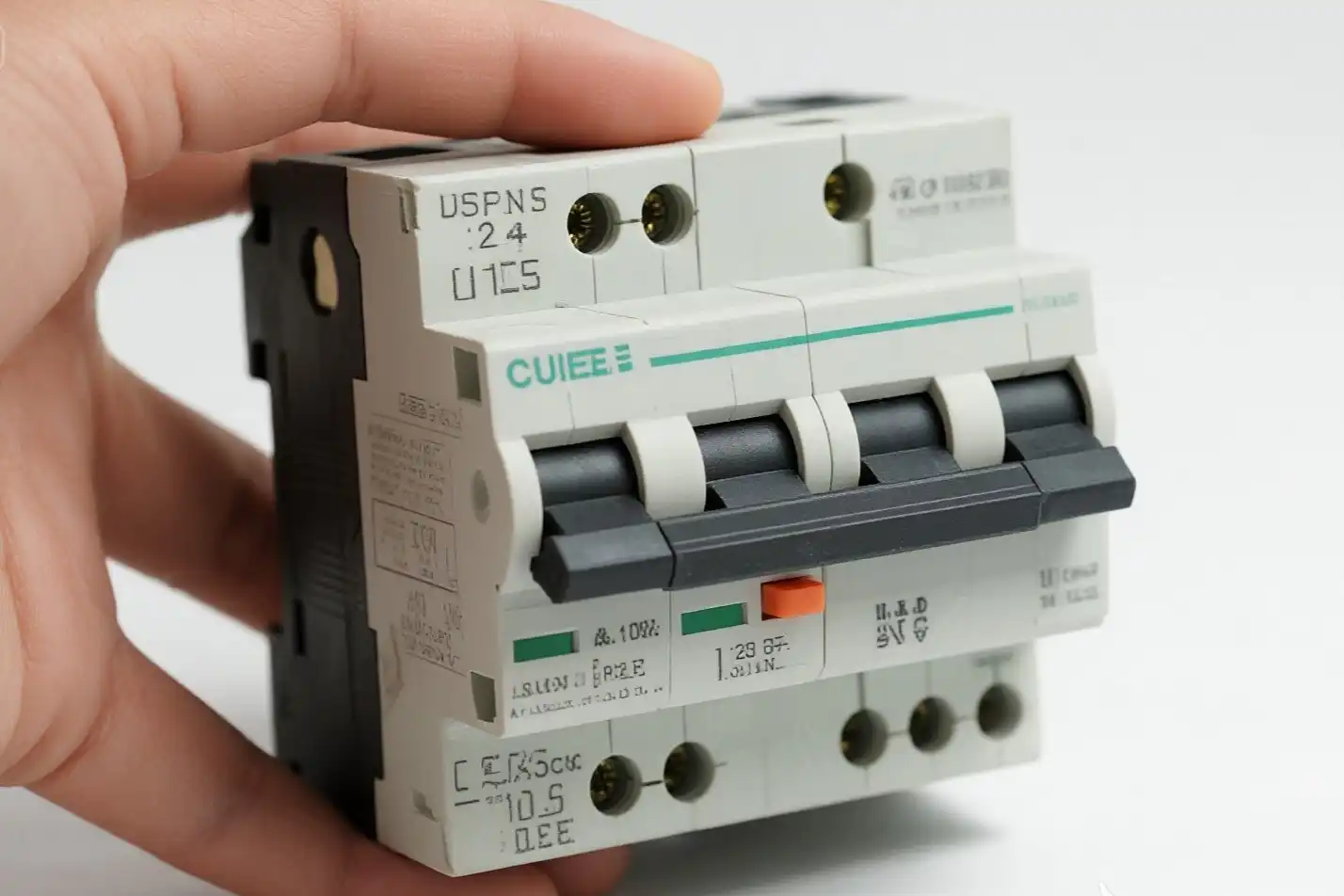
Circuit breakers protect your electrical circuits. They turn off power if there’s too much load or a short circuit. This stops damage to devices and lowers the chance of electrical fires. Circuit breakers are a must-have in any db box to keep things safe during power surges.
Modern circuit breakers follow strict safety rules, like UL certification. This means they’ve been tested for fire and shock safety. To keep them reliable, make sure all parts in your db meet national standards. Test circuit breakers often, especially if they haven’t been used for a while.
Here’s a simple safety checklist for circuit breakers:
-
Check they follow local utility rules for grounding and short circuits.
-
Make sure they meet the National Electrical Code (NEC) for your area.
-
Look for UL certification to confirm they work well.
Busbars
Busbars are key parts of a distribution board. These metal strips send electricity from the main source to different circuits. Their design helps save energy and keeps power flowing smoothly.
Every db box has busbars because they make connecting parts easier. They are strong and small, perfect for low-voltage systems. Installing and maintaining busbars properly stops overheating and keeps them working well.
Residual Current Devices (RCDs)
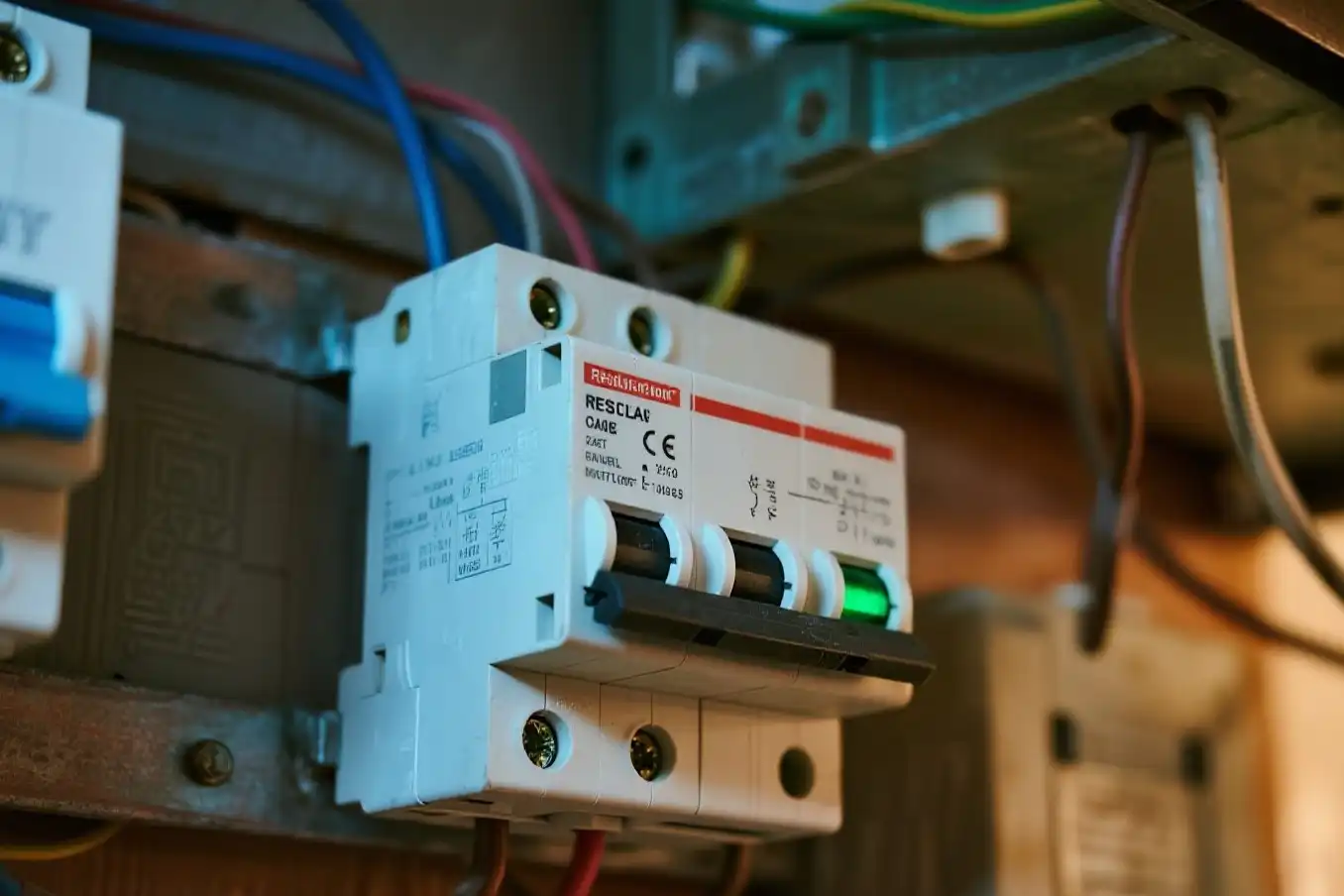
Residual Current Devices (RCDs) keep you safe from electrical dangers. They sense earth leakage currents and cut power if there’s a problem. This lowers the risk of shocks and electrical fires.
RCDs have advanced features like constant monitoring for leaks and warning signs for insulation problems. Products like Schneider’s ComPact NSX combine safety with a small size, making them great for modern db boxes.
|
Feature |
What It Does |
|---|---|
|
Automatic Power Off |
RCDs stop electricity during faults to avoid fires. |
|
Earth Leakage Safety |
Protects against shocks and insulation issues. |
|
Monitoring Features |
Tracks leaks and gives warnings for better safety. |
Adding RCDs to your db box keeps your system safe and efficient. Regular checks and updates help them stay effective over time.
Main Switch
The main switch is the control center of your db box. It lets you shut off all electricity in your home or building. This is important for safety during repairs or emergencies.
The main switch has two main jobs:
|
Key Role |
What It Does |
|---|---|
|
Controlling Power |
Helps manage and safely distribute electricity to circuits. |
|
Stopping Overloads |
Includes devices to stop overloads and electrical problems. |
Think of the main switch as the “master key” for power. It cuts off electricity, making it safe to fix circuits or replace parts. This prevents shocks and other dangers during maintenance.
Here’s why the main switch is so important:
-
It lets you safely turn off circuits.
-
It protects workers fixing your db box.
-
It stops accidents by cutting power during repairs.
When picking a main switch, make sure it meets safety rules. Check it often to ensure it works properly. A good main switch keeps your db safe and running well.
Enclosure and Labeling
The enclosure is the outer shell of the db box. It holds parts like circuit breakers, busbars, and the main switch. The enclosure keeps these parts safe from dust, water, and damage.
A sturdy casing is the key to safety. It can prevent people from coming into contact with live wires and being electrocuted. Modern casings are made of hard materials such as metal or sturdy plastic to provide better protection. And the shell has wind and rain resistance function
Labeling is also very important for a db box. Each circuit should have a clear label showing what it powers. For example, labels might say “lights,” “kitchen,” or “AC.” Labels help you find and fix circuits quickly during problems.
Tips for good enclosure and labeling:
-
Use weatherproof enclosures for outdoor setups.
-
Make sure labels are easy to read and won’t fall off.
-
Update labels when you add or change circuits.
A labeled db box makes fixing problems faster and safer. It saves time when finding bad circuits or doing maintenance.
Working Principle of a Distribution Board
Knowing how a distribution board works shows how it keeps power safe and efficient. Let’s explain it step by step.
Getting Power from the Main Supply
The process starts when the db gets electricity from the main supply. This power comes from your utility provider and enters through the main switch. The main switch controls how electricity flows into your system.
After entering, the power moves through busbars. Busbars spread the electricity evenly to all parts inside the db. They make sure the power is ready to go to different circuits without stopping.
Tip: Always ground your db box properly. Grounding stops faults and improves safety.
Modern distribution boards are built to handle this process well. They check the incoming power to ensure it has the right voltage and current. This step keeps your electrical system stable.
Sending Electricity to Sub-Circuits
Once the db gets power, it sends it to sub-circuits. Each sub-circuit powers specific areas or devices, like lights, kitchen outlets, or air conditioners. Circuit breakers help control the electricity flow to each sub-circuit. They stop any circuit from getting too much power.
For example, if your kitchen needs more power, the db sends the right amount to that circuit. This way, other circuits are not affected. This careful distribution avoids overloading and keeps devices working smoothly.
|
Performance Metric |
What It Means |
|---|---|
|
Total power used by all devices at one time. |
|
|
Maximum Demand (MD) |
The highest power used in a set time, helps plan system size. |
|
Electrical Parameters |
Includes voltage, current, and power levels for better energy management. |
By managing these, the db saves energy and reduces waste. It’s a key tool for managing power at home or work.
Keeping Circuits Safe from Overloads and Faults
A distribution board’s main job is to protect circuits from overloads and faults. Overloads happen when a circuit uses more power than it should. Faults, like short circuits, can harm your system badly.
Circuit breakers and RCDs work together to keep things safe. Circuit breakers cut off power during overloads, stopping overheating and fires. RCDs protect against earth leaks, lowering the chance of electric shocks.
-
Stops damage by cutting off extra current.
-
Improves safety by preventing overheating and fires.
-
Follows electrical safety rules and codes.
|
Key Feature |
What It Does |
|---|---|
|
Short-Circuit Protection |
Stops big currents that can harm devices during faults. |
|
Coordination Studies |
Makes sure devices work in order to limit power cuts to small areas. |
|
Overcurrent Protection Devices |
Stops overheating by cutting off extra current. |
By isolating bad circuits, the db lets electricians fix problems without turning off everything. This makes repairs safer and faster.
Note: Test your circuit breakers and RCDs often. Broken devices can make your system unsafe.
The distribution board works by receiving, sharing, and protecting power. These steps keep your system safe and efficient, making the db a must-have for modern buildings.
Managing Electrical Safety and Efficiency
A distribution board keeps your electrical system safe and working well. It uses protective devices and smart tools to make sure everything runs smoothly.
How Distribution Boards Enhance Safety
Your db box protects you from electrical dangers. Circuit breakers and residual current devices (RCDs) are important parts that stop problems like overloads, short circuits, and earth leakage. Circuit breakers shut off power when too much current flows, stopping overheating and fires. RCDs find leakage currents and turn off electricity to prevent shocks.
Modern db boxes have advanced features like coordination studies. These make sure only the problem circuit loses power during a fault. This keeps the rest of your system working. By separating issues, the db makes fixing problems safer and faster.
Tip: Check your circuit breakers and RCDs often. Broken devices can make your system unsafe.
Supporting Energy Efficiency
A db box doesn’t just protect—it also helps save energy. Smart tools like smart meters and power monitors are often part of distribution boards. These tools watch your electricity use and show where you can cut waste.
For example, smart meters measure total connected load and maximum demand. This information helps you use energy better and avoid wasting power. By managing electricity wisely, you can lower bills and help the environment.
|
Feature |
Benefit |
|---|---|
|
Smart Meters |
Measure energy use and find waste. |
|
Power Monitoring Systems |
Improve electricity flow and stop losses. |
|
Energy Management Tools |
Help plan and control power for better efficiency. |
Why It Matters
Your distribution board is more than just wires in a box. It’s the center that keeps your electricity safe and efficient. By protecting circuits and saving energy, it makes your system reliable and affordable.
Taking care of your db box lowers risks and boosts performance. Regular checks, updates, and tests keep your distribution board working well.
Note: A cared-for db box keeps you safe and saves money on energy bills.
Importance of a Distribution Board
Ensures Electrical Safety
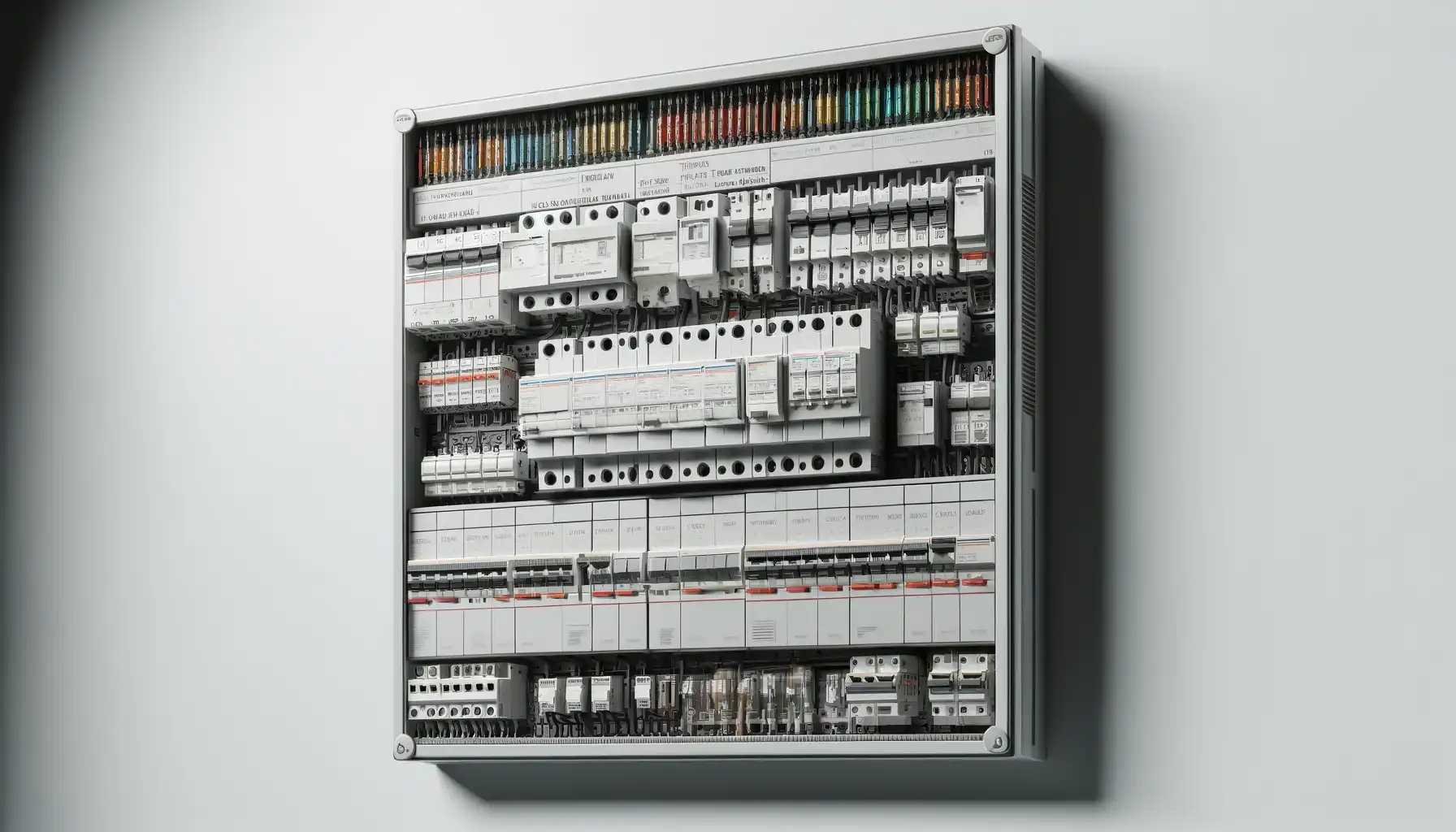
A distribution board keeps your electrical system safe. It controls how electricity flows in your home or workplace. The db sends power to circuits and protects them from harm. Circuit breakers and RCDs inside the db box find problems like overloads or earth leakage. When something goes wrong, they shut off power quickly to stop damage.
Think of the db as a safety shield for your system. It lowers accident risks by separating bad circuits. This lets you fix issues without turning off everything. Regular checks keep your db box working well and protecting your system.
Prevents Hazards like Fires and Shocks
Electrical dangers like fires and shocks can be harmful. A good db lowers these risks. It watches electricity flow to stop overheating or short circuits. Overheating can cause fires, while short circuits may lead to shocks.
The db box also has RCDs that find earth leakage currents. These devices cut power when they sense danger, stopping shocks. A well-installed and cared-for db keeps your system safe from these problems.
Tip: Test your RCDs and circuit breakers often. Broken devices can make your db box unsafe.
Facilitates Energy Management
A distribution board doesn’t just protect—it helps manage energy. It sends electricity to circuits that need it most. This stops waste and saves money on energy bills.
Modern db boxes have smart tools like energy monitors. These tools show how much power you use and where to save. For example, you might find some appliances use too much electricity. With this info, you can adjust and lower energy use.
Saving energy helps both your wallet and the planet. A well-kept db makes your system efficient and eco-friendly.
Centralizes Control of Electrical Systems
A distribution board (db) is like the control center for your electricity. It manages and organizes how power flows to different circuits. This makes it easier to check and control your electricity use.
Think of your home or workplace as having many electrical paths. The db makes sure each path gets the right amount of power. This stops circuits from overloading and keeps your devices working well.
One big advantage of a db is how it helps with fixing problems. If a circuit stops working, you can quickly find the issue by checking the db box. Clear labels on circuits help you know exactly which area is affected.
Tip: Label your circuits clearly. It saves time during repairs or emergencies.
Modern db boxes often come with smart tools like meters and monitors. These tools show live data about your electricity use. For example, you can see which circuits use the most power and change habits to save energy.
|
Feature |
Benefit |
|---|---|
|
Centralized Control |
Makes managing and fixing power easier. |
|
Real-Time Monitoring |
Lets you track and save energy. |
|
Clear Circuit Labeling |
Speeds up repairs and keeps things safe. |
By controlling everything in one place, the db improves safety and efficiency. It helps you manage your electricity confidently. Whether fixing small issues or upgrading, the db box keeps you in charge.
Note: Check your db box often to ensure all parts work well. A cared-for db keeps your system safe and reliable.
Types of Power Distribution Boxes

Knowing the types of power distribution boxes helps you pick the right one. Each type has a specific job to keep your electrical system safe and working well.
Main Distribution Boards
Main distribution boards are key for big electrical systems. They handle large amounts of power and send it to smaller circuits. These boards are used in buildings, factories, and places needing lots of energy.
-
Switchboards are strong and reliable for big power needs.
-
Switchgear manages power well and works for heavy-duty systems.
Main distribution boards are built to handle heavy loads. Their strong design and advanced features make them important for complex systems.
Sub-Distribution Boards
Sub-distribution boards are smaller units in your system. They get power from the main board and send it to specific areas or devices. These are common in homes, offices, and small buildings.
Sub-distribution boards split circuits into smaller parts. This lowers overload risks and makes fixing problems easier. For example, if your kitchen circuit breaks, the sub-board isolates it without affecting other areas.
These boards are small and flexible, perfect for local power control. Regular checks keep them safe and working well.
Single-Phase vs. Three-Phase Boards
Choosing single-phase or three-phase boards depends on your energy needs. Single-phase boards work for homes and small businesses. Three-phase boards are better for factories and big setups.
|
Single-Phase Circuit |
Three-Phase Circuit |
|
|---|---|---|
|
Efficiency |
Less efficient for big power needs. |
More efficient for big power needs. |
|
Power Transmission |
Not great for long distances. |
Good for long-distance power transfer. |
|
Power Factor |
Less stable power factor. |
More stable and balanced power factor. |
Single-phase boards are simple and cheaper for small setups. Three-phase boards are stronger and better for high energy use. Knowing these differences helps you choose the best box for your system.
Residential, Commercial, and Industrial Applications
A distribution board (db) is important in homes, businesses, and factories. Each place has different power needs, and the db adjusts to fit them.
Residential Applications
In houses, the db box spreads electricity safely and efficiently. It powers lights, appliances, and outlets. Circuit breakers stop overloads and short circuits, while RCDs prevent electric shocks.
Tip: Clearly label circuits in your home’s db box. This helps you find and fix problems faster.
Modern home db boxes often have smart meters. These tools track energy use and help cut waste, saving money on bills.
Commercial Applications
In offices and stores, the db handles bigger energy needs. It powers lights, air systems, and office devices. Sub-boards split circuits into smaller groups for better control.
Commercial db boxes often include tools to monitor energy use. These tools help businesses save power and lower costs. Managing electricity well improves safety and reduces expenses.
Industrial Applications
Factories need strong power systems for machines and production lines. The db in these places manages heavy equipment and high energy loads. Three-phase db boxes are common for stable power delivery.
Industrial db boxes focus on safety and strength. They have features like overload protection and short-circuit isolation. Regular checks keep these systems working well.
|
Application |
Key Features |
Benefits |
|---|---|---|
|
Residential |
Circuit breakers, RCDs, smart meters |
Safety, energy savings, easy fixes |
|
Commercial |
Sub-boards, monitoring tools |
Efficiency, lower costs, better control |
|
Industrial |
Three-phase systems, overload protection |
Stability, durability, high energy use |
Note: Pick the right db box for your needs. A good db keeps power safe and efficient.
Practical Tips for Installation and Maintenance
Hire a Licensed Electrician
A licensed electrician makes sure your distribution board is installed safely. They know how to handle tricky electrical systems, lowering risks like fires or shocks. Professionals also follow local building rules, keeping your property safe and legal.
-
Safety: Experts follow steps to avoid electrical dangers.
-
Code Compliance: They ensure your system meets local safety rules.
-
Risk Mitigation: DIY work can cause big problems like short circuits.
Always choose a trained electrician for your db box. They make sure it works well and stays safe.
Conduct Regular Inspections
Regular checks keep your db box working and prevent costly problems. Over time, parts like circuit breakers can wear out or rust. Inspections find these issues early, keeping your system safe.
-
Stop fires by fixing loose wires or rusty parts.
-
Lower the chance of equipment breaking down without warning.
-
Spot fire risks in places with flammable materials, like factories.
About 20% of industrial fires come from electrical problems. Checking your db box yearly can reduce this risk and keep it running smoothly.
Label Circuits Clearly
Labeling circuits in your db box makes repairs easier. Each label should show what the circuit powers, like “kitchen” or “lights.” This helps you quickly find and fix problems.
Tip: Use strong labels that won’t fade or fall off. Update them when circuits change.
Good labels improve safety. In emergencies, you can turn off the right circuit without shutting down everything. Clear labels save time and make managing power easier.
|
Guideline/Specification |
Details |
|---|---|
|
Earth Impedance |
Should not exceed 100 Ohms for a main RCBO rated at 500 mA |
|
Surge Protective Devices |
Recommended for installations with sensitive equipment |
|
Earth Electrode Resistance |
Should be less than 80 Ω for new installations |
|
RCD Installation |
Required if earth electrode resistance exceeds 80 Ω |
Follow these tips to keep your db box safe and efficient for years.
Upgrade Outdated Systems
Updating an old distribution board (db) is important for safety and efficiency. Older boards often can’t handle today’s energy needs. This can lead to dangers like fires, damaged devices, or power outages. By upgrading, your system becomes safer and more reliable for modern use.
Old db boxes may not support new appliances or technology. This can overload circuits, causing safety and performance issues. Newer db boxes have features like smart meters and surge protection. These tools save energy and reduce waste. Upgrading is a smart choice for safety and long-term savings.
Studies show why upgrading old systems matters. The table below highlights key points:
|
Source |
Key Findings |
|---|---|
|
Upgrade or Replace? The Aging Switchgear Dilemma |
Old switchgear can cause safety risks, downtime, and financial losses. |
|
Electrical Switchboard Upgrades: The Ultimate Guide |
Outdated boards may fail modern demands, risking fires and wasting energy. |
|
How & When to Upgrade a Residential Electrical Panel |
Overloaded panels harm safety and efficiency when adding new appliances. |
Talk to a licensed electrician before upgrading your db box. They can check your system and suggest the best fix. Whether replacing parts or installing a new board, upgrades keep your system safe and ready for the future.
Tip: Don’t wait for problems. Upgrade your db early to avoid risks.
A distribution board is important for managing electricity safely. It organizes power, protects circuits, and meets modern needs. Installing it correctly and checking it often keeps your home or workplace safe from electrical problems.
Replacing old boards has many advantages. It makes your system safer, works better, and follows safety rules. The table below explains these benefits:
|
Benefit |
What It Means |
|---|---|
|
Better safety |
New boards meet safety rules and stop dangers like fires. |
|
Improved efficiency |
They spread power evenly, making the system work better. |
|
Follows regulations |
Upgrades help meet local electrical safety laws. |
|
Longer lifespan |
Modern boards last longer, so you won’t replace them often. |
|
Handles more devices |
Updated boards can support more appliances for today’s needs. |
If you’re worried about your distribution board, ask a licensed electrician. They’ll make sure your system stays safe, works well, and is ready for future use.
FAQ
What does a distribution board do?
A distribution board sends electricity to different circuits in your home or workplace. It keeps your system safe by stopping overloads, short circuits, and other problems.
How often should you check your distribution board?
Check your distribution board once a year. Regular checks find worn parts, loose wires, or dangers, keeping your system safe and working well.
Can you set up a distribution board yourself?
No, you should not set up a distribution board yourself. Always call a licensed electrician to install it safely and follow safety rules.
What’s the difference between a circuit breaker and an RCD?
A circuit breaker stops power during overloads or short circuits. An RCD finds earth leaks and stops shocks by cutting power when there’s danger.
How can you tell if your distribution board needs upgrading?
If your board trips often, can’t handle new devices, or looks old, it needs an upgrade. Ask a licensed electrician to check it and suggest fixes.
Tip: Upgrading your distribution board makes it safer and ready for modern energy use.
The following information may be of interest to you
How to choose the size of the distribution board
5 basic components required for each distribution board
The difference between single-phase and three-phase DB boxes