You can add surge protection devices to a breaker if you follow the maker’s directions. Electrical safety codes do not stop you from doing this. You must make sure the setup is safe and works well. Wrong connections can make protection weaker or cause danger. Always check if your breaker and panel can use the device before you start.
Key Takeaways
- Use a breaker just for your surge protection device. This helps keep things safe and working right.
- Put surge protectors near the main breaker panel. Use short wires for better protection.
- Follow the National Electrical Code and the device’s manual. This helps you avoid mistakes when installing.
- Look at your surge protector often for warning lights or damage. Change it if you see problems.
- Get a licensed electrician to install it. This keeps your home safe and follows all safety rules.
Surge Protection Devices and Breakers
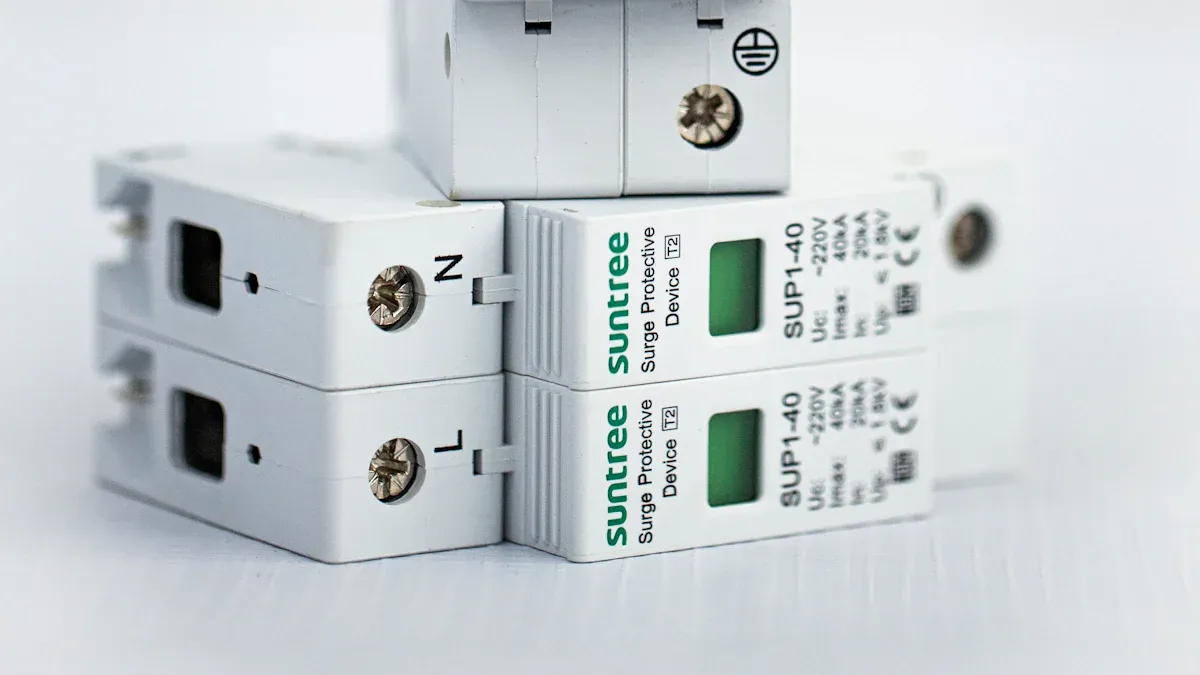
What Surge Protection Devices Do
Surge protection devices help keep your home safe from sudden voltage spikes. These spikes can happen because of lightning, changes in the power grid, or big appliances turning on or off. When you use surge protection devices, your electronics get a shield from these dangerous surges.
Here are some main things surge protection devices do:
- They lower high voltages so your equipment stays safe.
- They send extra current safely to the ground, which keeps your wiring and devices safe.
- They protect against surges between wires and ground, and also between wires.
There are different surge protection devices for different jobs:
| SPD Type | Where You Use It | What It Protects Against |
|---|---|---|
| Type 1 | Main service entrance | Direct lightning strikes and big surges |
| Type 2 | Main panel or subpanel | Surges from inside or outside the building |
| Type 3 | Near sensitive devices | Small surges close to electronics |
Using the right surge protection devices in the right places helps stop damage and makes your electronics last longer.
Breaker Functions
Circuit breakers keep your home’s wiring and devices safe from too much electricity. If too much current flows, the breaker senses it and turns off the power. This stops wires from getting too hot and helps prevent fires.
There are two main ways breakers work:
- Thermal breakers use heat to bend a metal strip. If the current gets too high, the strip bends and opens the circuit.
- Magnetic breakers use a coil to sense quick surges. If a short circuit happens, the coil pulls a switch open fast.
Some breakers use both ways for better safety. The National Electrical Code has rules for how breakers should work. These rules make sure breakers can handle the current in your home and stop dangerous problems quickly.
Tip: Always make sure your breaker fits the needs of your surge protection devices and other equipment. This helps keep your system safe and working well.
Connection Methods
Series vs. Parallel
There are two main ways to install surge protection devices. One way is called series. In a series setup, the device sits right in the path of electricity. All the power goes through the surge protector first. Then, it reaches your home’s circuits. This way is not common for whole-house protection. Most homes use the parallel method. In parallel, the surge protector connects across the power lines and ground. The device only works when a surge happens. It does not carry the normal power for your house. Parallel installation is better for most homes. It protects all circuits and does not stop regular power.
Tip: Always read your device’s manual. Most whole-house surge protection devices are made for parallel installation.
Dedicated vs. Shared Breaker
You must choose if your surge protector gets its own breaker or shares one. Most makers say to use a dedicated breaker for surge protection devices. This means the surge protector has its own two-pole breaker in the main panel. A dedicated breaker helps the device work well and keeps your home safe. The breaker size depends on the model. It only needs to handle short bursts of power during a surge.
- Whole-house surge protectors almost always need their own breaker.
- The breaker’s amperage should match the surge protector’s instructions.
- Shared breakers are not a good idea. They can lower protection and cause safety problems.
Some surge protectors can connect right to the bus bars in the panel. This skips some safety steps, so only do this if the maker says it is safe. Always turn off the main breaker before you try this.
Good grounding is very important. Put the surge protector as close as you can to the main breaker. This gives the best protection and helps the device act fast during surges.
Effects and Risks
Protection Level
How you put in surge protection devices changes how well they work. Most homes use parallel-connected devices. These work best when they are close to the panel. Short wires help the device protect better. Long wires can let more voltage get through during a surge. This means your electronics could be in more danger.
- Parallel-connected devices protect every circuit in your panel.
- Series-connected devices go near sensitive equipment. They give better control over voltage spikes.
- The kind of breaker, dedicated or shared, does not change the main protection. The most important thing is how you install the device and how close it is to the panel.
Note: Keep the surge protector as close as you can to the main breaker. Short wires help it act fast and lower the chance of damage.
Safety and Code Compliance
You must follow safety rules and electrical codes when you install surge protection devices. The National Electrical Code (NEC) has clear rules for these devices. If you do not follow these rules, your home could be at risk.
- The NEC says you cannot put surge protection devices on circuits over 1,000 volts unless the device is made for that.
- The voltage rating of your device must match or be higher than the voltage where you connect it.
- You must use the right grounding and bonding. If you skip this or use the wrong spot, the device will not work as well and could cause a shock.
- Do not use long or looped wires. Do not put too many wires on one terminal.
- Only use surge protectors with marks like UL or ETL.
The 2020 NEC says new homes and new service equipment must have surge protection. Older homes do not have to upgrade, but adding surge protection is still a good idea.
Tip: Check your surge protector often for damage or warning lights. Replace it if you see any problems.
Breaker Operation Issues
Adding a surge protection device to an existing breaker can change how the breaker works. Here are some things to know:
- A dedicated breaker makes it easy to test and change your surge protector. It will not trip because of other devices.
- If you share a breaker with other things, you might notice if it trips, but it can be confusing. You could lose protection if the breaker trips for another reason.
- The breaker does not trip during normal surges. It only trips if the surge protector fails badly.
- Surge protection devices can stop working over time. You need to check them and replace them when needed.
| Electrical Hazard | Cause/Description | Risk/Consequence |
|---|---|---|
| Overheating | Damaged surge protector parts | Fire, device failure |
| Limited Performance | Device exceeds its rating | Loss of protection |
| Wear and Tear | Old or worn-out device | Reduced protection |
| Degraded Varistor | Absorbed too many surges | Appliances exposed to surges |
| Warning Lights Indicating Failure | Blinking lights show device needs replacement | False sense of security |
Warning: Never overload your surge protector or use adapters that skip grounding. This can cause fire or electric shock.
Best Practices for Surge Protection Devices

When to Use a Dedicated Breaker
There are times when you should use a dedicated breaker for your surge protector. This setup gives the best safety and works well. Here are some examples of when you need a dedicated breaker:
- If you put a Type 1 surge protector at the main panel, the breaker keeps the device safe from problems and lets you turn it off for repairs.
- Some surge protectors need a breaker for each pole. For example, a 1P+N device needs a 2-pole breaker.
- If you want to protect important machines like CNC machines, PLCs, or fire alarm systems, they need strong and steady surge protection.
- The breaker must be able to handle more current than the biggest short-circuit at your panel.
- You want to stop mistakes like putting two wires in one spot or using wires that are too long, which can make protection weaker.
A dedicated breaker also makes it easy to check your surge protector. You can see warning lights and change the device if you need to.
Common Installation Mistakes
People sometimes make mistakes when they put in surge protectors. These mistakes can make protection weaker or even cause danger. Watch out for these common problems:
- Picking the wrong surge protector, like one with a low joule rating.
- Not grounding the system the right way. Bad grounding can cause sparks, too much heat, or fires.
- Only using plug-in protectors and not adding whole-house protection.
- Not thinking about surges that come from inside your home, like from HVAC units.
- Forgetting to check and take care of your surge protector.
- Not following National Electrical Code (NEC) rules for grounding and setup.
Tip: Always follow the NEC and your device’s manual so you do not make these mistakes.
Professional vs. DIY
You might want to put in a surge protector by yourself, but it is safest to hire a licensed electrician. Professionals know how to follow NEC rules and the maker’s instructions. They make sure your system is grounded and wired the right way. This keeps your home safe and helps your surge protector work well.
Note: NEC Article 230.67 says you must put surge protectors at or near the service entrance. Following these rules helps keep your home safe from surges that come from outside and inside.
You need to think about safety and follow the rules when you connect a surge protector to a breaker. Some electricians wonder if this setup really works well, especially if you do not use a breaker just for the surge protector. To get the best protection, do these things:
- Try to use a breaker just for the surge protector.
- Pick surge protectors with a UL 1449 label and easy-to-see lights.
- Check your system often to look for damage or problems.
Remember: Getting a professional to install your surge protector helps keep your home and electronics safe from sudden voltage spikes.
Choose ONESTOP surge protection device: With over 20 years of manufacturing experience, international certification assurance, and excellent quality, we help you comprehensively improve circuit safety protection.

FAQ
What happens if you connect a surge protector to a shared breaker?
The surge protector might not work as well. Other things on the breaker can make it hard to know why it trips. You might lose surge protection and not notice. Always read the maker’s guide before using a shared breaker.
What should you look for when choosing a surge protection device?
Check if it has a UL 1449 rating. Make sure the voltage rating is right. Pick the correct type, like Type 1, 2, or 3. Look for easy-to-read lights. The device should fit your panel and follow the rules.
What does a warning light on your surge protector mean?
A warning light means the surge protector is damaged or used up. You need to get a new one soon to keep your home safe.
What is the best location for a whole-house surge protector?
Put the surge protector close to the main breaker panel. Short wires help it work faster and protect your home better.
What maintenance does a surge protection device need?
Check the lights on the device often. Watch for damage or signs of wear. Get a new one if you see a warning light or if the maker says to replace it after some years.
The following information may be of interest to you
Will one circuit breaker affect another circuit breaker
Do you need a surge protector for your solar system
How to Replace a Surge Protector Safely and Efficiently
The miniature circuit breaker tripped and whether it generates noise
What You Need to Know About Surge Protection Device Lifespan