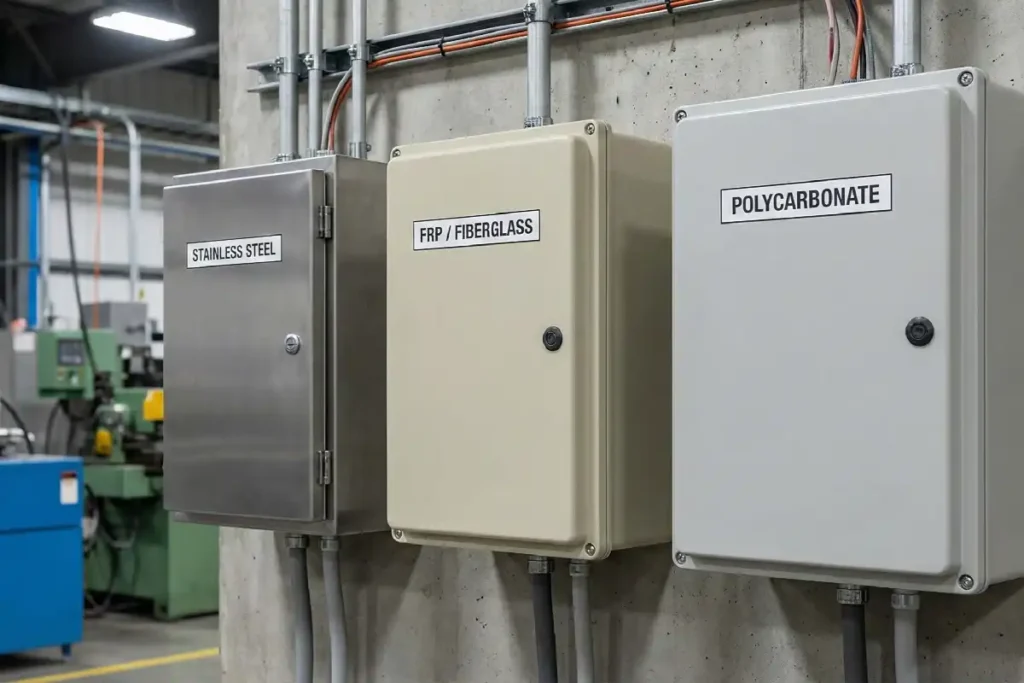
When considering which material is best for industrial enclosures, the answer hinges on your specific application, the level of protection required, and your budget. Proper electrical enclosure material selection is crucial for ensuring that your equipment remains safe and operates efficiently. By choosing the right material, you can reduce risks and save costs. Ensure that your selection facilitates smooth operations in your work environment.
Key Takeaways
- Pick the right enclosure material for your area. Think about things like wetness, chemicals, and heat to keep things safe and lasting longer.
- Learn about protection ratings such as NEMA and IP. These ratings show how well an enclosure blocks dust and water. This helps you pick the best one for your needs.
- Compare cost and how long materials last. Cheaper choices like carbon steel save money at first. Stronger materials like stainless steel cost more but need less fixing later.
- Always look at what your work needs. Think about weight, rules for your industry, and how often you will move the enclosure. This helps you make a good choice.
- Use a checklist when picking materials. Check your workspace, needed protection ratings, budget, and future plans. This makes sure you pick the right electrical enclosure.
Electrical Enclosure Material Selection Criteria
Environmental Factors
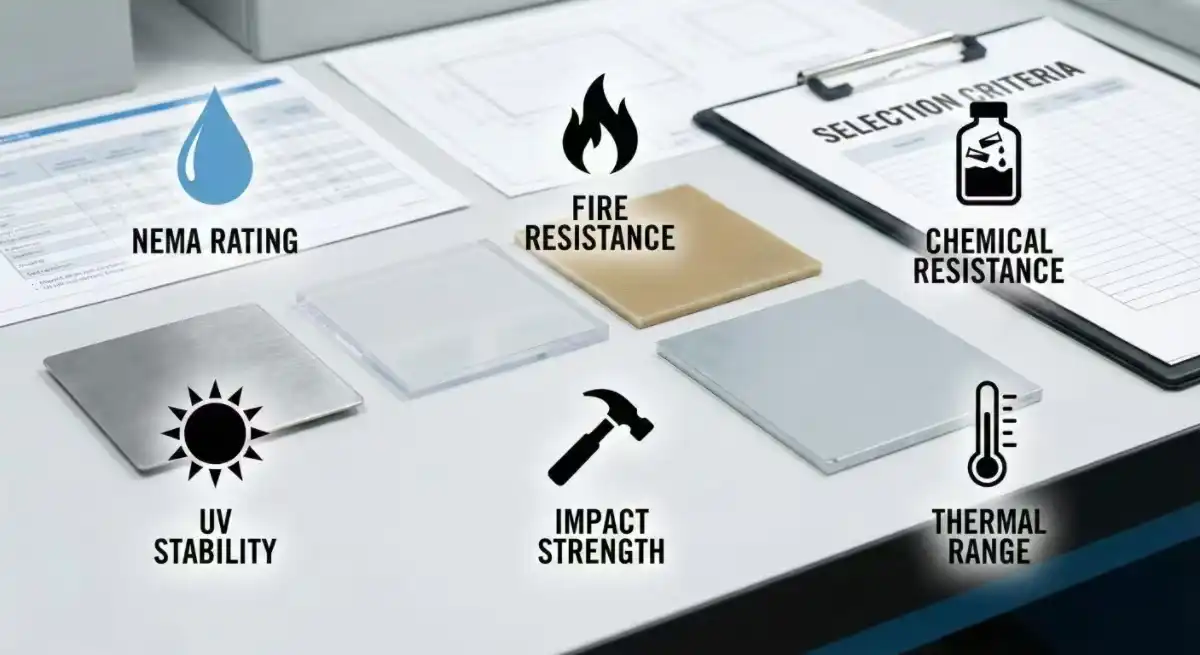
Think about where you will put your enclosure. The place you choose can change how well your equipment works and how long it lasts. Here are some important things to remember about the environment:
- Chemical exposure can hurt many materials. If you work in places like petrochemical plants or wastewater treatment plants, strong chemicals might harm the enclosure.
- Saltwater and moisture are found in marine areas. Salt can make things rust, and high humidity can cause rust and electrical trouble.
- Extreme temperatures can make materials weak or break them. High heat can make parts get old fast, and cold can make some materials crack.
- Moisture, condensation, and water can cause short circuits and rust. Rain, snow, or water sprayed in food plants can be a problem.
- Corrosive agents, like chemical vapors or salt spray, can hurt the enclosure and the electronics inside.
You should always pick your electrical enclosure material selection based on the challenges in your environment. For example, if you expect a lot of moisture or chemicals, you need a material that does not let water or rust get in.
Tip: Always check for condensation risks if your enclosure will face temperature changes. Condensation can lead to hidden moisture problems inside the box.
Protection Ratings (NEMA/IP)
You also need to look at protection ratings when you make your electrical enclosure material selection. These ratings show how well the enclosure keeps out dust, water, and other dangers. The two main systems are NEMA (used in North America) and IP (used in Europe and other places).
Here is a quick comparison of common NEMA and IP ratings:
| NEMA Enclosure | IP Code |
|---|---|
| 1 | IP20 |
| 2 | IP22 |
| 3, 3X, 3S, 3SX | IP55 |
| 4, 4X | IP66 |
| 5 | IP53 |
| 6 | IP67 |
| 6P | IP68 |
| 12, 12K, 13 | IP54 |
NEMA ratings cover more than just dust and water. They also include rust protection and ice safety. IP ratings focus on how well the enclosure keeps out solids and liquids. Many times, NEMA standards are as good as or better than IP ratings because they have extra tests.
Different materials help you get different protection levels. For example, stainless steel can handle strong chemicals and water, but polycarbonate is good for lighter indoor jobs. Always check the rating you need before you pick a material.
Operational Needs
You should think about how you will use the enclosure every day. Operational needs include things like weight, cost, and special rules for your industry.
- Environmental exposure is important. If you move enclosures a lot, lighter materials like aluminum or fiberglass can help.
- The protection level you need matters. Some jobs need high NEMA or IP ratings, which can limit your choices.
- Budget is important. Some materials cost more but last longer, while others are cheaper but may need more repairs.
- Industry rules can change your choice. Food, chemical, and marine industries often have strict rules for safety and cleanliness.
You need to balance all these things to make the best choice. The right electrical enclosure material selection will keep your equipment safe, fit your budget, and work well in your space.
Note: Always review your operational needs before making a final decision. This step can save you time and money in the long run.
Common Enclosure Materials
Carbon Steel
Carbon steel is used a lot for enclosures. It is tough and does not cost much. Many indoor jobs use carbon steel because it lasts.
Here are some good and bad points:
| Advantages | Disadvantages |
|---|---|
| Strong for many uses | Not good for high stress jobs |
| Cheaper than stainless steel | Does not look as nice as shiny steel |
If you want to save money, carbon steel is a good choice. Do not use it where you need extra strength or a nice look.
Stainless Steel 304
Stainless steel 304 does not rust easily. It is used in food and chemical places.
See how it compares to other materials:
| Material | Corrosion Resistance | Key Features |
|---|---|---|
| 304 | Good | 18% chromium, 8% nickel |
| 316 | Excellent | 10% nickel, 2% molybdenum |
Stainless steel 304 keeps things safe from rust and chemicals. It works well in most factories.
Stainless Steel 316
Stainless steel 316 protects even better. Pick it for tough places like oil rigs or chemical plants.
Here are some reasons why:
- Stops rust in sea water and salty places.
- Fights damage from acids and salts.
- Very strong for big machines.
- Simple to clean and keep nice.
- Has a layer that stops rust.
- Stays strong and does not bend.
Stainless steel 316 lasts a long time and needs fewer repairs.
Aluminum
Aluminum is light and does not rust. You can move aluminum boxes easily.
Look at what it can do:
| Property | Aluminum |
|---|---|
| Weight | About one third of steel |
| Corrosion Resistance | Has a coating, does not rust |
| Performance in Saltwater | Works very well |
| UV Resistance | Stays strong in sunlight |
| Temperature Resilience | Handles hot and cold |
Aluminum is good for wet or salty places. It stays strong in sun and cold.
Polycarbonate
Polycarbonate boxes are tough and let you see inside. You can use them inside or outside.
Some main features are:
- Very hard to break.
- Handles sun and rain.
- Does not rust or corrode.
- Clear so you can check inside.
- Strong and holds up well.
- Stays stable in heat.
- Fights damage from chemicals.
- Easy to shape and make.
Polycarbonate is light and strong. It keeps electronics safe and lets you look inside.
Fiberglass (GRP)
Fiberglass boxes do not rust or corrode. Use them in chemical plants or places with bad weather.
Main good points:
- Works well in places with lots of chemicals.
- Does not rust or get damaged by chemicals.
- Stays strong in tough weather.
Fiberglass protects your equipment and lasts a long time.
Tip: Use this guide to help pick the best enclosure material for your needs.
Material Properties Comparison
Corrosion and Chemical Resistance
It is important to know how each material fights rust and chemicals. Some materials do better in wet or tough places. Here is a table that helps you compare:
| Material | Corrosion and Chemical Resistance Description |
|---|---|
| Carbon Steel | Good for inside, but can rust if not coated. |
| 304 Stainless Steel | Good resistance, works in most factories. |
| 316 Stainless Steel | Excellent in saltwater and chemical areas. |
| Aluminum | Does not rust, light, and works outside. |
| Polycarbonate | Tough, resists most chemicals, and does not rust. |
| Fiberglass | Handles chemicals and bad weather very well. |
Tip: If you work near the ocean or with chemicals, pick stainless steel 316 or fiberglass for the best safety.
Strength and Durability
You want your box to last and keep things safe. Metals like steel and aluminum are strong and can take hits. Fiberglass and polycarbonate are tough but not as strong as metal.
- Stainless steel is very strong and does not get damaged easily.
- Aluminum is strong but much lighter than steel.
- Polycarbonate does not break easily and takes hits well.
- Fiberglass is safe for electrical parts and lasts in hard places.
Weight and Handling
Weight is important if you move or put in boxes a lot. Aluminum, polycarbonate, and fiberglass are light and easy to use. Steel is heavier and may need more help to move.
- Aluminum weighs less than steel.
- Polycarbonate and fiberglass are easy to carry and put in place.
- Heavy steel boxes can be hard to move.
Temperature Range
Some materials do better in hot or cold places. Fiberglass and stainless steel work well in very hot or cold weather. Polycarbonate stays strong in most weather but can bend in high heat.
- Stainless steel and fiberglass are best for hot and cold.
- Aluminum works in most weather.
- Polycarbonate is good for normal temperatures.
Cost and Lifespan
You need to think about price and how long the box will last. Carbon steel costs less but can rust. Stainless steel and fiberglass cost more but last longer. Polycarbonate and aluminum are in the middle for price and life.
| Material | Cost | Lifespan |
|---|---|---|
| Carbon Steel | Low | Short to Medium |
| Stainless Steel | High | Long |
| Aluminum | Medium | Medium to Long |
| Polycarbonate | Medium | Medium |
| Fiberglass | High | Long |
When you pick your electrical enclosure material, think about where you will use it, how long you need it to last, and how much you want to spend.
Material Impact on NEMA/IP Ratings
Indoor vs. Outdoor Use
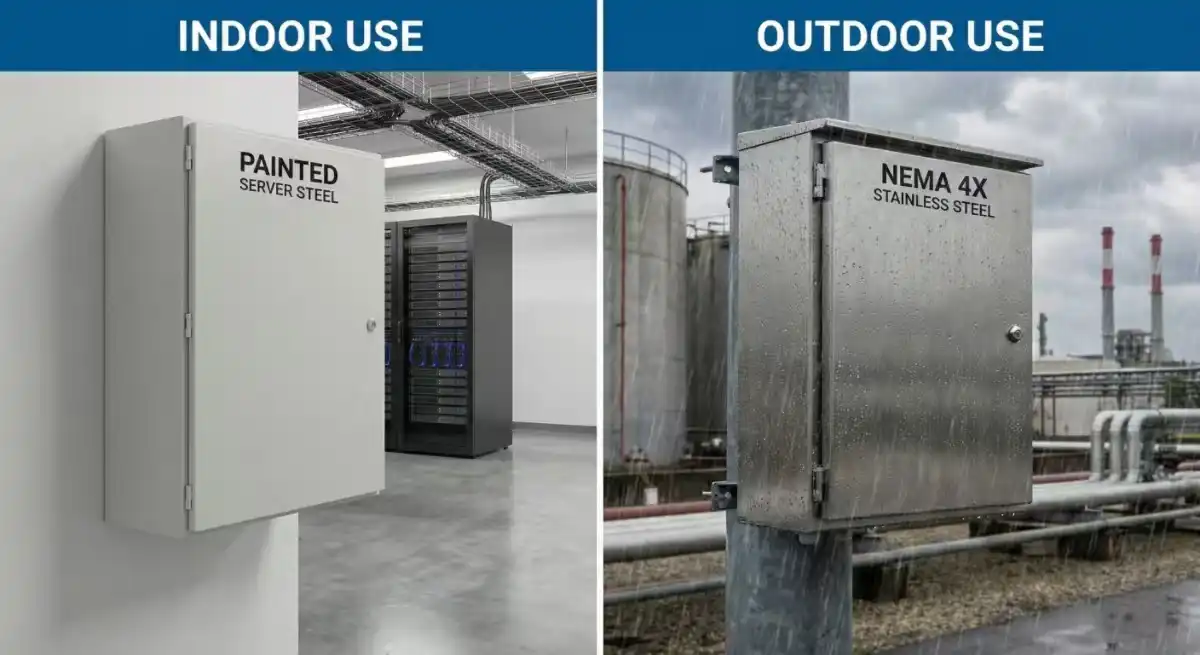
It is important to know how enclosure material changes NEMA and IP ratings. These ratings tell you how well a box keeps out dust and water. When you pick a material, you choose how safe your equipment will be.
- NEMA and IP ratings show if a box is good for inside or outside.
- You need the right rating to keep things safe in each place.
- Some materials protect better inside, others work better outside.
- NEMA ratings check for dust, water, ice, and chemicals. The material you use affects how well the box can handle these things.
- For outside, you need a material that can stand up to rain and sun. Inside boxes may not need as much protection.
Always pick your electrical enclosure material based on where you will use it. This helps your equipment last longer and stay safe.
Note: NEMA ratings also make sure your box follows safety rules for electrical products. You should learn about these ratings before you buy or put in any enclosure.
Suitability for NEMA 4X, 6/6P, IP65–IP68
Some jobs need very strong protection. You should know which materials can get these high ratings. The table below shows which materials work best for each rating:
| Rating | Material Type | Key Features |
|---|---|---|
| NEMA 4X | Stainless Steel | Does not rust, works inside and outside, keeps out water and dust |
| NEMA 6P | Stainless Steel, Plastics, Fiberglass | Can go underwater, does not rust, works in tough places |
| IP66 | Stainless Steel, Powder-coated Aluminum | Handles wet places, does not rust |
| IP68 | Stainless Steel, Plastics | Can go underwater, does not rust |
Stainless steel works well for almost every high rating. Fiberglass and plastics are also good, especially if you need protection from water and chemicals. Powder-coated aluminum is a smart choice for wet places.
Tip: Always look at the rating you need before you pick a material. This helps you avoid trouble and keeps your equipment safe.
Decision Framework for Electrical Enclosure Material Selection
Picking the right enclosure material can seem hard. You can use a simple process to help you choose. This guide breaks down the steps so you can match your needs to the best material.
Assessing Conditions
First, look at your environment and what your enclosure faces each day. Use these steps for your electrical enclosure material selection:
- Check the Location
Decide if your enclosure goes inside or outside. Outdoor spots need more protection from weather and sunlight. - Look for Moisture
Think about rain, cleaning, or high humidity. Water can cause rust and hurt electronics. - Measure Temperature Range
Write down the hottest and coldest temperatures. Some materials handle heat or cold better. - Check for Chemicals
Notice if there are acids or cleaning agents nearby. These can damage some materials. - Watch for Physical Hazards
Think about bumps, shaking, or security risks. Busy places with moving equipment need stronger enclosures. - List Your Equipment
Make a list of what goes inside. Check if you need extra space for heat or upgrades. - Review Code Compliance
Make sure your enclosure follows safety codes. For example, NEC Article 110.26 tells you how much space is needed for safe work.
Tip: Always leave about 25% more space inside your enclosure for future changes or repairs.
Matching Material to Application
Now, match your needs to the best material. Each job and place has a material that works best:
- Dust and Particulates
If your area has lots of dust, pick a material that seals tightly and keeps dust out. - Moisture Exposure
For places with water, like food plants or outdoor sites, pick stainless steel, fiberglass, or polycarbonate. These keep water out and do not rust. - Chemical Presence
If you work with acids or cleaning agents, use stainless steel 316 or fiberglass. These resist damage from chemicals. - Temperature Extremes
For very hot or cold places, stainless steel and fiberglass work well. Polycarbonate is good for normal temperatures but may bend in high heat. - Mechanical Impacts
In busy areas with moving machines, use steel or aluminum. These metals protect against bumps and hits.
Note: Always think about how you will use your enclosure. The right material keeps your equipment safe and working longer.
Cost and Compliance
You also need to think about cost and rules. Here are some things to remember:
- Learn about industry standards like IP ratings, UL certifications, and IEC guidelines. These help you avoid mistakes and extra costs.
- Pick materials that meet your safety needs. Steel is strong, aluminum is light, and plastics resist chemicals.
- Follow rules from groups like the FDA, CE, and RoHS. These make sure your enclosure is safe for people and the environment.
- Balance your budget with your needs. Sometimes a higher-cost material saves money because it lasts longer and needs less repair.
Tip: Always check both the upfront cost and the long-term value. A material that costs more at first may save you money over time.
By following these steps, you can make a smart electrical enclosure material selection. You will protect your equipment, meet safety rules, and stay within your budget.
Application Examples
Marine Environments
Working near the ocean is hard. Saltwater and humidity can hurt metals. You need enclosures that stop rust and last long. Polycarbonate and stainless steel are best for these places. Polycarbonate boxes are light and easy to carry. They do not rust or break in salty air. They also block sunlight. Stainless steel, especially 316 grade, gives the most corrosion resistance. It stays strong in tough marine weather. NEMA 4X stainless steel enclosures keep water and salt out. Aluminum is light and does not rust, but it can corrode after a while in marine air.
| Material | Advantages |
|---|---|
| Polycarbonate | Great corrosion resistance, light, low cost, safe, protects from UV rays |
| Stainless Steel | Very high corrosion resistance (316 grade), strong, lasts long |
| Aluminum | Light, resists rust, but may corrode after long use |
Tip: Pick 316 stainless steel or polycarbonate for the best results near the ocean.
Chemical Plants
You need to keep your equipment safe from strong chemicals. Stainless steel 316 stands up to acids and cleaners. Fiberglass works well because it does not rust or react with chemicals. Polycarbonate resists many chemicals and is easy to use. Do not use carbon steel here because it can rust and break fast.
- Stainless steel 316 fights acids and harsh cleaners.
- Fiberglass does not rust and handles chemical spills.
- Polycarbonate protects against many chemicals and is light.
Note: Always check the chemical resistance chart for your enclosure material before you choose.
Other Industrial Uses
Factories and plants have many different environments. Painted carbon steel is the cheapest choice for indoor jobs. It is strong and has a tough finish. Polycarbonate and fiberglass are good for many uses. Fiberglass lasts long and does not rust. Polycarbonate is light and easy to put in place. For outdoor jobs, aluminum and stainless steel protect better from weather.
Summary Table: Recommended Materials by Environment
| Environment | Best Materials | Key Benefits |
|---|---|---|
| Marine | 316 Stainless Steel, Polycarbonate | Stops rust, lasts long, light |
| Chemical Plant | 316 Stainless Steel, Fiberglass | Resists chemicals, strong |
| Indoor Industrial | Painted Carbon Steel, Polycarbonate | Low cost, easy to use |
| Outdoor Industrial | Stainless Steel, Aluminum, Fiberglass | Weatherproof, durable |
Tip: Always match your enclosure material to your environment for the best safety and value.
Cost and Ownership Analysis
Initial Costs
When you choose an enclosure material, you need to think about the price you pay at the start. Some materials cost more than others. You can see the differences in the table below:
| Material | Cost Category |
|---|---|
| Carbon Steel | Low |
| Stainless Steel | High |
| Aluminum | Medium |
| Polycarbonate | Medium |
| Fiberglass | Medium-High |
Carbon steel gives you the lowest price. Stainless steel costs the most. Aluminum, polycarbonate, and fiberglass fall in the middle. If you have a tight budget, carbon steel or polycarbonate may work best. If you need the best protection, you might pay more for stainless steel or fiberglass.
Tip: Always match your budget to your needs. Sometimes paying more at the start saves you money later.
Lifespan and Maintenance
You want your enclosure to last a long time. Some materials need more care than others. Stainless steel and fiberglass last the longest. They do not rust or break down easily. Carbon steel can rust if you do not protect it. Polycarbonate and aluminum last a good amount of time, but you need to check them for cracks or dents.
- Stainless steel: Needs little care, lasts many years.
- Fiberglass: Stays strong, resists weather and chemicals.
- Carbon steel: Needs paint or coating to stop rust.
- Polycarbonate: Easy to clean, but can scratch.
- Aluminum: Does not rust, but can dent.
If you want less work, pick stainless steel or fiberglass. If you do not mind checking and fixing, carbon steel or polycarbonate can work.
Long-Term Value
Think about how much you spend over time. A cheap box may cost more if you need to fix or replace it often. Stainless steel and fiberglass cost more at first, but they last longer and need less care. Polycarbonate and aluminum give you a good balance between price and life. Carbon steel works for short jobs or places with little risk.
Note: When you plan for the future, look at both the price and how long the enclosure will last. This helps you save money and keep your equipment safe.
You should pick your enclosure material based on where you work, how much protection you need, and how much money you have. Stainless steel is best for places that are wet or rough. Polycarbonate and fiberglass are good for chemical plants and outside jobs. Carbon steel is fine for inside places with little danger. Use this checklist to help you choose the right electrical enclosure material:
- Look at your work area.
- Find out what protection rating you need.
- Think about your budget.
- Choose the material that matches your needs.
Tip: Remember to think about changes you might need later when picking your enclosure.
FAQ
What is the most durable material for electrical enclosures?
Stainless steel is the toughest material. It works well in rough places. It does not rust or get damaged by chemicals. Stainless steel can handle bumps and hits. These enclosures last a long time. You do not need to fix them often.
Can you use polycarbonate enclosures outdoors?
Yes, polycarbonate can be used outside. It stands up to sunlight and rain. It does not rust or break down from most chemicals. Always check the rating before using it outdoors. Make sure it fits your needs.
How do you choose the right enclosure size?
Write down everything that goes inside the box. Add extra room for wires and upgrades. Leave about 25% more space than you think you need. This helps with future changes.
Are fiberglass enclosures safe for electrical use?
Yes, fiberglass is safe for electrical jobs. It does not let electricity pass through. You can use it where there are chemicals or water. Fiberglass keeps equipment safe. It also protects workers.
Which material is best for a tight budget?
Carbon steel is the cheapest choice. It works well inside buildings. You must paint or coat it to stop rust. For wet or outdoor places, polycarbonate is a good low-cost pick.
See also
Comparison of common materials for wall switches and sockets
What Are the Main Materials Used in Distribution Boxes
What is low voltage in the field of electrical engineering?
A Step-by-Step Guide to NEMA Enclosure Ratings and Common Mistakes
Circuit Breaker Requirements in High Dust Environments