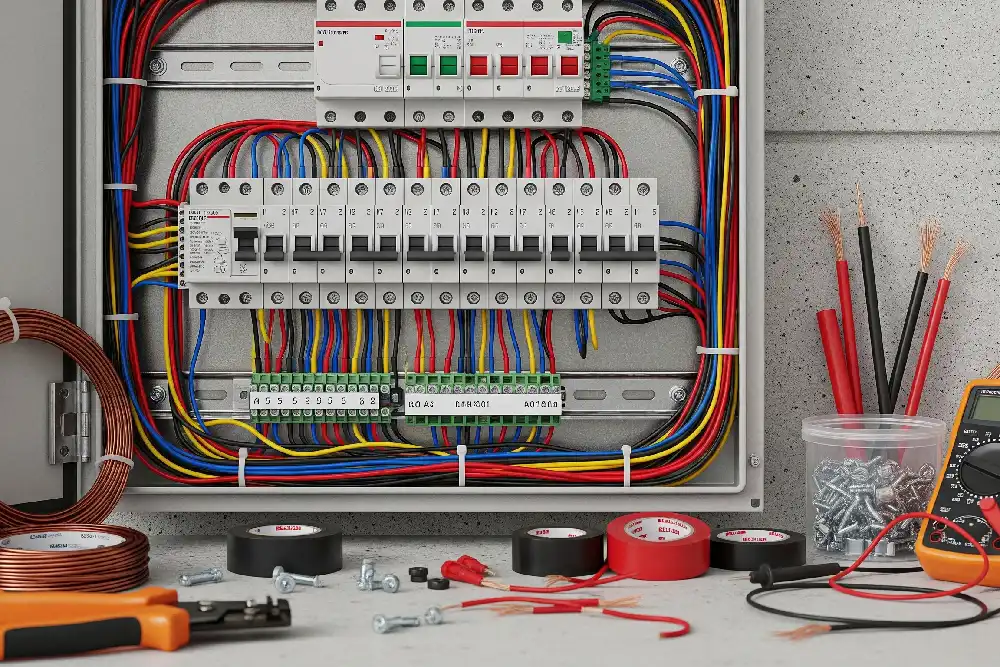
You can find distribution boxes made from various distribution box materials such as steel, aluminum, PVC, polycarbonate, high-density polyethylene, and thermoset plastics like SMC. Each distribution box material has its own special strengths. For example, you may need flame retardant features. The box should handle surge voltages up to 2kV. It also needs to resist heat and tracking.
- Engineering thermoplastics like polycarbonate and epoxy-coated steel are very safe and strong.
- Metals like steel can take hits and do not break easily.
- Plastics like PVC and HDPE are light and do not rust.
Key Takeaways
- Pick the right material for your distribution box. This helps keep it safe and strong. Steel works well outside. Plastic is light and good for inside use.
- Learn why IP ratings matter. Higher ratings mean better protection from dust and water. This keeps your electrical system working well.
- Think about flame retardancy when you choose materials. Check for UL 94 ratings. This shows if your box can handle fire dangers.
- Look at how strong the materials are. Polycarbonate and metal are tough. They protect the inside parts from harm. This helps the box last longer.
- Always match the box material to where it will be used. For wet or salty places, pick stainless steel or thermoset plastics. These stop rust and damage.
What Is a Distribution Box
Basic Function
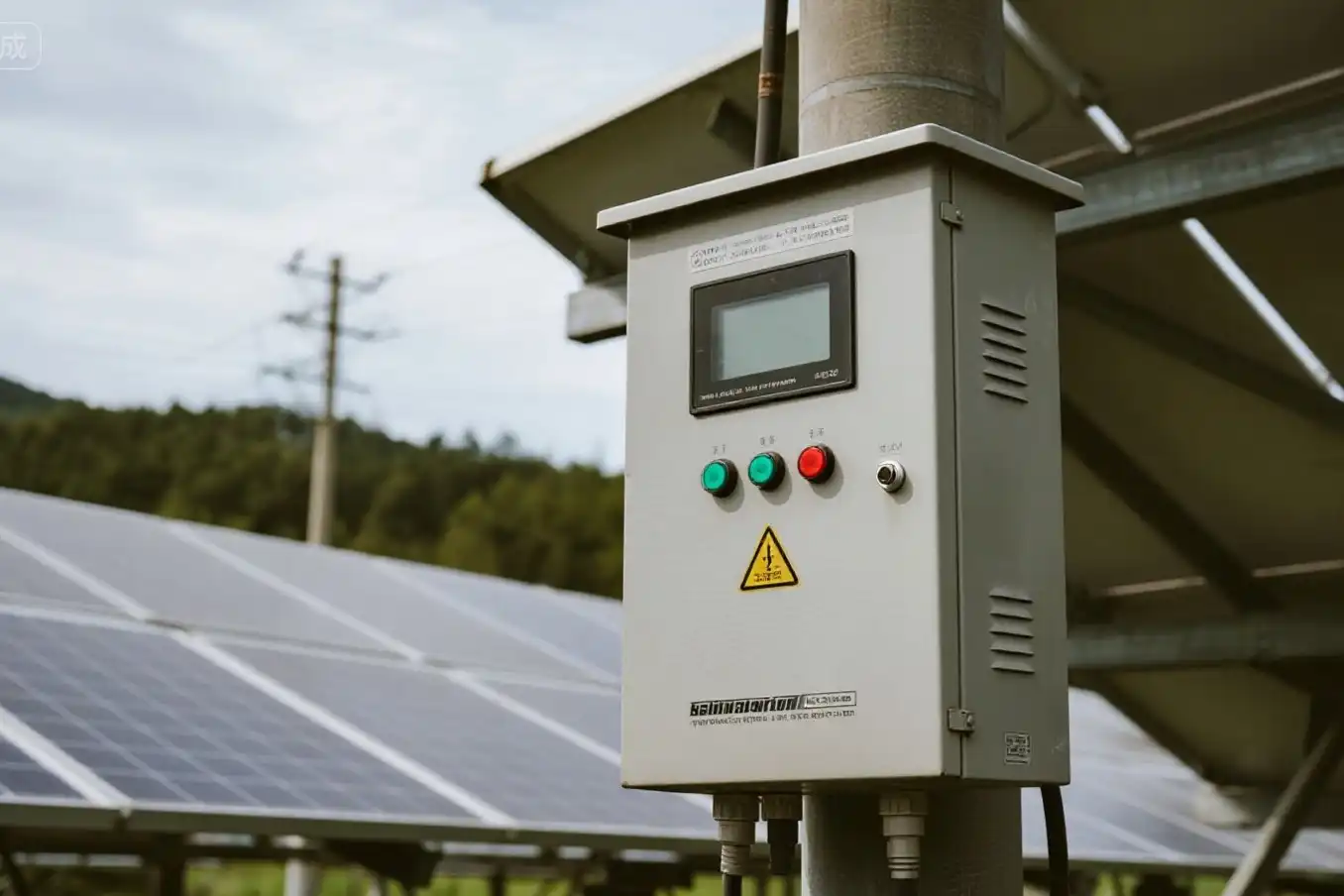
A distribution box is very important in an electrical system. It sends electricity from the main supply to different circuits. This keeps your power neat and safe. The box uses circuit breakers or fuses to protect you. These parts stop electricity if there is a problem.
Here is a table that lists what a distribution box does:
| Function | Description |
|---|---|
| Power Distribution | Sends electricity from the main supply to different circuits. |
| Circuit Protection | Uses circuit breakers or fuses to stop too much current and keep you safe. |
| Load Management | Shares power between circuits so nothing gets overloaded. |
| Safety and Compliance | Meets safety rules to lower the risk of electrical problems. |
| Customization and Expansion | Makes it easy to change or add to your electrical system. |
A distribution box does more than just hold wires. It keeps your electrical system safe and tidy. It also lets you make changes when needed.
Why Material Matters
The material of your distribution box affects how safe it is. The box keeps dust, water, and people away from the inside parts. You want a strong box, so pick metal or fire-resistant plastic.
- Steel is strong and lasts a long time. People use it in places with high voltage or in factories.
- Aluminum is not heavy and does not rust. Many homes use it.
- Plastic costs less and does not rust. It is good for inside or low-voltage use.
- Polycarbonate and metal both stop fire and are strong.
Look for things like IP ratings. These show how well the box keeps out dust and water. Fire resistance is also important. Many boxes use special materials to stop fire from spreading. If you put the box where there are chemicals or salty air, it should not rust.
Picking the right material helps you follow safety rules. Groups like the National Electrical Code (NEC) and OSHA make these rules to keep you safe. Good boxes use circuit breakers or fuses to stop power fast if something is wrong. Grounding bars help send extra electricity away safely.
Tip: Always choose a distribution box material that fits your space and safety needs. This helps stop electrical problems and keeps your system working well.
Distribution Box Material Types
When you pick a distribution box, you should know the materials. Each distribution box material has special features for different jobs. Here is what you need to know about the main types:
Metal (Steel, Aluminum)
Metal boxes are used in many electrical systems. Steel and aluminum are the most common metals for distribution boxes. These metals are strong and last a long time.
- Steel is very strong and can take hard hits. It is best for places that need extra protection, like factories or outside.
- Aluminum is much lighter than steel. You can move and put it in place easily. It does not rust because it makes a shield on its surface. This makes it good for wet or damp places.
Some important things about steel and aluminum are:
- Aluminum is light and easy to carry
- Both are strong and support heavy loads
- Aluminum does not rust easily
- Both let electricity and heat move through them
- You can shape them for special designs
Note: Metal boxes block electromagnetic interference and radio frequency interference. This helps keep your electrical system working right.
You should check the IP rating when you choose a metal box. The IP rating shows how well the box keeps out dust and water. Here is a simple guide:
| IP Rating | Typical Applications | Description |
|---|---|---|
| IP65 | Outdoor applications | Keeps out dust and water jets |
| IP66 | Building automation | Handles heavy rain and water jets |
| IP67 | Agricultural equipment | Can be under water for a short time |
| IP68 | Marine applications | Stays safe in water for a long time |
Thermoset Plastics (SMC)
Thermoset plastics like SMC are also used for distribution boxes. These are good when you need strong insulation and tough boxes.
| Characteristic | Description |
|---|---|
| Mechanical Strength | Very strong, can hold heavy things |
| Rigidity | Stays stiff and keeps its shape |
| Thermal Stability | Works in very hot or cold places |
| Electrical Insulation | Does not let electricity pass through, stops fire |
| Long-Term Durability | Does not rust, fade, or get damaged by water |
| Limitations | Costs more and cannot be recycled |
Thermoset plastics can take high heat. They keep their insulation even when it is hot. You often see them in high-voltage or outdoor places. But they cost more and you cannot recycle them.
Tip: Use thermoset plastics if you need strong insulation and fire safety.
Thermoplastics (PVC, Polycarbonate, HDPE)
Thermoplastics are light and easy to use. You see them in many indoor and outdoor boxes. Here are the main types:
- PVC (Polyvinyl Chloride): Can be hard or soft. It works for many jobs.
- Polycarbonate: This is tough and does not break easily. It can take heat, so it is safe for electrical use.
- HDPE (High-Density Polyethylene): HDPE is strong for its weight. It does not get damaged by water, sun, or heat. You can use it outside.
Some good things about thermoplastics are:
- Light and easy to put in place
- Good at stopping electricity from passing through
- Keep out water, dust, and do not rust
- Do not break easily (especially polycarbonate and HDPE)
- HDPE does not get hurt by chemicals
- HDPE can be recycled to help the planet
Note: Thermoplastic boxes work well inside and outside. They keep out water and dust, so they are safe in many places.
New ideas for thermoplastic boxes include:
- IP65 to keep out dust and water
- IK10 to stop damage from hard hits
- Can take heat up to 650°C
- Good insulation for up to DC 1000V
- Safety locks to stop accidents
- Many sizes for different uses
When you pick a distribution box material, think about where you will use it. Metal is best for strength and blocking EMI. Thermoset plastics are great for insulation and fire safety. Thermoplastics are light, easy to use, and work in many places.
Material Properties and Performance
Safety and Electrical Insulation
A distribution box should keep you safe from shocks and fires. The right material stops electricity from leaking out. SMC and epoxy resin board are good at insulation. These materials do not let electricity pass through. They also resist heat and keep their shape when hot. You often find them in shells and partitions inside the box.
Here is a table that shows how different materials work for insulation and safety:
| Material | Insulation Properties | Mechanical Strength | Heat Resistance | Suitability for Environments |
|---|---|---|---|---|
| Epoxy glass cloth insulation | Excellent, resists water and oil | High | Good | Harsh environments |
| Bakelite | Good insulation | Good | Good | Partitions and gaskets |
| Epoxy resin board | Excellent insulation and strength | High | Excellent | Custom designs |
| SMC | High insulation, corrosion resistance | High | Good | Shells and partitions |
Tip: Always make sure your distribution box material meets safety rules for insulation and fire resistance.
Durability and Corrosion Resistance
You want a box that lasts and can handle tough places. Strong materials protect cables from hits and shaking. Plastic boxes do not rust and block UV rays. Metal boxes like stainless steel work in very hot or cold places. They also block electromagnetic interference.
Here are some key points about durability and corrosion resistance:
- Plastic is light, cheap, and does not rust or fade in the sun.
- Aluminum is strong but can rust in salty air unless coated.
- Stainless steel is best for not rusting outside.
| Material | Corrosion Resistance Characteristics |
|---|---|
| SMC | Resists salt spray, stays strong over time, great in bad weather |
| Stainless Steel (316L) | Best at not rusting, works in harsh places |
| Aluminum | Can rust in salty air, needs a special coating |
Environmental Suitability
Think about where you will use the box. Water, heat, and chemicals can change how well it works. Water can make some materials bend or get weak. Humid air can make metals rust. Plastic boxes do not rust and can handle sunlight, so they are good outside.
Steel boxes have the biggest effect on global warming and health. Aluminum boxes are better for the planet, especially if you recycle them. Using green energy to make boxes can lower pollution even more.
Note: Pick a box that fits your environment. For wet or salty places, choose materials that do not rust. For outside, look for UV protection and strong insulation.
Distribution Box Material Comparison
Strengths and Weaknesses
Different distribution box materials have their own good and bad points. The table below shows how each material is different:
| Material | Strengths | Weaknesses |
|---|---|---|
| Steel | Very strong, blocks EMI, long-lasting | Heavy, can rust without coating |
| Aluminum | Lightweight, resists rust, easy to install | Softer than steel, can corrode in salty air |
| Polycarbonate | Tough, resists impact, good insulation, UV-resistant | Can cost more than PVC |
| PVC | Affordable, easy to shape, good insulation | Not as strong as metal, can crack in cold |
| HDPE | Resists chemicals, lightweight, can be recycled | Not as rigid as other plastics |
| SMC (Thermoset) | High insulation, fire-resistant, strong in harsh weather | Not recyclable, higher cost |
| Stainless Steel | Best for corrosion resistance, strong, good for harsh environments | Expensive, heavy |
Tip: Pick a material that fits your project. If you need strength, use steel. If you want something that can take a hit, use polycarbonate.
Best Use Cases
You should choose your distribution box material based on where you will use it. Here are some places and the best materials for each one:
| Environment Type | Recommended Material | Protection Rating | Notes |
|---|---|---|---|
| Underwater | IPX8-rated temporary distribution box | IPX8 | Good for being under water all the time. |
| Coastal (low corrosion) | 304 stainless steel, IP66-rated box | IP66 | Works well with some salt spray and water jets. |
| Coastal (high corrosion) | 316 stainless steel, IP66-rated box | IP66 | Best for lots of salt spray and tough conditions. |
| Chemical exposure | Polycarbonate enclosure | N/A | Handles acids and bases from pH 2 to 12. |
| Cold climates | Silicone rubber gaskets | N/A | Stops cold air and wetness from getting inside. |
| Hot environments | UV-resistant coatings | N/A | Keeps the box safe from sun and too much heat. |
| Mobile applications | IP66-rated box, IK08 impact resistance | IP66, IK08 | Good for moving around and taking bumps. |
- Metal boxes are great for factories, ships, and outside. They last a long time and do not break easily.
- Plastic boxes are best for homes, schools, and safe places. They are light and simple to put in.
- Fiberglass and SMC boxes are good with chemicals and bad weather. You see them a lot in big factories.
When you pick a distribution box, think about dust, water, sun, and chemicals. Make sure the box has the right IP rating for your space. If you need to block UV rays or handle tough weather, use fiberglass or powder-coated steel.
Key Selection Criteria
Flame Retardancy
When you pick a distribution box, check if it resists fire. Flame retardancy helps keep your electrical system safe in a fire. Some materials stop burning fast. Others let flames spread more easily. You can use the UL 94 rating to compare how materials burn:
| UL 94 Rating | Description | Importance |
|---|---|---|
| V-0 | Stops burning in 10 seconds after you take away the flame | Very good at stopping fire, meets strict rules |
| V-1 | Stops burning in 30 seconds | Good for places that are not as risky |
| V-2 | Burns slowly and can drip | Not good for places where safety is very important |
Fire-resistant materials can take high heat and not catch fire. Flame-retardant materials slow down flames and make less smoke. Always check if your box material meets local fire safety rules.
Tip: Pick V-0 or V-1 ratings for the best safety.
Mechanical Strength
Mechanical strength means how much force a box can take before it breaks. Strong materials keep the inside parts safe from bumps and drops. Polycarbonate is light and tough, so you can use it in many places. Metal boxes are best for hard jobs because they take strong hits and heat. If you pick a strong material, you will not need to fix or replace the box often.
- Polycarbonate gives good insulation and does not rust.
- Metal boxes are strong and protect from fire.
- Picking the right material helps your box last longer.
Installation and Cost
Think about how easy it is to put in the box and how much it costs. Some materials are light, so you can carry and install them by yourself. Heavy boxes may need special tools. Cost is important too. Stainless steel and fiberglass cost more but last longer in tough places. Polycarbonate and PVC are cheaper and work well for most jobs.
| Material Type | Pros | Cons | Best For |
|---|---|---|---|
| Stainless Steel | Does not rust, strong, lasts a long time | Costs more, heavy | Near the ocean, chemical plants, food factories |
| Polycarbonate | Tough, light, not expensive | Can scratch, may turn yellow | Outside, telecom, many other uses |
| GRP (Fiberglass) | Does not rust, strong, light | Costs more, can break in cold | Chemical plants, ships, water treatment places |
International rules help you pick safe and good materials. Always check for IP ratings and local rules before you buy.
Picking the right distribution box material keeps you safe and makes your system last longer. You should choose a box that fits your space. Steel is good for outside use. Plastic works best inside. The table below shows which materials work in different places:
| Material Type | Application Suitability | Key Features |
|---|---|---|
| Steel | Outdoor/Industrial | Strong, lasts long, has rust-proof coatings |
| Plastic | Indoor | Light, blocks UV rays |
Knowing what each material can do helps your box work better and last longer. Polycarbonate and metal boxes can take heat and tough jobs. Use the table below to help you pick:
| Material Type | Durability | Heat Resistance | Cost | Best Use Case |
|---|---|---|---|---|
| ABS Plastic | Low | Low | Low | Normal electric loads |
| Polycarbonate | High | High | High | Safety-critical components |
| Metal Boxes | High | High | High | Workshops or big homes |
Tip: Always pick a box that matches your real needs, like weather, chemicals, or heavy use.
FAQ
What is the most common material for distribution boxes?
Steel is used the most for distribution boxes. You see steel boxes in many factories and outside places. They last a long time and keep the inside parts safe from damage.
What makes polycarbonate a good choice for distribution boxes?
Polycarbonate is very tough and does not break easily. You can use it both inside and outside. It also stops UV rays and does not get rusty.
What does the IP rating on a distribution box mean?
The IP rating shows how well the box keeps out dust and water. Bigger numbers mean the box gives better protection. Always look at the IP rating before you pick a box.
What material should you use in wet or salty environments?
Stainless steel or SMC are best for wet or salty places. These materials do not rust and can last a long time in hard conditions.
What is the difference between thermoset and thermoplastic materials?
Thermoset materials, like SMC, do not melt when they get hot. Thermoplastics, like PVC, can melt and be shaped again. Thermosets are stronger and resist fire better.
See also
Steel distribution protection box
Can moisture cause circuit breakers to trip
What are the warning signs of surge protector failure
Choosing a suitable distribution box and what should be noted