

When you install a distribution box, you need a variety of tools to get the job done safely and efficiently. To install distribution box systems, you’ll use hand tools such as screwdrivers and pliers. Wire strippers are essential when you install distribution box wiring. A measuring tape and utility knife are also necessary, and a level ensures that you install distribution box components straight. Don’t forget a 9/16-inch wrench, which is often required when you install distribution box hardware. Power tools are heavily used to install distribution box units, with drills and impact drivers being especially common. Hole saws are frequently used as well. The table below highlights the most commonly used power tools when you install distribution box setups:
| Tool Type | Usage Percentage |
|---|---|
| Power Drills | 84% |
| Hammer Drills | 87% |
| Reciprocating Saws | 86% |
| Circular Saws | 74% |
| Rotary Hammers | 70% |
| Drill Drivers | 75% |
| Cordless Hammer Drills | 55% |
| Cordless Circular Saws | 49% |
When you install distribution box assemblies, you’ll also need banding tools for mounting. These include stainless steel banding and buckles, as well as a tensioning tool and metal shears to complete the installation.
Key Takeaways
- Use important hand tools like screwdrivers, pliers, and wire strippers for safe and easy installation.
- Power tools like drills and impact drivers help you work faster and make sure things are done right.
- Always wear safety gear like insulated gloves and safety glasses to stay safe from electrical dangers.
- Look at all tools and check the work area before you start to stop problems and keep everyone safe.
- Use the right banding steps to attach the distribution box tightly and stop problems later.
Tools to Install Distribution Box
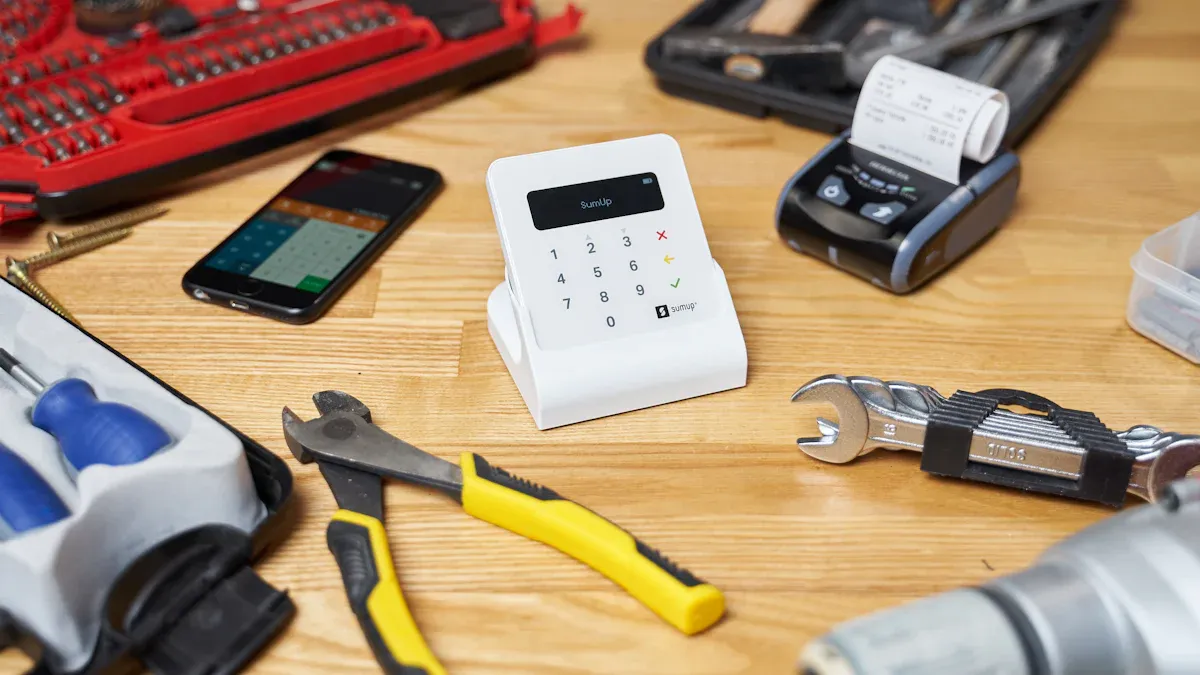
Hand Tools
You need different hand tools to install distribution box systems. Each tool helps you do a special job. These tools help you work safely and quickly.
- Screwdrivers: Use flathead and Phillips screwdrivers to put in or take out screws from the box and cover.
- Pliers: Lineman’s pliers hold and twist wires. Needle-nose pliers reach into small spaces. Both types help you move wires and small parts.
- Wire Strippers: Take off the plastic cover from wires before you connect them. Some wire strippers can also cut and press wires, which saves time.
- Measuring Tape: Use this to check if the box will fit in the right spot.
- Utility Knife: Cut tape, insulation, or boxes. You can also use it to trim wires.
- Level: Make sure the distribution box is straight on the wall or surface. Digital levels are more exact and work faster.
- 9/16-inch Wrench: Tighten bolts and nuts that hold the box and its hardware.
Tip: Electricians say to pick hand tools with comfy handles. These handles help your hands not get tired during long jobs.
Power Tools
Power tools help you finish the job faster and make sure you install distribution box units the right way.
- Drill: Make holes for screws and anchors. Right-angle drills are good for small spaces.
- Impact Driver: Put in screws and bolts fast. This tool gives extra power for hard jobs.
- Hole Saw: Cut big holes for cables or conduit fittings. Pick the right size for each job.
Many new power tools have brushless motors. These motors last longer and use less energy. Some drills and drivers have smart features like Bluetooth. This lets you check how the tool works and when it needs care. Digital screens and laser tools help you measure better and save time.
Note: Always test power tools before you use them. Make sure they are easy to hold and feel right in your hand.
Banding Tools
Banding tools help you attach the distribution box to poles, walls, or other places. You need the right tools and materials for a safe job.
- Stainless Steel Banding: Use stainless steel because it is strong and does not rust. Pick the right width and thickness for your job.
| Part Number | Width (inches/mm) | Thickness (mm) | Pcs/bag |
|---|---|---|---|
| L8 | 1/2 (8) | 0.7 | 100 |
| L10 | 3/8 (8) | 0.7 | 100 |
| L12.7 | 1/2 (12.7) | 0.7 | 100 |
| L16 | 5/8 (16) | 0.7 | 100 |
| L19 | 3/4 (19) | 0.8 | 100 |
- Buckles: Hold the banding in place. You can pick from 304, 201, or 316 stainless steel buckles. Use heavy-duty buckles for bigger boxes.
- Tensioning Tool: Pull the banding tight around the box and where you mount it. This tool makes sure the banding holds the box tight.
- Metal Shears: Cut the banding to the right length. Use shears made for steel so you do not break the banding.
When you install distribution box assemblies, follow these steps for banding: 1. Cut the banding and put it through the buckle or seal. 2. Wrap the banding around the box and where you want to mount it. 3. Use the tensioning tool to pull the banding tight. 4. Tap the seal with a hammer to lock it. 5. Cut off extra banding with metal shears.
Tip: For plastic banding, use a tensioner and sealer tool. Put the strap in place, pull it tight, and seal it with a metal seal.
Banding can be made from polyester, polypropylene, or composite. Pick the material that fits your job and the weight you need to hold. Manual tools are good for small jobs. Machines save time if you have many boxes to install.
Checking Equipment and Foundation
Before you install distribution box hardware, look at the site and your tools. This step helps you avoid problems and keeps you safe.
- Make sure the place is dry and easy to get to.
- Do not put the box near water or in hard spots.
- Keep the box safe from heat, water, and damage.
- If you install distribution box units outside or in wet places, check for rust-proof coatings.
- Use UV-resistant materials for boxes in the sun.
- Make sure the box is waterproof so water does not hurt it.
| Material Type | Pros | Cons | Best For |
|---|---|---|---|
| Stainless Steel | Does not rust, strong, works in hot or cold places | Costs more, heavier | Near the ocean, chemical plants, food factories, NEMA 4X |
| Polycarbonate | Hard to break, light, good in sunlight | Can scratch, cheap ones may turn yellow | Outside, telecom, NEMA 3R, 4, or 4X |
| GRP | Does not rust, strong, light | Costs more, can break in very cold places | Chemical plants, water plants, boats, NEMA 4X |
| Coated Carbon Steel | Strong, not too expensive | N/A | N/A |
| Plastic | Does not rust, light | Not as strong as steel | Outside, needs good UV-stable plastic |
Always check your tools and the place before you install distribution box systems. This step keeps you safe and helps your job go well.
Tool Safety

Safety Equipment
When you install distribution box systems, you need safety gear. This gear keeps you safe from electrical dangers. Here are the main things you should use:
- Insulated gloves stop electricity from reaching your hands. They protect you from shocks and burns when working with live wires.
- Safety glasses keep your eyes safe from flying bits and sparks.
- A voltage tester or multimeter checks if wires have power before you touch them.
- Electrical tape covers bare wires and connections. This lowers the chance of touching live wires by accident.
You should use rubber-insulated cables for all wires coming in and going out. Put electrical devices on metal or special boards that do not conduct electricity. Make sure your electric shock protector works well and is not broken. The distribution box should be made from steel plate or flame-retardant insulation. These materials follow safety rules and help stop fires and shocks.
Tip: Pick safety gear that has national safety labels and is approved for electrical jobs.
Safe Handling
Safe tool use starts with checking and caring for your tools. Look at your hand and power tools before you use them. Check for cracks, dents, missing pieces, or dirt. Take broken tools away and mark them so no one uses them by mistake.
Here are some good ways to stay safe with tools:
- Check your tools every day before and after work.
- Look at handles for splinters, breaks, or cracks.
- See if metal parts have rust or corrosion.
- Sharpen tools with blades once each season.
- Look at power cords for fraying so you avoid shocks or fires.
Use double-insulated tools that are UL Listed. Keep tools and cords away from heat, oil, and sharp things. Always use GFCIs at building sites.
Safety rules say all tools and gear for installing distribution box systems must be marked and certified. These rules help lower risks and make sure you use the right tools.
| Course Component | Description |
|---|---|
| Course Type | Trainer course that follows OSHA rules |
| Duration | About 3 hours, you can go at your own speed |
| Certification | You get a trainer certificate that lasts forever |
| Key Topics | How to use tools safely, care for equipment, spot hazards |
| Materials Provided | Training kit, PowerPoint, and other training stuff |
Note: Check your tools every day. Do bigger checks every month, three months, and year to keep your work area safe.
Installation Tips
Preparation Steps
Get ready before you install distribution box systems. Good planning helps you avoid errors and keeps you safe.
- Check all equipment and the foundation first. Make sure the cabinet and hardware pass inspection before starting.
- Look at the site. Check the soil and follow local rules.
- Test the soil to see if it can hold the weight. If needed, make the soil stronger for better support.
- Design the foundation using soil test results and what the equipment needs. Follow engineering standards.
- Clear the site and grade it. Make sure the ground is flat and drains well.
- Set up utility connections. Check that power and data lines are ready.
- Set safety rules. Train your team on safety steps.
Tip: Always check all your tools and materials before you start. This helps you avoid delays.
Efficient Workflow
You can use smart ways to make installation faster and more accurate. The table below shows ideas to help your workflow:
| Strategy | Description |
|---|---|
| Reduce Your Order Lead Time | Organize your warehouse and ship fast to keep lead times short. |
| Consolidate Box Sizes and Packing Materials | Use fewer box sizes and packing materials to speed up packaging. |
| Rearrange Your Warehouse | Change the layout based on what you need and how your team works. |
| Keep Using AI: Receiving Automation | Use machines to process inventory faster and do less manual work. |
| Invest in Comprehensive Training | Train your team well so everyone knows the steps and uses technology right. |
| Minimize Touches | Cut out extra steps, like picking straight to shipping cartons. |
Measure and level each distribution box carefully. Use levels and laser levels to keep everything straight. Accurate leveling helps your equipment last longer and work better. If you skip this step, you might get problems like warping or breakdowns. Always secure the box tightly and check all connections.
Note: Use measuring tape and levels for every install distribution box job. These tools help you avoid mistakes and keep your work high quality.
You need hand tools like screwdrivers, pliers, wire strippers, and a wrench to put in a distribution box. Power tools like drills and impact drivers help you finish faster. Banding tools, such as stainless steel banding and tensioning tools, hold the box in place. Always use each tool correctly and follow safety rules.
- Good load management stops too much power and prevents fires.
- Careful current checks help you choose the right wire size.
- Checking often and fixing problems fast keeps your distribution box safe.
Get ready and use the right tools for a safe and easy job.
If you need to purchase some high-quality distribution boxes, you can check out our distribution box product series
Click-to-view.webp)
FAQ
What hand tools do you need to install a distribution box?
You need screwdrivers, pliers, wire strippers, a measuring tape, a utility knife, a level, and a 9/16-inch wrench. Each tool helps you complete a specific task during installation.
What power tools help you install a distribution box faster?
You use drills, impact drivers, and hole saws. These tools let you make holes, drive screws, and cut openings for cables quickly.
What safety equipment should you wear when installing a distribution box?
Wear insulated gloves and safety glasses. Use a voltage tester or multimeter to check wires. Electrical tape covers exposed wires and keeps you safe.
Tip: Always check your safety gear before you start working.
What banding tools do you use for mounting a distribution box?
You need stainless steel banding, buckles, a tensioning tool, and metal shears. These tools secure the box to poles or walls.
What steps should you take before starting installation?
Check your equipment and the site. Make sure the area is dry and safe. Inspect all tools for damage. Confirm the foundation supports the box.
See also
Should You Choose Second Hand or New Circuit Breakers
What Makes Distribution Boxes and Fuse Boxes Different
Choosing a suitable distribution box and what should be noted
Distribution Box Industry Comparison of Types and Uses
How to Install an Air Circuit Breaker in Simple Steps