
When picking materials for wall switches and sockets, you often see plastics like nylon, ABS, polycarbonate, or thermoset. These plastics cost less and work well in homes and offices. Metal choices like stainless steel, copper, and brass are stronger and look nicer. What you pick is important because it changes safety, strength, and how your room looks. Think about strength, safety, looks, and price before you choose.
Key Takeaways
- Pick materials for safety, strength, and looks. Plastics like nylon and polycarbonate are safe and cheap. Metals like stainless steel and brass are strong and look nice.
- Think about where you will use the switches and sockets. In wet places, use materials that do not let in water or heat. Nylon and stainless steel work well in these spots.
- Find fire-retardant materials with safety labels. This helps switches and sockets handle heat and stop electrical dangers.
- Check how much the materials cost. Plastics usually cost less. Metals look fancy and last longer. Try to match your budget with your style.
- Pick finishes that fit your room and are simple to clean. Brushed finishes hide fingerprints. Polished finishes need more cleaning.
Wall switches and sockets: Materials
When you check wall switches and sockets, you see two main materials. These are plastics and metals. Each one has its own good points for homes or offices. It is important to know what makes each one different. This helps you pick the right one for your needs.
Plastics
Plastics are used most for wall switches and sockets. Companies use them because they are strong, safe, and not expensive. You can find plastics like nylon, ABS, polycarbonate, and thermoset in many houses. These plastics do not break easily and can take heat. This keeps you safe from electrical dangers. Some plastics, like polyvinyl chloride (PVC) and polyethylene (PE), are great at stopping electricity from passing through. Others, like polycarbonate and ABS, are very tough and last a long time.
Tip: Plastics are good for switches, sockets, and wall plates. They do not let electricity pass and can be used every day.
Here is a table that lists the main plastics and what they are good at:
| Type of Plastic | Characteristics |
|---|---|
| Polyvinyl Chloride (PVC) | Great insulation, keeps out water and chemicals |
| Polycarbonate | Very strong, lasts long, can be used in many ways |
| Polyethylene (PE) | Stops electricity well, great insulation |
| Acrylonitrile Butadiene Styrene (ABS) | Hard to break, does not catch fire easily |
| Polypropylene (PP) | Melts at high heat, keeps out chemicals |
| Phenolic | Stays together well, handles high heat |
| Polytetrafluoroethylene (PTFE) | Insulates very well, stays stable with heat |
| Polyamide (PA) | Strong, can take heat |
Metals
Metals make wall switches and sockets stronger and look nice. You often see stainless steel, copper, and brass in new homes or big buildings. These metals do not rust and last for years. Stainless steel and brass are shiny and look clean. Copper lets electricity move very well.
Note: Metal wall plates are liked because they last and look good. But the switch and socket parts are usually plastic to keep you safe.
Here is a table that shows what materials are used most for switches, sockets, and wall plates:
| Material Type | Description |
|---|---|
| Metal | Strong and stylish; includes brass, bronze, zinc, stainless steel, steel |
| Plastic | Used most; includes nylon, polycarbonate, thermoplastic |
| Specialty Materials | Wood, cast stone, tempered glass for special looks and uses |
Wall switches and sockets use plastics to save money and for safety. Metals are used to make them look better and last longer, mostly for wall plates.
Plastics Comparison
Nylon
Nylon is a strong choice for wall switches and sockets. You see nylon in places with lots of use or water. Nylon does not crack from bumps or scratches. It works well in hot places, up to 150°C. Nylon costs more than ABS or polycarbonate. But it works better in wet or busy spots.
Pros of Nylon:
- Takes hits and scratches well
- Good for wet places
- Stays strong in heat
Cons of Nylon:
- Costs more than other plastics
- Can soak up water and change shape
Common Uses:
- Mechanical parts
- Gears
- Wall switches and sockets in kitchens or bathrooms
Tip: Nylon is smart for places with lots of wear.
| Property | Nylon |
|---|---|
| Impact Resistance | Good |
| Heat Tolerance | Up to 150°C |
| Durability | High |
| Limitation | Absorbs moisture |
ABS
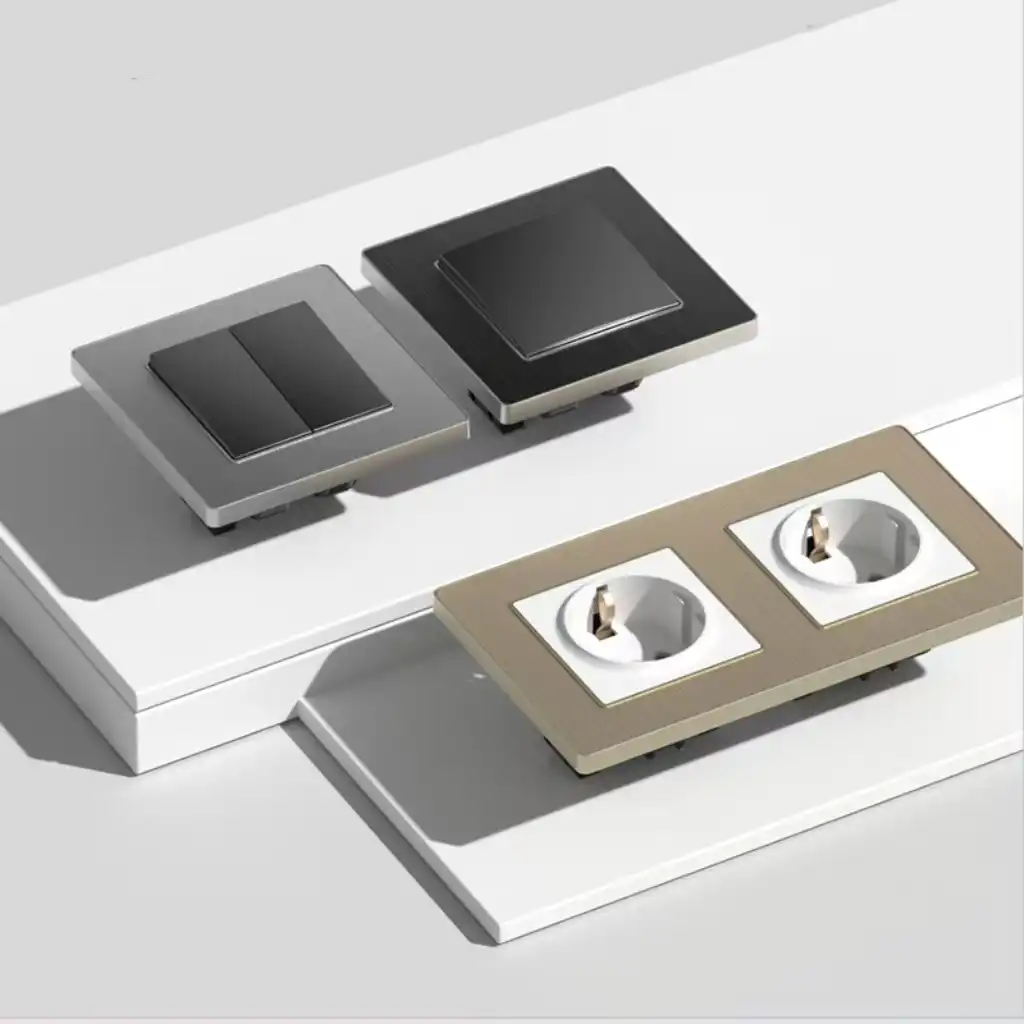
ABS is a tough plastic for wall switches and sockets. You find ABS in homes because it can take bumps and drops. ABS does not burn easily and does not break fast. It works in heat up to 100°C. This is fine for most rooms. ABS costs less than nylon and polycarbonate. You save money with ABS.
Pros of ABS:
- Tough and strong
- Handles rough use
- Good for daily use
Cons of ABS:
- Not as good with chemicals
- Lower heat resistance than nylon or polycarbonate
Common Uses:
- Electrical sockets
- Car parts
- Electronic cases
| Property | ABS |
|---|---|
| Impact Resistance | Excellent |
| Heat Tolerance | Up to 100°C |
| Durability | High |
| Limitation | Less chemical resistance |
Note: ABS is best where you need strength but not high heat.
Polycarbonate
Polycarbonate is strong and stiff for wall switches and sockets. You see polycarbonate where extra strength is needed. It is used for plug covers and safety gear. Polycarbonate does not crack from impacts. It works in heat up to 135°C. It can scratch if you do not use a coating.
Pros of Polycarbonate:
- Very strong and stiff
- Takes hard hits
- Good for support
Cons of Polycarbonate:
- Not as tough as ABS for rough use
- Can scratch without a cover
Common Uses:
- Eyewear lenses
- Bulletproof glass
- Plug covers and wall plates
| Property | Polycarbonate |
|---|---|
| Impact Resistance | High |
| Heat Tolerance | Up to 135°C |
| Durability | High |
| Limitation | Prone to scratching |
Tip: Polycarbonate is great for strong and safe hardware.
Thermoset
Thermoset plastics are stiff and resist heat for wall switches and sockets. You find thermoset plastics in circuit boards and insulation. These plastics handle very high heat and strong chemicals. Once shaped, you cannot change or recycle them. They do not bend, so they work best where things must stay firm.
Pros of Thermoset Plastics:
- Stays strong in high heat
- Handles strong chemicals
- Does not melt or change shape
Cons of Thermoset Plastics:
- Not bendable
- Cannot be reshaped or recycled
Common Uses:
- Circuit boards
- Electrical insulation
- Car parts
| Property | Thermoset Plastics |
|---|---|
| Impact Resistance | Varies |
| Heat Tolerance | Superior |
| Durability | High |
| Limitation | Irreversible curing |
Note: Thermoset plastics help keep you safe in hot or chemical places.
Comparison Table
Here is a table to help you compare these plastics:
| Material | Impact Resistance | Heat Tolerance | Pros | Cons | Typical Applications |
|---|---|---|---|---|---|
| Nylon | Good | Up to 150°C | Impact and scratch resistant, moisture proof | Higher cost, absorbs moisture | Wet areas, mechanical parts |
| ABS | Excellent | Up to 100°C | Tough, takes impacts, affordable | Less chemical resistance | Sockets, electronics |
| Polycarbonate | High | Up to 135°C | Strong, stiff, good for support | Prone to scratching | Wall plates, plug covers |
| Thermoset | Varies | Superior | Stiff, heat and chemical resistant | Not bendable, not recyclable | Circuit boards, insulation |
Callout: When you pick materials for wall switches and sockets, think about where you will use them and what matters most—strength, heat resistance, or saving money.
Metals Comparison
When you pick metals for wall switches and sockets, you have lots of options. Every metal has things it does well and things it does not. You might choose stainless steel, copper, brass, or other metals. These metals can change how your switches and sockets look, work, and last.
Stainless Steel
Stainless steel is a strong choice that looks modern. People use it in homes and offices for a clean style. Stainless steel does not rust or stain easily. It works well in kitchens, bathrooms, or wet places. This metal keeps its shine and lasts many years.
Pros of Stainless Steel:
- Great at stopping rust, even in wet places
- Very tough and hard to scratch
- Looks shiny and new
Cons of Stainless Steel:
- Costs more than some other metals
- Shows smudges and fingerprints
Typical Applications:
- Wall plates in kitchens and bathrooms
- Commercial buildings
- Busy places
Tip: Stainless steel is good if you want strength and a clean look.
| Metal Type | Corrosion Resistance | Longevity |
|---|---|---|
| Stainless Steel | Great, even in salty or wet places | Over 50 years |
Copper
Copper gives a warm and classic look. You see copper in old homes or places with rich style. Copper is very good at carrying electricity. It is used inside switches and sockets, not just outside. Copper changes color over time. It gets a green layer called patina. Some people like how it looks when it ages.
Pros of Copper:
- Moves electricity really well
- Has a special, warm color
- Stops germs from growing
Cons of Copper:
- Turns color and gets dull in wet air
- Needs cleaning to stay shiny
Typical Applications:
- Inside wall switches and sockets
- Fancy wall plates
- Old or vintage homes
| Metal Type | Corrosion Resistance | Longevity |
|---|---|---|
| Copper | Okay, but turns green in wet air | About 30 years |
Note: Copper is great inside switches and sockets because it carries electricity well.
Brass
Brass gives a fancy and classic look. You find brass in both new and old homes. Brass looks rich and warm. It does not rust, but it can get dull in wet air. Brass lasts a long time and hides marks well. You do not need to clean it much.
Pros of Brass:
- Has a golden, warm color
- Easy to care for, hides scratches
- Lasts a long time
Cons of Brass:
- Gets dull in wet places
- Not as tough as stainless steel
Typical Applications:
- Fancy wall plates
- Old-style homes
- Hotels and offices
| Metal Type | Corrosion Resistance | Longevity |
|---|---|---|
| Brass | Not as good, gets dull fast in wet air | About 30 years |
Callout: Brass is a good pick if you want a classic look and easy care.
Other Metals
You can also pick other metals for wall switches and sockets. Bronze, black nickel, and chrome give you more choices. Bronze looks rich and old-fashioned. Black nickel is bold and modern. Chrome can be very shiny or soft-looking. Each finish makes your room feel different.
Common Finishes and Their Features:
| Metal Finish | Aesthetic Description | Maintenance Requirements |
|---|---|---|
| Brushed Brass | Warm color, always looks nice, fits many rooms | Easy to care for, hides marks |
| Aged Brass | Darker color, classic style, adds depth | Easy to care for, hides wear |
| Black Nickel | Black color, modern and bold | Needs some care, can show scratches |
| Bronze | Rich and classic, good for old-style rooms | Needs some care, soft shine |
| Brushed Chrome | Works in many rooms, hides marks | Easy to care for, good for busy spots |
| Polished Chrome | Very shiny, fits many styles, shows fingerprints | Needs more cleaning, shows marks |
Tip: Choose a finish that matches your style and how much cleaning you want to do.
Summary Table: Metal Properties for Wall Switches and Sockets
| Metal Type | Durability | Corrosion Resistance | Longevity | Appearance | Maintenance | Typical Use |
|---|---|---|---|---|---|---|
| Stainless Steel | High | Great | 50+ years | Modern, shiny | Medium | Kitchens, bathrooms, offices |
| Copper | Medium | Okay | ~30 years | Warm, classic | High | Inside parts, old homes |
| Brass | Medium | Not as good | ~30 years | Classic, fancy | Low | Fancy plates, hotels |
| Bronze/Nickel/Chrome | Medium | Changes | Changes | Rich, bold, many looks | Changes | Custom styles, decor |
Block Quote: Metals can change how your wall switches and sockets look and last. Stainless steel is strong and shiny. Copper and brass make things warm and stylish. Other metals help you match any room.
Durability
Impact Resistance
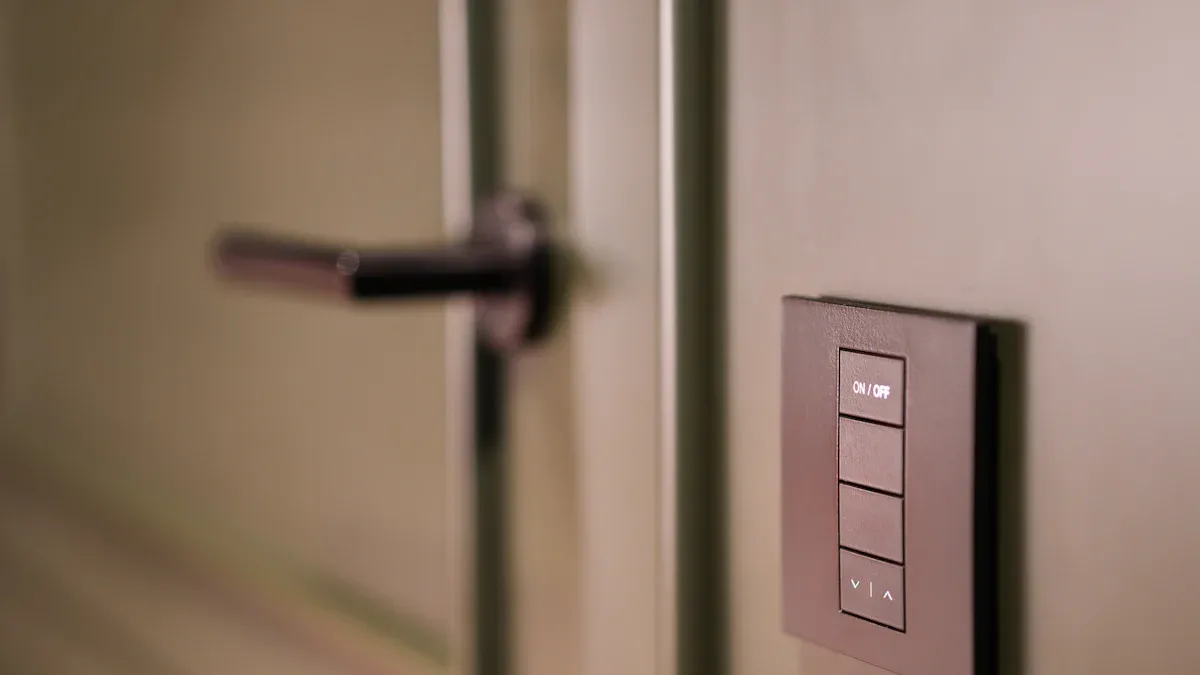
You want wall switches and sockets that do not break easily. Impact resistance means the material stays strong if it gets hit. This is important in busy places like schools or kitchens. Nylon and ABS plastics are very good at not breaking. Polycarbonate is also strong if you need more protection. Stainless steel does not dent or scratch much, so it looks new for a long time.
Here is a table that shows how well each material handles bumps:
| Material | Impact Resistance | Best Use Areas |
|---|---|---|
| Nylon | Excellent | Kitchens, bathrooms |
| ABS | Very Good | Living rooms, offices |
| Polycarbonate | High | Schools, public areas |
| Stainless Steel | Superior | Commercial buildings |
| Brass | Good | Hotels, homes |
Tip: If your switches might get hit a lot, choose nylon, ABS, or stainless steel. These materials help your switches and sockets last longer.
Longevity
You want your wall switches and sockets to last many years. Longevity means the material does not wear out fast. Plastics like polycarbonate and thermoset last a long time because they do not crack or melt easily. Stainless steel lasts the longest. It does not rust or stain, even if it gets wet. Brass and copper also last a long time, but they can change color as they age.
Here are some things that help materials last longer:
- Handles heat well
- Does not rust or corrode
- Resists scratches
Check this table to see how long each material usually lasts:
| Material | Expected Lifespan | Special Features |
|---|---|---|
| Stainless Steel | 50+ years | No rust, keeps shine |
| Polycarbonate | 20-30 years | Tough, resists heat |
| ABS | 15-20 years | Strong, affordable |
| Brass | 30+ years | Classic look, easy care |
| Copper | 30+ years | Good for inside parts |
Callout: If you want switches and sockets that last a long time, pick stainless steel or polycarbonate. These materials give you the best value over the years.
Safety
Fire Resistance
Wall switches and sockets should help keep you safe from fire. Some materials, like polycarbonate, nylon, and ABS, do not burn easily. These materials can handle heat and flames. Companies test them in labs to make sure they are safe. One test is called the ball press test. This test checks if the material can take high heat or catch fire.
Polycarbonate and nylon are very good at staying strong in heat. ABS also works well in most homes. Phenolic resin sometimes needs more tests for hot places. You should pick switches and sockets that pass these tests. This helps stop fires in your house or office.
Tip: Pick products with clear fire safety ratings. These ratings mean the material passed tough lab tests.
Here is a table that shows how well each material resists fire:
| Material | Fire Resistance Level | Typical Use |
|---|---|---|
| Polycarbonate | High | Wall plates, covers |
| Nylon | High | Switches, sockets |
| ABS | Moderate | Sockets, plates |
| Phenolic Resin | Varies | High-temp areas |
Electrical Insulation
Electrical insulation keeps you safe from getting shocked. Plastics like nylon, ABS, and polycarbonate do not let electricity pass through. This makes them good for switches and sockets. These plastics are inside the parts you touch every day. Metal wall plates look nice, but the inside parts use plastic for safety.
You should check that your switches and sockets use good insulating materials. Good insulation stops electricity from leaking out. This keeps you and your family safe. Nylon and polycarbonate give strong insulation and last a long time. ABS is also safe for most homes.
- Nylon: Strong insulation, good for wet places
- Polycarbonate: Reliable, used in safety gear
- ABS: Cheap, safe for daily use
Block Quote: Good insulation is very important for electrical safety. You stay safe by picking switches and sockets made with trusted insulating materials.
If you want the safest choice, pick products made with tested plastics. These materials help keep your home safe from fire and electric shock.
Appearance
Colors
You can choose from many colors for wall switches and sockets. The material you pick changes the color options you get. Acrylic switches come in clear, black, or blue. These colors add luxury and glamour to your home. Wall sockets sometimes use bright colors like pink, purple, green, or blue. These colors make your walls look lively and help keep sockets clean. Switch plates offer many colors. You can match them with your room décor for a neat look. Wooden switches show natural wood tones. These tones give your space a rustic feel. Glass switches use transparent or frosted styles. These styles make your room look glamorous. Metal switches often come in silver or gold. These colors fit modern design styles. Antique switches use vintage colors. These colors work well in classic or old-style rooms.
Here is a table that shows popular color choices and their design impact:
| Material | Color Options | Design Impact |
|---|---|---|
| Acrylic | Clear, Black, Blue | Adds luxury and glamour |
| Wall Socket | Pink, Purple, Green, Blue | Brightens walls, keeps sockets clean |
| Switch Plate | Various colors | Matches décor for a cohesive look |
| Wooden | Natural wood tones | Creates a rustic theme |
| Glass | Transparent, Frosted | Enhances a glamorous aesthetic |
| Metal | Silver, Gold | Fits modern design styles |
| Antique | Vintage colors | Complements vintage interior designs |
Tip: Pick colors that match your furniture and wall paint. This helps your switches and sockets blend in or stand out as you like.
Finishes
The finish you choose changes how your switches and sockets look and how easy they are to keep clean. Aged brass finishes give a classic look. These finishes hide marks and need less cleaning because of their darker shade. Black nickel finishes look bold and modern. They add a special touch to your space. Brushed chrome works well in busy areas. It hides fingerprints and scratches better than polished chrome. Polished chrome looks shiny and stylish. You need to clean it more often because it shows fingerprints. White metal finishes look more durable and stylish than white plastic. They make your switches and sockets look better and last longer.
- Aged brass gives a classic style and hides marks.
- Black nickel adds a modern, bold look.
- Brushed chrome is versatile and hides blemishes.
- Polished chrome looks shiny but needs more cleaning.
- White metal is stronger and more stylish than white plastic.
Block Quote: The finish you pick can change the mood of your room. Choose a finish that fits your style and how much cleaning you want to do.
Cost
Material Cost
When you pick wall switches and sockets, think about how much the material costs. Plastics like ABS and polycarbonate are cheaper than metals. Nylon costs a little more because it is strong and works in wet places. Thermoset plastics can be pricey since they handle heat and chemicals well. Stainless steel, brass, and copper cost more than most plastics. These metals last longer and look nice, but you pay extra for their style and strength.
Here is a table that shows average material costs:
| Material | Cost Level | Notes |
|---|---|---|
| ABS | Low | Good for basic use |
| Polycarbonate | Medium | Strong and safe |
| Nylon | Medium-High | Great for wet areas |
| Thermoset | High | Best for heat resistance |
| Stainless Steel | High | Modern look, very durable |
| Brass | High | Classic style, easy care |
| Copper | High | Used inside, great conductor |
Tip: Pick ABS or polycarbonate if you want to spend less. Choose stainless steel or brass if you want your switches to look fancy and last a long time.
Installation Cost
How much it costs to install depends on the material and design. Plastic switches and sockets are light and simple to put in. You can do it yourself or pay an electrician a small fee. Metal wall plates are heavier and need more care. They might need special screws or tools. You pay more for work if you pick heavy or custom metal styles.
Here are some things that change installation cost:
- How heavy the material is
- If you need special tools
- How tricky the design is
- How skilled the installer is
You can see how installation costs compare:
| Material | Installation Cost | Reason |
|---|---|---|
| ABS/Polycarbonate | Low | Easy to handle |
| Nylon | Low-Medium | Slightly heavier |
| Stainless Steel | Medium-High | Needs careful fitting |
| Brass/Copper | Medium-High | May need expert installer |
Block Quote: Plastic switches are cheaper to put in. Metal and custom designs cost more. Always ask how much installation will be before you buy.
Comparison Table
When you look at materials for wall switches and sockets, you notice big differences. Some work better, look nicer, or last longer than others. You want to choose the best one for your home or office. A table makes it easy to see these differences fast.
| Feature | Metals | Plastics |
|---|---|---|
| Strength and Durability | Very strong, can hold heavy loads | Not as strong, breaks under stress |
| Weight | Heavy and dense | Light and less dense |
| Conductivity | Lets heat and electricity pass easily | Stops heat and electricity |
| Corrosion Resistance | Can rust or wear out | Does not rust, lasts longer |
| Thermal Resistance | Handles high heat well | Can melt or bend in high heat |
| Design Flexibility | Hard to shape, stays stiff | Easy to mold into many shapes |
| Cost | Costs more, looks fancy | Cheaper, good for saving money |
| Appearance | Shiny, classic, or modern styles | Many colors and finishes to pick from |
| Maintenance | Needs cleaning, shows fingerprints | Easy to clean, hides marks well |
Tip: Use this table to help you pick what you need. Metals are strong and stylish. Plastics are safe and come in many colors.
Looking at materials side by side helps you make better choices. Here are some ways this helps:
- You can see which is stronger and lasts longer.
- You find out which one looks best in your room.
- You compare prices and pick what you can afford.
- You learn which is better for busy or special rooms.
If you want switches and sockets that last a long time, metals like stainless steel or brass are good. If you care about safety and want more color choices, plastics like ABS or polycarbonate are smart. You get to decide what is most important for your space. Comparing materials helps you feel sure about your choice. 😊
Callout: Always think about where you will put your switches and sockets. The right material keeps your home safe, strong, and looking great.
Material Selection
Home Use
When you pick wall switches and sockets for your house, think about safety first. You want them to last long and look nice too. Choose fire-retardant materials like good polycarbonate with a V0 grade. This helps keep your family safe from fires. Make sure the switches and sockets have safety marks like UL or CE. If you need them for kitchens or bathrooms, get ones made for wet places.
You can use this table to help you decide:
| Factor | Description |
|---|---|
| Safety Features | Fire-retardant materials help keep your home safe. |
| Material and Durability | Polycarbonate V0 grade lasts longer and handles heat. |
| Design and Aesthetics | Pick a style that matches your home, like rocker or toggle switches. |
| Grounding | Grounded sockets help stop electrical leaks. |
| Number of Outlets | Pick single or multi-socket based on what you need. |
| USB Charging | Built-in USB ports make charging easier. |
| Smart Socket Plugs | Smart features make things easier and give you control. |
| Load Rating | Make sure the socket can handle your devices. |
Tip: Always check if the switches and sockets match your home’s voltage and outlet type. Think about what you might need later, like smart features or more outlets.
Commercial Use
For stores or offices, you need stronger materials. Pick switches and sockets made from stainless steel or thick polycarbonate. These materials do not break easily and last longer. Commercial products cost more because they follow strict rules and have higher ratings.
- Pick products with good copper parts for better electricity flow.
- Look for thicker shells made from PA66 or PC for more strength.
- Make sure the products have safety marks like UL, ENEC, or CE.
Note: Commercial places may need special wiring or expert help. Always follow local safety rules and codes.
High-Traffic Areas
Busy places like schools, hospitals, or hallways need the toughest switches and sockets. Stainless steel and thick polycarbonate are best here. These materials do not scratch or break easily. Look for switches and sockets with pure copper and high-grade silver alloy contacts. This helps them work well and last longer.
- Pick products with thicker shells for more protection.
- Choose designs that hide fingerprints and scratches, like brushed finishes.
- Make sure the switches and sockets have safety marks.
Callout: In busy areas, strong materials and good parts help your switches and sockets stay safe and work well for years.
Picking the best material for wall switches and sockets depends on what you need. Metals last longer and look fancy. Plastics cost less and come in more colors.
| Attribute | Metal Switches and Sockets | Plastic Switches and Sockets |
|---|---|---|
| Safety | Very strong, does not crack | Might crack if tightened too much |
| Durability | Keeps shape, hard to damage | Can bend or change color |
| Appearance | Smooth, looks expensive | Scratches easily, looks simple |
| Cost | Costs more money | Cheaper to buy |
Always think about safety first. Look for surge protection and tamper-resistant parts. Use strong materials in busy places. Pick a style that matches your room. Try to balance price and quality for the best deal.
Checklist for Material Selection:
- Make sure voltage and current ratings are right.
- Pick the switch type and features you need.
- Check for safety marks like UL or CE.
Tip: New styles have smart features, fire-retardant materials, and cool finishes. Choose what works for you and keeps your space safe.
FAQ
What is the safest material for wall switches and sockets?
You should pick switches and sockets made from fire-retardant plastics like polycarbonate or nylon. These materials resist heat and do not let electricity pass through. Always check for safety marks like UL or CE on the product.
Can I use metal wall plates in bathrooms or kitchens?
Yes, you can use metal wall plates in wet areas. Stainless steel works best because it does not rust. Make sure the inside parts use plastic for insulation. This keeps you safe from electric shocks.
How do I know if a switch or socket will last a long time?
Look for products made from stainless steel or thick polycarbonate. These materials resist scratches and heat. Check for quality marks and thicker shells. Good copper parts inside also help switches and sockets last longer.
Are plastic switches and sockets safe for children’s rooms?
Yes, plastic switches and sockets are safe for children’s rooms. Choose tamper-resistant designs and fire-retardant plastics. These features help protect children from shocks and burns.
Do metal switches and sockets cost more than plastic ones?
Metal switches and sockets usually cost more than plastic ones. You pay extra for strength, style, and longer life. If you want to save money, pick ABS or polycarbonate plastic options.
See also
What Are the Main Materials Used in Distribution Boxes
How to Identify the Most Suitable Wall Socket for Your Space
What is the Right Socket for Your Home, 15 Ampere or 20 Ampere
What should I do if the circuit is overloaded?
How to interpret the technical markings on terminal blocks