
You need a conversion switch that matches your generator’s highest output or your main panel’s breaker, whichever is less. Safety is most important, so always pick a switch that follows local electrical rules. When you choose the right size, you keep your home and equipment safe. Check your generator’s output and your panel rating before you put in a conversion switch.
Key Takeaways
- Always choose a conversion switch that matches the lower rating. Use the lower number from your generator or main panel breaker. This helps keep your home safe.
- Check your generator’s power output and your main panel’s amperage first. Do this before you pick a switch. This helps you avoid overloads and dangers.
- Decide which circuits you need during a power outage. Make sure the switch can handle those circuits. Do not go over your equipment’s limits.
- Follow local electrical codes and safety rules. Use a licensed electrician for installation. This makes sure the setup is correct and safe.
- Test and maintain your conversion switch and generator often. This keeps them working well when you need backup power.
Sizing the Conversion Switch
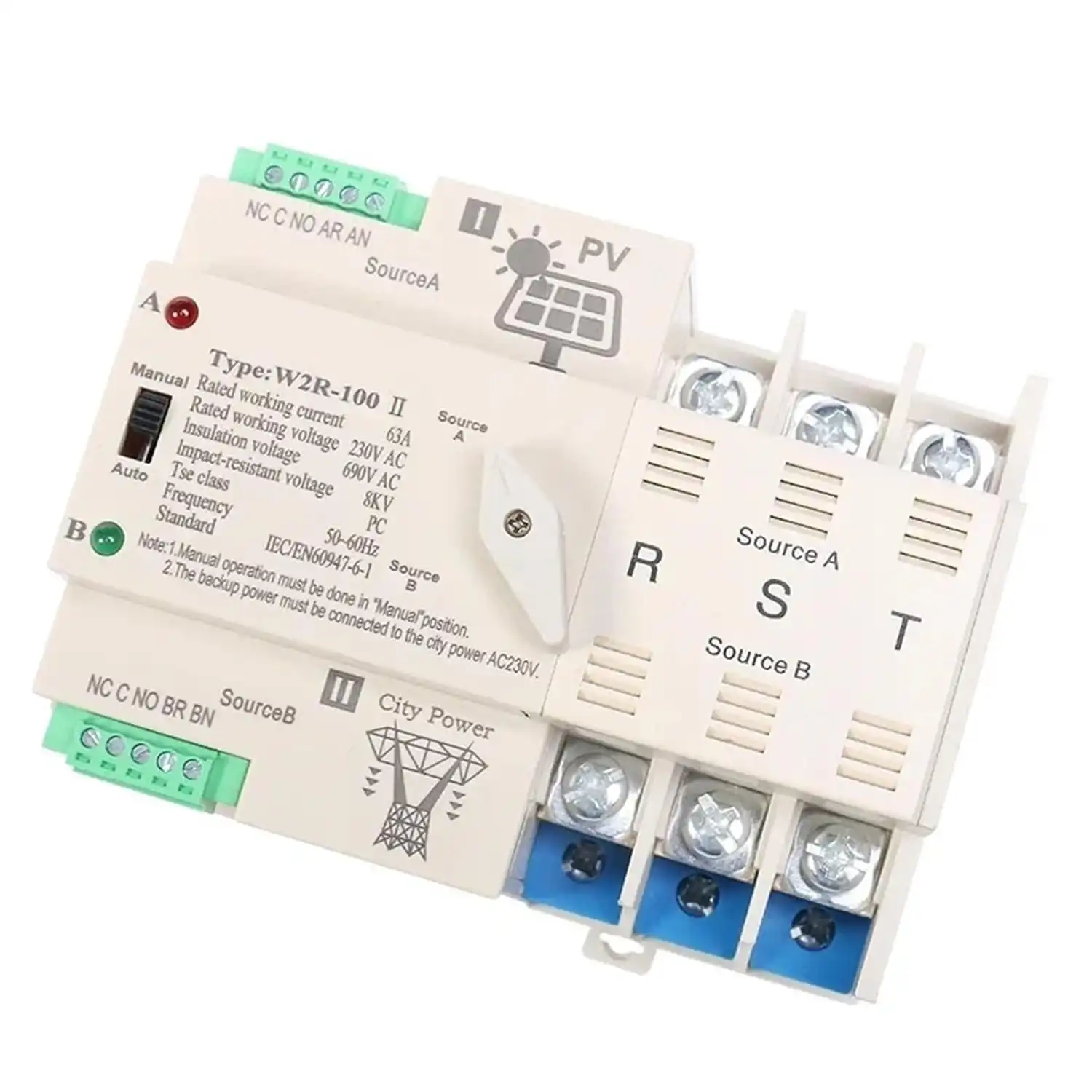
Choosing the right conversion switch keeps your home safe and your generator working well. You must size the switch to match either your generator’s maximum output or your main panel’s breaker, whichever is lower. This step-by-step guide will help you find the correct size.
Find Generator Output
Start by checking your generator’s output. You can find this information on the generator’s nameplate or in the manual. Most generators list their output in watts (W) or kilowatts (kW). To find the amperage, use this formula:
Amps = Watts ÷ (Volts × Power Factor)
For example, if you have a 45,000-watt (45 kW) generator running at 120 volts with a power factor of 0.8:
- 45,000 W ÷ (120 V × 0.8) = 468.75 amps (total output)
Generators often have multiple windings or phases. If your generator has six windings, divide the total amps by six to get the amps per winding. Always check the nameplate for the exact rating and voltage setup. Some generators wired for 120/240 V single phase can safely produce 100 amps at 240 V or 200 amps at 120 V.
Here is a quick look at typical generator outputs:
| Generator Type | Typical Output Range (Watts) | Notes |
|---|---|---|
| Portable | 2,000 – 10,000 | Good for small jobs or partial home backup |
| Standby (Whole House) | 10,000 – 20,000+ | Powers most or all home systems, including large appliances |
Check Main Panel Amps
Next, look at your main electrical panel. The panel’s amperage rating tells you the maximum current it can handle. You can find this rating on a label inside the panel door. It might say something like “100A” or “200A.” The main breaker also shows the panel’s rating.
- Check the busbar rating on the panel label. This is the highest current the panel can safely carry.
- Look at the wire size between the meter and the main breaker. For example, 1 AWG wire usually means a 100A panel, while 1/0 AWG wire means a 125A panel.
- Make sure the panel and breakers follow local codes and manufacturer instructions.
Tip: The panel’s continuous load rating is usually 80% of its maximum, but you should always use the full nominal rating when sizing your conversion switch.
Match Switch to Load
Now, you need to match the conversion switch to both your generator and your main panel. The switch must not exceed the lower of the two ratings. Here is a simple process:
- Choose a conversion switch with a breaker rating that matches your generator’s output or your main panel’s breaker, whichever is lower. For example, if your generator can supply 5,000 watts (about 20 amps at 240V) and your panel is rated for 100 amps, use a 20-amp or 30-amp switch.
- Install the conversion switch next to your main panel.
- Use the correct wiring and connectors, following all safety codes.
- Make sure the switch enclosure is grounded.
- Check that the breakers in the switch are compatible with your panel and generator.
Manual and automatic transfer switches both follow these rules, but automatic switches often need extra features for whole-house backup. Always check the manufacturer’s instructions for your specific switch.
Note: Never use a conversion switch rated higher than your generator or panel. This can cause overheating and fire hazards.
Key Factors
When you choose a conversion switch for your generator, you need to look at several important factors. Each one helps you make a safe and reliable choice for your home.
Generator Capacity
Your generator’s capacity tells you how much power it can provide. You find this number on the generator’s label or in the manual. The conversion switch must handle the full output of your generator. For example, if your generator can supply 100 amps, you need a switch rated for at least 100 amps. Some equipment, like motors, may use more power when starting, so you should consider these higher starting currents. If you plan to add more appliances later, pick a switch that can handle future needs.
Tip: Always size the conversion switch to match or exceed your generator’s maximum output to avoid overloads.
Panel Rating
Your main electrical panel has a rating that shows the maximum current it can safely carry. The conversion switch must not have a higher rating than your panel. If your panel is rated for 200 amps, your switch should not exceed this. Sometimes, you may want to power only certain circuits. In that case, you can use a smaller switch and a sub-panel. This setup can save money and make installation easier.
- The main panel rating affects the size and type of conversion switch you need.
- If you install the switch before the main panel, it must handle the full load.
- Moving key circuits to a sub-panel lets you use a smaller switch.
Load Needs
Think about what you want to power during an outage. Do you need to run your whole house, or just a few essential circuits? If you only need lights and a refrigerator, you can use a smaller conversion switch. If you want to power everything, you need a larger switch. Make a list of your must-have items and add up their power needs. This helps you pick the right size.
| Load Type | Switch Needed |
|---|---|
| Essential circuits | Smaller switch (e.g., 30A) |
| Whole house | Larger switch (e.g., 100A+) |
Code Compliance
You must follow local codes and the National Electrical Code (NEC) when installing a conversion switch. The NEC has rules for different types of systems, like emergency or standby power. Some systems require automatic switches, while others allow manual ones. Always mount the switch near your main panel and use a licensed electrician for installation. Use a weatherproof power inlet box outside your home. Never backfeed power into utility lines, as this can harm utility workers.
Note: Regularly test your conversion switch and generator to make sure they work when you need them.
Conversion Switch Examples
Common Sizes
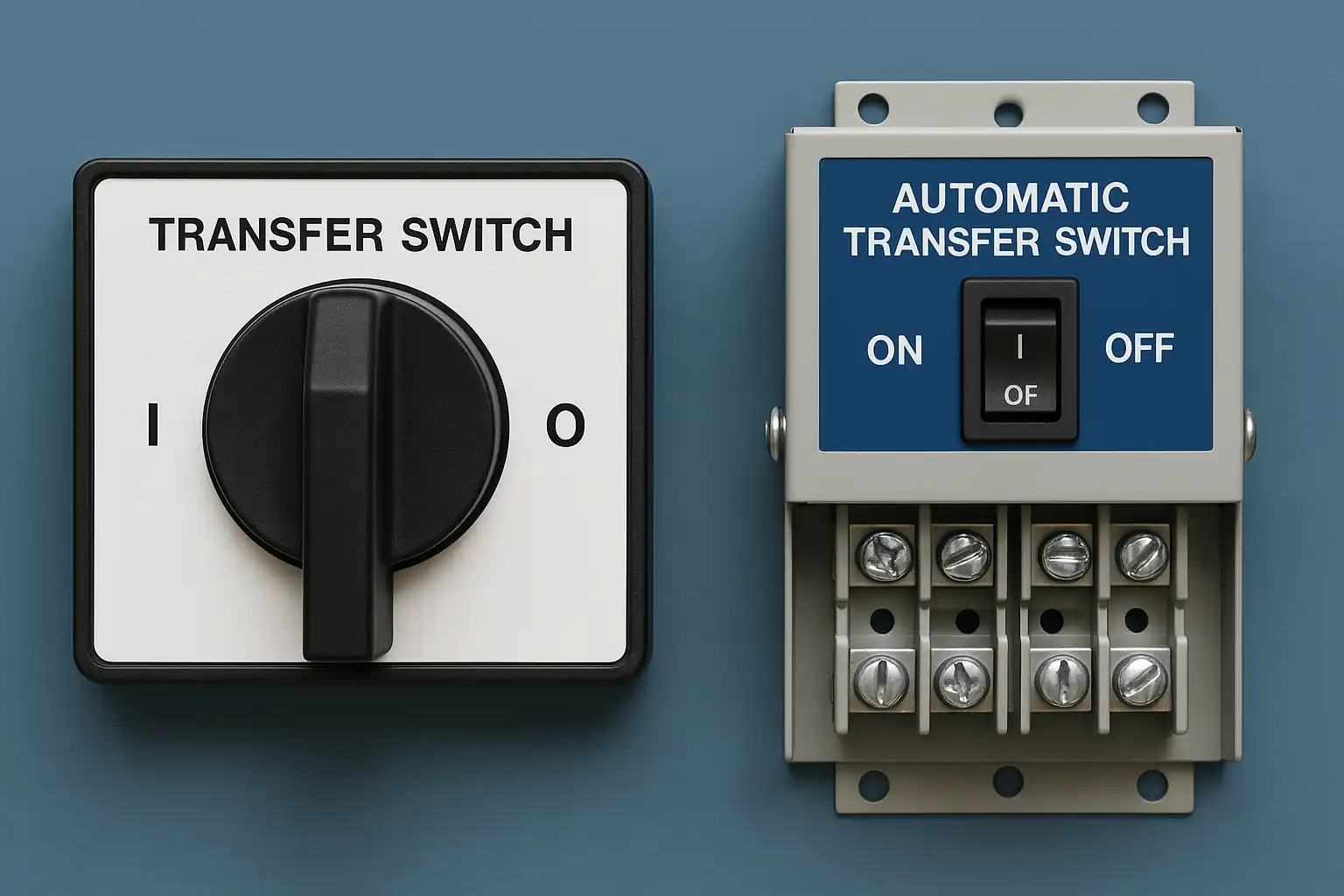
You can find many sizes of conversion switch on the market. The right size depends on your generator and your home’s needs. Most homes use a 30-amp or 50-amp conversion switch for portable generators. If you have a whole-house standby generator, you may need a 100-amp or even a 200-amp switch. Manual switches work well for small or medium generators. Automatic switches fit best with larger, standby generators.
Tip: Always check your generator’s output and your main panel rating before you pick a conversion switch. This helps you avoid overloads and keeps your system safe.
Quick Reference Table
Here is a quick table to help you choose the right conversion switch for your generator. You can use this as a guide when you shop for a new switch.
| Generator Size (Watts) | Typical Output (Amps at 240V) | Recommended Conversion Switch Size | Manual or Automatic Switch? |
|---|---|---|---|
| 2,000 – 4,000 | 8 – 17 | 20A | Manual |
| 5,000 – 7,500 | 21 – 31 | 30A | Manual or Automatic |
| 8,000 – 12,500 | 33 – 52 | 50A | Manual or Automatic |
| 13,000 – 20,000 | 54 – 83 | 100A | Automatic |
| 20,000+ | 84+ | 200A | Automatic |
You can use a manual conversion switch for small jobs or essential circuits. If you want your generator to power your whole house, you should use an automatic switch. This switch will turn on by itself when the power goes out.
Note: Always follow the manufacturer’s instructions when you install a conversion switch. If you are not sure, ask a licensed electrician for help.
Safety and Help
Safety Checklist
Before you use or put in a conversion switch, follow a safety checklist. This helps stop accidents and keeps your system safe.
- Make sure the conversion switch is UL listed and follows the National Electrical Code (NEC).
- Check all wires to see if they are tight and secure. Loose wires can cause problems and be unsafe.
- Look at the switch box for rust, dust, or dirt. Clean it if you see any.
- Keep the area around the switch dry. Water inside the switch can cause short circuits.
- Ground all wires the right way to stop electric shocks.
- Use the right wire size and connectors for your setup.
- Wear gloves and safety glasses when you work on the switch.
- Turn off the main power before you start any work.
- Test the system often to make sure it works right.
- Have regular checkups and maintenance to find problems early.
⚠️ Never plug a generator into a wall outlet. This can send power back into utility lines and hurt workers.
When to Call a Pro
You should call a licensed electrician for many parts of the job. Some tasks are too risky to do by yourself.
- Always get a pro to put in transfer switches or interlock kits. This makes sure you follow local rules and stay safe.
- Electricians know how to balance loads and pick the right wire size.
- Only a licensed electrician should do hard wiring, grounding, and neutral-ground bonding.
- If you do not know the code rules or feel unsure, ask a pro for help.
- Electricians have the right tools, skills, and insurance to keep your home safe.
- Pros help stop dangers like back-feeding, power surges, and fire.
- The law often needs permits and checks, which electricians can handle.
- If your generator is 5,000 watts or more, a pro must install the transfer switch.
🛑 Working with home electrical systems is dangerous. If you do not have experience, always call a licensed electrician to keep your family and home safe.
You should always match the conversion switch to your generator’s output or your main panel’s rating, whichever is lower. To stay safe and meet code, follow these steps:
- Identify the circuits you need during an outage.
- Calculate total wattage and size the switch to your generator’s largest outlet.
- Balance loads and check that breakers and wiring match.
Correct sizing prevents hazards and keeps your warranty valid. If you feel unsure, ask a licensed electrician for help.
FAQ
What happens if you use a conversion switch that is too small?
If you use a switch that is too small, it can overheat and fail. This can cause fires or damage your generator and home wiring. Always match the switch size to your generator and panel.
What is the difference between a manual and automatic conversion switch?
A manual switch requires you to flip it by hand during a power outage. An automatic switch senses the outage and switches power to your generator by itself. Automatic switches work best for whole-house backup.
What should you do if your generator and panel have different ratings?
You should always choose a conversion switch that matches the lower rating. For example, if your generator is 30 amps and your panel is 100 amps, use a 30-amp switch.
What safety checks should you do before using your conversion switch?
Always check that all wires are tight and the switch is dry. Test the system regularly. Make sure the switch is UL listed and follows code. Turn off the main power before working on the switch.
What circuits can you power with a conversion switch?
You can power essential circuits like lights, refrigerators, and medical devices. You can also power your whole house if your generator and switch are large enough. Make a list of what you need most during an outage.
The following information may be of interest to you
How to use ATS in conjunction with a generator
Benefits of Installing an ATS for Household Backup Power
Transfer Switch vs Automatic Transfer Switch: Key Differences
Manual or Automatic? Decide on Your 200 Amp Transfer Switch
What Makes Automatic Transfer Switches Different from Manual Ones