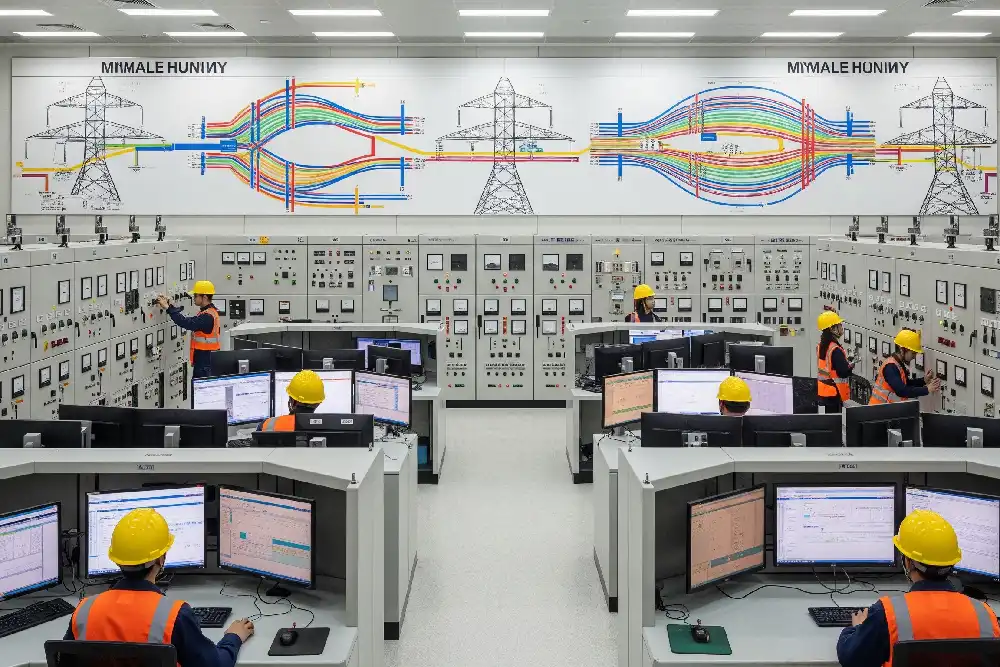
PMCC means Power Cum Motor Control Centre. You use this panel to control power and motors together. PMCC panels help you run machines and electrical systems safely. They also help you use energy in a good way.
PMCC panels have protection relays and circuit breakers. These parts help stop electrical overloads or problems. They keep people and equipment safe. This helps your plant work well and stay safe.
Key Takeaways
- PMCC means Power Cum Motor Control Centre. It puts power and motor control in one panel. This makes it easier to manage everything.
- These panels make things safer. They have circuit breakers and enclosures. These protect people and equipment from electrical dangers.
- PMCC panels help save energy. They let you manage loads better. They also help with preventive maintenance. This saves money over time.
- Many industries use these panels. You can find them in factories, power plants, and refineries. They help machines and systems work well.
- New PMCC panels have smart features. You can watch and control them from far away. This helps you run things and fix problems more easily.
PMCC Definition
What PMCC Stands For
You might ask what PMCC means in electrical engineering. PMCC stands for “Power cum Motor Control Centre.” This panel mixes two main systems. One is a Motor Control Centre (MCC). The other is a Power Control Centre (PCC). A PMCC panel lets you handle power and motors together. You can control machines and electrical loads from one spot.
PMCC panels join the features of MCC and PCC. You get one place to control motors and share power. This makes your electrical system simpler to use.
PMCC Panel Functions
A PMCC panel does many important jobs in factories. You use it to control and share electrical power. It also helps you run and protect motors. The panel keeps your equipment safe and working well.
Here is a table that lists the main jobs of a PMCC panel:
| Primary Functions of PMCC |
|---|
| Central electrical sharing and control |
| Mixes power sharing and motor control |
| Main spot for electrical power |
| Easy power management |
| Good power sharing |
| Controlled motor running |
| Better equipment dependability |
| Improved energy saving |
| Changeable and flexible setups |
| Simple electrical system control and care |
A PMCC panel has a smart design. It shows clear layouts for feeders and circuit breakers. You can see control circuits that help you run motors. The design cares about safety and easy fixing.
- The panel layout shows feeders and circuit breakers like ACBs and MCCBs.
- You get control circuits for running motors.
- The design helps you work safely and fix things fast.
Modern PMCC panels have smart features. You can check motors from far away, look at data, and find problems. These features help you save time and work better. You get both old-style power sharing and new motor control in one panel.
PMCC Construction

Main Components
A PMCC panel has many important parts inside. Each part does a special job. The design makes your work safe and simple. The panel uses modular layouts for easy fixing or upgrades. Strong enclosures keep dust and water away from the electrical parts. Circuit breakers and contactors help you control power and motors. Step-down transformers make the voltage lower and safer. PLCs help you watch and control the system. You can add SCADA for checking things from far away.
Here is a table that lists the main construction features for factories:
| Feature | Description |
|---|---|
| Design | Modular layout for easy maintenance and upgrades. |
| Safety Compliance | Segregation between power and control sections; follows IS/IEC standards. |
| Customization | Built to match your site and operational needs. |
| Manufacturing Quality | Durable build for tough conditions. |
| Testing | Factory-tested for performance and readiness. |
| Advanced Features | PLC and SCADA options for better control and monitoring. |
You have to follow industry rules when building PMCC panels. These rules help your panel work safely and well.
| Standard | Purpose |
|---|---|
| IEC 61439 | Governs low-voltage switchgear design, ensuring safety and performance through verification. |
| IEC 60204 | Addresses safety aspects of electrical equipment in machines, including emergency protocols. |
Safety Features
Strong safety features stop electrical dangers. PMCC panels use enclosures to keep you safe from live parts. These enclosures also protect from dust and water. Circuit breakers let you turn power on or off and stop power during problems. Step-down transformers make voltage safe to use. PLCs check how the system works and use sensors to keep things safe. Clear labels warn you about dangers and help you follow OSHA rules.
Tip: Clean your PMCC panel often and oil moving parts. Write down your maintenance work to find and fix problems early.
You must also follow rules when you put in PMCC panels. These rules cover stormwater, spills, waste, and safety at work. You follow national and local rules to keep your building safe and legal.
PMCC Working Principle
Power Distribution
A PMCC panel helps you control how power moves. It gives you one place to manage electricity in your system. You can connect things like generators or the main grid. This makes sure each part of your plant gets enough power.
The panel helps balance loads and keeps equipment safe. You can use manual or automatic controls to keep power steady. The panel can share loads between sources or shed loads if needed. This helps your system work well, even when power needs change.
- You can balance loads with synchronizing features.
- The panel protects against problems like reverse power and phase failure.
- It also helps with voltage and frequency issues.
- You get smooth operation by syncing power sources.
- This keeps power quality high.
Note: PMCC panels help stop overloads and faults. This keeps machines and workers safe.
Motor Control
A PMCC panel lets you control many motors at once. You can start, stop, and protect each motor from one spot. The panel uses starters, fuses, and circuit breakers to keep motors safe.
Here is a table that shows what you get with PMCC motor control:
| Feature | Description |
|---|---|
| Multiple Motor Controls | You can control many motors at the same time. This helps your plant work better. |
| User-friendly Interface | The panel has easy controls. Even if you are not an expert, you can use it. |
| Fault Diagnosis | The panel finds problems fast. This helps you fix issues and reduce downtime. |
You get extra safety with the panel. It opens breakers if there are problems like overvoltage or short circuits. Relay coils and limit switches help do this. Some panels have safety lights and alarms to warn you.
- You can start and stop motors with combination starters.
- The panel protects motors by cutting power during faults.
- Safety systems and indicators help you work safely.
Tip: Always check the panel’s safety lights and alarms before you start work. This helps you find problems early.
PMCC Advantages and Disadvantages
Benefits
Using a PMCC panel gives you many good things in your factory. Here are some main benefits:
- Centralized Power Distribution: You control all power from one spot. This makes it easier to manage your system.
- Improved Load Management: You can watch and balance loads. This helps you save energy.
- Enhanced Operational Safety: Safety features protect you and your equipment from electrical problems.
- Facilitates Preventive Maintenance: Digital tools warn you early about issues. You can fix things before they stop your machines.
- Scalability and Flexibility: You can add more parts or grow your system easily.
- Integration with Automation: You can connect the panel to SCADA systems. This lets you check and control things from far away.
You also get better efficiency and reliability. The table below shows how a PMCC panel helps your work:
| What the Panel Does | How It Helps You |
|---|---|
| Shows real-time data from all operators | Lets you find problems fast |
| Supports preventive maintenance | Keeps your machines working longer |
| Shares data with your team | Helps everyone work together to fix issues |
| Runs 24/7 with trained staff and cloud tools | Keeps your plant safe and reliable |
Limitations
You should know about some problems before you pick a PMCC panel:
- It costs more at first than other panels.
- You need skilled workers to set up and fix it.
- It can be hard to use with many types of equipment.
- Meetings and teamwork may not work well if key people are gone.
- Some challenges can happen when you use the panel in different places.
Tip: Always plan your budget and training before you put in a new control panel.
PMCC Applications
Industrial Use
You can find PMCC panels in many places. These panels help control power and motors in big buildings and factories. They are used where machines work all day and need safe power. The table below lists some main industries that use PMCC panels:
| Industry |
|---|
| Manufacturing |
| Power Generation |
| Refineries |
| Commercial Buildings |
Factories use PMCC panels to keep machines working. Power plants use them to manage electricity and protect their equipment. Refineries need PMCC panels to control pumps and motors for oil and gas. Big office buildings use these panels to keep lights, elevators, and air systems running.
Tip: If you work in these industries, you will probably see PMCC panels in your electrical rooms.
Typical Systems
You can see PMCC panels in many electrical systems. These panels help you control motors and power for different jobs. Here are some common systems that use PMCC panels:
- Sugar Industry
- Paper Industry
- Cement Industry
- Food Industry
- Chemical Industry
In a sugar factory, PMCC panels control crushers and conveyors. In a paper mill, they run big rollers and dryers. Cement plants use PMCC panels to manage mixers and grinders. Food factories need them for packaging and processing machines. Chemical plants use PMCC panels to keep pumps and mixers safe.
PMCC panels help keep machines working and your plant safe. You get better control and can fix problems faster with these panels.
You now know what a PMCC panel does and why it is important. PMCC panels help share power and control machines. They also help you watch systems and keep equipment safe. These panels can make power use better and help track energy. They can also help match up generators. You learned that PMCC panels are built strong and have safety parts. You found out how they work and what is good or not so good about them for factories. PMCC panels are used in factories, power plants, and big buildings. This knowledge can help you learn more about electrical systems or control centers.
FAQ
What does a PMCC panel do?
A PMCC panel helps you control power and motors together. You use it to run machines and keep equipment safe. It helps your plant work safely every day.
What are the main parts inside a PMCC panel?
Inside a PMCC panel, you see circuit breakers and contactors. There are also relays, PLCs, and transformers. Each part helps you control and protect your system.
What safety features can you expect in a PMCC panel?
You get enclosures and circuit breakers for safety. Warning labels and sensors help you stay safe at work. These features stop electrical dangers.
What industries use PMCC panels most often?
Factories and power plants use PMCC panels a lot. Refineries and big buildings also need them. These places need strong power and control for machines.
What makes PMCC panels different from MCC or PCC panels?
A PMCC panel gives you motor control and power sharing. You get both jobs in one panel. This makes your system easier to use and manage.
See also
The function of terminal blocks in solar power plants
What Are the Typical Scenarios for Using Air Circuit Breakers
How to Match the Type of MCB to Your Electrical Load
Electric motor circuit breaker selection and usage
