

You can install a wall switch socket safely when you follow the right steps. Always turn off the power at the breaker before you begin. Use a voltage tester to make sure the wires have no electricity. Simple tools and careful checks keep you safe. This guide helps you if you have basic electrical knowledge and want to handle small home projects yourself.
Key Takeaways
- Always turn off the power at the breaker first. This step keeps you safe.
- Use a voltage tester to check if wires are live. Test every wire to make sure there is no risk.
- Write down how the wires are set up before you remove them. Take photos or notes so you can put them back right.
- Look at all wires for any damage before you start. Damaged wires can be very dangerous.
- Connect the wires in the right order: black (hot) to one terminal, white (neutral) to the other, and green or bare (ground) to the ground terminal.
Wall switch socket installation overview
Installing a wall switch socket may look simple, but you need to follow each step carefully to stay safe and get good results. You should always start by making sure the power is off. This keeps you safe from electric shock. Many electrical safety organizations recommend a clear process for this kind of project.
Step summary
Here is a step-by-step summary you can follow:
- Test the power before starting the installation. Use a voltage tester to check that the wires have no electricity.
- Switch off the power at the main breaker. This step is very important for your safety.
- Remove the faceplate of the socket carefully. Keep the screws in a safe place so you do not lose them.
- Take note of the wiring setup. You can take a photo or write down how the wires connect.
- Disconnect the wires from the old socket.
- Inspect the wires for damage. If you see frayed or broken wires, you should replace them.
- Strip and organize the wires if needed.
- Check that your new wall switch socket matches your wiring and fits the box.
- Connect the wires to the new socket. Make sure you attach the ground, neutral, and hot wires to the correct terminals.
- Mount the socket and screw it in place.
- Reattach the faceplate.
- Restore power at the breaker and test the socket to make sure it works.
⚠️ Tip: Double-check each connection before you finish. Loose connections can cause arcing or overheating. Always use the right cable size and never skip grounding. Avoid mixing circuits or placing sockets in unsafe locations, such as damp areas.
If you follow these steps, you can install a wall switch socket safely and avoid common mistakes.
Tools & materials

Essential tools
You need the right tools to put in a wall switch socket. Electricians say these tools are important for the job. You can buy most of them at a hardware store. Each tool helps you work better and keeps you safe.
- Handheld electric drill with different bits
- Standard level
- Wire stripping tools
- Fish tape
- Fishing rods
- Modular, insulated devices
🛠️ Tip: Always use insulated tools for electrical wiring. These tools help protect you from electric shock.
Needed materials
Picking good materials makes your installation safer and stronger. Good materials last longer and keep your home safe from problems. The table below lists some of the safest and best materials for wall switch socket installations. Each one has special features that help it work well.
| Material | Properties |
|---|---|
| Brass | Bright yellow, hard texture, medium conductivity |
| Tin-phosphor bronze | Reddish-yellow, hard, flexible, better conductivity than brass |
| Red copper | Purplish red, good elasticity, higher conductivity |
| PC material | Impact resistant, heat resistant, flame retardant, insulating |
| Bakelite/Urea | Good flame-resistance, stable size, bright color |
| ABS material | Weaker heat and impact resistance, prone to yellowing and cracks |
| Imported reinforced nylon | Flame retardant, better insulation, corrosion resistance |
| Recycled PC material | Weaker impact and heat resistance, easily deformed |
| Copper (brass, tin-phosphor bronze, red copper) | Used for switch carriers, varying conductivity and elasticity |
When you pick materials like red copper or PC material, your wall switch socket will work safely for a long time. Do not use materials that break or bend easily, like recycled PC or low-quality ABS.
Safety first
Power off at breaker
You must always turn off the power at the circuit breaker before you start any electrical work. This step protects you from electric shock and keeps your home safe. Follow these steps to shut off the power correctly:
- Check that the floor near your electrical service panel is dry. Water increases the risk of shock.
- Find the right circuit breakers. Look for labels showing 15 or 20 amps for single circuits or 100 amps for the main breaker.
- Push the main breaker switch to the OFF position. This stops electricity from flowing.
- Make sure all lights in your home are off. Test several outlets with a non-contact electrical tester to confirm no power.
- When you finish your work, turn each circuit breaker to OFF before switching the main breaker back on.
⚡ Tip: Never rush this step. Double-check that the power is off before you touch any wires.
Use voltage tester
A voltage tester helps you stay safe during installation. You use it to check if wires or outlets have electricity. This tool gives you confidence that you can work without risk.
- Voltage testers show if outlets or wires are live before you start.
- Non-contact testers let you check for voltage without touching wires.
- Contact testers confirm electricity and help you spot wiring problems.
🧰 Note: Always test every wire, even if you think the power is off. Some circuits may run on separate breakers.
Personal protective equipment
Wearing the right gear keeps you safe from injury. You should use these items when working with electricity:
- Helmet
- Goggles
- Dust mask or ammonia gas mask
- Safety footwear
- Stepladder or scaffolding with harness
- High visibility clothing (yellow)
- Gloves
🦺 Safety Reminder: Put on gloves and goggles before you begin. Good protection lowers your risk of accidents.
Remove old unit
Take off faceplate
Start by removing the faceplate from the wall switch socket. Use a screwdriver to loosen the screws that hold the faceplate in place. Place the screws in a small container or your pocket so you do not lose them. Gently pull the faceplate away from the wall. If the faceplate feels stuck, wiggle it slightly until it comes off. You should see the wires and the main body of the socket behind the plate.
📝 Tip: Keep all screws and small parts together. This makes reassembly easier and prevents lost pieces.
Note wiring setup
Before you touch any wires, take time to document the wiring setup. This step helps you connect the new socket correctly. Use your phone to take clear photos of the wires and their positions. Write down which wire connects to each terminal. You can also use colored tape or labels to mark each wire. Compare the old switch with your new one. Check which wire connects to each terminal screw. This helps you avoid mistakes during installation.
- Take photos or notes of the existing wiring before removing any wires.
- Compare the old and new switches to understand wire placement.
- Attach a note to the breaker or wall to remind yourself why the circuit is off.
📸 Pro Tip: Good documentation saves time and prevents confusion when you install the new wall switch socket.
Disconnect wires
After you document the wiring, you can disconnect the wires. Use a screwdriver to loosen the terminal screws. Pull each wire out gently. If the wires have wire nuts, twist them off carefully. Keep the wires straight and separated. Do not let the wires touch each other or any metal parts. Place the old socket and screws aside. Now you are ready to prepare the wires for the new installation.
⚡ Safety Reminder: Always double-check that the power is off before you touch any wires. Safety comes first.
Prepare wires
Inspect condition
Before you connect a new wall switch socket, you need to check the wires. Look closely at each wire for any signs of damage or wear. Damaged wires can cause fires or electric shocks. You should never ignore these warning signs.
- Frayed, cracked, melted, or brittle insulation on the wires
- Discoloration or charring at outlets, switches, or junction boxes
- Loose, corroded, or oxidized connections
- Improper splices or use of the wrong wire type
- Frequent tripped breakers or blown fuses in your home
- Outlets or switches that feel hot when you touch them
- Buzzing or crackling sounds coming from outlets
- A burning smell that does not go away near an outlet
If you see any of these problems, stop your work. You may need to replace the wires or call a licensed electrician. Safe wiring is the most important part of your installation.
⚠️ Safety Tip: Never try to fix damaged wires with tape or glue. Always use new, proper wiring for your project.
Strip and organize
Once you know the wires are safe, you can prepare them for the new socket. Stripping and organizing wires helps you make strong, safe connections.
- Cut away the outer jacket of the NM cable carefully. Do not nick or cut the wires inside.
- Place the cable on a flat surface. Cut along the length to expose the conductors.
- Pull the jacket away and cut it off. Decide how much insulation to remove—about 1 inch is usually enough.
- Use wire strippers to remove the insulation. Insert the wire into the correct notch and pull gently.
- Strip only enough insulation to make a good connection. Do not leave extra bare wire exposed.
- Make sure no stray wire strands stick out from the connection.
Keep the wires straight and organized. This makes it easier to connect them to the new socket. Neat wires help prevent shorts and make your work look professional.
🧰 Pro Tip: Double-check each wire after stripping. Clean, straight wires make installation safer and easier.
Install wall switch socket
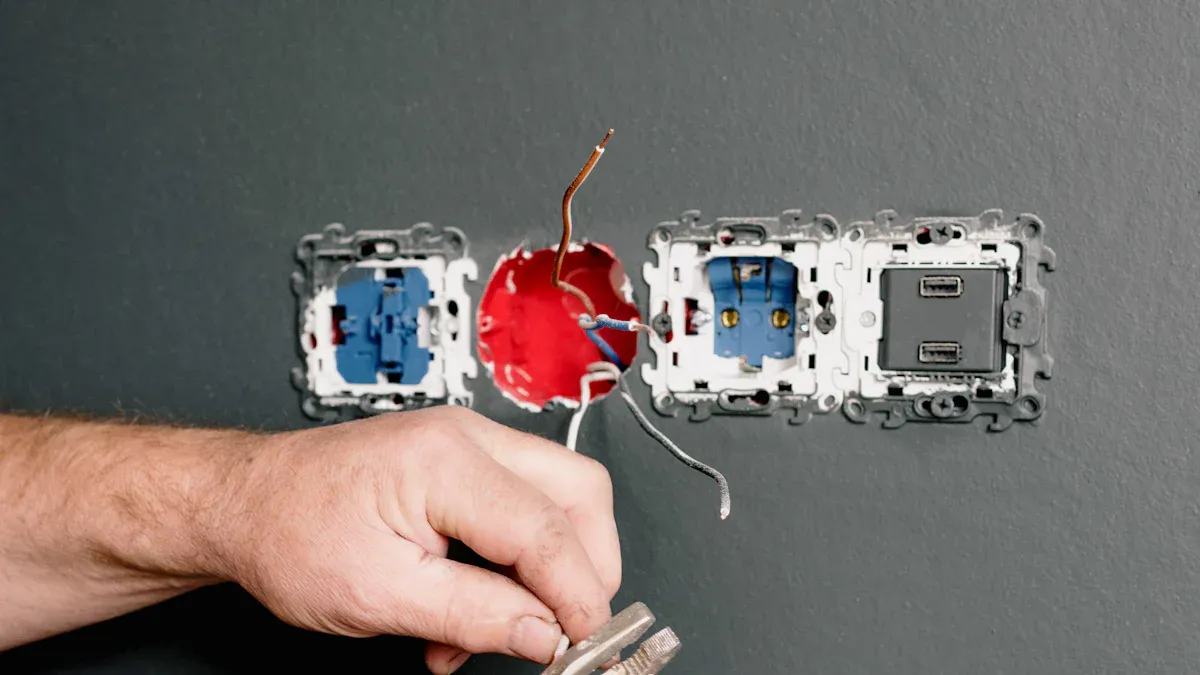
Check compatibility
Before you install a new wall switch socket, you need to make sure it fits your home’s electrical system. You should check a few important factors to avoid problems later.
- Make sure the new socket matches your home’s wiring system. Some homes use older wiring that may not work with modern sockets.
- Check that the socket meets local safety codes and regulations. This keeps your installation safe and legal.
- Think about the age of your home’s electrical system. Older systems may need updates before you add new devices.
You can also look for reliable brands when choosing a wall switch socket. Many electricians recommend brands like GOODTOP, Schneider Electric, Siemens, ABB, and Legrand. These brands offer features such as weatherproofing, smart home compatibility, and strong safety standards. Good brands also provide helpful customer support if you need it.
🛡️ Tip: Always read the instructions that come with your new socket. Manufacturers often include details about compatibility and safety.
Connect wires
When you connect the wires, you need to know what each color means. This helps you avoid mistakes and keeps your installation safe. Use the table below to match wire colors to their functions:
| Wire Color | Meaning |
|---|---|
| Black/Red | Hot wire carrying power |
| White (with tape) | Hot wire (if taped) |
| Green/Bare | Ground connection |
| Blue/Yellow | Hot wires, often for switches |
| White/Gray | Neutral wire returning power |
You should also remember these points:
- Black wires always carry live current.
- Red wires often serve as secondary live wires.
- White wires are usually neutral, but if you see tape, they might be hot.
- Green and bare copper wires are for grounding.
- Never put more than one wire under a single screw terminal. If you need to join wires, use a pigtail connection with a wire connector.
- Avoid push-in fittings. Use screw terminals for a stronger and safer connection.
⚠️ Alert: Loose wire connections can cause fires. Always tighten screw terminals and double-check your work.
Attach ground, neutral, hot
You need to connect the wires in the right order. This step-by-step process helps you avoid common wiring errors and keeps your wall switch socket working safely.
- Attach the black (hot) wire to one of the terminals on the switch. This wire brings power to the socket.
- Connect the white (neutral) wire to the other terminal. This wire returns power to the panel.
- If you see a green or bare copper wire, attach it to the green screw on the switch. This wire grounds the socket and protects you from electric shock.
If you find multiple wires that need to connect to one terminal, use a 6-inch pigtail wire. Strip the ends, join the pigtail to the other wires with a wire connector, and then attach the free end to the screw terminal. This method keeps your connections safe and organized.
| Common Wiring Error | Solution |
|---|---|
| Loose wire connections | Turn off power, examine screw terminals, and tighten any loose connections. |
| Improper use of push-in fittings | Avoid push-in fittings; use screw terminals for connections instead. |
| Incorrect wire connections under a single screw | Remove offending wires, create a pigtail connection, and attach it to the screw terminal. |
🧰 Note: Take your time with each connection. Careful work now prevents problems later and helps your wall switch socket last longer.
Mount & secure
Screw in unit
You need to mount the wall switch socket securely in the electrical box. Hold the unit steady and line up the screw holes with the holes in the box. Use a screwdriver to insert the screws. Tighten each screw until the unit feels snug. Do not force the screws too much. If you over-tighten, you can crack the socket or damage the box.
Manufacturers recommend specific torque settings for different brands. Using the right torque helps prevent loose connections and keeps your installation safe. You can check the table below for common torque specifications:
| Brand/Type | Torque Specification (inch pounds) |
|---|---|
| Leviton Residential | 12 – 14 |
| Leviton Commercial | 20 |
| Hubble Residential | 9 – 12 |
If you use a torque screwdriver, set it to the value for your brand. If you do not have one, tighten the screws firmly by hand, but stop when you feel resistance. The unit should not wiggle or shift in the box.
🛠️ Tip: Always check that the socket sits flat against the wall. A crooked socket can cause problems with the faceplate and may look unprofessional.
Reattach faceplate
After you secure the unit, you need to put the faceplate back on. This step protects the wires and gives your installation a finished look. Follow these best practices to ensure safety and durability:
- Turn off power at the circuit breaker before you start.
- Inspect the faceplate for cracks or damage. Replace it if needed.
- Use the correct size cover plate for your socket.
- Keep screws in a safe place so you do not lose them.
- Make sure the workspace stays clear and safe.
When you attach the faceplate, line it up with the socket. Insert the screws and tighten them gently. Avoid over-tightening, as this can crack the plate or strip the threads. Always check for loose screws or exposed wiring before you finish.
⚡ Reminder: A secure faceplate keeps dust and moisture out. It also helps prevent accidental contact with live wires.
Power & test
Restore power
You have finished installing the wall switch socket. Now you need to restore power. Go to your circuit breaker panel. Check that your hands and the floor are dry. Flip the main breaker switch to the ON position. Turn on the individual circuit breaker for the socket you worked on. Watch for any sparks or strange sounds. If you see or hear anything unusual, turn off the breaker right away and check your work.
⚡ Safety Tip: Stand to the side of the panel when you turn the breaker on. This keeps you safe if there is a problem.
After you restore power, return to the room with the new socket. Do not touch the wires or terminals. Only touch the faceplate and the switch.
Test function
Testing the socket makes sure your installation works and keeps your home safe. You can use a multimeter to check the socket. Follow these steps:
- Measure Outlet Voltage: Insert the red probe into the hot slot. Put the black probe into the neutral slot. The reading should show between 110 and 120 volts. If you see no reading, the circuit may be off or the socket is not working.
- Test for Proper Grounding: Keep the red probe in the hot slot. Move the black probe to the ground hole. You should see the same voltage reading. If you do not, the ground connection may be bad.
- Check for Reversed Wiring: Place the red probe in the neutral slot. Put the black probe in the hot slot. If you get a voltage reading, the wires are reversed. This is unsafe and needs fixing.
🧰 Pro Tip: Always test every socket after installation. Good testing prevents electrical hazards.
You can also plug in a lamp or small appliance to check if the socket works. Turn the switch on and off. The device should respond right away. If it does not, check your wiring and connections again. Careful testing helps you catch problems early and keeps your home safe.
Final check & clean-up
Inspect connections
Always check your work before you finish. Careful checking helps you find mistakes and keeps your home safe. Start by looking at the main electrical panel. Make sure each breaker has a label. Labels help you find circuits fast if you need to turn off power again.
Check every outlet and switch you installed. Look for loose screws or wires. Look at visible wiring in places like attics and basements. Wires should look neat and not be damaged. Use a non-contact voltage tester to test circuits. This tool helps you make sure circuits are off before you touch anything.
Check that hot and neutral wires go to the right terminals. Wrong connections can be dangerous. Do not use backstabbing connections. Always use terminal screws for a tight fit. If you put in GFCI or AFCI devices, make sure they work. These devices give extra protection from shocks and fires.
- Check the main electrical panel for labels.
- Look at outlets and switches for loose parts.
- Check visible wiring in attics and basements.
- Test circuits with a non-contact voltage tester.
- Make sure hot and neutral wires are connected right.
- Use terminal screws, not backstabbing connections.
- Make sure GFCI and AFCI devices work.
🛡️ Tip: Careful checking now stops problems later and keeps your family safe.
Clean area
Cleaning up after you finish helps keep your workspace safe and neat. Always turn off the power before you clean around outlets and switches. Take off the electrical covers or plates. Use a vacuum with a soft brush or a dry cloth to remove dust and dirt from the outlet, switch, and wall.
If you see tough dirt, scrub gently with a small brush or toothbrush dipped in mild cleaner or rubbing alcohol. Wipe the area with a dry paper towel or microfiber cloth. Make sure everything is dry before you put the covers back on.
- Turn off the power to the circuit.
- Take off electrical covers or plates.
- Use a vacuum or dry cloth to clean dust and dirt.
- Scrub tough dirt with a small brush and mild cleaner.
- Wipe with a dry paper towel or microfiber cloth.
- Let everything dry before putting covers back.
✨ Cleaning switches and outlets often helps your electrical system last longer. Do not use harsh chemicals or rough cleaners. These can hurt your electrical parts and covers.
A clean area makes your work look good. It also helps you see any problems early. You keep your home safe and your work neat when you follow these steps.
You now know the main steps for putting in a wall switch socket safely. Always check your work twice and remember these safety tips:
- Put sockets at a normal height so you can reach them easily.
- Put switches close to doors so they are easy to use.
- Keep sockets away from heat. Use splash-proof covers if the area is damp.
- Use different sockets for things that use a lot of power.
If you see lights flicker, outlets feel warm, or breakers trip often, call a professional electrician. You can have a safe and good DIY project if you follow these tips.
FAQ
What should you do if the socket does not work after installation?
Check your wiring connections first. Make sure each wire sits in the correct terminal. Use a voltage tester to confirm power. If you still see problems, call a licensed electrician for help.
Can you install a wall switch socket in a bathroom?
You can install a wall switch socket in a bathroom if you use a GFCI outlet. This type protects you from electric shock. Always use a splash-proof cover and keep the socket away from water sources.
How do you know which wire is hot, neutral, or ground?
Look at wire colors. Black or red wires are hot. White wires are neutral. Green or bare wires are ground. You can use a voltage tester to check which wire carries power.
Is it safe to use push-in fittings for connections?
Electricians recommend screw terminals instead of push-in fittings. Screw terminals give you a stronger and safer connection. Loose push-in fittings can cause overheating or fire.
See also
How to Identify the Most Suitable Wall Socket for Your Space
What is the Right Socket for Your Home, 15 Ampere or 20 Ampere
What should I do if the circuit is overloaded?
What color is the best for the socket?
Introduction to International Standards for Wall Sockets
