

You may ask which socket color is best for your home. Most people use white or off-white outlets in most rooms. These colors look clean and match many styles. Some people choose black outlets for a fancy look or to hide dirt in busy spots. Socket color can also help with tool identification, but here you are talking about electrical outlets. When picking a color, think about how easy it is to see, safety, style, and how simple it is to clean.
Key Takeaways
- Pick socket colors like white or off-white for a neat look. These colors go well with most homes.
- Think about safety and how easy sockets are to see. Bright colors make outlets easier to spot.
- Clean your sockets often to keep them looking nice. This helps them work well no matter the color.
- Match socket colors to your room’s style for a smooth look. You can also pick colors that stand out for a bold look.
- Ask experts for help with picking socket colors. They can suggest colors that are safe and fit your home’s style.
Socket Color Basics
Visibility and Safety
Socket color plays a big role in how you see and use outlets at home. You want to pick a color that stands out enough so you can find the socket easily, but not so bright that it looks out of place. White and off-white sockets are common in many homes. These colors match most walls and make it easy to spot the outlet. In busy places, some people use black sockets because they hide marks and dirt better.
You may notice that socket color can also show what kind of power the outlet gives. The electrical industry uses different colors for sockets based on voltage and use. This helps you stay safe and avoid plugging in the wrong device. Here is a table that shows the standard socket colors and what they mean:
| Voltage Range | Common Color | Common Application |
|---|---|---|
| 20–25 V | Violet | 24 V single-phase AC/DC power |
| 40–50 V | White | Single-phase AC/DC power |
| 100–130 V | Yellow | 125 V single-/split-phase AC power |
| 200–250 V | Blue | 250 V single-/split-phase AC power |
| 300–480 V | Red | 400 V 3-phase AC power |
| 500–1000 V | Black | 500 V on marine vessels |
You can use this chart to understand what each socket color means in different settings. This helps you choose the right outlet for your needs and keeps your home safe.
Tip: Always check the socket color if you are in a new place or working with special equipment. This can help you avoid accidents.
Cleaning and Maintenance
Keeping your sockets clean helps them last longer and look better. Some socket colors, like white, show dirt and smudges more easily. Black or dark sockets can hide marks, but they still need cleaning to work well.
You can use these cleaning methods to keep your sockets in good shape:
- Ultrasonic Cleaners: These use sound waves to clean deep inside the socket. They work well for tough dirt.
- Soft-bristled Brushes: These brushes clean without scratching the surface.
- pH-neutral Degreasers: These cleaners are safe for metal parts and do not cause damage.
- Anti-corrosion Treatments: These sprays or wipes protect sockets from rust and other damage.
- Lint-free Cleaning Cloths: These cloths clean without leaving fibers behind.
You should clean your sockets often, no matter what color you choose. This keeps them safe and looking new.
Style and Decor
Matching Walls and Rooms
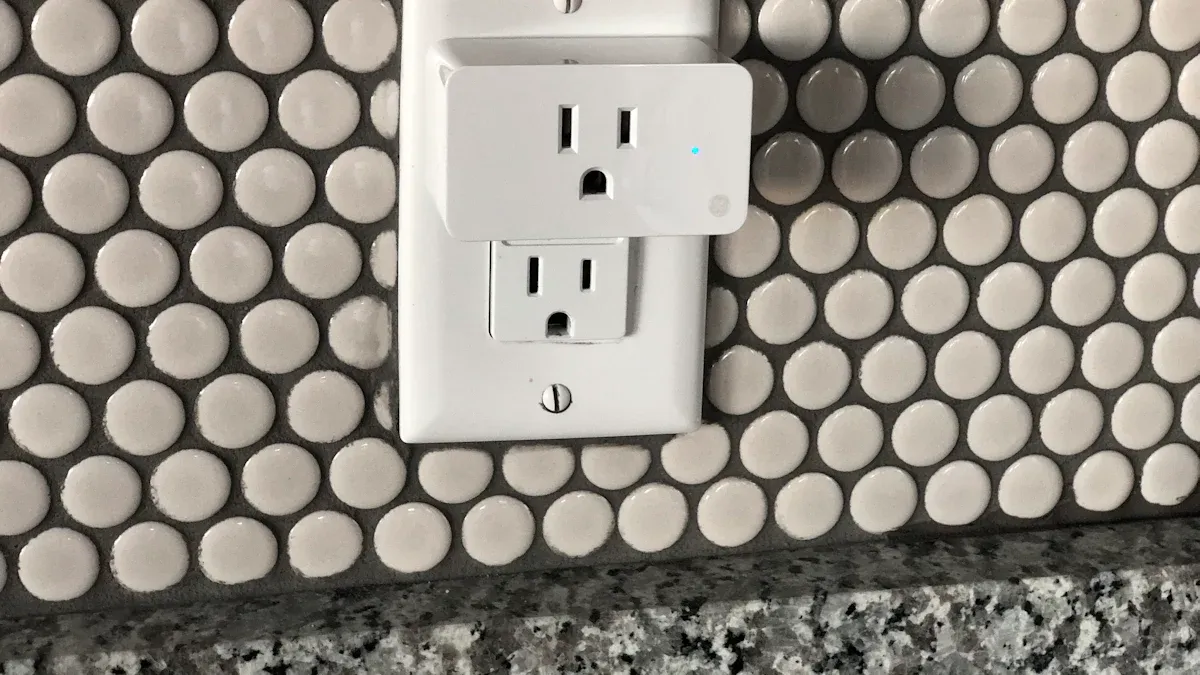
When you choose a socket color for your home, you want it to look like it belongs in the space. Interior designers often say that outlets and switches should blend with the room. You can match your outlet covers to the color of your walls or furniture. This creates a smooth and intentional look. If you want your sockets to stand out, you can pick a color that complements your décor instead.
- Match your switch plate to the wall color for a seamless effect.
- Choose outlet covers that fit the style of your furniture.
- Select colors that complement the overall theme of your room.
You can also follow a simple process:
- Pick a socket color that matches the wall where you will install it.
- Make sure the design feels planned and fits with the rest of the room.
When you match your sockets to your walls, you help the room feel calm and put together. If you want a bold look, you can use a contrasting color to make the socket a feature.
Tip: If you repaint your walls, remember to update your socket covers for the best match.
Modern vs. Classic Looks
Home decor trends change over time. In recent years, designers have seen more people ask for bold color combinations. Many homeowners now want vibrant and personalized spaces. This trend affects socket color choices too.
- Rich colors with jewel undertones are becoming popular.
- Chocolate brown is now a top choice, while green is less common.
- People like to layer bold colors, patterns, and textures for a unique look.
- Maximalism, or using more color and design, is on the rise.
If you like a modern style, you might choose sockets in deep or bright colors. Classic looks often use white, off-white, or beige sockets for a clean and timeless feel. Your choice depends on what you want your room to say. You can use socket color to support a simple, classic look or to add a pop of color in a modern space.
Other Uses of Socket Color
Tool Identification
You may notice that color coding is not just for electrical outlets. Many tool sets use colors to help you find the right size quickly. This system makes your work faster and helps you avoid mistakes. For example, professional tool sets often use the following color codes for different sizes:
| Color | Tool Sizes (mm) |
|---|---|
| Red | 5, 10, 15, 20, 25, 30, 35, 40 |
| Orange | 6, 11, 16, 21, 26, 31, 36 |
| Yellow | 2, 7, 12, 17, 22, 27, 32 |
| Green | 3, 8, 13, 18, 23, 28, 33 |
| Blue | 4, 9, 14, 19, 24, 29, 34 |
Color coding in tools gives you quick visual cues. You can grab the right wrench or socket without reading tiny numbers. This system also helps teams work together and keeps toolboxes organized. In factories and hospitals, color coding can even prevent mix-ups and keep everyone safe.
- Color coding helps you spot the right tool fast.
- It reduces mistakes and keeps your workspace tidy.
- Teams can share tools more easily when colors show sizes.
Electrical and Gaming Contexts
You will also see color codes in electrical wiring. Each wire color has a special job. Here is a simple table to help you remember:
| Wire Color | Function |
|---|---|
| Black | Live wire carrying current |
| Red | Secondary hot wire (220-volt) |
| White | Neutral wire completing circuit |
| Green/Bare | Ground wire |
If you work with wires, always check the color before you connect anything. This keeps you safe and helps you avoid costly errors.
In gaming, socket color has a different meaning. For example, in the game Path of Exile, socket colors show what kind of character skill you can use. Red means Strength, blue means Intelligence, and green means Dexterity. The type of gear you use changes which colors you get. Armor gives more red sockets, energy shield gear gives more blue, and evasion gear gives more green. Players use these colors to plan their gear and skills.
Note: This blog focuses on home and electrical sockets, but knowing about color coding in tools, wiring, and games can help you in many situations.
Expert and User Preferences
Professional Advice
Electricians and interior designers often recommend socket colors based on safety, visibility, and style. You will see that most professionals suggest white or off-white outlets for homes. These colors blend with most walls and make outlets easy to spot. In commercial spaces, experts may choose red or blue sockets to show special power sources. Some professionals use black sockets in high-traffic areas because they hide marks and look modern.
Here is a table showing what professionals pick for different settings:
| Setting | Recommended Socket Color | Reason |
|---|---|---|
| Home | White/Off-white | Matches decor |
| Office | Gray/Black | Modern look |
| Workshop | Red/Blue | Safety and coding |
| Public Spaces | Black | Hides dirt |
Tip: Ask your electrician about socket color before starting a project. You can avoid mistakes and get the best results.
Homeowner Choices
Homeowners often choose socket colors based on personal taste and room style. You may want outlets that match your wall color for a smooth look. Some people pick bold colors to make outlets stand out. Others use dark sockets in busy rooms to hide fingerprints.
You can follow these steps when picking socket color for your home:
- Look at your wall and furniture colors.
- Decide if you want outlets to blend in or stand out.
- Think about cleaning and how much dirt shows.
- Ask family members for their opinions.
Many homeowners like white sockets in bedrooms and living rooms. In kitchens, some choose stainless steel or black for a modern touch. You can mix and match socket colors in different rooms to fit your style.
Note: You can change socket covers easily if you want a new look later.
When you choose a socket color, you want a balance of style, safety, and easy upkeep. Many experts suggest brushed metal or chrome finishes for high-traffic areas, while dark nickel or bronze work well in modern or period homes. To help you decide, use this checklist:
- Match finishes with your fixtures and decor.
- Think about future lighting upgrades.
- Pick a finish that hides marks and fits your room’s use.
- Choose colors that appeal to buyers if you plan to sell.
Remember, the right socket color can boost your home’s look and value.
FAQ
What socket color hides dirt best?
Black sockets hide dirt and fingerprints better than white or light-colored ones. You can use them in busy areas to keep outlets looking clean.
What socket color matches most home styles?
White or off-white sockets match most wall colors and decor styles. You can use these for a classic and clean look in any room.
What socket color should you use for safety?
You should use standard colors like white or yellow for home outlets. These colors help you spot outlets easily and follow safety codes.
What socket color works for modern decor?
You can choose black, gray, or metallic sockets for a modern style. These colors add a sleek touch to kitchens, offices, or living rooms.
What socket color is easiest to clean?
Smooth white or off-white sockets are easy to wipe down. You can use a soft cloth to remove dust and smudges quickly.
See also
Metal or Plastic Socket Cover Which Is Better for Your Home
How to Maintain Molded Case Circuit Breakers Effectively
What is the Right Socket for Your Home, 15 Ampere or 20 Ampere
How to Identify the Most Suitable Wall Socket for Your Space
How to interpret the technical markings on terminal blocks
