
You may ask if a buzzing sound from your automatic transfer switch is bad. Sometimes, a soft hum is normal. But, electrical safety reports say loud or strange noises can mean a big problem. Automatic transfer switch buzzes can show things like loose wires or too much heat. One model was recalled because buzzing sometimes meant a fire could start. If you hear new or ongoing buzzing, act fast to stay safe.
Key Takeaways
- A soft buzzing or humming from your automatic transfer switch is usually normal. This sound comes from its inside coil or relay.
- Loud, steady, or new buzzing sounds can mean big problems. These problems include loose wires, overheating, or electrical arcing. These need quick attention.
- If you smell burning, feel heat, see flickering lights, or spot damage near the switch, turn off the power. Call a licensed electrician right away.
- Cleaning often and having a pro check it every year helps keep your switch safe. This also helps it work well and stops expensive problems.
- Always follow safety rules. Never touch wires. Do not try to fix buzzing problems yourself. Keep a log to track your switch’s condition.
Automatic transfer switch buzzes: Causes
Normal Operation
Sometimes, your automatic transfer switch makes a soft buzzing sound. This is usually normal and not a problem. The noise comes from the solenoid or relay inside the switch. These parts vibrate at the same speed as your home’s electricity. Some transfer switches always make this sound because of their design. The coil inside the switch makes a magnetic field. This can cause a gentle hum. Manufacturers add special rings to help make the sound quieter. But you might still hear a small buzz.
A little dust or water inside the switch can make the hum louder. This does not always mean something is wrong. If you only hear a quiet buzz when the switch is working, it is usually safe. Many people notice this sound, especially with older switches. Do not try to cover the switch to stop the noise. The switch needs to let out heat.
Tip: You can use compressed air to clean the inside of the switch. This can help lower the normal humming sound.
Warning Signs
Sometimes, automatic transfer switch buzzes mean there is a problem. You should listen if the buzzing gets loud, changes quickly, or never stops. These sounds can show something is wrong inside the switch. Here are some warning signs and what causes them:
- Loose or rusty connections can make the switch buzz and get too hot.
- Worn or stuck contacts can cause buzzing and stop the switch from working.
- Low voltage or power spikes can make the buzzing louder and hurt the switch.
- Bad relays or solenoids often buzz before they break.
- Electrical arcing happens when electricity jumps a gap. This makes a sharp buzzing sound and is very dangerous.
| Fault Type | What It Means for Buzzing |
|---|---|
| Electrical Arcing | Strange, sharp buzzing; fire risk |
| Loose Connections | Buzzing from bad contact, overheating |
| Worn/Stuck Contacts | Buzzing, switch may not move power |
| Relay Failures | Buzzing, switch may not work right |
| Improper Voltage Sensing | Weird buzzing, possible problem |
You might also see other warning signs. These include flickering lights, a red fault light, or a ticking sound from your breaker panel. These things can happen before the switch stops working. If you notice any of these signs, you should have a professional check your switch.
When Buzzing Is Normal
Low Humming
You might notice a gentle hum coming from your automatic transfer switch. This sound is common in many homes and RVs. Most users report that a low 60-cycle hum is normal. It does not mean your switch is about to fail. The hum comes from the electrical coil inside the switch. This coil creates a magnetic field, which can make a soft buzzing sound.
Note: A Surge Guard representative explained that humming alone does not mean your switch will fail soon. The only way to stop the noise is to replace the unit, but this is not usually needed if the sound stays the same.
You can look at some real-life examples:
- Many people hear a low hum from their switch and never have problems.
- Some users say the hum gets louder before a failure, especially if you also smell something burning or see damage.
- If you notice fluid leaking along with the hum, this is not normal and may point to another issue.
A steady, quiet hum is usually safe. You should only worry if the sound changes or new problems appear.
Brief Noises
Sometimes, you hear short buzzing or clicking sounds when your power switches from one source to another. These brief noises often happen during power transitions. The cause is usually not the automatic transfer switch itself. Instead, connected equipment like HVAC systems can make noise.
- Scroll compressors in air conditioners may buzz when the power changes quickly.
- The switch creates a very short break in power, called a “break-before-make” transfer.
- During this split second, compressors can spin backward, making a buzzing sound.
- Control circuits in these devices may not react fast enough, so the noise happens.
- The switch returns power in less than a tenth of a second, which can make the compressor start up right away.
You do not need to worry about these brief noises. They are a known effect of how some equipment reacts to fast power changes. The automatic transfer switch buzzes for a short time, but this is normal during transitions.
Danger Signs
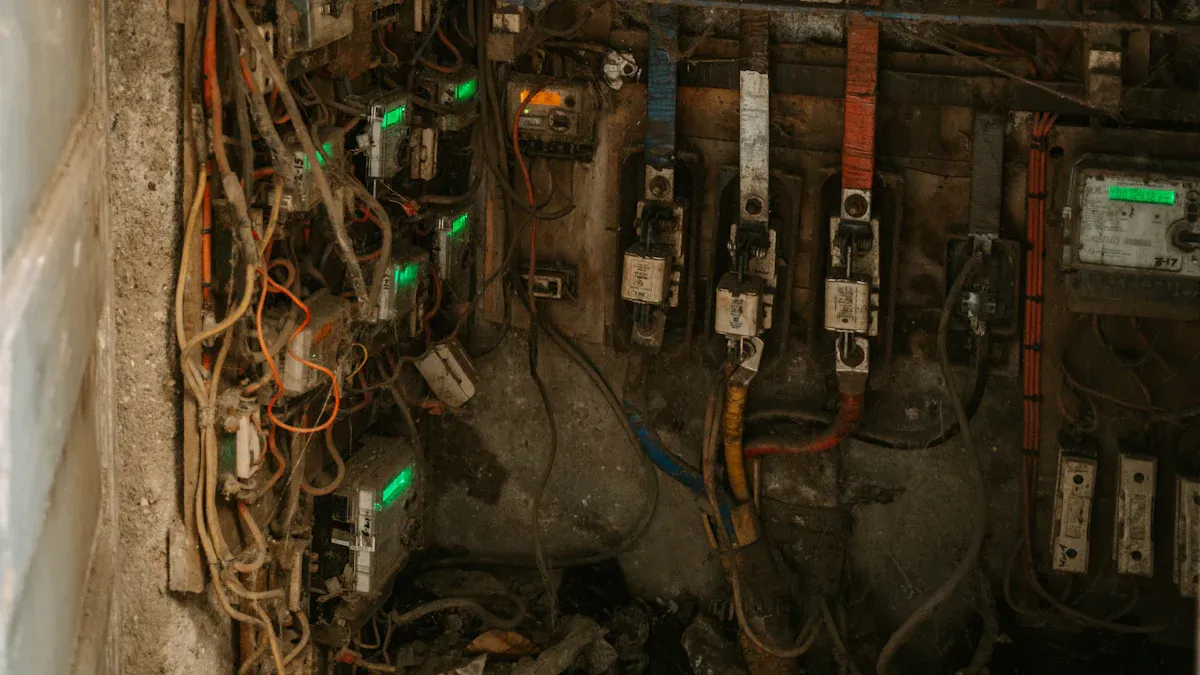
Loud or Persistent Buzzing
You should pay close attention if you hear a loud or constant buzzing from your automatic transfer switch. This sound often means something is wrong inside the switch. A normal switch makes a soft hum, but a loud or new buzzing can signal danger.
Many problems can cause this noise. Loose or corroded wires inside the switch box often create a strong buzzing sound. These wires can overheat and damage the switch. Power surges, such as those from lightning, may also harm the electrical parts and make the buzzing worse. Sometimes, the relay or solenoid inside the switch fails and starts to buzz loudly. If you notice the sound gets louder over time, the switch may have worn or pitted contacts.
Warning: Do not ignore a buzzing sound that gets louder or does not stop. This noise can mean the switch is overheating or has a serious electrical problem.
You might also see other signs along with the buzzing. Flickering lights, a red warning light, or a switch that does not work right can all point to trouble. Many insurance claims list these problems as reasons for automatic transfer switch failures. Lack of regular maintenance often allows these issues to grow worse.
Here are some common causes of loud or persistent buzzing:
- Loose or corroded wires inside the switch box
- Overheating from poor connections
- Power surges or lightning strikes
- Worn or stuck relay contacts
- System overload from plugging into a low voltage source
If you hear a loud or ongoing buzz, you should act quickly. Turn off the power to the switch if you can do so safely. Call a licensed electrician to check the system.
Burning Smell or Heat
A burning smell or heat coming from your automatic transfer switch is a serious warning sign. You should never ignore these symptoms. They often mean the switch is overheating or has damaged parts inside.
When wires or contacts inside the switch get loose or corroded, they can create heat. This heat may burn the insulation or even melt plastic parts. If you touch the switch and it feels hot, or if you smell something burning, you need to act fast. Overheating can lead to fire or permanent damage.
Physical signs of trouble include:
- Charring or black marks inside the switch box
- Melted or discolored wires
- A strong burning smell near the switch
- The switch feels hot to the touch
Tip: If you notice any of these signs, shut off the power right away and call a professional. Do not try to fix the problem yourself.
Many failures happen because people skip regular maintenance. Dust, dirt, and age can make the switch work harder and get too hot. Improper installation can also cause overheating and damage. Insurance reports often mention these problems when reviewing claims for automatic transfer switch buzzes and failures.
You can prevent most of these dangers by checking your switch often and keeping it clean. Schedule regular inspections to catch problems early.
What To Do Next
Observe and Check
If you hear buzzing, do not panic. Listen closely to the sound. Is it a gentle hum or a loud buzz? Look for other warning signs. These can be flickering lights, a burning smell, or heat from the switch. If you see smoke or melted wires, act fast.
Here are steps to help you stay safe:
- Stop using the switch if you hear strange buzzing or see damage.
- Turn off all power. This means shut down big appliances, the generator, and unplug from utility power.
- Do not touch any loose wires or broken parts inside the panel.
- Wear safety gloves and glasses if you need to look at the area.
- Never try to reset the switch if you hear buzzing, smell burning, or see smoke.
Tip: Cleaning and checking your switch often can stop buzzing. Always turn off power before you clean. Use a soft brush or dry cloth to wipe away dust. Do not use compressed air because it can push dirt deeper inside. Check for loose terminals and tighten them if needed. Look for rust or pits on contacts and change them if needed.
Call a Professional
If the buzzing keeps going or you see danger signs, call an electrician. Pick someone who knows about automatic transfer switches. Electricians should know the newest safety rules and have worked with transfer switches before. This keeps your home safe and your equipment working right.
Professional electricians can:
- Check and fix the switch safely.
- Clean and test all parts, like contacts and terminals.
- Use special tools to find hot spots or hidden problems.
- Make sure the switch works well when power changes.
| Common User Errors | Description | Resulting Dangerous Condition |
|---|---|---|
| Wiring and Connection Issues | Loose or broken wires from bad setup or skipped checks | Voltage drops or power loss, unsafe conditions |
| Improper Installation | Wrong setup by people without training | Voltage problems, system failures |
| Blown Fuses | Wrong fuse size or no replacement | Power cuts, equipment damage |
Note: Having a trained professional check your switch often can stop most problems. Get maintenance at least once a year to keep your system safe.
Preventing Problems
Maintenance Tips
You can keep your automatic transfer switch working well by doing some easy checks. Experts say you should have a trained technician look at it once a year. Here are some simple tips to help you:
- Use a heat camera to find hot spots inside the switch.
- Always turn off power before you open the switch.
- Take off covers to see the main contacts inside.
- Test and set the trip sensing and time delay parts.
- Clean dust with a vacuum or soft cloth, not with air.
- Look for water, rust, or dirt. Use safe cleaners if needed.
- Check the insulation for cracks or signs of heat.
- Look at arcing contacts for damage or rust. Change them if needed.
- Move the switch by hand to make sure it works smoothly.
- Tighten all wires and connections.
- Run tests to see if the switch works when power goes out.
- Put the switch back to auto mode after you finish testing.
Tip: Write down every time you do maintenance. This helps you remember problems and plan future checks.
You should also update the software when new versions are ready. Keep the area around the switch clean and dry. Make sure anyone who works on the switch knows the safety rules.
Inspection Schedule
Regular checks help you find problems early. Experts suggest this schedule:
| Inspection Frequency | What You Should Do |
|---|---|
| Monthly | Test the switch by moving power from normal to emergency and back. |
| Quarterly | Check all moving and electrical parts as part of your regular checks. |
| Annually | Do a full check, clean the switch, look for hot spots, and test all controls. |
You should also look for common problems during these checks. Watch for voltage spikes, broken wires, or bad controllers. Broken solenoids and tripped breakers can also cause trouble. If you find any of these problems, call a professional right away.
Note: Check your switch when you service your generator for better results. Always follow the manual for your model.
You might hear Automatic transfer switch buzzes that are normal. But if the noise is loud or new, it could mean trouble. Watch for warning signs and act fast to keep your home safe. Doing regular maintenance helps your system work well and stops big problems. This also lowers safety risks and saves money.
- Checking and cleaning your switch often helps you find problems early.
- Getting help from experts makes your switch last longer.
To keep your property safe, do these things:
- Get licensed electricians to install your switch.
- Test your system after it is set up.
- Take care of your switch and generator often.
If you stay alert and take action, your family and home will be safer.
FAQ
What should you do if your automatic transfer switch buzzes suddenly?
You should listen to the sound. If the buzzing is loud or new, turn off the power. Call a licensed electrician to check the switch. Do not try to fix it yourself.
Is a small hum from the transfer switch normal?
Yes, a soft hum is normal. The coil inside the switch makes this sound. You do not need to worry if the noise stays the same and you see no other problems.
Can dust or dirt cause buzzing in the switch?
Yes, dust or dirt can make the buzzing louder. Clean the switch with a soft cloth after turning off the power. Regular cleaning helps keep the switch safe.
How often should you check your automatic transfer switch?
You should check your switch at least once a year. Many experts suggest testing it every month and doing a full inspection every year. Write down each check in a log.
What signs mean your switch could be dangerous?
Watch for these signs:
- Loud or constant buzzing
- Burning smell
- Heat from the switch
- Flickering lights
If you notice any, turn off the power and call a professional right away.
The following information may be of interest to you
Why a circuit breaker makes a buzzing sound
Signs of damage to the circuit breaker at home
The miniature circuit breaker tripped and whether it generates noise
What are the detection methods for circuit breakers
How a Solar ATS Improves Solar Power Reliability