A ground wire protects you and your home when something goes wrong in your electrical system. Unlike the neutral wire, which carries current back to the panel, the ground wire gives stray electricity a safe path into the earth. Grounding and bonding connect parts of your system to prevent dangerous shocks. Imagine a damaged wire inside a wall—without a ground wire, touching a metal appliance could cause a severe shock. Each year, wiring faults lead to thousands of fires, injuries, and billions in property loss.
You can lower your risk by understanding these differences and choosing safe wiring practices.
Key Takeaways
- The ground wire protects you by safely sending stray electricity into the earth during faults.
- Neutral wires carry current back to the panel during normal use and keep devices working properly.
- Grounding connects your electrical system to the earth to stabilize voltage and reduce shock risk.
- Bonding links all metal parts together to keep them at the same voltage and help breakers trip fast.
- Mixing up neutral and ground wires outside the main panel can cause shocks, fires, and damage.
- Regularly check and test your ground wire and bonding to keep your home safe and prevent hazards.
- Call a licensed electrician for inspections, repairs, or upgrades to ensure proper grounding and bonding.
- Proper grounding and bonding save lives, protect equipment, and reduce the risk of fires and shocks.
Ground Wire Basics

What Is a Ground Wire
A ground wire acts as a safety feature in your home’s electrical system. You can usually spot it by its green insulation or bare copper appearance. This wire connects parts of your electrical system directly to the earth. When a problem happens, such as a damaged wire or a short circuit, the ground wire gives electricity a safe path away from you and your appliances. You do not see the ground wire carrying electricity during normal use. It only becomes active when something goes wrong.
How It Works
The ground wire works by providing a direct route for stray electricity to travel safely into the ground. If a live wire touches a metal part of an appliance, the ground wire steps in. It quickly moves the dangerous current away from the appliance and into the earth. This action helps circuit breakers or fuses detect the problem and shut off power fast. You stay safe because the ground wire keeps electricity from passing through your body.
Tip: Always check for a ground wire when installing new outlets or fixtures. This simple step can prevent serious accidents.
Researchers have tested ground wires in real-world situations. For example, Southern California Edison ran hundreds of tests during fire season. Their results showed that special grounding systems stopped fires in over 90% of single line-to-ground faults. These systems also kept fault energy low, so wires that fell onto dry grass almost never started fires. Engineers in Australia found similar results and now use these methods to protect homes from wildfires.
Why It’s Essential
You need a ground wire to protect yourself and your property. Without it, stray electricity could build up on metal surfaces. This buildup can cause electric shocks or even start fires. The IEEE Guide for Safety in AC Substation Grounding explains that grounding wires lower the risk of shock by giving electricity a low-resistance path to the earth. Ground wires also protect your appliances from damage caused by voltage spikes.
Here is a table that shows why ground wires matter:
| Reason | Explanation |
|---|---|
| Prevents Shock | Sends stray voltage safely into the ground, keeping you safe. |
| Protects Equipment | Stops voltage overloads that can break appliances. |
| Reduces Fire Risk | Lowers the chance of fires from electrical faults. |
| Follows Safety Codes | Meets engineering standards for safe home wiring. |
| Needs Regular Checks | Inspections help keep your system working as it should. |
You should always make sure your home’s ground wire is in good condition. Regular checks and proper installation help prevent accidents and keep your electrical system safe.
Neutral Wire Explained
What Is a Neutral Wire
You may wonder why your home’s electrical system needs a neutral wire. The neutral wire acts as a return path for electricity. When you plug in a lamp or a phone charger, electricity flows from the power source through the device and then back to the panel using the neutral wire. This wire usually has white or gray insulation, making it easy to spot in most homes.
The neutral wire keeps your devices working safely. It helps maintain a balanced flow of electricity. Without it, your appliances would not work as intended. The neutral wire also keeps the voltage at a safe level, which protects both you and your electronics.
Note: The neutral wire always carries current during normal operation. You should never touch it, even if you think the device is off.
Neutral vs. Ground Wire
You might ask why you need both a neutral wire and a ground wire. They look similar but serve very different purposes. The neutral wire carries electricity back to the source during normal use. The ground wire only becomes active when something goes wrong, such as a short circuit or a damaged wire.
Here is a table that shows the main differences:
| Aspect | Neutral Wire | Ground Wire |
|---|---|---|
| Purpose | Returns current during normal use | Provides a safety path during faults |
| Current Carrying | Carries current all the time | Carries current only during faults |
| Electrical Potential | Low, but not zero | Should be at zero |
| Safety Function | Completes the circuit | Prevents electric shock |
You need to keep these wires separate except at the main service panel. If you mix them up or connect them in the wrong place, you could create dangerous conditions. Fires, shocks, or equipment damage can happen if you do not follow proper wiring rules. Research shows that neutral and ground wires must only bond at the main panel. This setup keeps your home safe and your electrical system working as it should.
Role in Circuits
The neutral wire plays a key role in every circuit in your home. It allows electricity to flow back to the power source, which completes the circuit. This flow keeps your lights, appliances, and outlets working. The neutral wire also helps safety devices like GFCIs (Ground Fault Circuit Interrupters) detect problems quickly. If the current does not return as expected, the GFCI will shut off power to prevent harm.
You need a neutral wire for your electrical system to work safely and efficiently. It keeps the voltage steady and helps prevent fires by making sure the current has a safe path home. Without a neutral wire, your devices could overheat or stop working. You also risk electrical hazards if the neutral wire is damaged or missing.
Tip: Always check that your outlets and fixtures have a proper neutral connection. This simple step can help prevent many common electrical problems.
Grounding and Bonding
What Is Grounding
You need grounding in your electrical system to keep your home safe. Grounding means connecting parts of your electrical system directly to the earth. This connection helps control voltage levels and protects against surges from lightning or power spikes. When you ground your system, you give stray electricity a safe place to go. This step keeps metal parts from building up dangerous voltages.
Grounding does not clear faults by itself. The earth is not a good conductor, so it cannot carry enough current to trip a breaker. You use grounding to stabilize voltage and limit the risk of electric shock. For example, if lightning strikes your home, grounding helps direct that energy safely into the earth.
What Is Bonding
Bonding connects all metal parts and conductive objects in your electrical system. You use bonding to make sure everything stays at the same electrical potential. This step prevents dangerous voltage differences between pipes, appliances, and other metal parts. When you bond these parts together, you create a low-resistance path for fault current.
Bonding is critical for safety. If a fault happens, bonding lets enough current flow to trip a breaker or blow a fuse. This action stops the flow of electricity and keeps you safe. For example, a woman once received a shock in her shower because the drain and knobs were not bonded. After bonding the pipes and drain, the shock risk disappeared.
Tip: Always check that your metal water pipes and electrical panels are properly bonded. This simple step can prevent shocks and equipment failures.
Key Differences
You might wonder why you need both grounding and bonding. Each serves a different purpose. Grounding connects your system to the earth, while bonding connects metal parts together. Here is a table to help you see the differences:
| Aspect | Grounding (Earthing) | Bonding |
|---|---|---|
| Definition | Connects electrical systems to earth to stabilize voltage and limit surges | Connects metal parts to keep them at the same potential and provide a fault path |
| Purpose | Limits voltage from lightning or surges; stabilizes voltage to earth | Provides a path for fault current to trip breakers and prevent shocks |
| Role of Earth | Earth is a poor conductor; cannot clear faults alone | Bonding creates low-resistance paths for fault clearing |
| Safety Implications | Limits voltage on equipment frames | Ensures enough fault current to trip breakers and protect you |
| Practical Example | Ground rod limits fault current but may not trip a breaker | Bonded pipes and equipment allow breakers to trip quickly during a fault |
You need both grounding and bonding for a safe electrical system. Grounding protects against surges and stabilizes voltage. Bonding ensures that faults clear quickly and that you do not get shocked by touching metal parts. Many accidents happen when people skip bonding or rely only on a ground wire. For example, businesses have lost computers because of isolated grounds, and street lights have caused fatal shocks when only grounded, not bonded.
Remember: Grounding keeps your system stable, but bonding clears faults and saves lives.
Ground Wire in Electrical Safety
Preventing Electric Shock
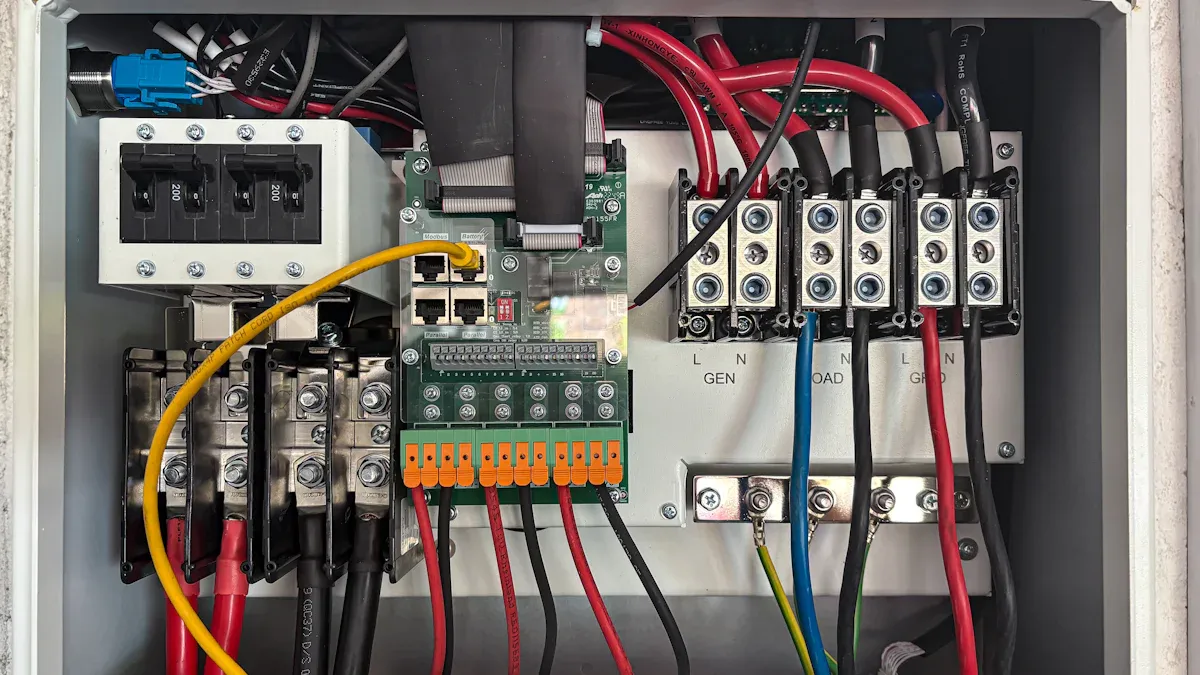
You want to keep your family safe from electric shock. The ground wire helps you do that. When a fault happens, such as a live wire touching a metal case, the ground wire gives electricity a safe way to reach the earth. This path keeps the current away from your body. If you touch an appliance with a fault, the ground wire lowers the risk of shock. You stay safe because the electricity follows the ground wire instead of passing through you.
Note: Always check that outlets in kitchens, bathrooms, and outdoor spaces have a working ground wire. These areas have a higher risk of shock due to water.
Protecting Equipment
You want your electronics and appliances to last. Proper grounding protects your equipment in several ways:
- It gives fault currents a safe path, stopping damage from overheating or arcing.
- It disperses surges from lightning or power switching, which can destroy sensitive devices.
- It uses the right materials and sizes for grounding conductors and bonding jumpers, making sure your system works as designed.
Homes use grounding for panels, outlets, and appliances. This practice prevents electric shock and keeps your devices running safely. In offices and factories, grounding protects both people and machines. Heavy-duty cables and special grounding methods in hazardous places stop sparks and static, which can cause fires or explosions.
Here is a quick look at how grounding protects equipment in different settings:
| Setting | How Grounding Helps |
|---|---|
| Home | Prevents shocks, protects appliances, stops surges |
| Office | Protects computers, printers, and staff |
| Factory | Keeps machines safe, prevents downtime |
| Hazardous Area | Stops sparks, prevents explosions |
Clearing Faults
You need your electrical system to react fast when something goes wrong. The ground wire helps clear faults by giving electricity a low-resistance path. When a fault happens, the current rushes through the ground wire. This surge trips the breaker or blows the fuse. The power shuts off quickly, stopping further damage or danger.
Without a ground wire, a fault could leave metal parts energized. You might not notice until someone gets shocked or equipment fails. Grounding makes sure faults get cleared right away. This action keeps your home safe and your electrical system reliable.
Tip: Schedule regular inspections to make sure your ground wire and breakers work as they should. Early checks can prevent big problems later.
Common Misconceptions
Neutral vs. Ground Confusion
Many people think the neutral wire and the ground wire do the same job. This confusion can lead to serious problems in your home. You need to know why these wires are different and why mixing them up is dangerous.
When you use the neutral wire correctly, it returns current to the panel and keeps voltage steady. The ground wire only acts during a fault, sending stray electricity safely away. If you connect these wires together in the wrong place, you create a path where electricity can flow through metal pipes, gas lines, or even water hoses. This mistake can cause fires, shocks, or damage to your appliances.
Real-life cases show why this confusion is risky:
- In a 1920s house, a lost neutral caused current to travel through metal pipes and cords, starting fires and melting plugs.
- A gas range grounded through its gas pipe burned its cord and melted the plug.
- A washing machine grounded through water pipes melted plastic hoses, causing water damage.
- A home with a solar system and no neutral connection had repeated appliance failures and shock hazards.
- A nursing home with a faulty transfer switch and no neutral saw voltage swings and damaged many devices.
These stories prove that neutral wires and ground wires have different jobs. You must keep them separate except at the main panel. Mixing them up can put your safety at risk.
Bonding Mistakes
You might think bonding is just an extra step, but skipping it can lead to hidden dangers. Bonding connects all metal parts in your electrical system so they stay at the same voltage. If you miss a bond, metal pipes or frames can become energized during a fault.
Common bonding mistakes include:
- Forgetting to bond water pipes or gas lines.
- Using the wrong size wire for bonding jumpers.
- Relying on old connections that have corroded over time.
When you make these mistakes, you increase the chance of electric shock. You also make it harder for breakers to trip during a fault. Always check that all metal parts are properly bonded. This step keeps your home safe and meets electrical codes.
Tip: If you see sparks or feel a tingle when touching metal pipes, call an electrician right away.
Risks of Improper Grounding
Improper grounding creates hidden hazards in your home. You may not notice a problem until someone gets shocked or an appliance fails. Without proper grounding, stray electricity can build up on metal surfaces. This buildup can cause shocks, fires, or damage to electronics.
Older homes often lack modern grounding systems. You might find “bootleg grounds,” where someone connects the ground to the neutral at an outlet. This shortcut does not protect you. Instead, it can energize metal parts and make shocks more likely.
You need to follow electrical codes and use the right materials for grounding. Regular inspections help catch problems early. Proper grounding protects your family, your home, and your devices from harm.
Ensuring Proper Grounding
Home Safety Tips
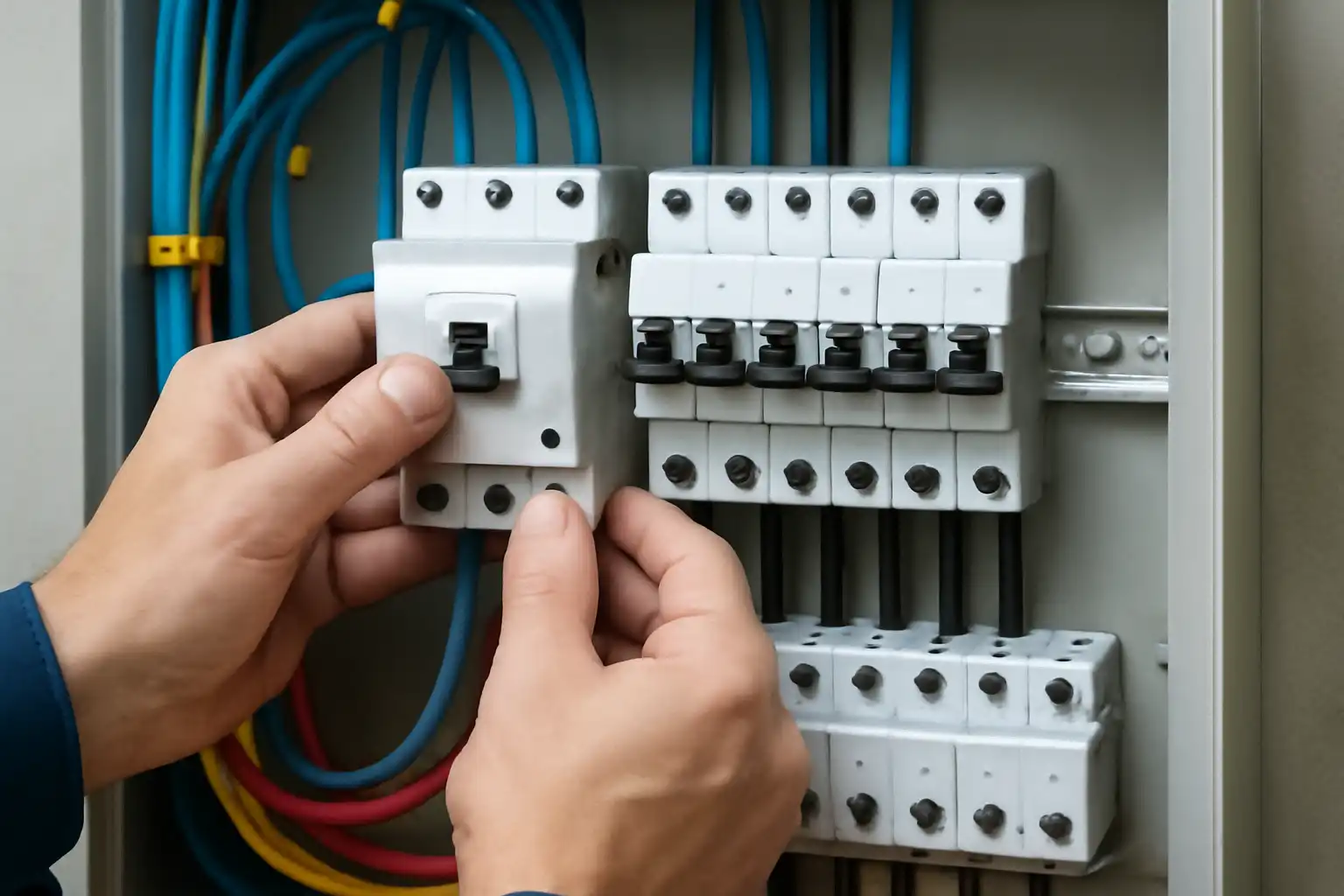
You want your home to be safe from electrical hazards. Proper grounding and bonding play a big role in protecting your family and electronics. You may wonder why you should check your system, even if everything seems to work. Faulty or missing grounding can lead to shocks, fires, or damage to sensitive devices. Regular checks help you catch problems before they become dangerous.
Here are steps you can follow to make sure your home’s grounding and bonding stay effective:
- Measure ground resistance using a ground resistance meter. For most homes, the value should be 25 ohms or less. If you have sensitive electronics, aim for 5 ohms or less.
- Test your system when you move in, after major electrical work, and at least once a year. Keep a record of your results so you can spot changes over time.
- Check that all metal enclosures and pipes are bonded together. This step keeps everything at the same voltage and helps breakers trip quickly during a fault.
- Look for old or missing equipment grounding conductors in branch circuits. Replace them with properly grounded wires to protect your electronics and appliances.
- Inspect ground rods outside your home. If you have more than one, space them at least twice their length apart. In rocky or dry soil, use deeper rods or special chemical rods.
- Make sure all grounding electrodes (like water pipes, steel frames, or ground rings) connect into a single system. This setup improves safety and performance.
- Install surge protection devices only on a strong, low-resistance grounding system. This step helps protect your electronics from power spikes.
- Follow the National Electrical Code (NEC) and IEEE guidelines for all grounding and bonding work.
Tip: Schedule a full inspection of your home’s electrical system every three to five years. Regular inspections help you find hidden hazards and keep your system safe.
When to Call a Pro
You may feel comfortable checking outlets or looking at your breaker panel, but some tasks require a licensed electrician. You should know why calling a professional matters. Electricians have the tools and training to spot problems you might miss. They can measure ground resistance, check for hidden faults, and make sure your system meets all safety codes.
Call a professional if you notice any of these warning signs:
- You feel a shock or tingle when touching appliances or metal pipes.
- Outlets or switches look burned, loose, or damaged.
- Lights flicker or breakers trip often.
- You live in an older home with two-prong outlets or no visible ground wires.
- You plan to add new circuits, remodel, or install large appliances.
A licensed electrician can test your system, repair faulty wiring, and upgrade your grounding and bonding. Regular professional inspections help prevent accidents and keep your home safe. You protect your family and property by making sure your electrical system works as it should.
Note: Proper grounding and bonding are not just about following rules. They keep you safe from shocks, fires, and costly damage. Regular checks and professional help give you peace of mind.
You now know why the ground wire, neutral wire, grounding, and bonding each play a unique role in electrical safety. The ground wire protects you by sending unwanted voltage safely into the earth. Improper grounding is a leading cause of electrical hazards. You should never remove the metallic ground pin, as it prevents shocks and fires.
- Improper grounding is the most common OSHA electrical violation.
- Proper grounding eliminates unwanted voltage and reduces electrocution risk.
- Neglecting grounding increases the chance of severe shocks or explosions.
Check your home’s wiring often and call a professional if you see warning signs. Proper grounding and bonding keep your family and property safe.
FAQ
Why do you need a ground wire if you already have a neutral wire?
You need a ground wire because it protects you during faults. The neutral wire carries current in normal use. The ground wire gives stray electricity a safe path to earth, which helps prevent shocks and fires.
Why does improper grounding increase the risk of electric shock?
Improper grounding leaves metal parts energized. You could touch an appliance and receive a shock. Proper grounding sends dangerous current safely into the earth, which keeps you safe.
Why should you never connect ground and neutral together except at the main panel?
You should not connect ground and neutral together outside the main panel. Doing so creates unwanted paths for electricity. This mistake can cause shocks, fires, or damage to your devices.
Why do electrical codes require bonding of metal pipes and frames?
Codes require bonding to keep all metal parts at the same voltage. This step prevents dangerous voltage differences. You stay safe because bonding helps breakers trip quickly during faults.
Why do older homes often have grounding problems?
Older homes may lack modern grounding systems. Builders did not always install ground wires or proper bonds. You face higher risks of shock or fire if you do not upgrade these systems.
Why should you test your ground wire regularly?
Testing your ground wire helps you find hidden problems. Wires can corrode or break over time. Regular tests ensure your system works and keeps you safe.
Why does a missing ground pin on a plug create danger?
A missing ground pin removes your safety path. If a fault happens, electricity could travel through you instead of the ground. Always use plugs with all three pins to protect yourself.
Why do you need a professional for grounding upgrades?
You need a professional because grounding work requires special tools and knowledge. Electricians know how to test, repair, and upgrade your system safely. You lower your risk of shock or fire by hiring an expert.
The following information may be of interest to you
What Causes RCD Intermittent Tripping and How to Identify It
What Is the Amperage Requirement for Ground Fault Protection Systems
How to Safely Wire a 220V Circuit Breaker Step by Step
How to Maintain Molded Case Circuit Breakers Effectively