

RCD intermittent tripping occurs when your safety device detects electrical issues. Often, broken appliances are the culprits behind this problem. Damaged devices can leak electricity, prompting the RCD to shut off power. Additionally, wet outlets, old wires, or incorrect RCD ratings can contribute to intermittent tripping. These issues disrupt the flow of electricity and can pose safety risks. To identify the cause, carefully inspect appliances, wiring, and the surrounding environment.
Key Takeaways
- Test appliances often. Unplug each device to find the problem.
- Check for wet spots. Look near outlets and cover outdoor sockets.
- Look at wires for harm. Burning smells or flickering lights mean trouble.
- Match your RCD to your system. Homes usually use a 30mA RCD; ask an expert if unsure.
- Plan regular checkups. Routine checks find issues early and save money.
Causes of RCD Intermittent Tripping
Faulty Appliances
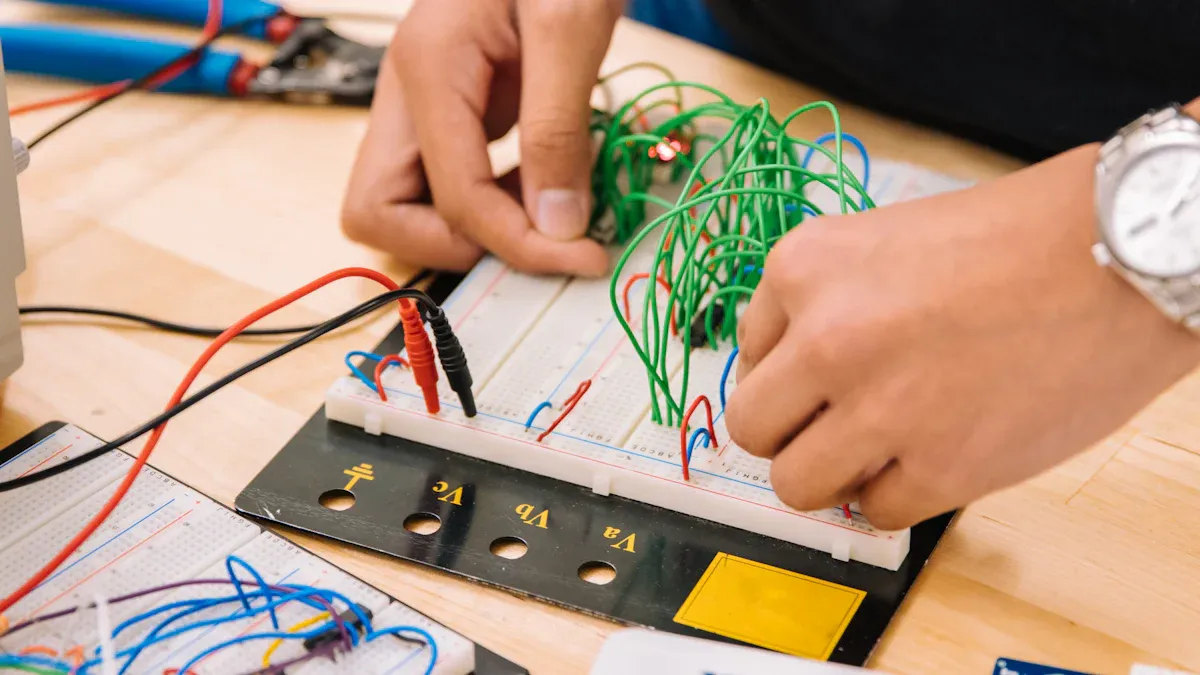
Broken appliances often cause RCD intermittent tripping. When an appliance breaks, it can leak electricity. This makes the RCD shut off power for safety. For example, a broken fridge or washing machine might have internal problems. Even small items like toasters or kettles can cause issues if damaged.
To find the faulty appliance, unplug devices one by one. Check if the RCD stops tripping after unplugging each item. This helps you figure out which device is causing the problem. Don’t use the broken appliance until it’s fixed or replaced.
Tip: Look for damage like frayed cords or burnt plugs. Regular checks can stop unexpected tripping.
Moisture Ingress
Water and electricity are a bad mix. Moisture often causes RCD intermittent tripping. Water can get into electrical systems in many ways. Rain might enter outdoor sockets, or leaks near wires can cause problems. Condensation inside electrical boxes can also lead to trouble.
For example, rainwater in an outdoor socket can let electricity escape. This makes the RCD trip. Condensation in damp areas can also mess up circuits over time.
To fix this, check for water near outlets or switches. Dry wet areas and repair leaks to stop future problems. Use weatherproof covers for outdoor sockets to keep them safe.
Damaged Wiring
Old or broken wires can make your RCD trip. Wires wear out over time or get damaged by rodents or poor installation. Exposed or broken wires can cause earth faults, making the RCD shut off power.
Signs of bad wiring include flickering lights, burning smells, or discolored outlets. If you think wires are damaged, don’t touch them. Call a licensed electrician to check and fix the problem.
Note: Regular electrical checks can find wiring problems early and prevent bigger issues.
Earth Leakage
Earth leakage happens when electricity escapes and flows into the ground. This can make the RCD trip because it detects uneven current. Damaged insulation, broken appliances, or wet electrical systems often cause this issue.
To find earth leakage, unplug all devices and turn off circuits. Turn them back on one by one while watching the RCD. If the RCD trips after reconnecting something, you’ve found the problem.
Check appliances and wires for damage like frayed cords or burn marks. If you can’t find the issue, call an electrician. They use special tools to measure leakage and locate the fault.
Tip: Check appliances and wires often for damage. Early fixes stop power problems.
Incorrect RCD Ratings
Wrong RCD ratings can cause frequent tripping. Each RCD handles a specific amount of electricity. If the rating is too low, it may trip even without a fault.
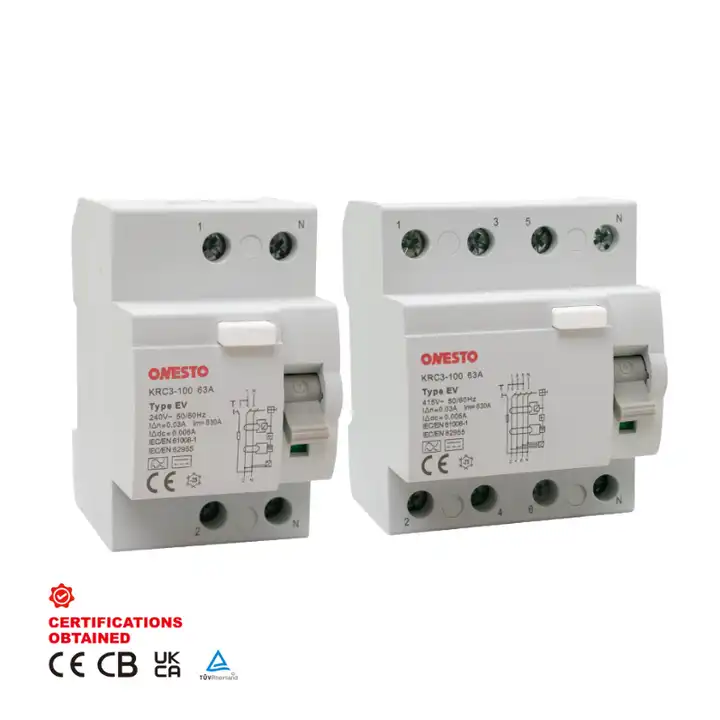
Look at the label on the RCD to check its rating. It should match your system’s electrical load. For example, homes usually need a 30mA RCD. Bigger appliances might need a higher-rated device.
If you’re unsure, ask an electrician for advice. They can check your system and suggest the right RCD. Using the correct rating reduces trips and keeps your system safe.
Note: Always pick RCDs that meet safety rules in your area. This ensures they work well and protect you.
Identifying Why the RCD is Tripping
Checking Appliances
Broken appliances often make the RCD trip. To find the faulty one, unplug all devices on the circuit. Plug them back in one by one. Watch the RCD as you do this. If it trips after plugging in something, that device is likely the problem.
Focus on appliances that use water, like washing machines or kettles. These are more likely to have leaks or faults. Look for damage like frayed cords, burnt plugs, or strange noises when they run.
Tip: Don’t use a broken appliance until it’s fixed or replaced. This keeps you safe and stops more tripping.
Looking for Moisture
Water can mess up electricity and make the RCD trip. Check places where water and electricity meet, like bathrooms or outdoor sockets. Look for damp spots, condensation, or water near outlets.
If you see moisture, dry it right away. Use a fan or cloth to remove dampness. For outdoor sockets, add weatherproof covers to keep rain out. In kitchens or bathrooms, improve airflow to stop condensation.
Alert: If moisture keeps showing up, there might be a leak. Fix it quickly to protect your electrical system.
Inspecting Wires
Old or broken wires can also trip the RCD. Check outlets, switches, and visible cables for problems. Signs include scorch marks, discoloration, or burning smells. Flickering lights or warm outlets can also mean bad wiring.
Don’t touch damaged wires. They can cause shocks or fires. Call an electrician to check and fix them safely. They have the right tools to find and repair wiring issues.
Note: Regular checks can catch wiring problems early. This helps avoid sudden RCD trips.
Testing for Earth Leakage
Earth leakage happens when electricity escapes and flows into the ground. This can make the RCD trip because it detects the imbalance. Testing for earth leakage helps find the problem and fix it.
To test for earth leakage, follow these steps:
- Use a leakage current clamp ammeter. This tool finds small leaks, even under 5 mA.
- Place the clamp around live wires to measure total leakage.
- If you find leakage, test each circuit separately to locate the issue.
Advanced tools may also be used for more accurate testing. These devices use special circuits to measure leakage precisely. For factories, testing may involve up to 25 amperes AC. Leakage is often measured at full voltage for accuracy.
Tip: Test for earth leakage often to catch problems early. This avoids sudden power cuts.
Verifying RCD Ratings
The right RCD rating keeps your system safe and reliable. A wrong rating can cause unnecessary trips or fail to protect you. Checking the RCD rating ensures it fits your system and meets safety rules.
When checking RCD ratings, think about these points:
| Things to Check for RCD Ratings |
|---|
| Protecting people and animals from shocks and burns |
| Preventing property damage from electrical problems |
| Confirming the correct settings for protective devices (IEC 60364-4-41) |
| Confirming the correct settings for monitoring devices |
| Making sure the system isn’t damaged or worn out |
| Finding installation problems or rule violations |
Look at the label on your RCD to check its rating. Most homes use a 30mA RCD. Bigger appliances or industrial systems may need higher ratings. If unsure, ask an electrician to check your system and suggest the right RCD.
Note: Using the correct RCD rating stops unnecessary trips and protects your home from electrical dangers.
Resolving RCD Intermittent Tripping
Isolating Faults
To fix RCD intermittent tripping, find the fault causing it. Turn off all circuits linked to the RCD. Switch them back on one by one while watching the RCD. If it trips after turning on a circuit, you’ve found the problem.
Follow these steps when isolating faults:
- Use rules like PN-HD 60364-4-41:2017-09 for low-voltage systems.
- For solar setups, check PN-HD 60364-7-712 or IEC 60364-7-712:2017-04.
- Make sure the RCD matches your system’s needs.
If you can’t find the fault, try a leakage current clamp ammeter. This tool spots small leaks that are hard to see. Always stay safe by wearing protective gear and avoiding live wires.
Tip: Write down circuits and devices you test. This helps you stay organized and avoid repeating tests.
Repairing Wiring
Bad wiring often causes RCD intermittent tripping. Worn cables, loose wires, or rodent damage can lead to earth faults. These faults mess up electricity flow and make the RCD trip.
Look at visible wires for problems like burn marks or exposed metal. Don’t touch damaged wires. Call an electrician to fix or replace them. They have the right tools to repair wiring safely.
Regular checks can stop wiring issues before they get worse. Plan inspections to catch problems early. This lowers the chance of sudden RCD trips and keeps your system safe.
Alert: Don’t fix wires yourself unless you’re trained. Wrong repairs can cause shocks or fires.
Addressing Moisture Issues
Water often makes the RCD trip. It can enter outdoor sockets, electrical boxes, or appliances. This creates leaks that upset the current balance and trigger the RCD.
Here’s how to handle moisture problems:
- Check outdoor sockets for rain or condensation. Use covers to keep them dry.
- Look for leaks in bathrooms or kitchens. Improve airflow to reduce dampness.
- Dry wet areas quickly with a fan or cloth.
Moisture can cause Residual Isolation Resistance (RISO) faults. These faults harm your system’s safety. Fixing moisture problems stops damage and reduces RCD trips.
Note: If moisture keeps showing up, there might be a hidden leak. Fixing the leak protects your electrical system.
Upgrading RCDs
Changing your RCD can fix frequent tripping and boost safety. Old RCDs may not handle today’s electrical needs well. They might also miss detecting some faults. A new RCD ensures your system is safer and works better.
When upgrading, think about these points:
- Electrical Load Requirements:
Pick an RCD that fits your system’s load. For most homes, a 30mA RCD is enough. Bigger systems might need higher-rated ones. - Type of RCD:
Choose the right type for your needs. Standard RCDs protect against earth faults. RCBOs (Residual Current Breaker with Overcurrent) add overload protection too. - Compliance with Standards:
Make sure the new RCD follows local rules and global standards like IEC 60364. This keeps it safe and reliable. - Future-Proofing:
Get an RCD that works with future upgrades. For example, if you plan to add solar panels or EV chargers, pick one that supports these.
Tip: Always ask a licensed electrician for help when upgrading. They can check your system and suggest the best options.
Consulting Professionals
Some RCD problems need expert help. If you can’t find the cause of tripping or it keeps happening, call an electrician. Experts have tools and skills to fix tricky faults and keep your system safe.
Here’s how they can help:
- Comprehensive Testing:
Electricians use special tools like leakage clamps and insulation testers. These find hidden faults that basic checks miss. - System Assessment:
They check your whole system, including wires, devices, and the RCD. They spot problems like bad wiring, wrong setups, or overloaded circuits. - Repairs and Upgrades:
If they find issues, they fix wires, replace bad devices, or upgrade your RCD. They make sure everything meets safety rules. - Preventive Advice:
Experts give tips to stop future issues. For example, they might suggest regular checks or covers for outdoor sockets.
Alert: Don’t try hard repairs yourself. Electrical systems are risky without training. Always trust experts for safety.
By hiring a pro, you can fix RCD intermittent tripping and keep your home safe from electrical dangers.
Preventing Future RCD Tripping
Regular Maintenance
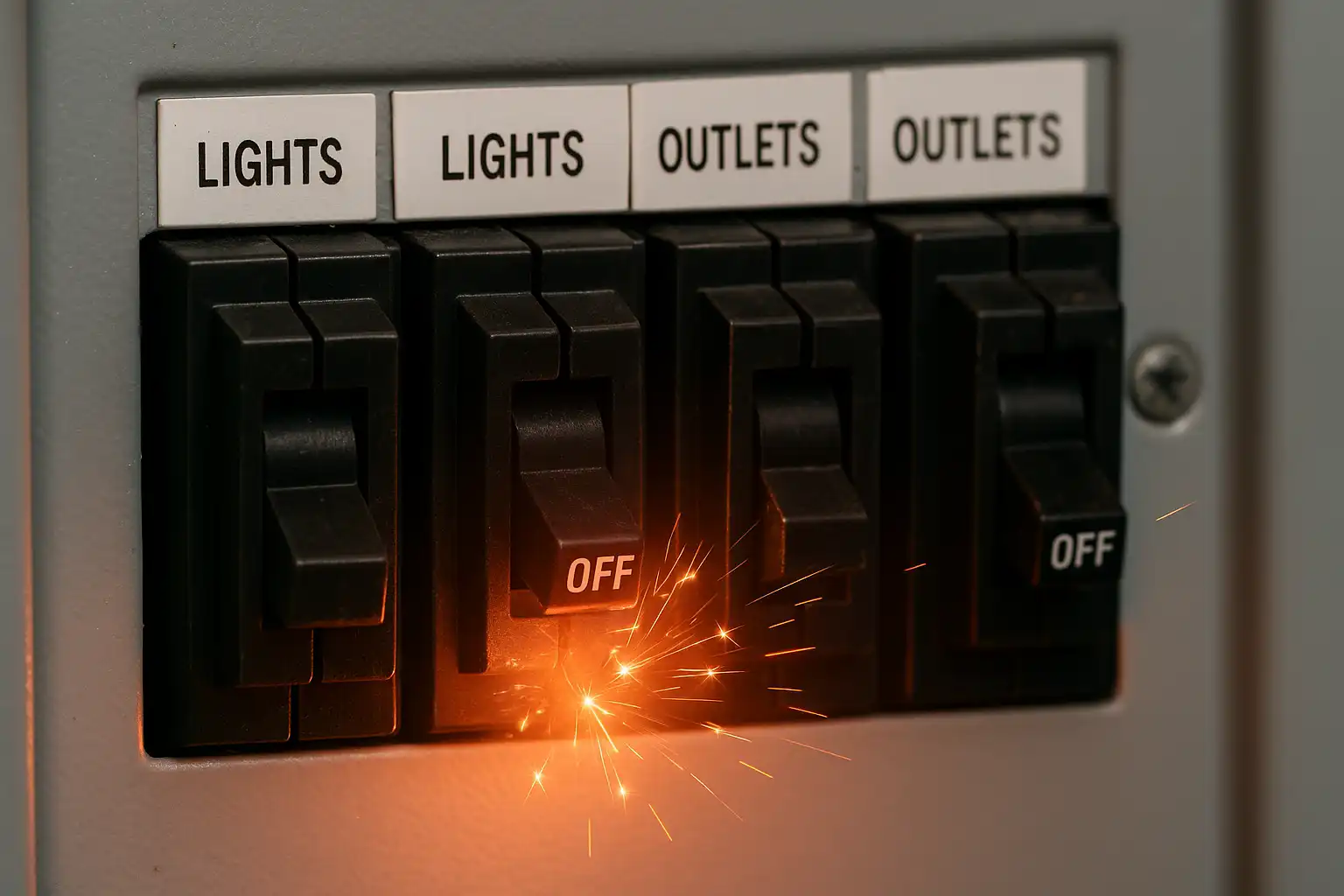
Regular checks keep your electrical system safe and working well. By inspecting often, you can spot problems early and save money.
- Lower Risks: Routine checks help prevent accidents and improve safety.
- Improve Performance: Well-maintained systems run smoothly with fewer interruptions.
- Avoid Power Cuts: Finding issues early stops sudden outages and costly repairs.
Make a schedule to check appliances, wires, and RCDs. Look for damage like frayed cords or burnt outlets. Fix any problems right away to avoid bigger issues.
Tip: Inspect your system every six months to keep it in good condition.
Keeping Systems Dry
Water and electricity are a dangerous mix. Moisture can cause faults and make the RCD trip. Keeping things dry helps your system work properly.
Check damp areas like bathrooms, kitchens, and outdoor sockets. Use covers for outdoor outlets and improve airflow in humid spaces. Fix leaks quickly to stop water from reaching electrical parts.
Alert: If moisture keeps showing up, there might be hidden leaks. Fix them fast to protect your system.
Managing Electrical Loads
Too many devices on one circuit can trip the RCD. Balancing your electrical load keeps your system safe.
Spread out the use of big appliances like dryers and heaters. Don’t plug too many things into one outlet. If your system can’t handle the load, upgrade to a higher-rated RCD.
Note: Check your RCD’s label to ensure it fits your system. Most homes need a 30mA RCD for safety.
By following these tips, you can stop future RCD trips and keep your system safe and efficient.
Scheduling Inspections
Planning regular checks keeps your electrical system safe and reliable. These inspections find problems early, stopping them from becoming bigger issues. By scheduling them, you help prevent RCD tripping and keep everything working well.
What Happens During an Inspection?
During an inspection, an electrician carefully checks your electrical system. They examine wires, outlets, appliances, and RCDs for damage or wear. Special tools like insulation testers and leakage clamps help find hidden problems.
Tip: Write down inspection dates. This helps track your system’s health over time.
Why Should You Schedule Inspections?
Regular inspections offer many benefits:
- Improved Safety: Catching bad wires or broken devices prevents shocks or fires.
- Fewer Power Cuts: Fixing issues early avoids sudden outages.
- Save Money: Small fixes cost less than big repairs.
- Follow Rules: Inspections ensure your system meets safety standards.
How Often Should You Schedule Inspections?
How often you inspect depends on your setup:
- Homes: Check every 3–5 years.
- Businesses: Inspect yearly, especially for systems used a lot.
- Outdoor Systems: Check outdoor wiring more often due to weather exposure.
Alert: If your RCD trips often or you see other problems, get an inspection right away.
Making inspections a habit protects your home and family from electrical dangers. Regular checks keep your system running well and give you peace of mind.
RCDs may trip because of broken devices, water, bad wires, electricity leaks, or wrong ratings. To find the problem, check appliances, test for leaks, and confirm the RCD rating. Fixing these problems quickly keeps your system safe and working well.
Taking care of your system regularly can stop future trips. Maintenance and balancing electrical use help avoid issues. Inspections can find hidden problems early. Studies show that careful checks improve safety, save money, and make systems more reliable.
| Source | Benefits of RCD |
|---|---|
| Routinely collected data and comparative effectiveness evidence: promises and limitations | Talks about improving RCD studies and needed resources. |
| A DELPHI study priority setting the remaining challenges for the use of routinely collected data in trials: COMORANT-UK | Shows RCD’s value for science, cost savings, and reliability. |
| Routinely collected data for randomized trials: promises, barriers, and implications | Explains how RCDs help with overlooked treatments and reduce bias. |
If the problem doesn’t go away, call an expert to fix it and keep your home safe.
FAQ
What does it mean when an RCD trips sometimes?
When an RCD trips sometimes, it shuts off power randomly. This can happen because of broken devices, water, bad wires, or electricity leaks. To find the cause, check your electrical system step by step.
Tip: Regular checks can stop surprise tripping.
What should you do first when an RCD trips?
First, unplug all devices on the circuit. Then, reset the RCD. Plug items back in one at a time to find the problem. If it trips again without devices, check for water or wiring problems.
Alert: Don’t touch open wires. Call an expert for help.
What tools can find earth leakage?
A leakage clamp ammeter is great for finding small leaks. It measures electricity escaping from live wires. Electricians also use insulation testers to find hidden problems. These tools help locate leaks accurately.
Note: Call a pro if you don’t have the tools or skills.
What RCD rating works best for homes?
Most homes need a 30mA RCD. This rating stops shocks and faults. Bigger systems or appliances may need higher ratings. Always check your system’s needs before picking an RCD.
Tip: Ask an electrician to confirm the right rating for your home.
What are signs of bad wiring?
Watch for burn marks, dark outlets, or burning smells. Flickering lights or warm switches can also mean wiring trouble. Bad wires can cause leaks, making the RCD trip.
Alert: Don’t fix wires yourself. Call a licensed electrician to stay safe.
The following information may be of interest to you
How to Identify and Fix RCD Tripping Issues
What Leads to RCCB Malfunction and Damage
The difference between type A and AC RCD
Residual Current Circuit Breaker (RCD) and Leakage Protection