
30 Amp Branch Circuit Guide
What Appliances Require a 30 Amp Circuit Breaker?
The most common household example is a 208/240 V electric clothes dryer. Some water heaters, HVAC equipment, fixed heaters and EV chargers also use 30 A circuits, but only when the exact nameplate and installation instructions permit it.
Start with the appliance data
A familiar appliance can still need a different circuit
Model design changes the answer. Two dryers, water heaters or heat pumps that look similar can have different electrical requirements.
Electric clothes dryers are the clearest example. Manufacturer instructions commonly specify an individual 208/240 V branch circuit protected at 30 A. That does not make 30 A a general rule for every heating appliance.
For equipment with motors, compressors or several electrical sections, read the complete nameplate and manual. HVAC documentation may state a minimum circuit ampacity (MCA) and a maximum overcurrent protection (MOCP or MOP) value. Those values do different jobs and should not be swapped.

Common 30 amp applications
Which appliances often qualify and which need more checking?
Use these as starting points. The nameplate and current manufacturer instructions remain the final product-level evidence.
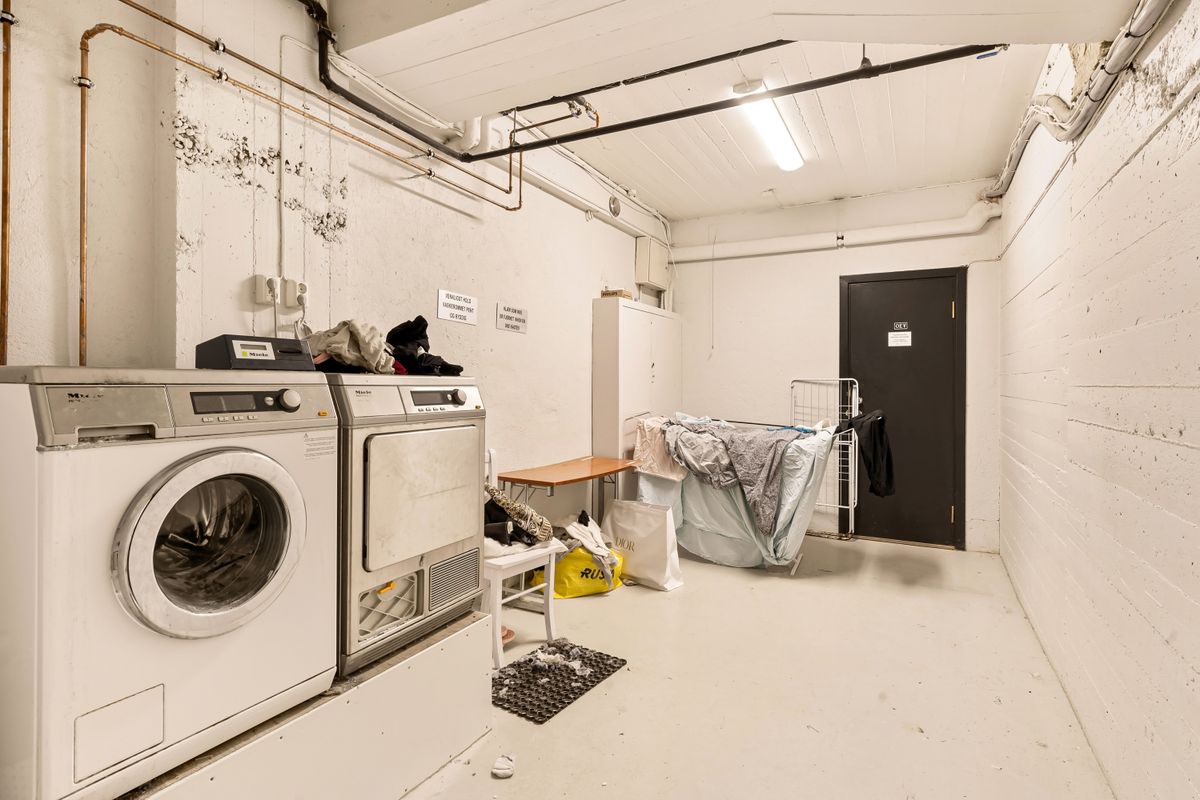
Electric clothes dryer
A full-size North American electric dryer commonly uses a dedicated 208/240 V, 30 A branch circuit. GE and Whirlpool installation guidance both show this as a standard direction for many electric models.
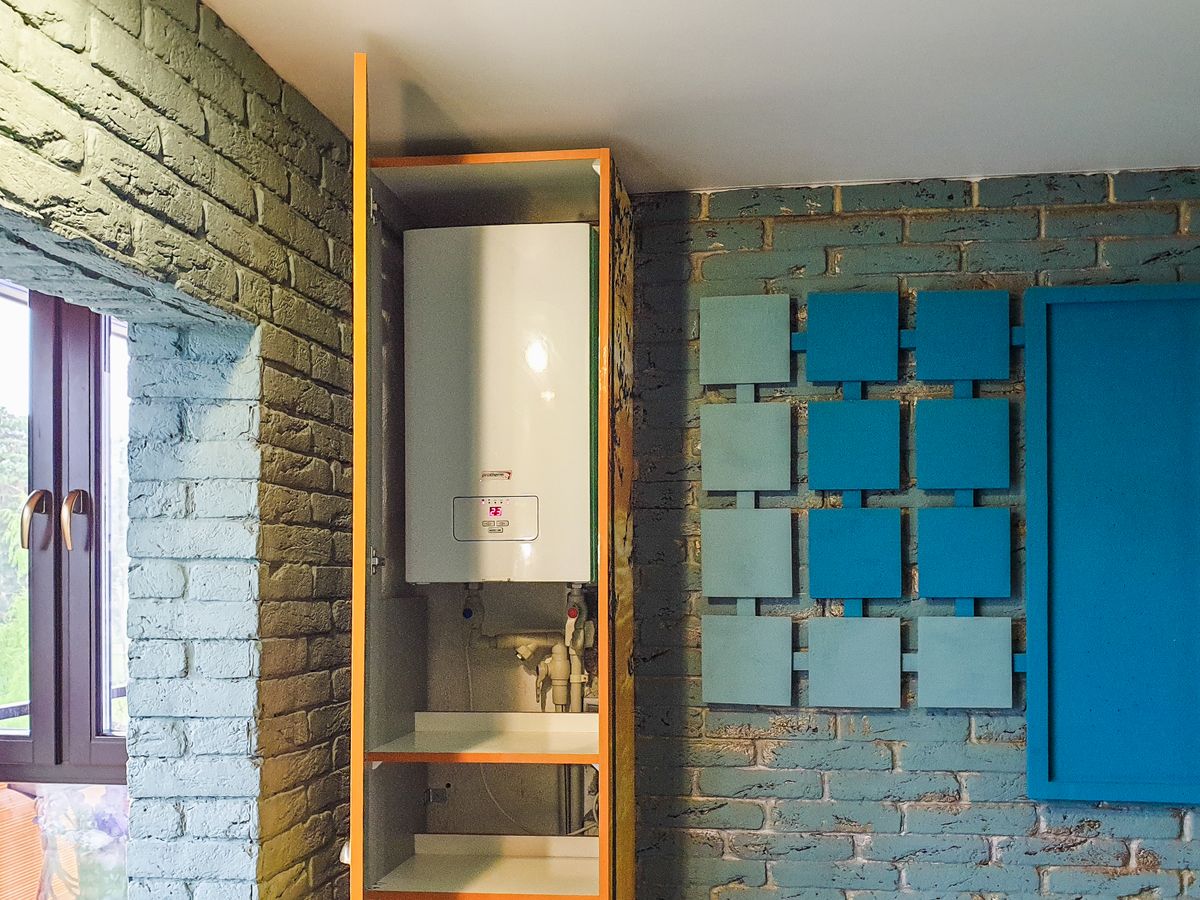
Electric storage water heater
Some residential storage water heaters are supplied from a 30 A circuit, but element wattage, voltage, simultaneous operation and manufacturer requirements control the final design. Tankless heaters commonly need a very different supply.
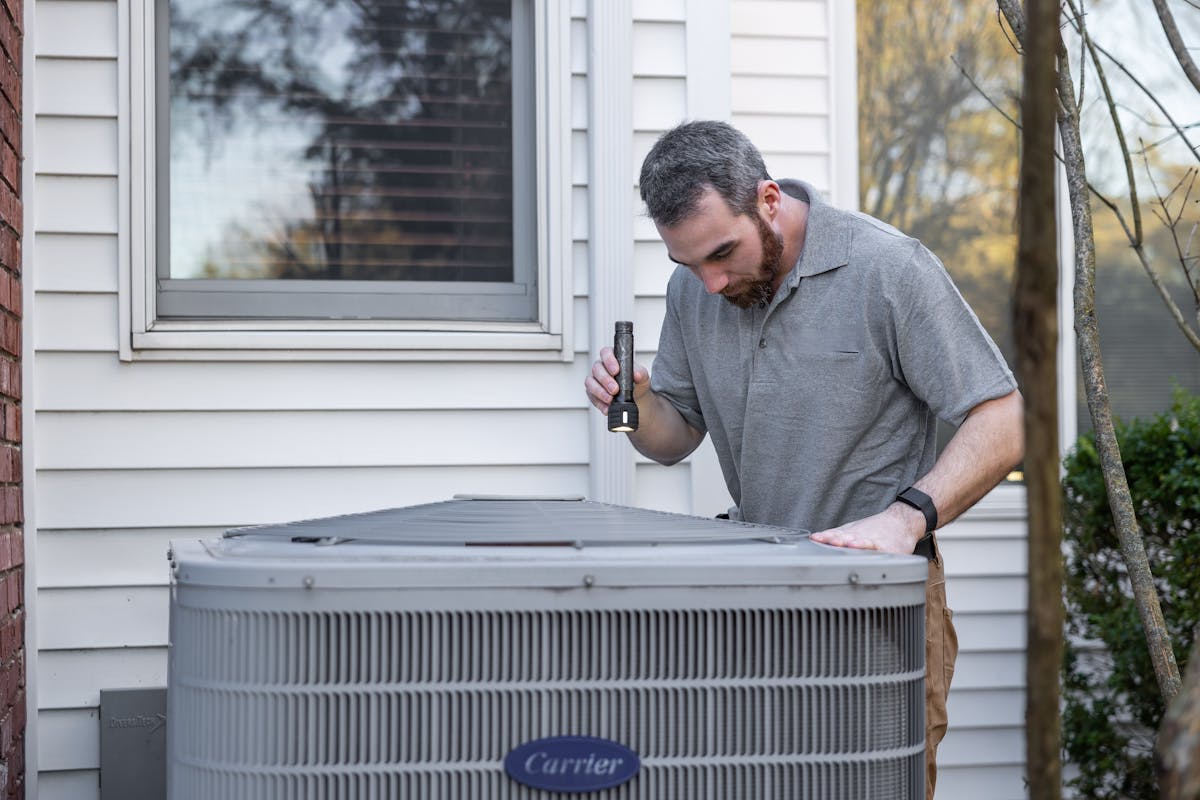
Air conditioner or heat pump
Some compact HVAC systems may use 30 A overcurrent protection. Compressor starting behavior means that running current alone is not enough. Use the exact unit data, including MCA and the maximum permitted fuse or breaker value.
EV charging equipment uses the continuous-load rule
A 30 A branch circuit does not normally mean a 30 A continuous charging output. One official wall-connector example limits output to 24 A on a 30 A breaker. Confirm the EVSE manual, circuit configuration, conductor rating, receptacle if used and local installation requirements.
Selection workflow
Five checks before calling it a 30 amp load
This sequence keeps the appliance, circuit and protective device tied to the same technical evidence.
Use the full model number and current installation manual. A product-family photo or retail description is not enough.
A 30 A load at 120 V is very different from one at 208 or 240 V. Check whether two-pole protection and a neutral are required.
Look for branch-circuit rating, input current, wattage, MCA, MOCP/MOP and any separate circuits for heaters, controls or accessories.
Identify continuous operation, heating duty, compressor or motor starting, nonlinear loads and expected simultaneous use.
Verify conductor ampacity, terminals, receptacle, disconnect, enclosure, ambient temperature, grouping, fault level and applicable code.
Planning calculator
Convert appliance watts into a current starting point
Use this to understand the arithmetic only. It does not select a breaker, conductor or receptacle and cannot override the appliance instructions.
Quick comparison
Treat the circuit size as a verified result
These examples help organize the next question, not replace the model documentation.
| Equipment | Is 30 A common? | What controls the decision? |
|---|---|---|
| Full-size electric dryer | Often, at 208/240 V | Manufacturer circuit requirement, connection method, receptacle and cord |
| Storage water heater | Sometimes | Element wattage, voltage, simultaneous operation and product instructions |
| Air conditioner or heat pump | Sometimes | Nameplate MCA, MOCP/MOP, motor-compressor data and installation conditions |
| EV charging equipment | Available on selected equipment | Continuous output setting, EVSE manual, circuit method and local requirements |
| Fixed electric heating | Model and design dependent | Total heating load, control stages, duty, supply and applicable code |
| Range, welder or workshop equipment | Do not assume | Exact input rating, duty cycle, branch-circuit instructions and receptacle configuration |
Avoid unsafe shortcuts
Four mistakes that a 30 A label does not solve
Upsize a tripping breaker
Repeated tripping can indicate overload, a fault, a damaged appliance or an unsuitable circuit. Find the cause before re-energizing.
Treat two poles as double current
A common-trip two-pole 30 A breaker opens both ungrounded conductors. It is still a 30 A branch circuit.
Choose wire from breaker size alone
Conductor material, insulation, terminals, ambient temperature, bundling and code rules all affect permissible ampacity.
Copy another model's requirement
Similar-looking equipment can have different heaters, compressors, controls or permitted protective-device values.
SENTOP circuit protection support
Match the breaker to the documented electrical requirement
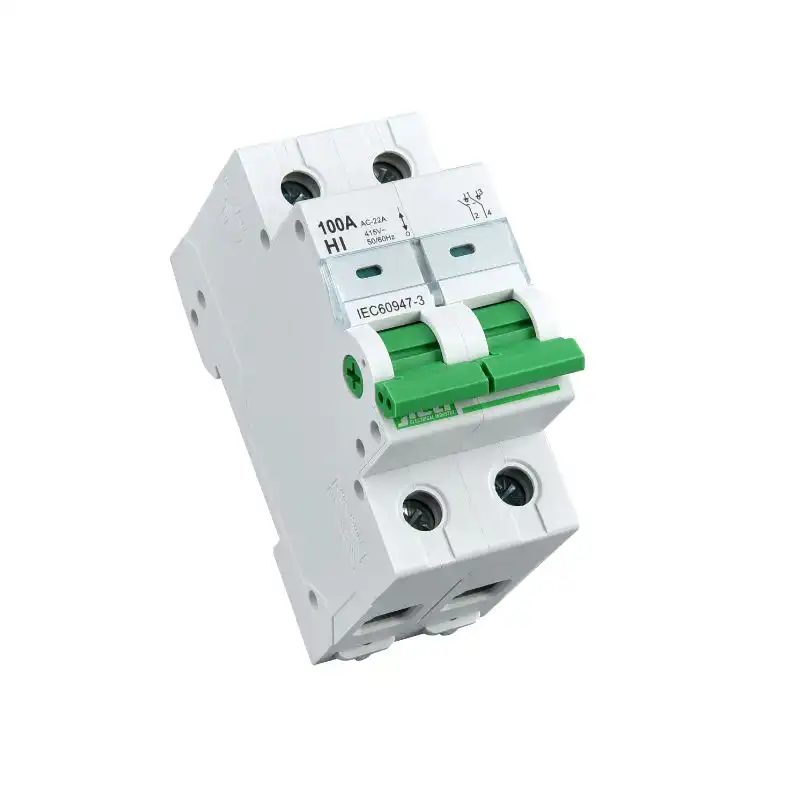
SENTOP can review miniature circuit breaker requirements for equipment and panel projects. Send the system voltage, current, poles, trip characteristic, prospective fault level, target market, quantity and available model reference.
Continue the decision
Related protection resources
Frequently asked questions
30 amp appliance FAQ
What is the most common household appliance on a 30 amp breaker?
A full-size 208/240 V electric clothes dryer is the most familiar North American example. Confirm the exact dryer installation instructions because supply and connection requirements remain model specific.
Does every electric water heater need a 30 amp breaker?
No. Some storage water heaters use 30 A circuits, while other storage and tankless models require different protection. Use element wattage, voltage, operating arrangement and the manufacturer instructions.
Can a 30 amp circuit supply a 30 amp continuous load?
Not under the common 125% continuous-load sizing approach. A 24 A continuous load is a typical numerical limit on a 30 A circuit, but product-specific and local rules still apply.
Is a two-pole 30 amp breaker the same as 60 amps?
No. Each pole carries the circuit current and the common mechanism opens both ungrounded conductors. The branch circuit is rated 30 A, not 60 A.
Can I replace a 30 amp breaker with a 40 amp breaker if it trips?
Do not increase the breaker rating without a qualified review of the appliance, conductor, terminals, receptacle, disconnect and circuit design. Repeated tripping requires investigation.
What information should I send when sourcing a 30 amp breaker?
Send voltage, AC or DC system, poles, load current, trip requirement, prospective short-circuit current, target standard and market, installation format, conductor details, quantity and any existing model reference.
Technical references and image credits
- GE Appliances: Dryer electrical requirements and breaker size
- GE Appliances: Electric dryer wattage and amperage examples
- Whirlpool: Electric dryer installation instructions
- Tesla: Wall Connector circuit breaker ratings and output
- Daikin: Model-specific MCA and maximum overcurrent data
- A. O. Smith: Residential electric water heater installation guide
- OSHA: Reclosing tripped circuit breakers and qualified examination
- Photography: Jaelen Kempson, Lisa Anna, Алексей Вечерин and Kathleen Austin Kuhn via Pexels.