

RCCB tripping can be annoying and happen often at home. You might see your RCCB turning off suddenly, stopping your appliances. This can occur when switching from a generator to main power. It also happens when devices like computers cause electrical problems. Studies show that home electronics can make RCCBs trip due to extra currents. For example, one study found RCCBs tripped many times over several days. This shows how common these issues are.
Repairing RCCB tripping quickly is important for safety and ease. By knowing the causes and taking simple steps, you can repair RCCB tripping and get your home back to normal.
Key Takeaways
- RCCB tripping happens because of bad devices, wet areas, or wiring problems. Check your appliances and wires often to stop issues.
- Use surge protectors to keep electronics safe from power surges. This lowers RCCB tripping and makes your devices last longer.
- Don’t overload outlets; spread big appliances across different plugs. This stops the RCCB from tripping due to too much power.
- Get your home’s wiring checked regularly to find hidden problems. This keeps your electrical system safe and working well.
- If the RCCB still trips after you check, call an electrician. They can find and fix harder electrical issues.
Understanding RCCB Tripping
What is an RCCB?
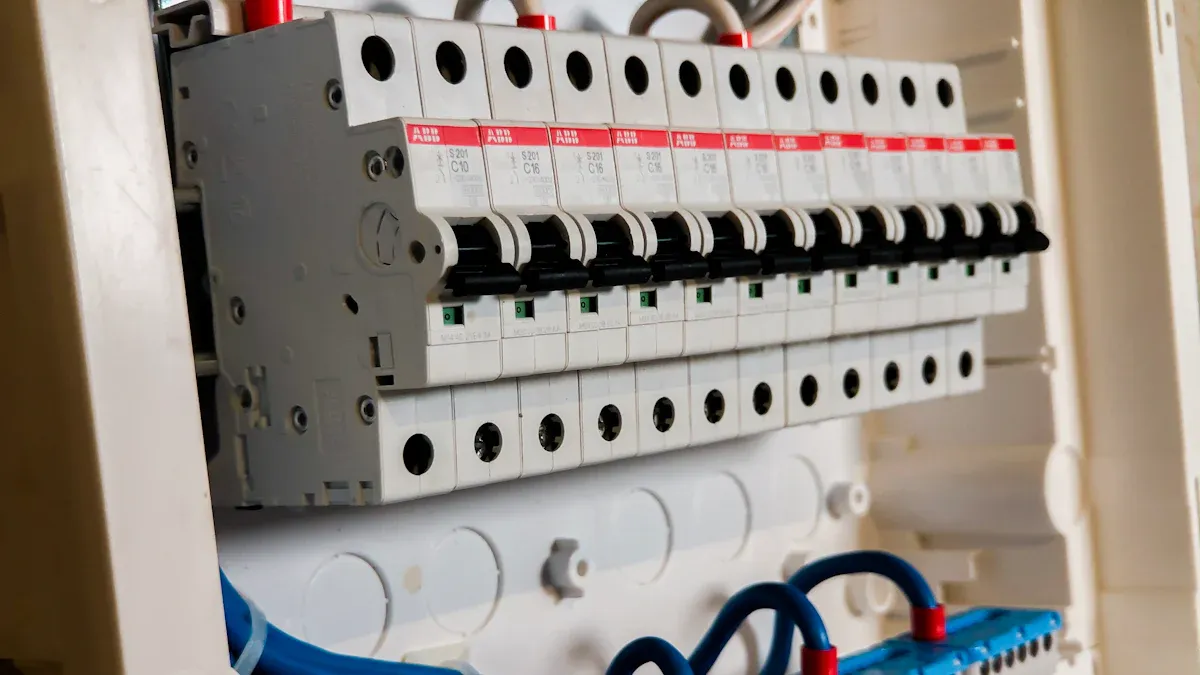
An RCCB is a device that keeps you safe from electric shocks. It also helps stop fires caused by electrical problems. It checks the flow of electricity in your house. If it finds something wrong, it cuts off the power. This happens when electricity leaks through bad wires or broken devices. RCCBs are often used in homes and come in different types.
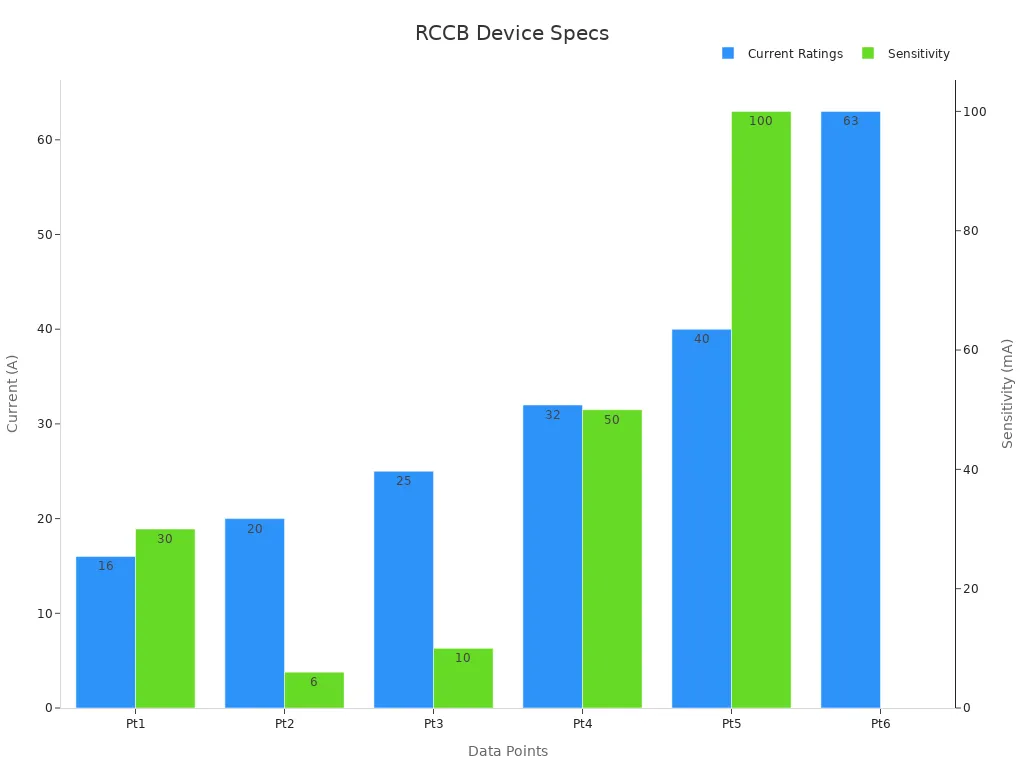
| Specification Type | Current Ratings (A) | Sensitivity (mA) |
|---|---|---|
| Common Household | 16, 20, 25, 32, 40, 63 | 30, 6, 10, 50, 100 |
These types let RCCBs handle different power needs while staying sensitive to problems.
How does an RCCB work?
An RCCB works by comparing electricity in two wires: live and neutral. When everything is fine, the flow is equal. If there’s a problem, like a leak to the ground, the RCCB notices it. It then quickly turns off the power. This fast action helps stop shocks and fires.
| Technology | Fault Detection Capability |
|---|---|
| RCCB | Finds earth faults going back through the main earth wire. |
| ELCB | Older type, not as good at finding earth faults. |
Newer RCCBs are better than old devices like ELCBs. They are very important for keeping your home safe.
Why does an RCCB trip?
An RCCB trips when it finds a leak in electricity that’s too big. This can happen because of broken devices, bad wiring, or water getting into the system. Too much power use or sudden voltage changes can also make it trip. Turning off the power stops more damage and keeps you safe.
Tip: If your RCCB trips a lot, check your devices and wires. Fixing the problem early can stop bigger issues later.
Common Causes of RCCB Tripping
Faulty or damaged appliances
Broken appliances often make the RCCB trip. When an appliance is damaged, it might leak electricity. This leakage makes the RCCB turn off power to stay safe. Old fridges, washing machines, and heaters are common causes. Check your appliances often for damage like torn cords or strange sounds. If you think an appliance is the problem, unplug it. Then, see if the RCCB stops tripping.
Tip: Don’t use broken appliances. Fix or replace them quickly to avoid danger.
Moisture or water ingress
Water is another reason for RCCB tripping. Rain or leaks can let water into electrical parts. This causes electricity to leak, making the RCCB trip. Many people notice their RCCB trips during storms or in humid areas. If this happens, look for water near outlets or wires. Dry these spots well before turning the RCCB back on.
- Moisture-related tripping examples:
- Rainwater entering outdoor electrical boxes.
- Humidity affecting indoor wires.
- Leaks from pipes near electrical setups.
Note: Waterproofing wet areas can help stop RCCB tripping.
Wiring faults or loose connections
Bad wiring often causes RCCB tripping. Worn-out insulation, chewed wires, or cheap parts can leak electricity. Loose plugs or switches may also cause tripping. Check your home’s wiring for damage or wear. If you see exposed wires or loose parts, fix them fast.
- Wiring problems that cause tripping:
- Insulation wearing out over time.
- Rodents chewing on wires.
- Low-quality parts breaking under pressure.
Alert: Wiring issues can be very dangerous. Call a licensed electrician if you think there’s a problem.
Overloading circuits
Overloading circuits often makes the RCCB trip. This happens when too many devices use one circuit. Each circuit can only handle a certain amount of electricity. If the demand goes over this limit, the RCCB shuts off power to stop fires or overheating.
This problem is common with high-power devices like heaters or microwaves. Using these appliances at the same time can overload the circuit. It’s worse if they share the same outlet or wiring.
Signs of an overloaded circuit:
- Lights flicker when appliances are turned on.
- Outlets feel hot when touched.
- RCCB trips often with many devices running.
Tip: Use different circuits for your appliances. Don’t overload one outlet with extension cords.
To fix this, unplug some devices and reset the RCCB. If it stops tripping, the issue is solved. For a permanent fix, upgrade your electrical system to handle more power.
Electrical surges or voltage spikes
Electrical surges or voltage spikes can also trip the RCCB. These sudden voltage increases happen during storms or when big appliances start. Surges can harm electronics and create unsafe conditions.
Causes of electrical surges:
- Lightning strikes near your house.
- Bad wiring in your area.
- Large appliances like fridges or washers.
Alert: Surges can damage your devices and wiring. Install surge protectors to keep your home safe.
To fix this, unplug sensitive devices during storms. If surges happen often, call an electrician to check your wiring. Surge protectors can help shield your appliances and stop RCCB tripping.
How to Repair RCCB Tripping
Step 1: Turn off all MCBs and unplug appliances
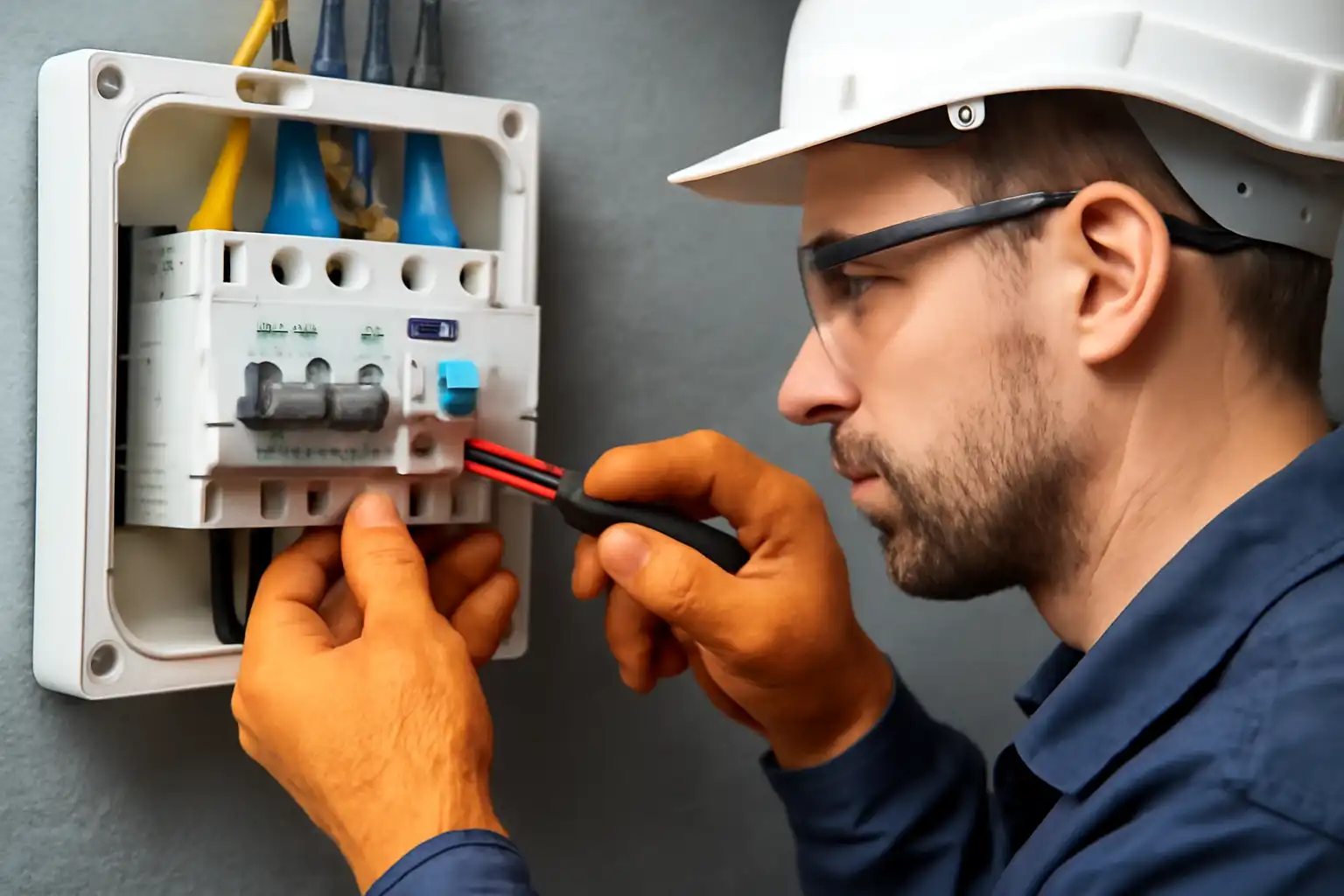
First, switch off all Miniature Circuit Breakers (MCBs) in your fuse box. This stops electricity flow and avoids more problems while checking. Then, unplug every appliance connected to the system. Just turning them off isn’t enough because the neutral wire stays connected. Unplugging fully disconnects them, which helps find the issue.
Safety Tip: If you use an immersion heater, turn it off with its double-pole switch. Also, unplug high-power items like ovens and kettles to stay safe.
After unplugging everything, reset the RCCB by flipping its switch off and back on. If it stays on, the problem might be with an appliance or circuit. If it trips again, move to the next step.
Step 2: Inspect for visible damage or moisture
Look closely at the RCCB panel and nearby areas for damage or water. Check for cracks, rust, or burn marks on the RCCB and wires. Dust and dirt can also cause trouble, so clean the panel if needed. Focus on spots that might get wet, like outdoor boxes or damp rooms.
- Things to Check:
- Look for cracks or rust on the RCCB.
- Clean dust and dirt from the panel.
- Press the test button to check if the RCCB works.
- Test the earthing system with an earth loop test.
- Make sure the RCCB detects leaks with a current test.
If you find water, dry the area completely before resetting the RCCB. Use waterproof covers and seal cable holes to stop future leaks. In wet places, keep outlets higher than water levels to avoid tripping.
Common Moisture Problems: Condensation, roof leaks, or plumbing issues can cause ground faults. Fix these quickly to stop the RCCB from tripping again.
Step 3: Test appliances and circuits individually
To find the cause of RCCB tripping, test each appliance and circuit one by one. Start by plugging in one appliance and resetting the RCCB. If it trips, that appliance might be broken. Unplug it and test the next one. Keep doing this until you find the faulty item.
- Tips for Testing:
- Look for damaged devices or wires that might leak electricity.
- Turn off all devices before resetting the RCCB.
- Check for sudden power changes or interference causing tripping.
If the RCCB doesn’t trip after testing all appliances, the wiring might be the issue. Check for loose wires or worn insulation. If the problem continues, call an electrician for expert help.
Pro Tip: Use surge protectors for delicate devices. They stop electrical interference and protect your appliances during testing.
Step 4: Look for wiring problems or loose connections
Wiring issues or loose connections can make the RCCB trip. Check your home’s wires carefully for any damage. Look for broken or exposed wires that might leak electricity. Focus on areas where wires meet outlets or switches. Loose connections here can stop electricity from flowing properly and cause tripping.
If you have Ground Fault Circuit Interrupter (GFCI) outlets, inspect them closely. Loose screws or connections in these outlets often cause RCCB tripping. Tighten any loose parts you find, but never touch live wires. Always turn off the power before checking or fixing anything electrical.
For a deeper check, hire a licensed electrician. They have tools to find hidden wiring problems you might miss. Electricians can also fix issues safely and correctly.
Tip: Check your wires and outlets often to avoid problems. Finding loose connections early can stop RCCB tripping later.
Step 5: Reset the RCCB and watch for more tripping
After fixing wiring problems, reset the RCCB. Turn the switch off, then back on. If it stays on, the issue might be solved. If it trips again, there could still be a problem.
To test further, plug in your appliances one at a time. Watch the RCCB as you connect each device. If it trips after plugging in something, that item is likely faulty. Unplug it right away and get it fixed or replaced.
If the RCCB trips with no appliances connected, the wiring or RCCB itself might be the issue. Don’t use the system until an expert checks it.
Safety Note: Never force the RCCB to stay on if it keeps tripping. It’s there to protect you from electrical dangers.
When to replace the RCCB or call an expert
Sometimes, fixing RCCB tripping means replacing the device. If it trips often even after repairs, it might be broken. Over time, RCCBs can wear out and stop working properly. A faulty RCCB may not catch electrical leaks, which can be unsafe.
Call an electrician if you think the RCCB is damaged. They can test it and see if it needs replacing. If you face hard-to-solve issues like constant wiring problems or unexplained tripping, get professional help. Trying to fix these on your own can be risky.
Pro Tip: Replace your RCCB every 10-15 years or as the maker suggests. Regular checks keep your home safe and your system working well.
Preventing RCCB Tripping in the Future

Use surge protectors for sensitive devices
Devices like computers and TVs can be harmed by power surges. Surges happen during storms or when big appliances start. Surge protectors block extra electricity from reaching your devices. They keep your electronics safe and working longer.
Tip: Pick surge protectors with high joule ratings for strong defense. Choose ones with lights to show they are working.
Plugging devices into surge protectors stops RCCB tripping and protects electronics. In areas with frequent surges, use whole-house surge systems. These systems guard all circuits in your home for better safety.
Regularly inspect and maintain appliances
Broken appliances often cause RCCB tripping. Checking them regularly helps find problems like torn cords or faulty plugs. Older appliances need extra care since they wear out faster.
- How to care for appliances:
- Remove dust from vents and fans.
- Look for damaged cords or plugs.
- Test appliances to ensure they work properly.
Note: Replace appliances that break often or can’t be fixed safely. Using broken items can cause electricity leaks.
Taking care of appliances stops RCCB tripping and makes them work better. Check them every few months to keep them in good shape.
Waterproof areas prone to moisture
Water can cause RCCB tripping by leaking into electrical parts. Waterproofing wet areas helps stop this problem. It prevents short circuits and keeps your system safe.
- Ways to waterproof:
- Cover circuit breakers and panels with waterproof coatings.
- Insulate wires and outlets to block water.
Check for water damage like rust or corrosion often. Electricians can help find and fix moisture problems during inspections.
Pro Tip: Use weatherproof covers for outdoor outlets. Raise electrical parts in flood-prone areas for extra safety.
By waterproofing and maintaining your system, you reduce RCCB tripping risks. A dry and well-kept setup keeps your home safe and reliable.
Avoid overloading electrical circuits
Overloading circuits often causes RCCB tripping at home. This happens when too many devices use one circuit. The circuit can’t handle the extra power, so the RCCB shuts off as a safety step. To stop this, plan how you use your electricity wisely.
Ways to avoid overloading circuits:
- Spread out appliances
Don’t plug all heavy devices, like heaters or microwaves, into one circuit. Use different outlets in separate rooms to share the load. This keeps circuits balanced and prevents tripping. - Use power strips carefully
Power strips let you connect more devices, but they don’t add power to the circuit. Plug only small items like lamps or chargers into strips. Too many big devices can still overload the circuit. - Upgrade old systems
Older homes may have circuits that can’t handle modern devices. If your RCCB trips often, ask an electrician to improve your system. Adding new circuits for heavy appliances can fix the issue.
Tip: Check how much power your devices use. Compare it to the circuit’s limit to avoid overloading.
Signs of an overloaded circuit:
- Lights flicker or dim when appliances are turned on.
- Outlets feel hot when touched.
- The RCCB trips often when many devices run together.
By spreading out devices and upgrading your system, you can stop overloading and keep your RCCB working properly.
Schedule periodic electrical inspections
Regular inspections help keep your electrical system safe and working well. Over time, wires wear out, connections loosen, and devices break. Inspections find these problems early, stopping RCCB tripping and other dangers.
Why inspections are important:
- Find hidden issues
Electricians use special tools to spot problems like bad wires or broken RCCBs. These issues might be hard to see during your own checks. - Follow safety rules
Electrical safety rules change over time. Inspections make sure your system meets the latest standards, keeping your home safe. - Make your system last longer
Regular care keeps wires and devices in good shape. This reduces damage and saves money on repairs later.
Pro Tip: Inspect newer homes every 3–5 years. Older homes or ones with frequent issues should be checked yearly.
What happens during an inspection:
- Testing RCCBs and breakers to ensure they work correctly.
- Checking wires for damage or wear.
- Looking at outlets, switches, and devices for overheating or faults.
By scheduling inspections, you can stop RCCB tripping and keep your electrical system safe and reliable.
Fixing RCCB tripping is often easy with simple steps. First, find the problem, like a broken device, water, or too much power use. Always turn off electricity before checking or fixing anything. To stop future problems, take care of your devices, keep wet areas dry, and check your electrical system regularly.
Reminder: If the issue doesn’t go away or seems hard to fix, call a licensed electrician. They can make sure your home stays safe and your system works well.
By acting early, you can keep your RCCB working properly and avoid power interruptions.
FAQ
What should you do if the RCCB keeps tripping after resetting?
If the RCCB trips again, unplug all devices first. Check for broken items or wet areas. Test each device one by one to find the problem. If it still trips, check the wiring or call an electrician for help.
Can you fix RCCB tripping without professional help?
Yes, you can fix simple problems like broken devices or too much power use. Follow the steps in this guide to troubleshoot. For harder problems like bad wiring or a broken RCCB, call an electrician.
How often should you inspect your electrical system?
Check your system every 3–5 years in newer homes. Older homes or homes with problems need yearly checks. Regular inspections stop RCCB tripping and keep your home safe.
Is it safe to use an RCCB that trips occasionally?
No, tripping often means there’s a problem like bad wires or devices. Ignoring it can cause shocks or fires. Fix the issue quickly or ask an electrician to check it.
What’s the best way to prevent RCCB tripping during storms?
Use surge protectors to keep devices safe from power spikes. Unplug electronics during storms to avoid damage. For extra safety, install a whole-house surge protector to protect all circuits.
The following information may be of interest to you
Learn How to Install and Test RCCBs Safely
Which RCCB Type is Right for You? Type A vs Type B
How to choose a household residual current circuit breaker
Top 8 Residual Current Circuit Breaker Brands for Home Safety