
You need a waterproof wall socket to keep water and dust out. You use these sockets in many places. Each socket has an IP rating. This rating shows how much protection it gives. Look at the table below to find the right rating for your space:
| IP Rating | Protection Level | Recommended Environment |
|---|---|---|
| IP44 | Stops some water and dust | Indoors with little water or dust |
| IP65 | Blocks water, keeps out dust | Outdoors with some water or dust |
| IP67 | Can handle lots of water | Places with lots of moisture or flooding |
| IP68 | Works under water | Factories with lots of water and dust |
Some jobs need special IP ratings to keep people safe. Picking the right socket helps stop accidents. It also keeps machines working well.
Key Takeaways
- Pick the right waterproof wall socket by checking its IP rating. Higher IP ratings like IP65 or IP68 keep out more water and dust.
- Put waterproof wall sockets in places that get wet, like bathrooms and outside. This helps stop electrical dangers.
- Check your waterproof wall sockets often for damage, rust, or wear. This makes sure they stay safe and work well.
- Use GFCI outlets in wet spots to stop electric shocks. These outlets turn off power if they sense water.
- Always ask a licensed electrician to put in or change waterproof wall sockets. This keeps things safe and follows the rules.
Waterproof Wall Socket Basics
Features
When you pick a waterproof wall socket, it has special parts. These parts help stop water and dust from getting in. They keep you and your things safe. Here are some key features:
- Sealing Mechanism: Rubber or silicone gaskets close the socket tightly. This stops water from entering.
- Protective Cover: Many sockets have covers that move. These covers are strong and keep water out when not in use.
- IP Rating: Every waterproof wall socket has an IP rating. This rating tells you how well it blocks water and dust.
- Material Composition: Makers use plastics and metals that do not rust. These materials help the socket last longer in hard places.
- Electrical Safety Features: Some sockets have ground fault circuit interrupters (GFCIs) or residual current devices (RCDs). These features help protect you from electric shocks.
💡 Tip: Always look at the IP rating before putting in a waterproof wall socket. The right rating keeps your area safe and dry.
Benefits
A waterproof wall socket does more than just stop water. It lasts longer and works better in tough places. You can see this when you compare it to a regular wall socket:
| Feature | Waterproof Wall Sockets | Standard Wall Sockets |
|---|---|---|
| Designed for Moisture | Yes | No |
| IP Rating | Higher | Lower |
| Durability in Harsh Conditions | More Durable | Less Durable |
| Lifespan in Challenging Environments | Longer | Shorter |
You can use a waterproof wall socket outside, in bathrooms, or in kitchens. It keeps working even with water, dust, or bad weather. This means you do not have to fix or change it often. You also lower the chance of accidents, so your family and things stay safe.
Protection Levels
IP Ratings
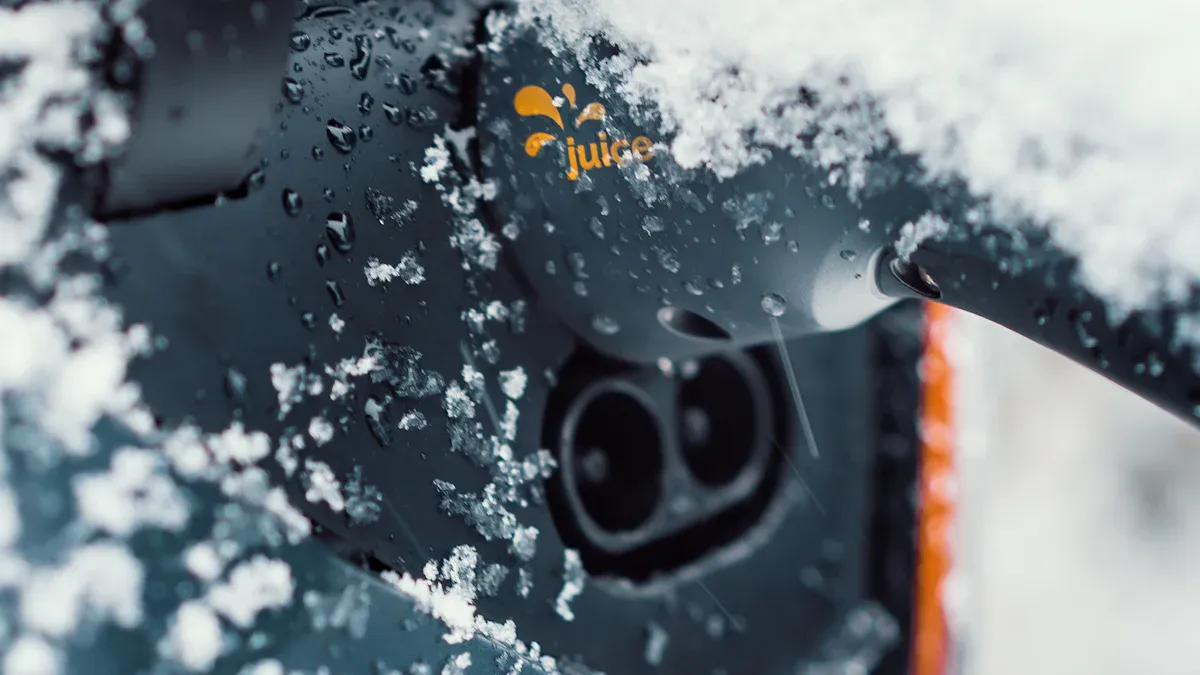
Every waterproof wall socket has an IP rating. IP means “Ingress Protection.” This rating shows how well the socket keeps out dust and water. The first number tells you about dust protection. The second number tells you about water protection.
Here is a table that shows common IP ratings for wall sockets:
| IP Rating | Dust Protection | Water Protection |
|---|---|---|
| IP54 | Stops some dust; blocks water splashes | Good for indoor places with some moisture |
| IP65 | Blocks all dust | Handles water jets; good for outside use |
| IP67 | Keeps out all dust | Can go under water for 30 minutes |
When the numbers go up, the protection gets better. For example, IP65 blocks all dust and can handle water jets. IP67 can even go under water for a short time.
Experts test these ratings using special tools. They use dust chambers and water jets to check the sockets. For IP67, they put the socket under water for 30 minutes.
You might see IP66 on some sockets. IP65 and IP66 both block all dust. The difference is in water protection. IP65 handles low-pressure water jets. IP66 can handle stronger water jets. Here is a quick look:
| Feature | IP65 | IP66 |
|---|---|---|
| Dust Protection | Blocks all dust | Blocks all dust |
| Water Protection | Handles water jets from any direction | Handles strong water jets |
🛡️ Note: Always check the IP rating before you install a waterproof wall socket. The right rating keeps your space safe from dust and water.
Safety Impact
Picking the right IP rating does more than keep the socket working. It also keeps you safe. Higher IP ratings mean better protection in tough places. Outdoor areas, bathrooms, and kitchens have lots of water and dust. You need a socket that can handle these places.
- The IP rating system helps you know how much protection you get.
- Higher IP ratings, like IP65 or IP67, lower the risk of shock or fire.
- Places like factories, docks, or coastal areas need strong protection. These places may have heavy rain, strong water jets, or lots of dust.
Here is a table that shows which IP ratings fit different places:
| Environment Type | Required IP Rating | Description |
|---|---|---|
| Outdoor Use | IP68 | Best for outside to keep out water and dust. |
| Marine Environments | IP65 or higher | Good for places with water jets and some submersion. |
| Dusty & Wet Environments | IP55 – IP68 | Needed for places with dust and water jets, like washdowns. |
You can find waterproof wall sockets with high IP ratings in wind farms, solar farms, and factories. These sockets help stop electrical problems, shocks, and fires. Many sockets also have safety marks, like UL or ETL. These marks show the socket passed tough safety tests.
⚠️ Tip: In hard places, always pick a socket with a higher IP rating. This helps keep people and equipment safe.
Application Scenarios
Outdoor Use
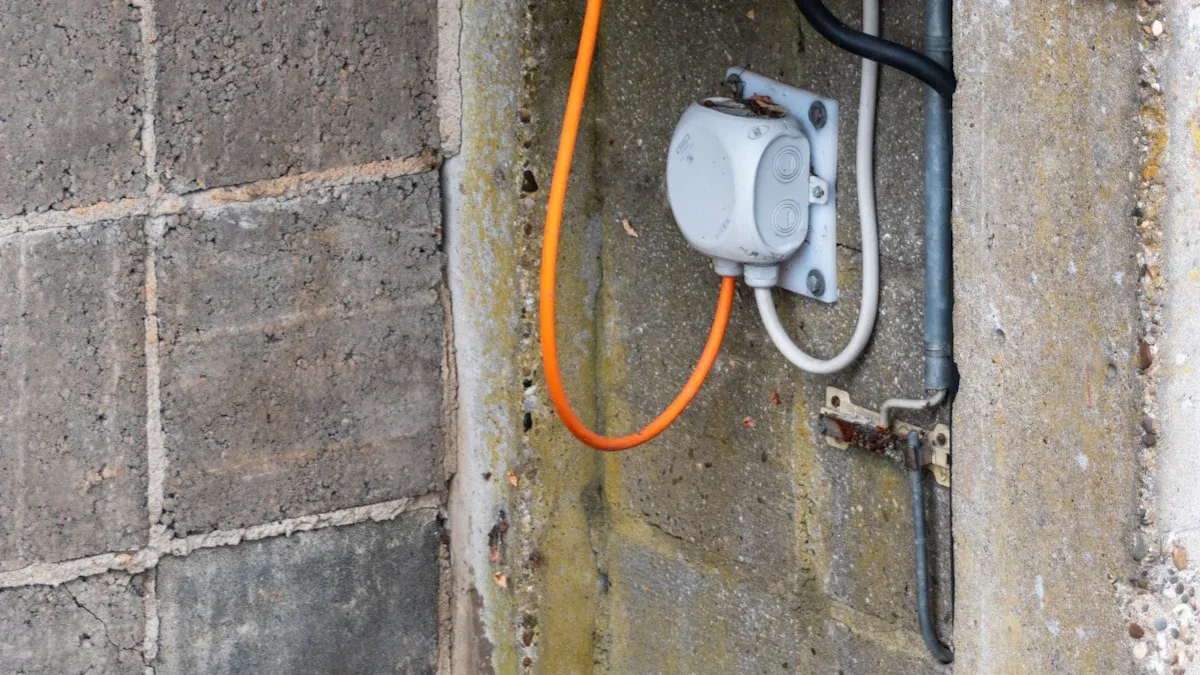
You need a waterproof wall socket outside. These sockets power garden lights and patio heaters. They also work for outdoor kitchens and swimming pools. Water splashes happen a lot in these places. Weatherproof sockets last longer because they block rain and humidity. They also handle hot and cold weather. Makers test these sockets for heat and water. This makes sure they work in hard weather. Strong materials and IP65 or higher ratings stop rust and electrical problems.
| Setting Type | Application Scenario |
|---|---|
| Residential Settings | Used in balconies and gardens for devices and lights. |
| Event Installations | Connectors for loudspeakers, lighting equipment, and booths at outdoor events. |
| Gardening and Landscaping | Powers equipment like lawn mowers and lighting systems in areas exposed to rain or snow. |
| Commercial Establishments | Used for outdoor floodlights and machines in shops, restaurants, and cafes, especially in open areas. |
🌧️ Tip: Pick a waterproof wall socket with a high IP rating for outside. This keeps your devices safe from rain and dust.
Bathrooms
Bathrooms are wet and have lots of water splashes. You need a waterproof wall socket to stop shocks and short circuits. Regular sockets can be risky because of water and old wires. You should only put sockets in safe spots. Zone 2 lets you use normal sockets, but you need at least an IPX4 rating. This protects against splashing water. Always get a certified electrician and follow safety rules.
- Wet air and water drops can hurt electrical parts.
- Water on outlets makes danger spots.
- Using appliances near water can cause shocks.
- No proper grounding can make things unsafe.
🚿 Note: Always use a waterproof wall socket in bathrooms to keep your family safe from electrical dangers.
Kitchens
Kitchens have sinks, dishwashers, and cooking tools. Water and steam can get to outlets. You should use GFCI outlets in wet spots. Waterproof covers keep sockets dry. Check often for leaks near outlets. You can hire an electrician to install them right and stop loose sockets.
- Pick GFCI outlets to stay safe from water.
- Cover outlets with waterproof covers.
- Check for leaks near outlets.
- GFCI outlets turn off power if they sense water.
- Waterproof covers stop water from getting in.
- Get a pro electrician for safe installation.
🍳 Alert: A waterproof wall socket in the kitchen lowers shock risk and keeps your appliances safe.
Industrial Settings
Factories and workshops have dust, water jets, and sometimes dangerous stuff. You need waterproof wall sockets with high IP ratings like IP65, IP66, IP67, or IP68. These ratings block dust, strong water jets, and even being under water. In risky places, waterproof sockets stop sparks that could start fires. Their tough build and safety marks lower the chance of explosions and keep workers safe.
| IP Rating | Description |
|---|---|
| IP65 | Dust-tight and protected against low-pressure water jets |
| IP66 | Dust-tight and protected against strong jets of water |
| IP67 | Dust-tight and protected against temporary immersion in water |
| IP68 | Dust-tight and protected against complete immersion in water |
- Use waterproof wall sockets for machines and outside areas.
- Places with water jets need higher IP ratings.
🏭 Tip: In places with fire or explosion risks, always pick waterproof wall sockets with the best protection to keep people and equipment safe.
Choosing the Right Waterproof Wall Socket
Matching IP Ratings
You need to match the IP rating of your socket to the environment where you plan to use it. Manufacturers recommend different IP ratings for different places. For example:
- Use low IP ratings, like IP44, for indoor spaces with little dust or water.
- Choose ratings between IP44 and IP65 for indoor areas that might get wet, such as laundry rooms.
- Pick high IP ratings, like IP65 or above, for outdoor spaces or places with lots of water splashes.
- Bathrooms and swimming pools need sockets with high IP protection to keep you safe.
- Factories or workshops with dust and water splashes also require high IP ratings.
If you use the wrong IP rating, your socket may not protect you from water or dust. This can lead to damage or even accidents. Always check the IP rating before you buy or install a socket.
🛡️ Tip: The right IP rating keeps your socket working longer and helps prevent electrical hazards.
Selection Tips
When you choose a waterproof wall socket, you should look at more than just the IP rating. Here are some important criteria to consider:
| Criteria | Description |
|---|---|
| Safety Features | Protects you from electric shock and moisture, especially in wet areas. |
| IP Ratings | Shows how well the socket blocks dust and water. Higher numbers mean better protection. |
| Installation Types | You can pick surface-mounted or flush-mounted sockets based on your needs and style. |
| Material Considerations | Good gaskets and plastics last longer and keep you safer in wet places. |
| Aesthetic Values | Sockets come in many colors and designs to match your room or building. |
You should also avoid common mistakes when picking and installing sockets:
- Many people misunderstand IP ratings and use the wrong socket for the environment.
- Some use poor installation methods, like not sealing connectors or using the wrong tools.
- Lack of knowledge during installation can make the socket less waterproof.
⚠️ Alert: Always read the instructions and, if needed, ask a professional for help. This helps you avoid mistakes and keeps your space safe.
A waterproof wall socket gives you peace of mind in wet or dusty places. Make sure you choose the right one for your needs.
Safety and Maintenance
Installation
You must be careful when you install waterproof wall sockets. This keeps your home safe from harm. Good installation stops electric shock and fires. Always use weatherproof covers to keep water out. Follow safety rules for outdoor electrical work. This lowers the chance of accidents. Here are some important safety steps:
- Install the socket the right way to stay safe.
- Use a weatherproof cover to block water.
- Follow all safety codes for outdoor sockets.
⚡ Tip: If you are not sure how to install a socket, ask a licensed electrician for help.
Inspection
Check your waterproof wall sockets often. Water can get inside even with covers. Small drops of water can cause rust or short circuits. Humidity and dust in garages or basements can hurt the socket. This may cause power problems or make the socket stop working. Regular checks help you find problems early. Look for rust, loose wires, or changes in how the socket works. Use weather-resistant or GFCI outlets in wet places. These steps help stop fire or shock dangers.
🕵️ Note: Check your sockets every few months, especially after storms or heavy use.
Replacement
Sometimes you need to change a waterproof wall socket. Watch for signs like sparks, buzzing sounds, or if the socket feels hot. Follow these steps to replace it safely:
- See if the outlet needs to be replaced.
- Get tools: flat-head screwdriver, Phillips-head screwdriver, needle-nose pliers, and wire cutters.
- Turn off power at the circuit breaker.
- Take off the old outlet by unscrewing the cover plate and loosening the outlet.
- Check the wires for rust and clean them if needed.
- Connect the new outlet, making sure each wire is in the right spot.
- Tighten the new outlet and put the cover back on.
- Turn the power back on and test the outlet.
🛠️ Alert: Always check that the power is off before you start any replacement work.
Picking the right waterproof wall socket keeps you safe. It also helps your devices work well. You should match the socket’s IP rating to where you use it. This protects your home from water and dust. Check your sockets often and install them the right way. This helps stop problems before they start. The table below shows how outdoor waterproof sockets handle hard weather:
| Feature | Outdoor Waterproof Sockets |
|---|---|
| Durability | Stand up to tough weather |
| Fire Resistance | Stop water from getting inside |
Here are some steps to help you choose a good socket: First, look at the weather and how wet your area is. Next, check if the socket works with your devices. Then, pick a socket that is easy to put in and take care of.
Safety rules and certifications help make sure your sockets are safe. If you are not sure, read the product guide or ask an expert for help.
FAQ
What does the IP rating mean on a waterproof wall socket?
The IP rating shows how well your socket blocks dust and water. The first number is for dust. The second number is for water. Higher numbers mean better protection.
Can you install a waterproof wall socket by yourself?
You can install it if you know how to work with electricity. Always turn off the power first. If you feel unsure, ask a licensed electrician for help.
How often should you check your waterproof wall sockets?
Check your sockets every few months. Look for rust, cracks, or loose parts. After heavy rain or storms, check them again to make sure they still work well.
Are waterproof wall sockets safe for all appliances?
Most waterproof wall sockets work with common home devices. Always check the socket’s voltage and current ratings. Make sure your appliance matches these numbers.
What should you do if water gets inside the socket?
⚠️ Alert: Turn off the power right away. Do not touch the socket. Call a professional to check and fix it. This keeps you safe from electric shock.
See also
Circuit Breaker Requirements in High Dust Environments
What is a waterproof outdoor distribution box
Analysis of Waterproof Capability of Solar Inverter
How to Identify the Most Suitable Wall Socket for Your Space
What is the Right Socket for Your Home, 15 Ampere or 20 Ampere