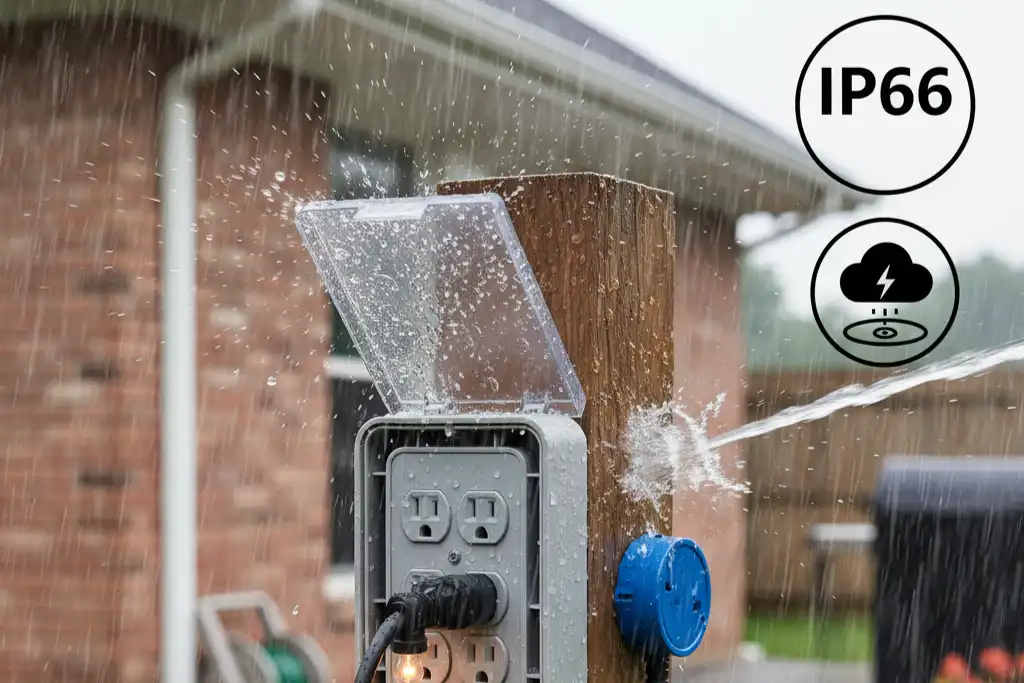
To ensure safety, it’s essential to choose the right IP rating of outdoor sockets. For most outdoor locations, an IP66 rating is ideal. The minimum rating you should consider is IP44. When installing sockets in gardens or on balconies, it’s important to match the IP rating of outdoor sockets to the specific environment. In cases of heavy rain, selecting the appropriate rating is crucial. Refer to the table below to determine the suitable IP rating for each environment:
| Environment Type | Recommended IP Rating |
|---|---|
| General outdoor use (gardens, balconies) | IP44 or higher |
| Heavy rain exposure | IP55 or higher |
| Industrial washdown areas | IP65 to IP66 |
| Submersible or flood-prone areas | IP67 or IP68 |
Many individuals mistakenly believe that high IP ratings mean that outdoor sockets are completely waterproof and require no maintenance. Here are some common misconceptions to be aware of:
- IP65 is not fully waterproof.
- Dust can still enter at IP65.
- Regular maintenance is still necessary.
- Not all high-IP sockets are suitable for every location.
- Higher ratings come at a greater cost and may not always be necessary.
Key Takeaways
- Pick an outdoor socket with at least IP44 for most uses. If you live where it rains a lot, choose IP66 for better safety.
- Know the difference between weatherproof and waterproof sockets. Weatherproof sockets keep out rain and dust. Waterproof sockets can be under water for a short time.
- Check outdoor sockets often for damage or rust. Taking care of them keeps you safe and helps them last longer.
- Do not believe wrong ideas about IP ratings. A higher rating does not mean you never need to check or fix it. Not every high-rated socket works in all places.
- Ask a licensed electrician to install sockets, especially in wet or flood areas. They make sure everything follows local safety rules.
IP Rating of Outdoor Sockets
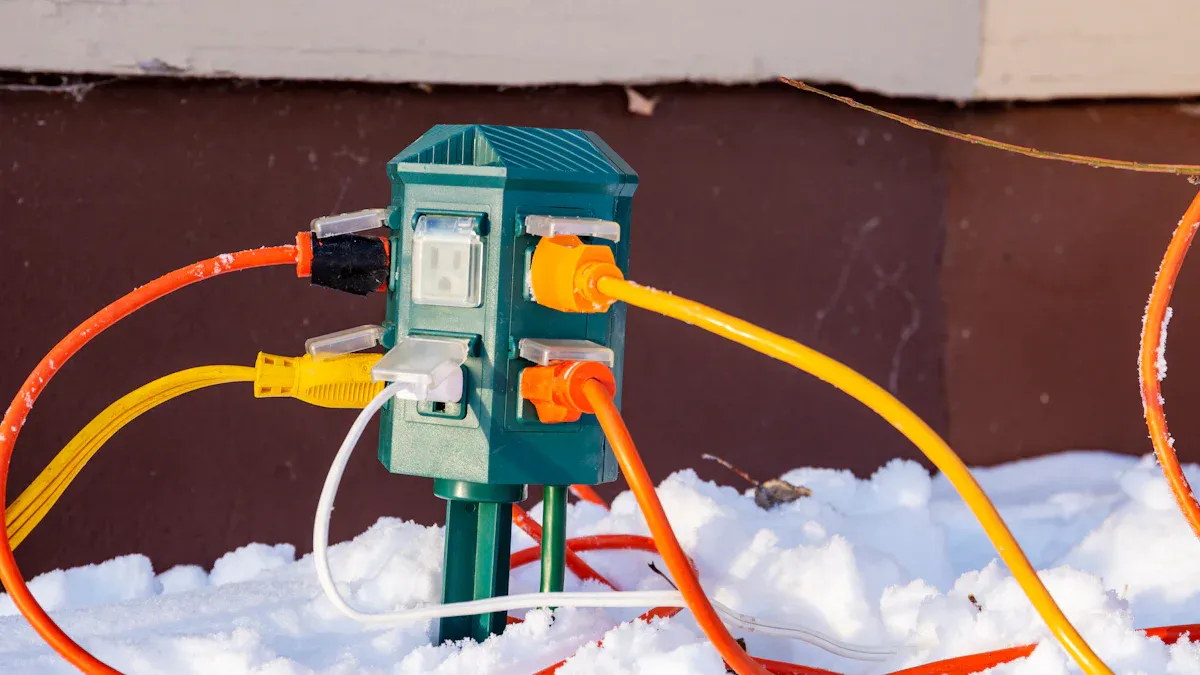
What Is an IP Rating?
When picking an outdoor socket, you should know about IP ratings. The IP rating shows how well a socket keeps out dust and water. This is important because outdoor sockets face rain and dirt. Weather can change quickly outside. If a socket has a low rating, water or dust might get inside. This can cause problems.
The international standard IEC 60529 sets the rules for IP codes. These codes show how much protection enclosures give.
IP ratings matter more for outdoor sockets than indoor ones:
- Outdoor sockets must handle weather and dust.
- Without good protection, water and dirt can break sockets.
- You need at least IP56 for watertight protection, even when jet-washing.
Always check the IP rating before buying or installing outdoor sockets. This helps them last longer and stay safe.
IP Code Explained
The IP code has two numbers. These numbers show how much protection the socket gives. Each number means something different.
- An IP rating uses two digits.
- The first digit shows protection from solid things.
- The second digit shows protection from water.
Here is a simple table to help you understand the digits:
| Digit | Protection Type |
|---|---|
| 1st | Protection against touching dangerous parts and solid objects. |
| 2nd | Protection against water getting inside. |
Manufacturers test outdoor sockets to check their IP rating. They use special tools and follow strict rules. Here is how they test:
| Testing Aspect | Details |
|---|---|
| Standards | IEC 60529, ISO 20653 |
| Environmental Conditions | Tests use set conditions for fairness |
| Equipment Used | LISUN JL-X IP Waterproof Test Equipment |
| Post-Test Inspection | They look for water or damage after testing |
| Test Results | Sockets must pass dust and water jet tests |
| Compliance | Sockets must meet IP65 standards for tough weather |
If you see an IP code like IP66, it means the socket passed dust and water tests. This helps you choose the right socket for your outdoor area.
Common Ratings and What They Mean
IP44, IP55, IP66, IP67 Compared
Outdoor sockets have different IP ratings. Each rating tells you how much protection the socket gives. You can look at the table to see what each rating means:
| IP Rating | Dust Protection | Water Protection | Common Uses |
|---|---|---|---|
| IP44 | Objects bigger than 1mm | Stops splashing water | Outdoor lamps, garden lights |
| IP55 | Keeps out most dust | Handles light water jets | Security cameras, garden equipment |
| IP66 | Blocks all dust | Handles strong water jets | Power tools, outdoor equipment |
| IP67 | No dust gets in | Can be in water for 30 minutes | Industrial electronics |
IP44 sockets keep out small things and water splashes. IP55 sockets stop dust and weak water jets. IP66 sockets block dust and strong water jets. IP67 sockets protect from dust and short times in water.
Many outdoor sockets have weatherproof covers. Some new sockets let you control them with your phone. These features help you use outdoor power safely.
Common Use Cases
You should pick the right IP rating for your area. Here are some examples:
| IP Rating | Common Use Cases in Outdoor Environments |
|---|---|
| IP44 | Covered porches, sheltered outdoor areas |
| IP55 | Control panels, HVAC units, outdoor motors, solar battery storage, public electrical installations |
| IP66 | Open gardens, patios, places with heavy rain or cleaning |
| IP67 | Flood zones, industrial sites, outdoor electronics that need water protection |
- IP44 works well for covered places like porches.
- IP55 is good for spots with light rain and dust, like workshops.
- IP66 is best for open areas with lots of rain or cleaning.
- IP67 is needed for places where sockets might go underwater, like near pools.
Minimum vs. Best Rating
You should know the lowest and best IP rating for outdoor sockets. The table shows what each code means:
| IP Rating | Description |
|---|---|
| IPX3 | Good for partly covered areas |
| IPX4 | Lowest for open outdoor spaces |
| IPX5 | Needed for equipment cleaned with water jets |
Most outdoor sockets need at least IP44. If you use sockets in open or rainy places, you need IP55 or IP66. If you put sockets in flood areas, IP67 is best.
Tip: Always check the IP rating before you buy outdoor sockets. This helps you get the right protection.
When Do You Need a Higher IP Rating?
Sometimes you need a higher IP rating:
- IP66 is for gardens, patios, or places with strong water jets.
- IP67 is for flood zones or places where sockets might go underwater.
Sockets with higher IP ratings cost more money. The chart below shows how prices change for different ratings:
IP66 and IP67 sockets cost more than IP44 or IP55. Pick the rating that fits your needs. You do not need the highest rating for every place.
Outdoor sockets with high IP ratings last longer and keep you safe. You can find sockets with smart controls and strong covers. These new features make outdoor power easier to use.
Weatherproof vs Waterproof
Key Differences
When picking outdoor sockets, you see “weatherproof” and “waterproof.” These words look alike but mean different things. Weatherproof sockets keep out rain, dust, and splashes. Waterproof sockets give stronger protection. They can handle heavy rain or short times under water.
The IP code shows the difference. The table below explains what each IP rating means:
| IP Rating | First Digit (Solid Protection) | Second Digit (Liquid Protection) |
|---|---|---|
| IP65 | Dust-tight | Protected against water jets |
| IP66 | Dust-tight | Protected against strong rain |
| IP67 | Dust-tight | Protected against temporary submersion |
Weatherproof sockets like IP65 or IP66 block dust and rain. Waterproof sockets like IP67 stop water even if the socket goes under water for a short time.
Wet places can cause problems with electrical setups. The system may trip when it rains or when there is moisture outside.
Here are some things to remember:
- Weatherproof sockets might not stop water during heavy rain or snow.
- Waterproof sockets handle tough weather and block water better.
- Many people mix up “water-repellent” and “water-resistant.” Water-repellent does not have a set rule.
What’s Needed Outdoors
Think about your area before choosing a socket. Outside, there is rain, dust, and sometimes snow. Waterproof covers help protect outlets from rain and wetness. Look for sockets made from materials that resist weather and rust. Strong sockets last longer outside.
If you use sockets near gardens, pools, or patios, pick one with an IP rating above IP55. This protects against water getting inside.
Common reasons outdoor sockets fail include:
- Moisture can cause rust or short circuits.
- Humidity and dust can hurt electrical parts.
- Broken or burnt wires show problems.
- Using sensitive devices in sockets without good protection can cause power issues.
- Short circuits and open parts can start fires.
Choosing the right protection keeps outdoor power safe and working well. Always check the IP rating and make sure it fits your needs.
Choosing and Installing Safely
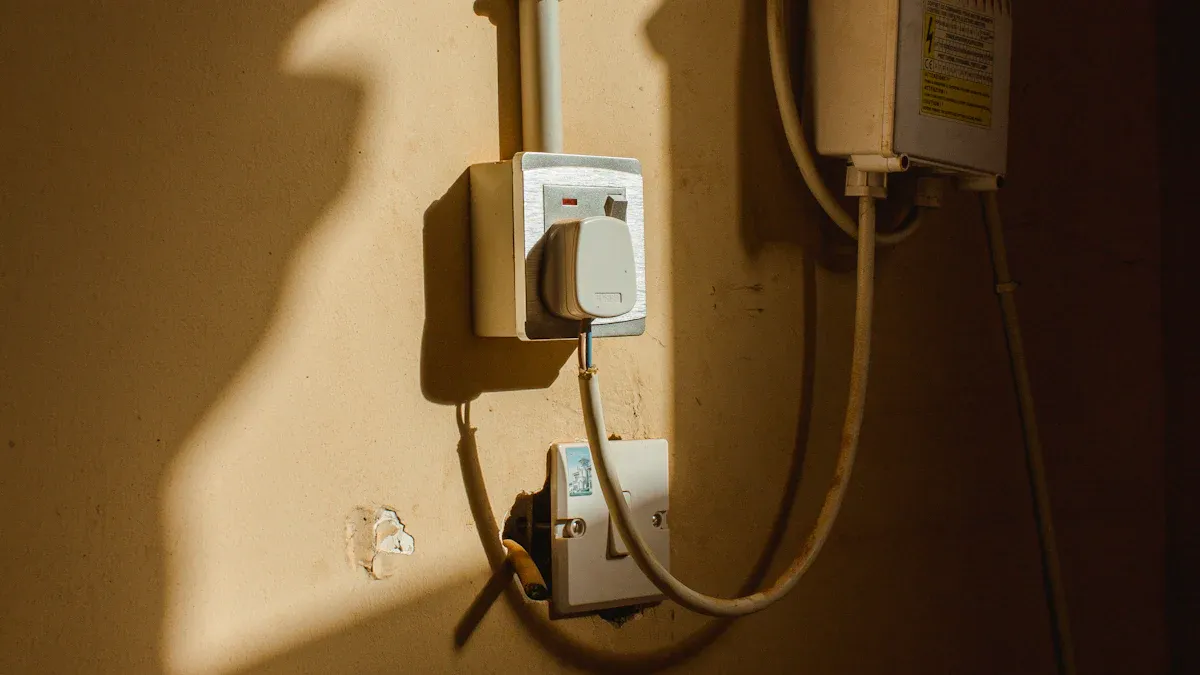
Selection Tips
When picking an outdoor socket, think about a few things. The IP rating you need depends on where you put the socket. It also depends on how much rain or dust it will get. Use the table below to help you choose:
| Criteria | Description |
|---|---|
| Installation Location | If the spot is open, you need a higher IP rating. Think about bad weather too. |
| Expected Lifespan | Sockets with higher ratings last longer in tough places. They need less fixing. |
| Seasonal Variations | Sockets must handle all kinds of weather. This changes how much water and dust they block. |
| Maintenance Access | Hard-to-reach spots need sockets with higher IP ratings. This means you won’t replace them often. |
Always check if the socket is made for outdoor use. Look for covers that keep out rain and snow. Good insulation helps too. If the place gets lots of rain or dust, pick a socket with a higher IP rating. For places that are hard to reach, choose sockets that last longer and need less fixing.
How you install the socket is important. Mistakes can make even the best socket unsafe. Here is a table that shows common mistakes and how to stop them:
| Mistake | Why It’s a Problem | How to Avoid |
|---|---|---|
| Ignoring IP Rating | The box might not keep out rain or dust. This causes trouble. | Always pick a box with the right IP rating. |
| Improper Grounding | You could get an electric shock. | Make sure the socket is grounded right. |
| Incorrect Wiring | The socket might not work or could catch fire. | Follow the directions and check all wires. |
| Poor Mounting | The box could fall or let water in. | Use the right screws and brackets. |
| Skipping Sealants | Water or dust can get inside. | Put waterproof sealant around every opening. |
| Overloading the Box | The box could get too hot and break. | Add up the power you need and pick the right size. |
| DIY Without Knowledge | You could make it unsafe. | Get a licensed electrician for hard jobs. |
Tip: Always use GFCI protection for outdoor sockets. This helps stop electric shocks.
When to Call an Electrician
Call a licensed electrician for outdoor sockets if:
- You need to follow local safety rules.
- You want sockets in shops or factories.
- You use weatherproof sockets with high IP ratings.
- You do not know much about electrical work.
- You need sockets in wet or flood-prone places.
Electricians know the rules in your country. Many places need RCD or GFCI for outdoor sockets. Here are some rules in the table below:
| Country | Regulation Details |
|---|---|
| Australia | RCDs are needed on power circuits since 1991. |
| Austria | RCDs are needed in homes since 1980. |
| Belgium | 300 mA RCD for all circuits; 30 mA RCD for wet rooms. |
| Brazil | RCDs and grounding are needed for outdoor and wet places. |
| Denmark | 30 mA RCDs are needed on circuits under 20 A. |
| France | RCDs not over 100 to 300 mA are needed; 30 mA RCD for sockets in wet places. |
If you follow these tips, your outdoor sockets will be safe and last a long time. 😊
You should choose an IP66-rated socket for most outdoor spaces. This rating gives you complete protection from dust and strong water jets. Your electrical devices stay safe and work well, even in harsh weather. Always check the IP rating of outdoor sockets before you buy or install them. If you feel unsure, ask a qualified electrician for help. The right choice keeps your outdoor power safe and reliable for years.
FAQ
What does IP66 mean for outdoor sockets?
IP66 means your socket blocks all dust and protects against strong water jets. You can use it in open areas with heavy rain. This rating keeps your electrical devices safe outdoors.
What happens if you use a socket with a low IP rating outside?
A low IP rating lets water or dust get inside. This can damage the socket or cause electrical problems. You risk short circuits or even fire. Always choose the right IP rating for safety.
What is the difference between weatherproof and waterproof sockets?
Weatherproof sockets protect against rain and dust. Waterproof sockets give stronger protection and can handle short periods underwater. You need waterproof sockets for areas with heavy rain or flooding.
What should you check before buying an outdoor socket?
Check the IP rating first. Make sure the socket matches your outdoor environment. Look for strong covers and good insulation. You should also check if the socket meets local safety rules.
What maintenance do outdoor sockets need?
You should inspect outdoor sockets regularly. Clean away dirt and check for signs of rust or damage. Replace broken covers right away. Regular checks help your sockets last longer and stay safe.
See also
Waterproof Wall Sockets: Application Scenarios and Protection Level
Can surge protectors be installed outdoors
Why does my circuit breaker trip when it rains?
What is a waterproof outdoor distribution box
Circuit Breaker Requirements in High Dust Environments
