
A surge protection device for solar panels can quickly stop lightning damage by moving dangerous voltage away from your system. Lightning strikes can ruin costly equipment very fast. You want your solar panels to last long and work safely each day. When you use the right protection, you keep your investment safe and your power steady. Act now to avoid sudden and expensive repairs.
Key Takeaways
- Lightning can hurt solar panels and parts even without hitting them. This can lead to expensive repairs. Surge protection devices move dangerous voltage away fast. They help keep your solar panels and equipment safe. You need both AC and DC surge protection devices. This will fully protect your solar power system. Use different surge protection devices in layers. This gives the best protection from lightning surges. Install surge protection devices the right way. Check them often to keep your solar system safe and working longer.
Lightning Risks
Damage to Solar Panels
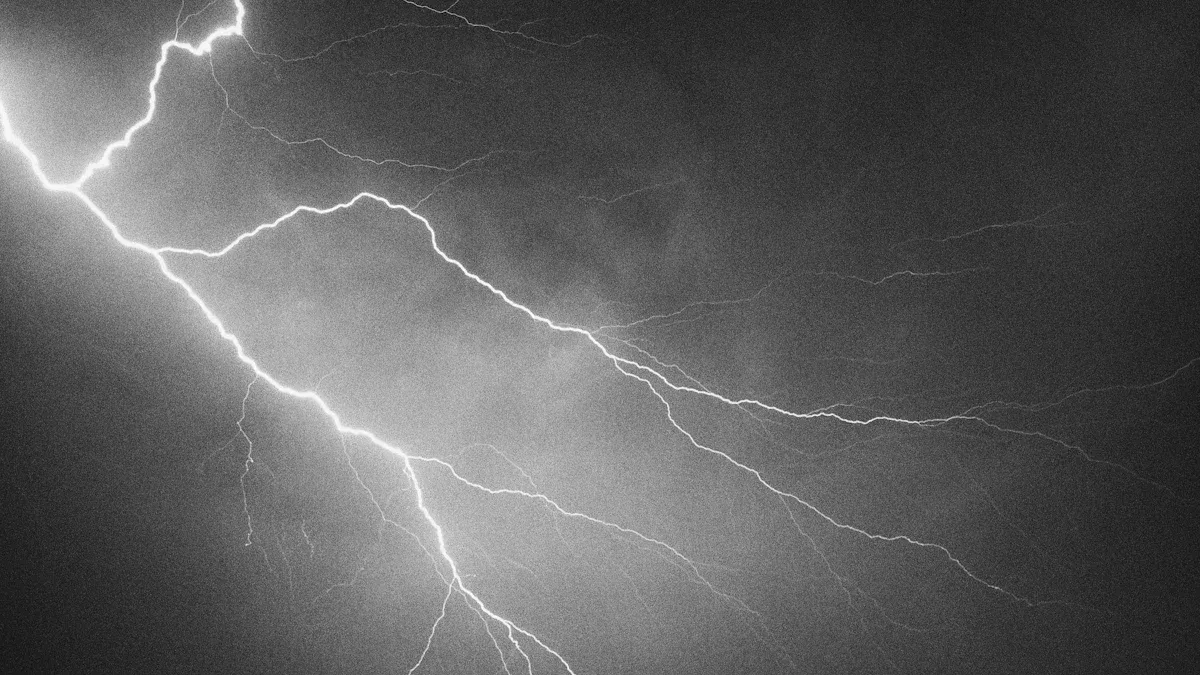
Lightning is a big danger for your solar panels. After a storm, you may not see cracks or burns. But damage can still happen inside the junction box. The box might get bigger or look burned from heat. Fixing these problems is tough and costs a lot. Solar panels are made to last many years without opening them.
Most lightning damage does not come from a direct hit. Lightning nearby can make strong electromagnetic fields. These fields push high voltages into your solar system’s wires. Your panels may look fine, but inside parts can break. Bypass diodes and other small pieces can stop working. This makes your panel weaker and shortens its life.
Tip: Panels outside or on roofs have a bigger chance of lightning damage. Good protection keeps your investment safe.
Here is a quick look at how lightning affects solar panels:
| Aspect | Summary |
|---|---|
| Exposure | Outdoor panels have more risk from lightning. |
| Damage | Inside parts like bypass diodes can break. |
| Electrical Effects | High voltages from lightning hurt the panel’s strength. |
| Impact Rate | Lightning causes about 26% of solar system problems. |
Impact on System Components
Lightning can also hurt other parts of your solar system. Inverters, controllers, batteries, and wires can all get damaged. Most damage happens when lightning makes voltage surges in wires and grounding. These surges can burn wires, melt parts, or even start fires.
You should know which parts are most at risk:
- Inverters and controllers often break first from surges.
- Batteries and wires can get hurt by high voltages.
- Metal frames and mounts carry surge currents and spread damage.
- Ground potential rise can secretly harm grounded parts.
Surge protection devices help by moving extra voltage away from sensitive electronics. Good grounding, shielded cables, and smart wiring also lower the risk. Protecting every part of your system helps it work safely, even during storms.
Surge protection device for solar panels
How They Work
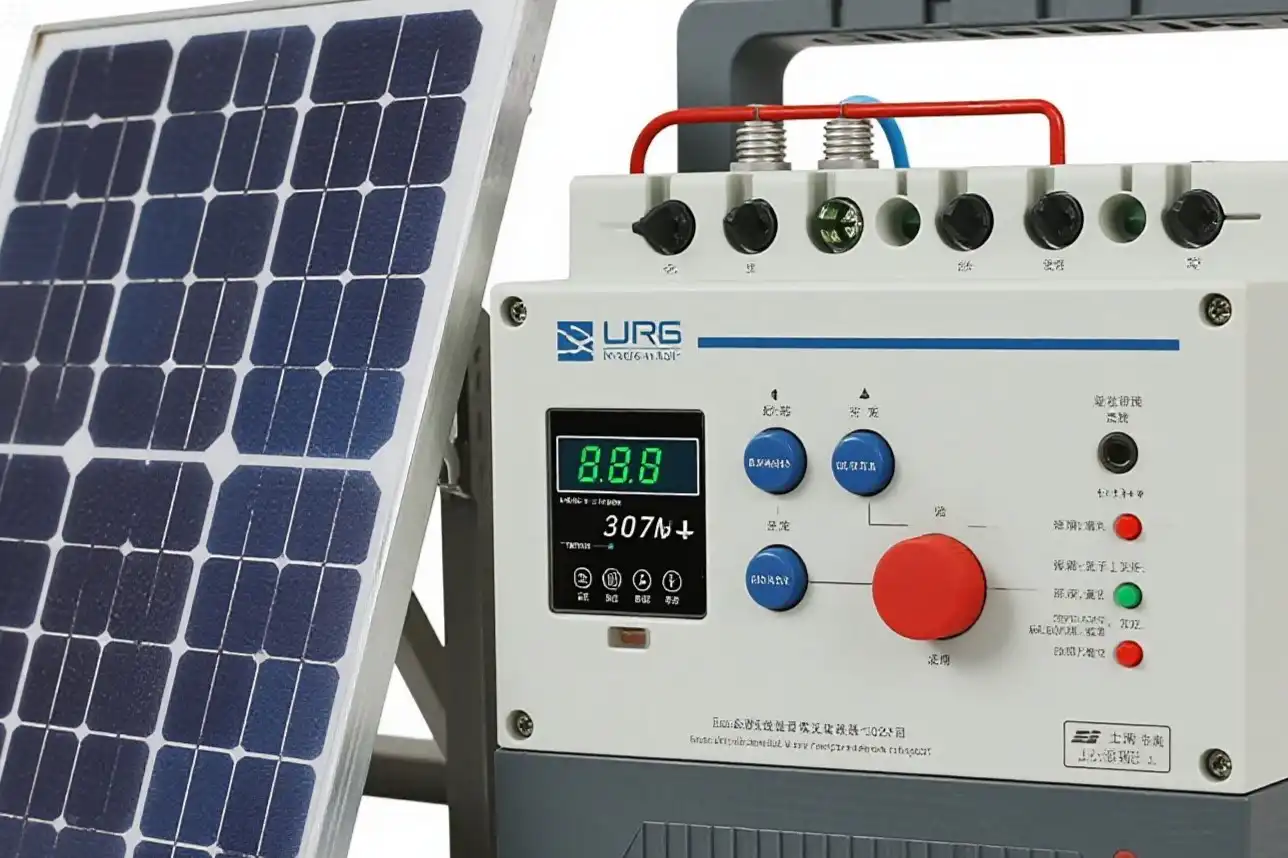
A surge protection device for solar panels acts like a shield for your solar system. When lightning strikes or a power surge happens, the device quickly notices the sudden jump in voltage. It reacts in less than a blink of an eye. The device has special parts such as metal oxide varistors (MOVs), gas discharge tubes, and diodes. These parts do nothing when things are normal. When a surge comes, they change and let the extra voltage go safely to the ground.
You protect your solar panels, inverters, and controllers by putting these devices close to your equipment. The surge protection device for solar panels keeps the voltage at a safe level. It helps your system work well and stops damage from sudden electrical problems. After the surge is gone, the device resets and gets ready for the next one.
Note: Using more than one layer of protection is best. You can put different surge protection devices in several places in your system. This stops surges before they reach important parts.
Even with good grounding, you still need a surge protection device for solar panels. Grounding alone cannot stop every high-voltage spike. Lightning can make the ground itself have a higher voltage, which can break insulation and hurt your equipment. The surge protection device lowers these spikes and sends dangerous currents away from your system.
New technology has made these devices even better. Newer models can protect against both common and rare surges. They use advanced varistors and give two kinds of protection. This means your solar panels stay safe from many types of surges, so your system works better and lasts longer.
AC and DC Protection
Solar power systems have both AC (alternating current) and DC (direct current) sides. Each side needs its own surge protection. You cannot use the same device for both because AC and DC electricity act differently.
Here is a table to help you see the main differences:
| Aspect | AC Surge Protection Devices (SPDs) | DC Surge Protection Devices (SPDs) |
|---|---|---|
| Voltage Rating | 120V to 480V, for AC systems | Up to 1500V, for DC systems like solar PV |
| Waveform | Alternating current, changes direction | Direct current, flows in one direction |
| Arc Suppression | Easier, thanks to zero-crossings | Harder, needs special design |
| MOV Requirements | Handles both positive and negative voltages | Handles steady, one-way voltage |
| Disconnection | Uses zero-crossing to stop current | Needs fast, wide separation to prevent fire |
| Application | Homes, factories, AC power grids | Solar panels, batteries, telecom DC systems |
| Compatibility | Not for DC systems | Only for DC systems |
- DC surge protection devices keep your solar panels, inverters, and batteries safe from voltage spikes on the DC side. They handle too much voltage from sudden power changes and lightning. These devices help your solar equipment last longer.
- AC surge protection devices keep your home or building safe from surges on the AC side. They stop damage from power grid problems, switching, and lightning.
You need both types in a solar system. The surge protection device for solar panels on the DC side protects your panels and inverters. The AC device keeps your appliances and building safe. Using both gives you full protection and peace of mind.
Tip: Always pick the right surge protection device for each part of your solar system. AC and DC devices are not the same.
Types and Selection
SPD Types
There are different kinds of surge protection devices for your solar system. Each kind works best in a certain place and does a special job. Look at this table to see how they are different:
| SPD Type | Installation Location | Surge Protection Focus | Discharge Capacity | Function Summary |
|---|---|---|---|---|
| Type 1 | Main service entrance | Direct lightning strikes | High | Stops damage from direct lightning; goes at the main service entrance. |
| Type 2 | Sub-panels or inverter circuits | Indirect lightning and switching surges | Medium | Handles leftover lightning energy and switching surges; installed downstream. |
| Type 3 | Near sensitive equipment (inverters) | Localized fine protection | Low | Gives extra protection for sensitive devices; installed close to the load. |
You usually need more than one kind for full safety. Type 1 blocks the biggest surges from direct lightning. Type 2 takes care of smaller surges that get past the first layer. Type 3 adds extra safety for your most delicate equipment.
Choosing the Right Device
To pick the right surge protection device for solar panels, you must think about a few key things:
- Lightning flash density: If your area has lots of lightning, you need stronger protection. More lightning means more surges can happen.
- System voltage: The device should match or be higher than your solar system’s voltage. Some solar arrays can go up to 1500 volts DC.
- Short circuit rating: The device must handle more current than your solar array can make during a short circuit.
- Voltage protection level: Pick a device with a protection level at least 20% lower than your equipment’s top voltage.
- Waveform protection: Make sure the device can handle the kind of surge waveform your system might get.
- Outdoor rating: Devices outside need to be weatherproof.
Tip: Always look for UL or IEC certifications. These marks show the device is safe and works well.
Some inverters already have surge protection built in, or you can add it later. Using the right surge protection device for solar panels saves you money by stopping costly repairs. You keep your investment safe and your system works longer.
Installation and Benefits
Where to Install
You should put surge protection devices in the right places. Start by putting a strong SPD at the main service entrance. This device protects your whole system from outside surges, like lightning. Next, add SPDs to subpanels that power important equipment. These include inverters and battery chargers. These spots catch surges before they reach key parts.
For more safety, put SPDs at outlets for critical devices. If your system has long wires, put SPDs at both ends of those wires. This helps stop voltage spikes from moving through your system. Always use SPDs made for your system’s voltage and type, AC or DC. Use these with good grounding, metal parts that are bonded, and shielded cables for better protection.
Tip: Using SPDs in layers at different places gives you the best protection from lightning and surges.
Key Advantages
A surge protection device for solar panels gives many benefits to your solar system. Here are some main advantages:
- Stops expensive damage to inverters, batteries, and other parts.
- Keeps your system working during storms, so you have less downtime.
- Makes your solar panels and electronics last longer.
- Gives steady and safe power to your home or business.
- Cuts down on repair costs by stopping frequent problems.
- Protects your data by keeping communication and monitoring lines safe.
- Helps you avoid warranty problems and legal trouble from surge damage.
You can use layers for even more safety. The table below shows how to build strong protection for off-grid systems:
| Protection Layer | Component | Purpose |
|---|---|---|
| First Layer | Type 1 SPD at service entrance | Handles direct lightning impacts |
| Second Layer | Type 2 SPD at DC combiner & AC distribution | Manages leftover and induced surges |
| Third Layer | Inverter internal protection | Stops minor surges that get through |
Add good grounding, DC-rated breakers, and fuses to this plan. This setup gives your solar system strong and reliable protection. It also helps your system last longer.
A surge protection device for solar panels helps stop lightning and surges fast. It keeps your solar system safe from expensive damage. This means your solar panels work well every day. Many experts say to put SPDs in important spots and follow safety rules. If you hire a professional, you get the best setup and feel safe. Checking your system often and installing it right saves money and keeps your solar power safe.
FAQ
What does a surge protection device do for solar panels?
A surge protection device keeps your solar panels safe from sudden high voltage. It quickly moves extra electricity away from your system. This helps prevent damage from lightning or power surges.
Do I need both AC and DC surge protection?
Yes, you need both. AC surge protection guards your home’s electrical system. DC surge protection keeps your solar panels and inverters safe. Using both gives you full coverage.
How often should I check my surge protection devices?
You should check your surge protection devices at least once a year. Look for warning lights or signs of wear. Replace any device that shows damage or does not work right.
Can I install a surge protection device myself?
For safety, you should hire a licensed electrician. They know how to install the device the right way. This keeps you and your solar system safe.
Will a surge protection device affect my solar panel performance?
No, a surge protection device does not change how your solar panels work. It only acts during a surge. The rest of the time, it stays inactive and does not use power.
The following information may be of interest to you
Can lightning trip a circuit breaker
Do you need a surge protector for your solar system
What Is a Lightning Protection System and How Does It Work
How does SPD deal with strong surge voltage?
Type 1 vs Type 2 vs Type 3 Surge Protective Devices Explained