You should know the main difference between a standard switch and an rcd switch. A standard switch lets you turn electricity on or off. It also helps stop too much electricity or short circuits. An rcd switch keeps you safe from electric shocks and fires. It works by finding dangerous leaks in the electric current. This special device can save lives. It quickly turns off power if it finds a problem.
Key Takeaways
- RCD switches keep people safe by cutting power fast when they find dangerous current leaks. This helps stop electric shocks and fires.
- Standard switches and circuit breakers protect wires and devices by stopping too much current or short circuits. They do not find current leaks.
- Using both RCD switches and standard switches together gives the best safety. This protects people and electrical systems.
- RCD switches act very fast, often in less than a third of a second, to stop shocks. Standard switches are slower and only react to overloads.
- Test your RCD switches every three months. Always have a licensed electrician install or check your electrical system to stay safe.
RCD Switch Basics
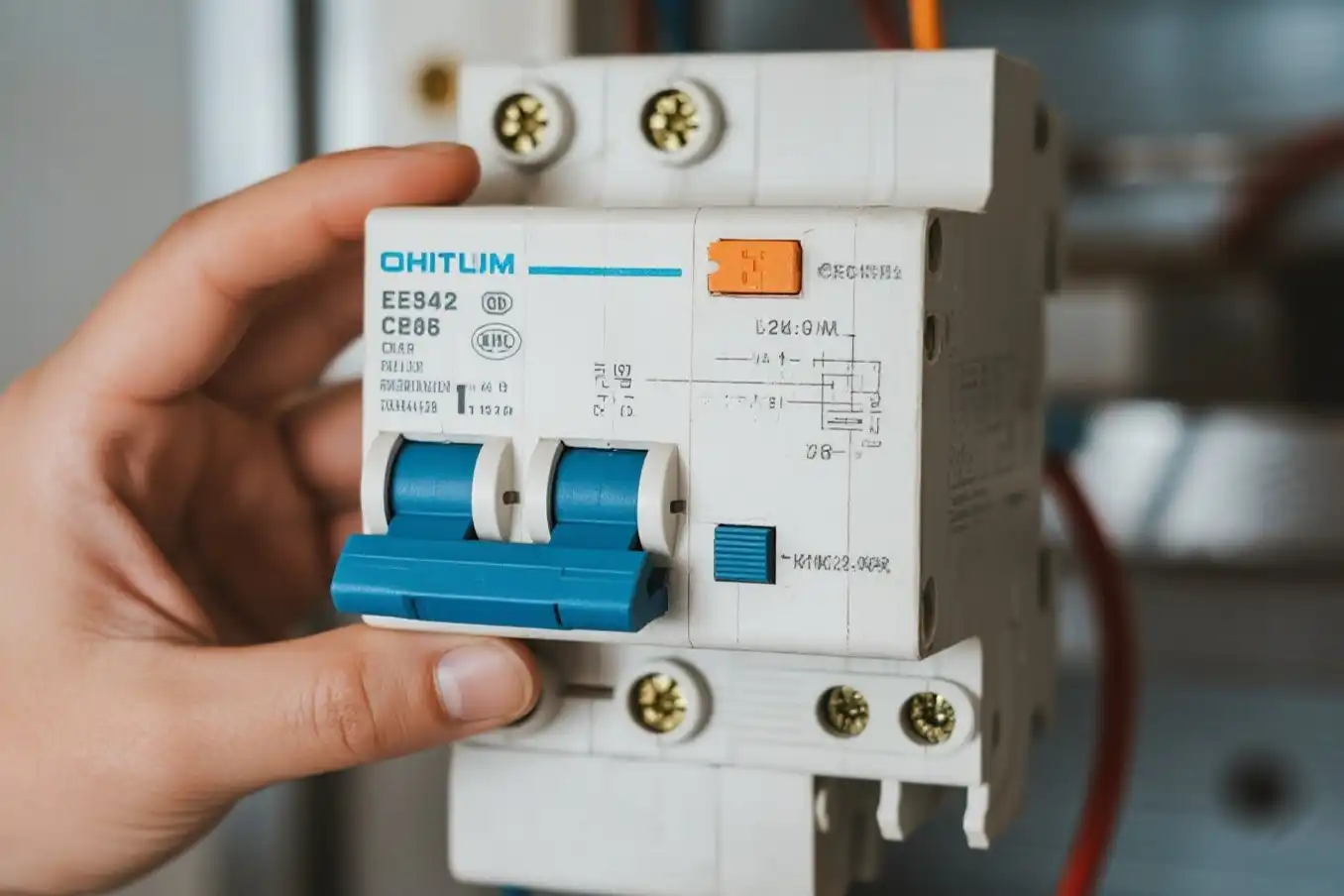
What Is an RCD Switch
You may wonder what an rcd switch does in your electrical system. An rcd switch, also called a Residual Current Device, is a safety device that protects you from electric shocks and electrical fires. According to international electrical standards like IEC 61008 and IEC 61009, rcd switches come in different types to detect various leakage currents. The main job of an rcd switch is to monitor the flow of electricity between the live and neutral wires. If it finds a difference, it acts fast to disconnect the power. This quick action helps keep you safe from harm.
Note: The British Standard BS 7671 describes an rcd switch as a device that opens its contacts when it detects a certain level of residual current. This means it can stop the flow of electricity if it senses danger.
How RCD Switches Work
You can think of an rcd switch as a smart guard for your home’s wiring. Here’s how it works:
- Both the live and neutral wires pass through a sensing coil inside the rcd switch.
- When everything works right, the current in both wires matches.
- If a fault happens, like electricity leaking to the ground, the current in the neutral wire drops.
- This creates an imbalance in the coil.
- The coil senses this change and sends a signal.
- The rcd switch then trips and cuts off the power.
- This all happens in less than a second—usually about 0.3 seconds.
This fast response helps prevent serious injuries or fires.
RCD Switch Protection
You use rcd switches in many places to keep people and property safe. They protect homes, outdoor equipment, stores, and even factories. Here is a table showing common uses:
| Scenario/Environment | How the RCD Switch Protects You |
|---|---|
| Homes | Stops fatal shocks and protects equipment from faults. |
| Outdoor Electrical Equipment | Guards against leakage currents when using tools or lights outside. |
| Commercial Places | Protects computers and other devices from dangerous faults. |
| Industrial Settings | Prevents shocks and fires, especially in wet or risky areas. |
Rcd switches have saved lives by acting quickly when insulation fails or when someone touches a live wire. They do not stop all types of electrical faults, but they offer strong protection against the most dangerous ones.
Obtain high-quality RCD at ONESTOP

Standard Switches Overview
What Is a Standard Switch
You use standard switches all the time, often without noticing. These include simple on-off switches, main switches, and circuit breakers. Their main job is to control electricity in your home or business. Main switches can turn off all the power in a building. Circuit breakers and fuses protect wires and devices from too much current.
Electrical codes, like the National Electrical Code (NEC), and international standards such as IEC 60947 and IEC 60898, describe these devices. Switchboards and switchgear hold switches and breakers. Circuit breakers come in different types, like molded-case and insulated-case. Molded-case circuit breakers have a strong plastic shell. They trip when they sense a problem. Insulated-case breakers work in bigger systems and stop faults very fast. These devices must be easy to reach and clearly marked for safety.
Tip: Always put your switches and breakers where you can reach them. Make sure they are labeled so you know what each one does.
How Standard Switches Work
Standard switches break the circuit by opening contacts inside. When you flip a switch, you connect or disconnect wires. Circuit breakers and fuses do more. They sense too much current and act to stop it.
Here is a table showing how different types of standard switches and breakers work:
| Mechanism Type | How It Works | Protection Type |
|---|---|---|
| Thermal Circuit Breaker | A metal strip bends when heated by extra current and opens the circuit after a short delay. | Overload protection |
| Magnetic Circuit Breaker | A coil creates a magnetic field that trips the breaker instantly during a short circuit. | Short-circuit protection |
| Thermomagnetic Breaker | Uses both heat and magnetism to protect against overloads and short circuits. | Both overload and short circuit |
| Fuse | A thin wire melts when current is too high, breaking the circuit. | Overload and short-circuit |
You can reset a circuit breaker after it trips. You must replace a fuse after it blows.
Standard Switch Protection
Standard switches and breakers protect you from problems like overloads and short circuits. Overloads happen when you plug in too many things. This draws more current than the wires can handle. Short circuits happen when wires touch by mistake. This causes a sudden surge of current. These problems can cause fires or damage equipment.
Note: Standard switches do not protect you from electric shocks caused by leakage currents. You need an RCD switch for that.
You find standard switches in homes, offices, factories, and stores. They keep your lights, appliances, and machines safe from harm. Every building needs these devices to meet safety rules and prevent danger.
Key Differences
Operation
RCD switches and standard switches work in different ways. An RCD switch checks if the live and neutral wires match. If it finds a difference, it shuts off the power. This helps protect you from electric shock. Standard switches, like circuit breakers, trip when there is too much current or a short circuit. They do not look for current leaks.
Here is a table to help you compare how they work:
| Feature | RCD Switch | Circuit Breaker (MCB) |
|---|---|---|
| Main Purpose | Prevents electric shocks | Prevents fires and wiring damage |
| Trigger Mechanism | Detects current leakage (imbalance) | Trips on overload or short circuit |
| Response Time | Very fast (milliseconds, 0.03–0.3s) | Slower (seconds to minutes) |
| Protection Focus | Protects people (life-saving) | Protects equipment and wiring |
| Typical Usage | Wet areas, new builds | All modern homes |
Tip: You get the best safety when you use both RCD switches and circuit breakers together.
Protection
Each device gives you a different kind of protection. Standard switches and circuit breakers keep your home safe from fires and damage. They do this by stopping too much current or short circuits. They cannot stop electric shocks from current leaks. An RCD switch protects you from electric shocks. It can sense even small leaks in the current. It can trip if it finds as little as 30 milliamps, or sometimes even less.
| Feature | Standard Switches / Circuit Breakers | RCD Switches |
|---|---|---|
| Protection Focus | Overloads, short circuits | Leakage currents (earth faults, electric shocks) |
| Unique Hazard Addressed | Fires, equipment damage | Electrocution, insulation faults |
| Fire Risk Reduction | Overload/short circuit fires | Fires from faulty wiring or insulation |
| Overcurrent Protection | Yes | No (needs breaker or fuse as backup) |
| Sensitivity | Not sensitive to leakage | High sensitivity (as low as 10-30 mA) |
Note: Only an RCD switch can protect you from shocks caused by current leaking to the ground.
Response Time
How fast a switch reacts is important for safety. RCD switches act very quickly. Most trip in 30 to 300 milliseconds. Some trip even faster, in less than 30 milliseconds. This quick action can save your life. It cuts off power before a shock can hurt you. Standard circuit breakers take longer to trip. They may take seconds or even minutes to react to overloads. But they trip almost right away during a short circuit.
| Switch Type | Average Response Time (milliseconds) |
|---|---|
| RCD Switch | 30 to 300 ms (0.03 to 0.3 seconds) |
| Instantaneous RCD | Less than 30 ms |
| Standard Circuit Breaker (MCB) | Seconds to minutes (variable) |
- RCD switches turn off power in 10 to 50 milliseconds after finding a problem.
- This fast action lowers the chance of serious injury from electric shock.
- Standard switches cannot sense current leaks, so they do not stop shock injuries.
Applications
You use RCD switches and standard switches in different places for different reasons.
- RCD switches are best where you need extra safety from electric shock. You find them in bathrooms, kitchens, outdoor outlets, and places with water. They are also used in new homes, commercial buildings, and places with sensitive equipment.
- Standard switches control lights and appliances in every home and business. You use single-pole switches for simple lights. Three-way switches are for hallways. Double-pole switches are for bigger machines. Circuit breakers protect all circuits from too much current and short circuits.
RCD switches are best for wet rooms, outdoor areas, and places that need high safety. Standard switches are used everywhere for basic control and protection.
Benefits and Limitations
RCD Switch Benefits
When you put an RCD switch in your home or business, you get many safety benefits. This device acts very fast to keep you and your things safe. The table below shows the main benefits and how they help:
| Safety Benefit | Explanation |
|---|---|
| Protection Against Electric Shock | Finds leakage currents and shuts off power to stop shocks. |
| Fire Prevention | Turns off power quickly when there is a fault, lowering fire risk. |
| Safeguarding Electrical Appliances | Stops damage to your devices from electrical problems. |
| Lowering Risk of Electrocution | Fast action lowers the chance of bad accidents. |
| Enhancing Overall Safety | Makes your electrical system safer and helps you worry less. |
| Enhanced Safety in Wet Areas | Gives extra safety in bathrooms, kitchens, and outside where water is a danger. |
| Compliance with Safety Standards | Follows building codes for safer electrical setups. |
An RCD switch can trip in just milliseconds if it finds a problem. This quick action helps stop injuries and damage to your things. Using these devices also helps you follow safety rules.
Standard Switch Benefits
Standard switches and circuit breakers give you basic and cheap protection for your electrical circuits. You use them every day to control power and keep your home safe. Here are some main benefits:
- They are simple, so they are easy to use and fix.
- They give low-cost protection for most home circuits.
- You can turn them off by hand to stay safe during repairs.
- Circuit breakers and fuses stop too much current and short circuits.
- Lockout features stop someone from turning them on by mistake during work.
- You can use them with other devices for more safety.
Standard switches are good for lights and outlets. They help you turn off circuits and protect against common electrical problems.
Limitations
No device is perfect. Both RCD switches and standard switches have some limits you should know.
- RCD switches can trip even when there is no real danger. This is called nuisance tripping. Some electronics and appliances can cause these false alarms. Some RCD switches may not work well with things like AC drives or devices that make high-frequency currents. You need to pick the right type for your needs.
- Standard switches do not protect you from electric shocks caused by current leaks. They only stop too much current and short circuits. If you use the wrong switch for your load, you could damage the contacts or even start a fire. Standard switches may not last long if you use them a lot or in tough places. They also need extra protection in wet or dangerous areas.
Tip: Always pick the right switch for your equipment and where you use it. Use both types together for the best safety.
When to Use Each
Home Use
You want your family to stay safe from electric shocks and fires. In your house, you should use an RCD switch in important places:
- Put RCD switches on outlets in bathrooms, kitchens, and laundry rooms.
- Use RCD switches for outdoor circuits, like garden lights or power tools.
- Pick extension cords with built-in RCD switches for portable gear.
- Add RCD switches to single circuits or the whole house for more safety.
RCD switches find small leaks in current and turn off power in less than 0.3 seconds. This quick action can save lives, especially where water makes shock more likely. Standard switches and circuit breakers protect wires and devices from too much current or short circuits, but they do not stop electric shocks. Some new devices, called RCBOs, give both types of protection in one. You should test your RCD switches often to make sure they work.
Tip: Test your RCD switches often to keep your home safe and your devices working right.
Business Use
At work, you need to keep workers and equipment safe. You should follow good rules when putting in RCD switches:
- Put surge protective devices before RCD switches to stop unwanted tripping.
- Use S type RCD switches in places with lots of surge currents, like factories or busy offices.
- Make sure your RCD switches meet the latest standards, like BS 7671, for the right spot and type.
- For circuits with high surge risk, use time-delayed RCD switches that can handle surges.
- Test and check all RCD switches as part of your regular safety checks.
A table can help you see where to use each device:
| Area | Recommended Device | Reason |
|---|---|---|
| Office outlets | RCD switch | Protects staff from electric shock |
| Server rooms | S type RCD or RCBO | Handles surges, protects equipment |
| Outdoor lighting | RCD switch | Prevents shock in wet conditions |
| Heavy machinery | Time-delayed RCD | Avoids nuisance tripping from surges |
Legal Requirements
Many countries now say you must use RCD switches in homes and businesses. In Australia and New Zealand, you need RCD switches on almost every circuit. The UK says you must have RCD switches in new or fixed-up homes, and in most rentals. Businesses need RCD switches on outlets, lights, and circuits in risky places like bathrooms and outside. In North America, GFCIs (like RCD switches) are needed in wet areas and for EV chargers. Electrical codes, like IEC 60364 and BS 7671, give rules for where to use RCD switches and standard switches. You must test and check RCD switches to follow the law and stay safe.
Note: Always check your local electrical codes and ask a licensed electrician to make sure your setup follows all the rules.
Why Use Both
Layered Protection
It is safest to use both an rcd switch and standard switches. Each one helps protect you in a different way. The rcd switch looks for dangerous leaks in the current. It turns off the power very fast if it finds a problem. This helps stop electric shocks and fires. Standard switches and circuit breakers protect your wires and devices from too much current. They stop fires and damage by cutting power when needed.
When you use both, you build a strong safety net. Here is what each does:
- The rcd switch keeps you safe from shocks by finding small leaks.
- Circuit breakers protect your wires and appliances from getting too hot or catching fire.
- RCBOs are special devices that give both kinds of protection in one.
- Using both types means people and things are safer.
Using both together lowers the chance of shock, fire, or broken equipment. Your electrical system is much safer for everyone.
Safety Standards
You must follow safety rules to keep your home or business safe. Most codes say you need both rcd switches and standard switches. These rules make sure every part of your building is protected the right way.
- RCD switches should protect outlets in places with water, like bathrooms and kitchens.
- Circuit breakers must protect all wires from too much current or short circuits.
- Many rules say to use more than one rcd switch. This way, if one trips, you do not lose power everywhere.
- A professional should install and check your system often to keep it safe.
Always follow your local rules and have a licensed electrician do the work. This keeps your system safe and up to date.
You now understand how an rcd switch protects you from electric shock, while standard switches guard against overloads and short circuits. For the best safety, follow these steps:
- Choose the right rcd switch for your needs and environment.
- Install rcd switches at the main panel and in key zones.
- Test your rcd switches every three months.
- Always ask a qualified electrician to handle installation and upgrades.
Using both types together keeps your home and family safe.
FAQ
What happens if you only use standard switches without RCD switches?
You risk electric shock from current leaks. Standard switches protect against overloads and short circuits. They do not sense dangerous leakage currents. You need RCD switches to protect yourself and others from electric shock.
How often should you test your RCD switches?
You should test your RCD switches every three months. Press the “Test” button on the device. If it trips, the switch works. If it does not trip, replace it right away.
Can you install RCD switches yourself?
You should not install RCD switches by yourself. Only a licensed electrician should do this work. This keeps you safe and follows local electrical codes.
Do RCD switches replace circuit breakers?
No, RCD switches do not replace circuit breakers. You need both for full protection. RCD switches protect you from electric shock. Circuit breakers protect your wiring and devices from overloads and short circuits.
The following information may be of interest to you
How to Choose the Right RCD for Your Home or Business
How to Identify and Fix RCD Tripping Issues
What Makes an RCD Trip Without Triggering the MCB
How to Prevent Shocks with RCD for Electric Vehicle Charging
What Makes Type B RCD Essential for EV Chargers?