
You should know about NEC 690.12 because it gives safety rules for solar power systems. This part of the National Electrical Code talks about finding arc and ground faults and having fast shutdown features. Fire reports show that rooftop solar fires in the U.S. went up by 69% from 2016 to 2018. This shows why these safety steps are important. The newest rules say solar arrays must shut down quickly. They must lower voltage to safe levels in 30 seconds. This helps keep emergency workers safe. Installers, makers, and owners of systems must follow NEC 690.12 to protect everyone.
| Requirement | Voltage Level | Time Frame |
|---|---|---|
| Within 1-foot boundary | 80 volts or less | 30 seconds |
| Outside 1-foot boundary | 30 volts or less | 30 seconds |
Key Takeaways
- NEC 690.12 gives safety rules for solar systems. It makes sure quick shutdown happens to keep emergency workers safe.
- Solar arrays must drop voltage to safe levels fast. They need to do this in 30 seconds during emergencies. This helps lower the risk of electric shock.
- New changes to NEC 690.12 ask for clearer labels. They also need better equipment for rapid shutdown systems.
- Most rooftop solar systems must follow NEC 690.12 rules. Some ground-mounted systems might not have to follow these rules.
- Regular checks and clear paperwork are very important. They help make sure everyone follows the rules and stays safe.
NEC 690.12 Rapid Shutdown Overview
Purpose and Safety Goals
It is important to know why NEC 690.12 exists. This rule helps keep people safe near solar power systems. The main goal is to protect first responders, like firefighters, from getting hurt by electricity during emergencies. Following this rule lowers the chance of electric shock and fire.
Here is a table that lists the main safety goals:
| Safety Objective | Description |
|---|---|
| Voltage Control | The system must lower DC circuit voltages to a safe level for first responders during emergencies. |
| Rapid Shutdown | Conductors must not have more than 80 V within 30 seconds after shutdown starts. |
Voltage control and rapid shutdown work together. These steps help make the system safe very fast if someone needs to turn it off.
Key Changes in Recent NEC Editions
The rules for NEC 690.12 change over time. The 2023 update brings new rules for homes and businesses with solar panels. These changes make the rapid shutdown system even stricter. You now have to follow better steps to keep everyone safe.
- The 2023 NEC solar code changes to Article 690.12(D) bring stricter rapid shutdown system (RSS) rules for both homes and businesses with solar panels.
- These updates help keep firefighters safe by making solar labels and system signs better.
- The changes also make inspections easier and help everyone follow the same rules.
You will see more labels and clearer signs on solar equipment. Inspectors can now check systems faster and more easily. These updates help you and emergency workers stay safe.
Applicability and Exceptions
You need to know which systems must follow NEC 690.12. Most rooftop solar systems must meet these rapid shutdown rules. Some systems do not have to follow them. Here are the main exceptions:
- Exception No. 1: Ground-mounted PV system circuits that go into buildings, where the only purpose is to hold PV system equipment, do not have to follow 690.12.
- Exception No. 2: PV equipment and circuits on nonenclosed detached structures, like parking shade structures, carports, solar trellises, and similar structures, do not have to follow 690.12.
If you put solar panels on a carport or a ground-mounted system in a special building, you might not need to follow these rapid shutdown rules. Always check the newest code to see if your system must follow the rules or not.
Compliance Steps for NEC 690.12
Required Equipment and Installation
You need special equipment to follow NEC 690.12 rules. These devices lower voltage fast in emergencies. They help keep firefighters and others safe near the solar system.
Here is a table with the main equipment types you might need:
| Equipment Type | Description |
|---|---|
| PVRSE | Photovoltaic rapid shutdown equipment, limits voltage to 80 Volts as required |
| PVHCE | Photovoltaic hazard control equipment, gives options for meeting rapid shutdown rules |
| PVHCS | Photovoltaic hazard control system, helps control shock hazards for firefighters, must be installed as listed |
You can pick from different devices to meet the code. Some popular choices are:
- DC-rated contactors
- String inverters
- Micro inverters
- Power optimizers
Tip: Always use rapid shutdown equipment that is listed and marked for this job. The rapid shutdown switch should be easy to find and have a clear label.
Follow the manufacturer’s instructions when you install these devices. The system needs a way to start rapid shutdown that matches NEC 690.12(C). This makes sure the system works right when needed.
Design and Documentation
Plan your solar system so it follows all safety rules. Good planning helps you avoid trouble later. Your system must lower voltage to 80 volts or less in 30 seconds inside a 1-foot boundary.
Keep clear records of your design and any changes. This proves your system follows the rules. Good records help if inspectors or insurance companies ask questions.
Here are some best ways to design and keep records:
| Best Practice | Description |
|---|---|
| Use readable fonts | Make sure all labels are big and easy to read. This helps emergency workers and inspectors. |
| Maintain a digital project binder | Keep all your project documents in a cloud folder. This makes sharing and finding files easy. |
| Clear documentation | Prepare and submit all needed documents. This helps you pass inspections and keeps your system safe. |
- Save records of all inspections and changes to your system.
- Store papers that show your system meets NEC 690.12.
- Use clear labels and signs on every piece of equipment.
Verification and Inspection
Check your system to make sure it works as planned. Inspectors look for certain things to see if your system meets NEC 690.12.
| Compliance Area | Key Requirements |
|---|---|
| Disconnecting Means | Must be labeled ‘PV SYSTEM DISCONNECT’ and easy to reach for quick shutoff. |
| Rapid Shutdown Systems (RSS) | Must lower voltage to 80 volts or less within 30 seconds inside the array boundary. |
| Conductor Sizing and Overcurrent Protection | Wires must be the right size for the current. Fuses and breakers must be rated for DC and sized right. |
Note: Many systems do not pass inspection because labels are missing or wrong, or the rapid shutdown does not work right.
Test the rapid shutdown system after you install it. Make sure the voltage drops to safe levels in time. Check that all labels are there and easy to read. Keep records of your tests and inspections. This shows your system is safe and follows the rules.
Impacts on PV Systems
Design and Layout Considerations
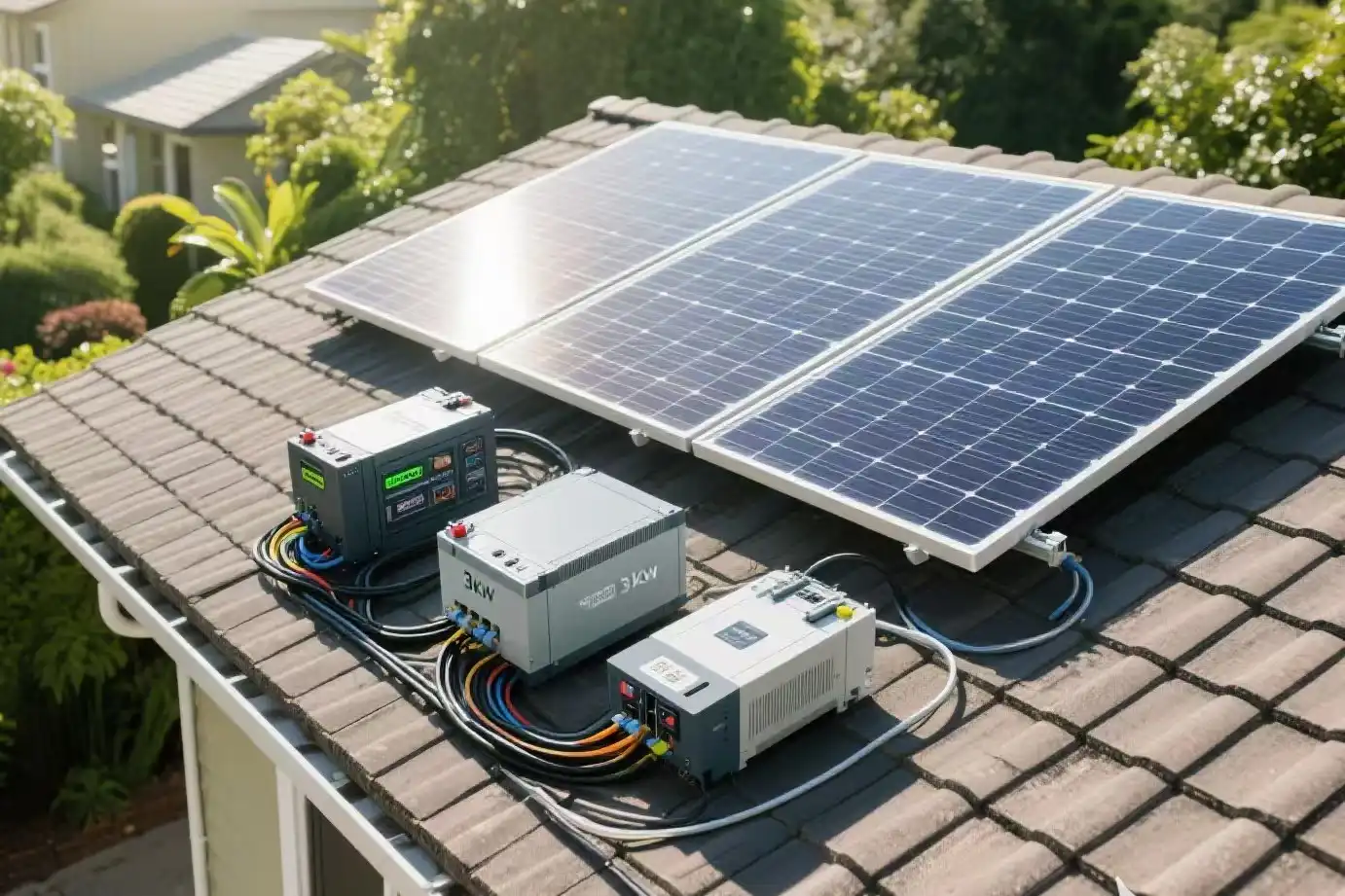
When you design a solar system, you need to think about how NEC 690.12 affects your plan. You must put parts in places that help the system shut down fast and safe. This rule makes you look at where wires, inverters, and shutdown devices go.
Here is a table that shows how these rules change your design:
| Requirement | Impact on Design |
|---|---|
| Rapid Shutdown | Makes things safer for first responders by lowering shock risks in emergencies. |
| Compliance with NEC 690.12 | Needs special planning for where parts go and how they work together. |
You can pick different ways to follow the rule. Some people use module-level shutdown. Others use string-level shutdown. Each way has good points and things to think about.
| Strategy Type | Advantages | Considerations |
|---|---|---|
| Module-level shutdown | Easy way to follow rules, safest, lets you check each module | Costs more because you need extra equipment |
| String-level shutdown | Can meet rules inside the array boundary | More steps, needs full systems that are certified |
Tip: Make your layout plan early. This helps you save money and avoid changes later.
Installation and Maintenance Effects
You will see changes when you install and take care of your system. You must add extra devices like rapid shutdown switches and clear labels. These steps make the system safer but may take more time and money.
You need to test the shutdown system after you finish putting it in. You should check labels and make sure all parts work well. Good records help you keep track of repairs and show you follow the rules.
- Installers must do what the manufacturer says.
- You should write down all tests and fixes.
- Clear labels help everyone know what to do if there is an emergency.
Safety for Responders and Owners
NEC 690.12 makes your system safer for emergency workers and owners. The rule says you need clear labels and easy-to-find shutdown switches. This helps firefighters act quickly if something goes wrong.
Here is a table that shows how safety gets better:
| Safety Improvement | Description |
|---|---|
| Clear Labeling | Needs clear labels on system parts so responders can find them fast. |
| Emergency Shutdown | Shows how to shut down the system in emergencies so first responders can act quickly. |
| Owner Information | Gives owners important facts to use and take care of the system safely. |
When you follow these rules, you help keep people and property safe. You also make sure your solar system works well for a long time.
Challenges and Solutions
Technical and Cost Issues
You might have problems when you try to follow rapid shutdown rules for solar systems. The 2023 code changes make the rules clearer for different buildings. This can make your job harder. You also need new rapid shutdown devices to keep emergency workers safe. Installers must use the newest device standards, which means more work.
Money is another big problem. The table below shows some things that cost more:
| Cost Implication | Description |
|---|---|
| Increased Hardware Costs | You need more parts, like rapid shutdown systems. |
| Labor Costs | You spend more time installing because of stricter wiring and conduit rules. |
| Overall BOS Cost | The total cost goes up compared to other standards. |
| Wiring and Conduit Requirements | You must use special wires and conduits, which cost more. |
| Rapid Shutdown Requirement | You may need module-level power electronics or new inverters. |
| Grounding and Overcurrent Protection | You need extra materials for grounding and protection. |
Tip: Make your budget early. This helps you not get surprised by costs.
Retrofitting Older Systems
Making old solar systems meet new safety rules can be hard. You need workers who know how to work with electrical systems and safety steps. Retrofitting means you must put new parts into old systems, which needs careful planning.
| Challenge Type | Description |
|---|---|
| Complexity of Installation | Skilled professionals must handle the work safely. |
| Integration with Existing Systems | You need to plan how new parts will work with old ones. |
You may also need to change wires, update labels, and swap out old inverters. Meeting new codes can mean you have to change many things.
Always check your whole system first. This helps you see what you need to fix.
Some good steps are:
- Check your system to find problems.
- Get new inverters and batteries.
- Add module-level power electronics for rapid shutdown.
- Update all labels and wires.
Best Practices for Compliance
You can do some things to help your system stay safe and follow the rules. Use hazard control systems that meet UL 3741 to keep things simple. Pick designs that use module-level power electronics to help with shading and wiring. Choose parts that work well together and are listed for the code.
- Keep good records and label everything so it is easy to see.
- Use a checklist before inspections to make sure your system meets voltage and device rules.
- Plan your wiring and conduit to save time and money.
Regular checks and clear records help you pass inspections and keep your system safe for a long time.
You keep people safe when you follow rapid shutdown rules. These rules help protect firefighters in emergencies. They also lower the risk of electric shock.
- First responders can work fast and stay safe.
- You make sure live solar wires are less dangerous.
- You help install PV systems in a safe way.
Learn about new safety codes to stay up to date. Ask local experts for advice and check your system often.
- Find your solar system early.
- Use shutdown devices before emergencies get worse.
- Get help from professionals to follow safety rules.
Keep your system safe by following new standards and learning more.
FAQ
What is rapid shutdown in solar systems?
Rapid shutdown means your solar system can lower voltage quickly during emergencies. This helps keep firefighters and others safe from electric shock.
Who needs to follow NEC 690.12 rules?
You must follow NEC 690.12 if you install rooftop solar panels. Ground-mounted systems and carports often do not need rapid shutdown.
How do you test a rapid shutdown system?
You press the shutdown switch and use a meter to check voltage. The system should drop to safe levels within 30 seconds.
Why do labels matter for rapid shutdown?
Labels help emergency workers find shutdown switches fast. Clear labels make your system safer and easier to inspect.
Can you upgrade older solar systems to meet NEC 690.12?
Yes, you can add new shutdown devices and update labels. You may need help from a professional to make sure your system meets the latest code.
See also
How to Quickly Estimate Custom Electrical Control Panel Costs
What happens when using circuit breakers with higher current?
How to choose the appropriate size of circuit breaker
Circuit Breaker Selection for Hospital Power Supply Systems
Essential power distribution equipment for shipbuilding industry
