

You must know the amperage and voltage of your refrigerator. This helps you find the right circuit breaker specifications. Picking the correct size keeps your house safe. Using the wrong breaker can cause overloads. It can also trip breakers or start a fire.
- Always look at the appliance label for information.
- Use the right formula to figure out your load.
- Never guess the breaker size.
Key Takeaways
- Always look at the refrigerator’s nameplate for amperage and voltage. This is very important when picking the right circuit breaker.
- Use the formula ‘Amps x Volts = Watts’ to find out how much energy your refrigerator uses. This helps you make sure your circuit can handle the load.
- Think about both running and startup loads. The startup load can be two or three times higher than the running load. Pick a breaker that can handle this extra surge.
- Follow the 125% NEC rule for continuous loads. This makes sure your circuit breaker can handle what the refrigerator needs without turning off.
- You should use a dedicated circuit for your refrigerator. This stops overloads and keeps your appliance safe.
Electrical Specs
Find Amperage and Voltage
Before picking a circuit breaker, you need to know your refrigerator’s voltage and amperage. Most home refrigerators in the U.S. use 120 volts. The amperage is usually between 3 and 5 amps. You can find these numbers on the fridge’s label or in the manual. Refrigerators are made to work safely with these numbers.
Here is a table that shows usual ratings for home refrigerators:
| Voltage (Volts) | Amperage (Amps) | Circuit Requirement (Amps) |
|---|---|---|
| 120 | 3 to 5 | 15 to 20 |
You should pick a circuit breaker that matches these ratings. Many brands say to use a dedicated circuit for your refrigerator. This stops overloads and helps your fridge work well. Here are some common suggestions:
| Recommendation Type | Details |
|---|---|
| Dedicated Circuit | Brands often say to use a dedicated circuit for refrigerators. This helps them work right and keeps you safe. |
| Circuit Size | A 15 amp circuit is usually enough, but some say a 20 amp circuit is better for more safety. |
| NEC Compliance | The NEC does not always require a dedicated circuit for every refrigerator, but you should follow what the brand says. |
Read the Nameplate
You can find the electrical specs on the nameplate. The nameplate is inside the fridge or on the back. It shows the current and voltage. For example, it might say “3.3 amps, 120 volts.” You can use this to figure out the wattage and check if your circuit is strong enough.
- The nameplate tells you the current (3.3 amps) and voltage (120 volts).
- You can use this formula:
amps x volts = watts - For example:
3.3 amps x 120 volts = 396 watts - This number shows how much energy your fridge uses. Use it to see if your circuit and breaker can handle it.
Tip: Always check the nameplate before you buy or set up a refrigerator. This helps you avoid problems and keeps your house safe.
Load Calculation

Running Load
You need to know the running load of your refrigerator before you pick a circuit breaker. The running load is the amount of electricity your fridge uses during normal operation. You can find this number on the nameplate. Most refrigerators use between 3 and 10 amps, depending on the size and type.
Here is a simple formula you can use:
Amps x Volts = Watts
For example, if your refrigerator uses 4 amps and runs on 120 volts:
4 amps x 120 volts = 480 watts
You should always check the nameplate for the exact numbers. This helps you avoid mistakes and keeps your home safe.
Tip: The running load is the main number you use for most calculations. Always use the actual numbers from your refrigerator.
Here is a table that shows typical running amperage for different refrigerator types:
| Refrigerator Type | Typical Amp Draw (120V) |
|---|---|
| Mini Fridge (1.7–3.3 cu ft) | 0.5–1.0 amps |
| Top Freezer (14–18 cu ft) | 3–5 amps |
| Bottom Freezer (18–22 cu ft) | 4–6 amps |
| Side-by-Side (20–28 cu ft) | 6–8 amps |
| French Door (20–30 cu ft) | 6–9 amps |
| Commercial Display Fridge | 8–12 amps |
| Smart Refrigerator (w/ screen) | 7–10 amps |
| Garage-Ready Refrigerator | 5–7 amps |
The average home refrigerator uses between 3 and 10 amps. Larger models and smart refrigerators may use more. Always use the actual amp rating from your fridge’s nameplate for your calculation.
Startup Load
Refrigerators need extra power when they start. This is called the startup or surge load. The compressor motor draws much more current for a few seconds when it turns on. The startup load can be two to three times higher than the running load.
- The startup load is much greater than the running load because of the electric motor in the compressor.
- You must account for this surge when you size your circuit breaker.
- If you ignore the startup load, your breaker may trip every time the fridge starts.
- Electric motors always have a surge load at startup. This is important for proper circuit sizing.
For example, if your refrigerator has a running load of 5 amps, the startup load could reach 10 to 15 amps for a short time. You need to make sure your circuit and breaker can handle this surge.
Note: Always plan for the highest possible load. This keeps your fridge running smoothly and prevents nuisance trips.
You should use the nameplate rating for your calculations. If you cannot find the startup load, use the rule that startup can be two to three times the running load. This helps you choose a breaker that will not trip during normal use.
How to calculate appliance load for your refrigerator:
- Find the nameplate rating for amps and volts.
- Multiply amps by volts to get watts.
- Use the running load for most calculations.
- Estimate the startup load as two to three times the running load.
- Make sure your circuit breaker can handle both loads.
Checking the nameplate and planning for both running and startup loads helps you avoid problems and keeps your home safe.
Safety Margins & Code
125% NEC Rule
You need to follow NEC rules for circuit breakers. The NEC says use 100% of the noncontinuous load. For continuous load, use 125%. This helps you pick the right breaker size. It keeps your home and refrigerator safe.
If your refrigerator uses 5 amps, multiply by 1.25. That gives you 6.25 amps. Pick a breaker that can handle at least this much. The extra amount stops the breaker from tripping. It also helps prevent wires from getting too hot.
Always use the 125% rule for refrigerators. This keeps your wiring and appliances safe.
Check your local building codes too. Some places have different rules than the NEC. Here is a table to compare:
| Aspect | National Electrical Code (NEC) | Local Building Codes |
|---|---|---|
| Dedicated Circuit Requirement | Yes, but allows connection to kitchen counter circuits | May differ or have additional requirements |
| Circuit Amperage | Requires a dedicated 20-amp circuit | Varies by local code |
| GFCI Protection | Not generally required unless near water sources | May have specific requirements |
Continuous Load
Refrigerators run for a long time. This makes them a continuous load. The 80% rule says not to use more than 80% of the breaker’s rating. This helps stop overheating and keeps things safe.
- The 80% rule is important for refrigerators. It stops the breaker from tripping when the fridge runs all the time.
- Breakers are made to handle only 80% of their rating for long periods. This keeps them from getting too hot or failing.
- Wires should be sized at 125% of the continuous load. This protects both the breaker and the wires.
Following these rules keeps your breaker and refrigerator safe. You also meet code and keep your home protected.
Tip: Always check both NEC and local codes before you install or upgrade a refrigerator circuit. This helps you avoid mistakes and keeps your home safe.
Circuit Breaker Specifications
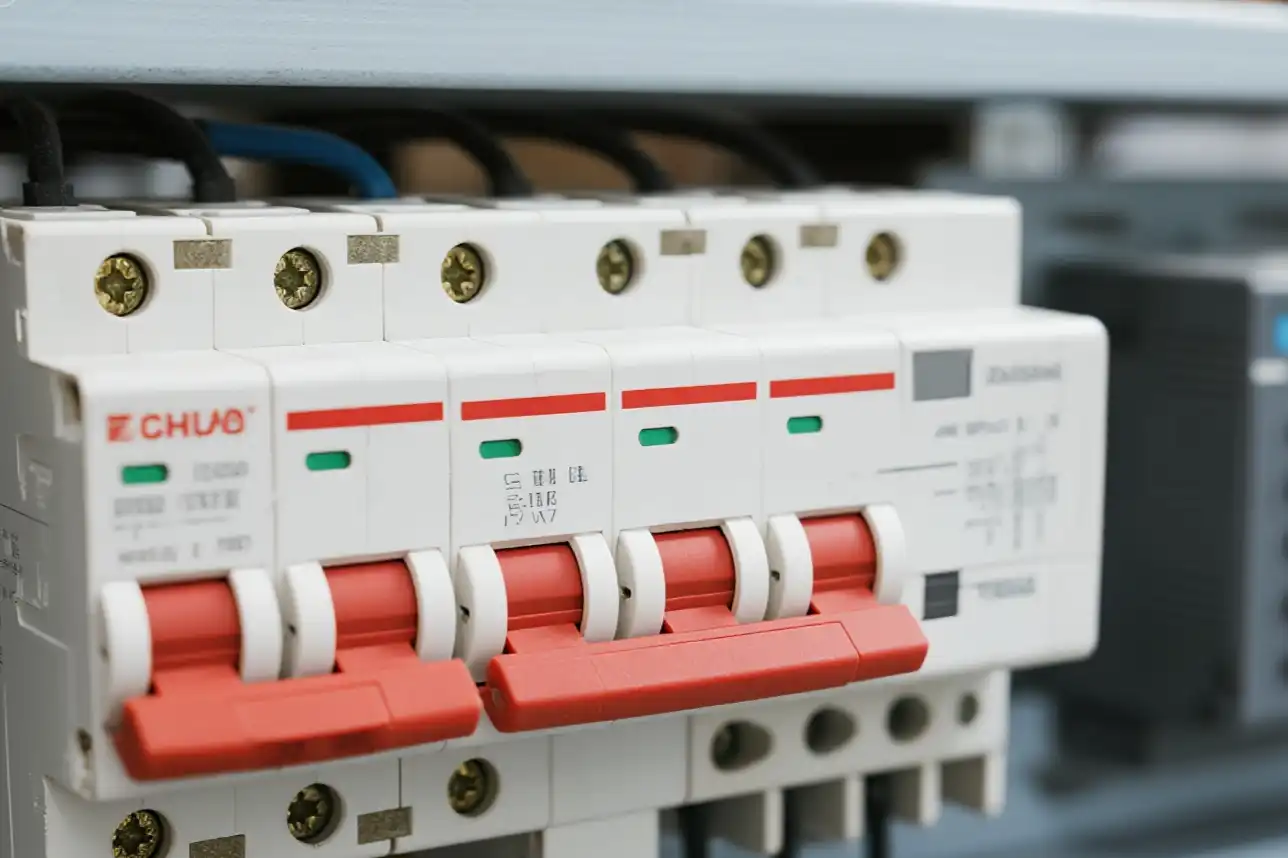
Select Breaker Size
You need to follow steps to pick the right circuit breaker specifications for your refrigerator. This helps stop overloads and keeps your home safe. Here is a simple guide:
- Find the Appliance’s Amperage
Look at the refrigerator’s nameplate. If you only see watts, use this formula:Amps = Watts / VoltsFor example, if your fridge uses 480 watts at 120 volts:
480 watts / 120 volts = 4 amps - Apply the 125% Rule
Multiply the running amperage by 1.25. This covers continuous load and follows NEC safety rules.4 amps x 1.25 = 5 amps - Choose the Next Standard Breaker Size Up
Find the closest standard breaker size above your number. If your result is 5 amps, pick a 10-amp or 15-amp breaker. Always round up to the next size.
Tip: Never pick a breaker smaller than your calculated load. This stops annoying trips and protects your refrigerator.
Common Sizes
There are several standard circuit breaker specifications for refrigerators. The right size depends on your fridge’s amperage and features. Use the table below to match your needs:
| Breaker Type | Size (Amps) | Appropriate Scenario |
|---|---|---|
| Standard Single-Pole | 15-20 | For standard refrigerators operating on 110-120V AC. |
| Standard Double-Pole | 15+ | For larger refrigerators operating on 220-230V AC. |
| Dedicated Circuit | 20 | For modern refrigerators with features like ice makers. |
Most home refrigerators work well with a 15-amp or 20-amp breaker. If you have a large or commercial fridge, you may need a double-pole breaker. Always check the manufacturer’s advice before you decide.
Example: Standard Refrigerator
Suppose your refrigerator’s nameplate says 3.5 amps at 120 volts.
- Calculate the continuous load:
3.5 amps x 1.25 = 4.375 amps - Pick the next standard breaker size:
A 10-amp or 15-amp breaker meets circuit breaker specifications for this load.
Example: Large Refrigerator
If you have a large fridge with a running load of 8 amps at 120 volts:
- Calculate the continuous load:
8 amps x 1.25 = 10 amps - Pick a 15-amp or 20-amp breaker. For refrigerators with extra features, a dedicated 20-amp circuit is best.
Note: Always use a dedicated circuit for refrigerators with ice makers, water dispensers, or smart features. This makes sure your fridge works well and meets circuit breaker specifications.
Shared Circuits
If your refrigerator shares a circuit with other appliances, you must add up all the loads. Follow these steps:
- Add the wattage of every appliance on the circuit.
- Make sure the total does not go over the safe load limit.
- Check the amperage rating of the circuit and compare it to the total wattage.
- Avoid overloading by keeping the total below 80% of the breaker’s rating.
Tip: If you cannot give your refrigerator its own circuit, always calculate the total load. This helps you pick the right circuit breaker specifications and stops overloads.
Labeling and Documentation
Good labeling helps you find the right breaker fast. Use these tools and practices:
| Tool | Use-case | Relevance |
|---|---|---|
| Circuit Tracers | Finding link between outlet and breaker | Important for accurate labeling |
| Label Printer | Makes strong labels for breakers | Needed for marking breakers |
| Circuit Directory | Shows a map of the home’s electrical system | Critical for safety and maintenance |
- Double-check your labels to make sure they are right.
- Use strong labels that last through heat and moisture.
- Keep your circuit directory updated for safety.
Cost Considerations
Upgrading circuit breaker specifications for a refrigerator can cost money. Here are typical expenses:
- Installing a new breaker: $300 to $2,000
- Adding a dedicated circuit: $570 to $1,100
- Electrical inspection: $100 to $400
- Panel upgrade (if needed): $500 to $2,000
Costs depend on breaker size, safety features, circuit length, and wiring access. Always plan for these costs before you start.
Note: Hiring a licensed electrician makes sure your circuit breaker specifications meet code and keeps your home safe.
Troubleshooting
Mistakes to Avoid
When you pick and put in a circuit breaker for your refrigerator, you can make some common mistakes. These mistakes can cause breakers to trip, hurt your appliances, or even start a fire. Here are some things you should not do:
- Picking a breaker that is too small or too big for your refrigerator’s needs.
- Not thinking about the startup current when you choose the breaker size.
- Plugging your refrigerator into a circuit with other strong appliances.
- Using a GFCI outlet for your refrigerator, which can make it trip for no reason because of electrical noise.
- Not noticing bad wires or old cords that can make overloads more likely.
- Forgetting to check the total load on the circuit before you plug in your refrigerator.
Doing regular checks helps you stop these problems. Clean your appliances, look for damage, and check cords for cuts or wires showing. In safe places, test your circuits every 2 to 4 years. In risky places, check them more often.
Breaker Issues
If your refrigerator keeps making the breaker trip, you need to find out why and fix it. Try these steps to solve the problem:
- Look for burn marks or sparks around the outlet.
- Check the outlet voltage. It should be between 110 and 120 volts.
- Plug the refrigerator into another outlet on a different circuit to see if it still trips.
- Use a clamp meter to see how much current the refrigerator uses.
- If the current is more than 15 amps, your refrigerator might have a problem inside. If it is not, check your home’s wiring.
Many new refrigerators have heaters for defrosting that use a lot of power. The 2020 NEC code says each big appliance, like a refrigerator, should have its own circuit. Each circuit can only handle so much power. If you use too much, you could get hot wires, tripped breakers, or even a fire.
- Always check the total power used before you plug in your refrigerator.
- Make sure all the things on the circuit do not use more than the circuit can handle.
- Put in a special circuit just for your refrigerator if you need to, so you do not overload it.
If you follow these steps, your refrigerator will work safely and you will avoid many electrical problems.
You keep your home safe when you choose the right circuit breaker for your refrigerator. Always double-check these key points:
- Follow local electrical codes and NEC Article 422 for breaker sizing.
- Assess the load carefully and use the correct wire gauge.
- Ground all connections and secure wires to the ground bus bar.
To install the breaker safely:
- Position the breaker in the panel.
- Connect the hot wire tightly.
- Snap the breaker into place.
- Check every connection to prevent problems.
If you feel unsure, ask a licensed electrician for help. Careful planning and checking help you avoid mistakes and meet code requirements.
FAQ
How do you know if your refrigerator needs a dedicated circuit?
Look at your refrigerator’s manual or nameplate. Most new fridges need their own circuit. This stops overloads and keeps your fridge safe.
Can you use an extension cord for your refrigerator?
Do not use an extension cord. Extension cords can get too hot and start fires. Always plug your fridge into the wall outlet.
What wire size should you use for a refrigerator circuit?
Use 12-gauge wire for a 20-amp circuit. Use 14-gauge wire for a 15-amp circuit. Check your local codes and your fridge’s manual for the right wire.
Why does your refrigerator trip the breaker?
Your fridge might trip the breaker if the circuit has too much load, the startup current is high, or there is a wiring issue. Look for damaged cords and make sure the circuit is not shared with other big appliances.
Can you put two refrigerators on the same circuit?
It is not good to put two fridges on one circuit. Each fridge uses a lot of power, especially when starting. Use separate circuits to stop overloads and keep both fridges safe.
See also
Refrigerator trip circuit breaker troubleshooting and repair
What breaker size do well pumps typically need
How many watts can a 20 ampere circuit breaker handle
How many watts of power a 15 ampere circuit breaker can withstand
How to Calculate the Size of Small Circuit Breakers Step by Step
