

You need a Ship and Port Power Distribution System that can handle salt spray. These systems work in tough marine places. Engineers pick special materials. They use coatings to protect the system. They also design enclosures to keep out salt and water. International standards have strict rules for stopping corrosion.
| Standard | Test Method Description | Duration Requirement |
|---|---|---|
| ASTM B117 | Neutral salt spray test uses a 5% NaCl solution at 35 °C. | 168 hours with no red rust on metal parts |
| ISO 9227 | This test is like ASTM B117 and used for marine jobs. | 168 hours with no red rust on metal parts |
| IEC/IMO, DNV, ABS | These often use salt spray rules from above tests. | 48-500+ hours depending on cable type |
Regular checks and maintenance help keep systems working well every year.
Key Takeaways
- Pick materials that resist corrosion, like stainless steel and marine-grade aluminum, for your power system. These materials last longer when there is salt in the air.
- It is important to do regular maintenance. Check your system every six months. Do monthly checks to find corrosion early. This can stop expensive repairs.
- Use protective coatings like epoxy or powder coating. These coatings protect metal parts from salt and water. This makes your equipment last longer.
- Do salt spray tests to see if your system can handle tough marine conditions. These tests show weak spots in design and material choices.
- Follow international rules for testing and materials to keep things safe and reliable. Knowing the latest rules helps you avoid big problems.
Salt Spray Risks for Ship and Port Power Distribution System
Corrosion Impact
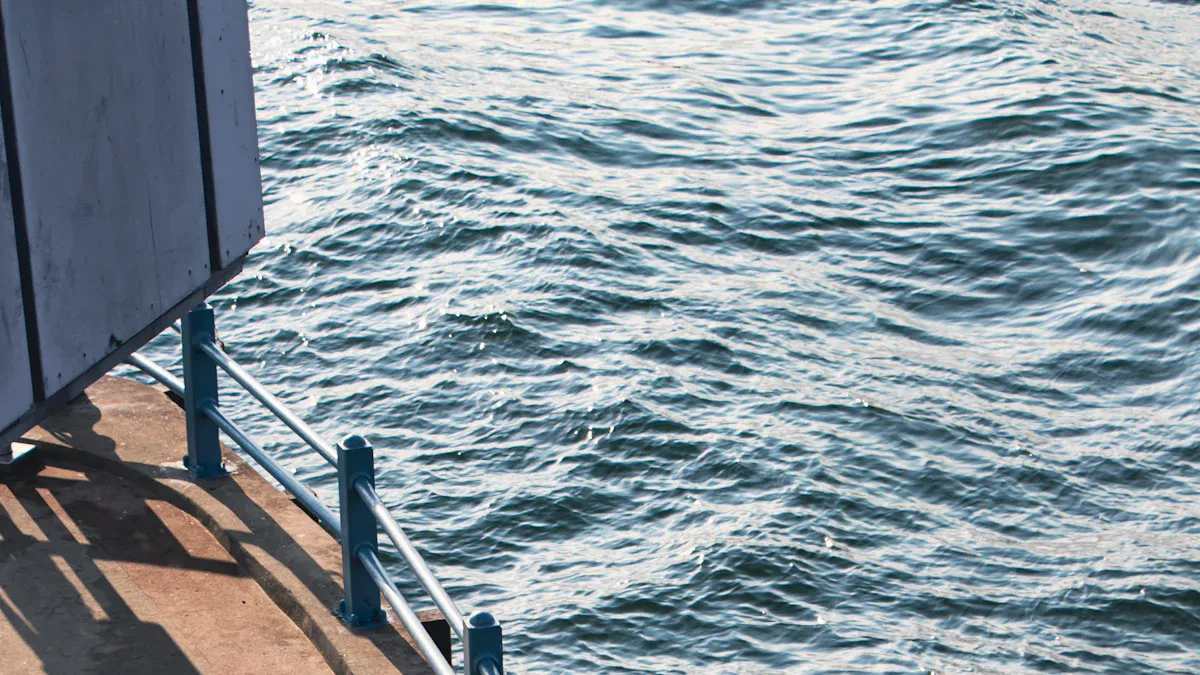
If you use a Ship and Port Power Distribution System near the ocean, corrosion is a big problem. Salt spray has chloride ions that attack metal parts. This makes different kinds of corrosion happen. Each type has its own cause and effect. The table below lists the most common types you might see:
| Type of Corrosion | Description | Causes | Effects |
|---|---|---|---|
| Uniform Corrosion | Material wears away evenly on the whole surface. | Happens from seawater and air exposure. | Lots of material can be lost if not stopped. |
| Pitting Corrosion | Small pits or holes form on the metal. | Chloride ions break down protective layers. | Deep pits can make things break. |
| Crevice Corrosion | Happens in tight spaces with trapped seawater. | Not enough oxygen stops protective layers from forming. | Damage can be hidden until it gets very bad. |
| Galvanic Corrosion | Two metals touch in seawater and one corrodes faster. | The more reactive metal wears away quicker. | The weaker metal gets ruined fast. |
| Stress Corrosion Cracking (SCC) | Cracks grow in metal under stress in salty places. | Chlorides and high stress cause cracks. | Cracks can make things break suddenly. |
| Intergranular Corrosion | Corrosion happens along the edges inside the metal. | Impurities or missing elements cause this. | Metal gets weak and can break. |
| Microbiologically Influenced Corrosion | Tiny living things make chemicals that corrode metal. | Microbes change oxygen levels and cause damage. | Fast and severe damage can happen in spots. |
| Erosion Corrosion | Metal wears away from both corrosion and rubbing. | Fast-moving water or rough particles cause this. | Common in pipes and propellers on ships. |
| Dealloying (Selective Leaching) | One part of an alloy gets removed. | Differences in electrical charge cause this. | Metal gets brittle and can snap. |
Salt spray makes corrosion happen faster. Metal parts in your Ship and Port Power Distribution System lose strength and stop working sooner than on land. Saltwater speeds up oxidation and breaks down metal in electronics. Wires and battery ends are easy targets. If you ignore these problems, repairs will cost a lot and things may break without warning.
Tip: Check your system often and use corrosion-resistant materials to help protect it from salt spray.
Reliability Challenges
Salt spray does more than cause corrosion. It also makes your Ship and Port Power Distribution System less reliable. Salt can build up on electrical parts. This can cause short circuits, insulation problems, or even total failure.
- Salt spray makes metal parts in electrical systems corrode faster.
- This hurts how well electrical systems work and how long they last.
- Saltwater speeds up oxidation and damages metal in electronics.
- Wires and battery ends are most likely to fail from salt.
Salt spray test chambers are important for checking how well maritime parts resist corrosion. These tests copy tough marine conditions. They show if materials can handle saltwater mist. If you skip these tests, you might use parts that cannot survive outside.
Note: Even a little salt can cause big trouble over time. Watch your system and change broken parts quickly to keep things safe and working.
Testing and Standards
Salt Spray Testing
Salt spray testing checks if marine electrical systems can handle saltwater. This test helps see if your Ship and Port Power Distribution System is tough enough. Engineers follow steps to test every part.
- Clean each sample and take off oxide layers. If coatings are used, extra steps may be needed.
- Mix saltwater with 5% sodium chloride. Use good salt for better results.
- Get the test chamber ready. Set the spray level and temperature.
- Attach and label each sample. Make sure all parts get sprayed.
- Start spraying. The test lasts from 24 to 1000 hours, based on the rules.
- Clean samples after testing. Look for any corrosion.
- Write down and study the results. This shows how well the system fights corrosion.
Salt spray testing finds weak spots in your design or how you make things. It does not always match what happens at sea, but it shows if your system passes basic tests.
Not all salt spray tests show how your system will work at sea. The ASTM B-117 test does not match real marine conditions well. ISO 12944-9 gives better results. Salt spray testing is best for finding design mistakes, not for guessing how long things will last.
- ASTM B-117 test: Correlation coefficient is 0.11, so it does not predict well.
- ISO 12944-9 test: Correlation coefficient is 0.71, so it predicts better.
- Salt spray tests help you find problems early, but do not promise long life.
Insulation Resistance
Salt spray can hurt insulation in your power system. You should check insulation resistance before and after salt mist testing. This test shows if wires and parts can work safely.
- Stainless steel, marine-grade aluminum, and special polymer composites fight saltwater corrosion.
- Epoxy coatings block moisture and salt. These coatings protect insulation and keep your system safe.
- Smart designs, like drainage channels and raised parts, stop water from building up. This keeps insulation resistance high.
If insulation resistance drops, you could have short circuits and failures. Regular tests help you find problems early and keep your Ship and Port Power Distribution System working well.
Tip: Always test insulation resistance after salt spray. Change any parts with low resistance to stay safe.
Standards
You must follow strict rules when you design and test marine electrical systems. These rules cover salt spray testing, insulation checks, and safety.
| Standard | Main Focus | Test Duration | Application Area |
|---|---|---|---|
| ASTM B117 | Salt spray corrosion resistance | 168 hours | General marine components |
| ISO 9227 | Salt mist corrosion resistance | 168 hours | Ship and port systems |
| IEC/IMO | Electrical safety and corrosion | 48-500+ hours | International marine regulations |
| DNV, ABS | Marine system compliance | Varies by cable type | Ship and port certification |
You need to meet these rules to get your system approved. Following them helps you avoid big problems and makes sure your Ship and Port Power Distribution System works in tough places.
Note: Always check the newest rules before starting a project. Rules change, so you must keep your system updated.
Materials and Protection
Corrosion-Resistant Materials
You need tough materials to keep your Ship and Port Power Distribution System safe from salt spray. Stainless steel and aluminum do not rust easily. They last longer in salty air. Fiberglass and PVC coatings help stop corrosion too. The table below shows some common materials and what they do:
| Material | Description |
|---|---|
| Ferrous Iron | Very strong and cheap. It resists corrosion if coated with zinc or galvanized. |
| Aluminum | Stays strong in marine air. It resists corrosion if it has little copper. |
| PVC Coating | Makes things strong and protects against corrosion from the environment. |
| Fiberglass | Works well in places with lots of corrosion. |
| Stainless Steel | Does not rust much. Many types are used in industry. |
Tip: Stainless steel and marine-grade aluminum are best for salty places.
Protective Coatings
Protective coatings give extra safety. You can pick from many kinds. Each type has its own good points. Epoxy and polymer coatings keep out water and chemicals. Hot-dip galvanizing puts zinc on steel. Zinc gets damaged instead of the steel. Powder coating makes a hard finish that stands up to sun and salt. The chart below shows how well different coatings stop corrosion:
| Material / Coating | Corrosion Resistance | Relative Cost | Best Application |
|---|---|---|---|
| Hot-Dip Galvanizing | Very Good | Medium | Steel mounting structures, frames |
| Polymer/Epoxy Coatings | Excellent | Medium-High | Frames, junction boxes, steel components |
| Marine-Grade Aluminum | Excellent | Medium | Portable PV frames |
| 316 Stainless Steel | Excellent | High | Fasteners, brackets, critical hardware |
- Powder coating is tough and even. It works well outside and blocks UV rays.
- Anodizing makes aluminum better for outdoor use.
- Chromate adds a thin layer for grounding or painting.
- Galvanizing puts zinc on steel to protect it.
- Electrocoating covers all shapes evenly.
- Epoxy coatings make a strong shield in places with lots of chemicals.
Note: Paint coatings do not last long in salty air. Electroplating coatings last much longer and block salt better.
Enclosure Design
A good enclosure keeps salt spray away from your system. Pick enclosures made from stainless steel 316L or polycarbonate. These materials stop rust and damage. Choose enclosures with high ingress protection, like IP66 or higher, to keep out water and dust. The table below lists important design features:
| Design Feature | Description |
|---|---|
| Corrosion resistance | Use stainless steel 316L for tough marine places. |
| High ingress protection | Enclosures should have IP66 or higher to block salt spray. |
| Smooth finishes and minimal seams | Stops salt from building up and makes things last longer. |
| Secure locking and grounding systems | Keeps your system safe and working well. |
| Optional rain hoods, ventilation | Gives extra protection and helps the system work better. |
- NEMA 4X enclosures protect well against salt spray and water.
- Smooth finishes and tight seams keep salt from sticking.
- Secure locks and grounding keep your system safe.
| IP Rating Component | Description |
|---|---|
| First Digit | Blocks dust and salt from getting inside |
| Second Digit | Blocks water from getting inside |
Tip: IP ratings show how well an enclosure keeps out dust and water. NEMA 4X also means it resists corrosion from salt spray.
Reliability and Maintenance
Maintenance
You need a good maintenance plan for your Ship and Port Power Distribution System in salty places. Salt spray makes things wear out faster and can hide damage. You should follow a layered maintenance schedule:
- Check and service diesel generators every 6 months or after 400 hours.
- Do weekly and monthly checks to find early corrosion or electrical problems.
- Have certified technicians visit for service twice a year and once a year.
- Use covers or barriers to keep saltwater away when you can.
Regular maintenance helps you find small issues before they turn into big failures. This keeps your system safe and working well.
Monitoring
Modern monitoring tools help you spot corrosion before it causes trouble. You can use new technology to check your system without taking it apart. The table below lists some popular choices:
| Technology | Description |
|---|---|
| Eddy Current Testing | Finds corrosion under insulation using electromagnetic induction. |
| Wireless Sensor Networks (WSNs) | Sends real-time data and alerts about corrosion in large areas. |
| IoT Integration | Lets you monitor systems remotely and predict problems using data analytics. |
| Fiber Optic Sensors | Detects small changes linked to corrosion with high accuracy. |
| Electromagnetic Acoustic Transducers | Uses ultrasonic waves for safe, non-contact testing in risky places. |
| Machine Learning and AI | Studies data to predict corrosion and plan maintenance. |
| 3D Imaging and Laser Scanning | Makes detailed images of corroded spots for better checks. |
| Drones and Robotics | Reaches hard-to-access areas, making inspections safer and faster. |
Tip: These tools help you act early and save money on repairs.
Voltage Classification
Voltage classification changes how you pick materials and protect your system. If you connect different metals in salty water, galvanic corrosion can happen. One metal will wear away faster while the other stays safe. To lower this risk, you should:
- Use the same metal as much as you can.
- Pick metals that are close together in the galvanic series.
- Put insulators between different metals.
- Make the protected area small compared to the area that might corrode.
Corrosion happens quickly when different metals touch, especially in wet or buried places. Picking the right materials and protection based on voltage class helps you stop fast damage and keeps your system working longer.
You can make your Ship and Port Power Distribution System resist salt spray by using special coatings, picking the right materials, and doing careful tests. The table below shows that cold-spray Al-Zn coatings protect against corrosion very well:
| Coating Type | Corrosion Resistance | Observations |
|---|---|---|
| Hot-dip Zinc | Poor | Cracks and breaks after salt-spray test |
| Hot-spray Zinc | Poor | Cracks and uneven corrosion spots |
| Cold-spray Al-Zn | Excellent | Thick structure and strong shield |
Regular and extra tests, plus rules like IEC 60092 and IEC 60076, help your system last longer. If you follow good steps, you make your marine system safer and better. Ask experts for help and check your system often for the best results.
FAQ
What is the best material for marine electrical enclosures?
Pick stainless steel 316L or marine-grade aluminum. These materials do not rust easily. They last a long time in salty air. Polycarbonate is good if you need something light.
How often should you inspect your power distribution system in a port?
Check your system every six months at least. In risky places, check every month. This helps you find corrosion or damage early.
Why do you need special coatings on marine electrical parts?
Special coatings like epoxy or powder coating keep out salt and water. These coatings protect metal parts from rust. They help your system last longer.
What does an IP66 rating mean for enclosures?
An IP66 rating means the enclosure keeps out dust and strong water jets. It gives strong protection from salt spray and bad weather.
Can you use regular electrical cables in marine environments?
No, you need cables made for marine use. These cables have extra layers to block salt, water, and sunlight. Regular cables break fast in salty places.
See also
Circuit Breaker Requirements in High Dust Environments
Will the Macan EV Feature NACS or Stick with J1772
Best Places to Source Miniature Circuit Breakers in Bulk
MCB Price Differences Between Top Brands and Retailers
5 Most Easily Overlooked Issues When Purchasing Terminal Blocks