

You need to use RCD protection for circuits with sockets, lights, outdoor gear, and places with water like bathrooms or kitchens. This protection is very important because even a tiny leak of 0.03 amps can hurt you badly. New safety rules say all new or rewired homes must have RCDs. Only a trained electrician should put in these devices to keep you safe.
RCDs act fast when they sense dangerous currents and help stop electric shocks.
| Circuit Type | Suitable RCD Types |
|---|---|
| Standard lighting | AC, A, F, B |
| Outdoor equipment | B |
| Kitchen appliances | A, F, B |
Key Takeaways
- Use RCD protection on circuits with sockets and lights. Use it for outdoor equipment too. Use it in places with water like bathrooms and kitchens. This helps stop electric shocks and fires.
- Follow the newest safety rules for your home. These rules say you need RCDs on almost all new or rewired circuits. Test RCDs often to make sure they work right.
- Pick the right RCD type for your equipment. Type A works for most homes. Type B is for EV chargers and solar panels. Type F is for appliances with motors or speed controls.
- Always get a qualified electrician to install and choose RCDs. This keeps your home safe and follows the law.
- Do a risk assessment if you do not use RCD protection in special cases. Never skip RCDs just to save money or ignore safety.
Regulations
Key Standards
You need to know which standards guide RCD protection in your home. The main standard is BS 7671:2018+A2:2022. This rule tells you how to keep your electrical system safe. The latest update makes testing easier and safer. Now, you only need to test RCDs with one alternating current test at the rated current. The RCD must trip within 300 milliseconds. This change helps you and your electrician check safety faster.
- The standard says you must choose the right RCD type for your equipment.
- Type AC RCDs work only for fixed equipment without DC parts.
- Type A RCDs handle DC leakage from modern electronics better.
- The rules now focus on Type A RCDs because many devices in your home can cause DC leakage.
- You can find extra advice in IET Guidance Note 3 and other guides.
Tip: The new rules make testing simpler and help you avoid mistakes when picking RCDs.
Main Requirements
The latest regulations say you must use RCD protection on almost every new or rewired circuit in your home. This rule keeps you safe from electric shocks and fire risks. The table below shows the main requirements for domestic circuits:
| Requirement Aspect | Details |
|---|---|
| Mandatory RCD Use | You must use RCDs on circuits with socket outlets rated at 32A or less. |
| Lighting Circuits | All lighting circuits, even those with dimmers, need RCD protection. |
| RCD Types | Use Type AC only for pure AC loads. Type A is better for most homes with electronic devices. |
| Testing | Test your RCDs regularly. Look for signs telling you to test every 6 months. |
| RCD Location | Install RCDs before any dimming controls for best safety. |
| Exceptions | You can skip RCD protection only if a risk assessment says it is safe to do so. |
You see these rules because modern homes have more electronics. These devices can cause small currents that older RCDs may not catch. The new standards help you stay safe by making sure your RCD protection matches the risks in your home.
Circuits Requiring RCD Protection
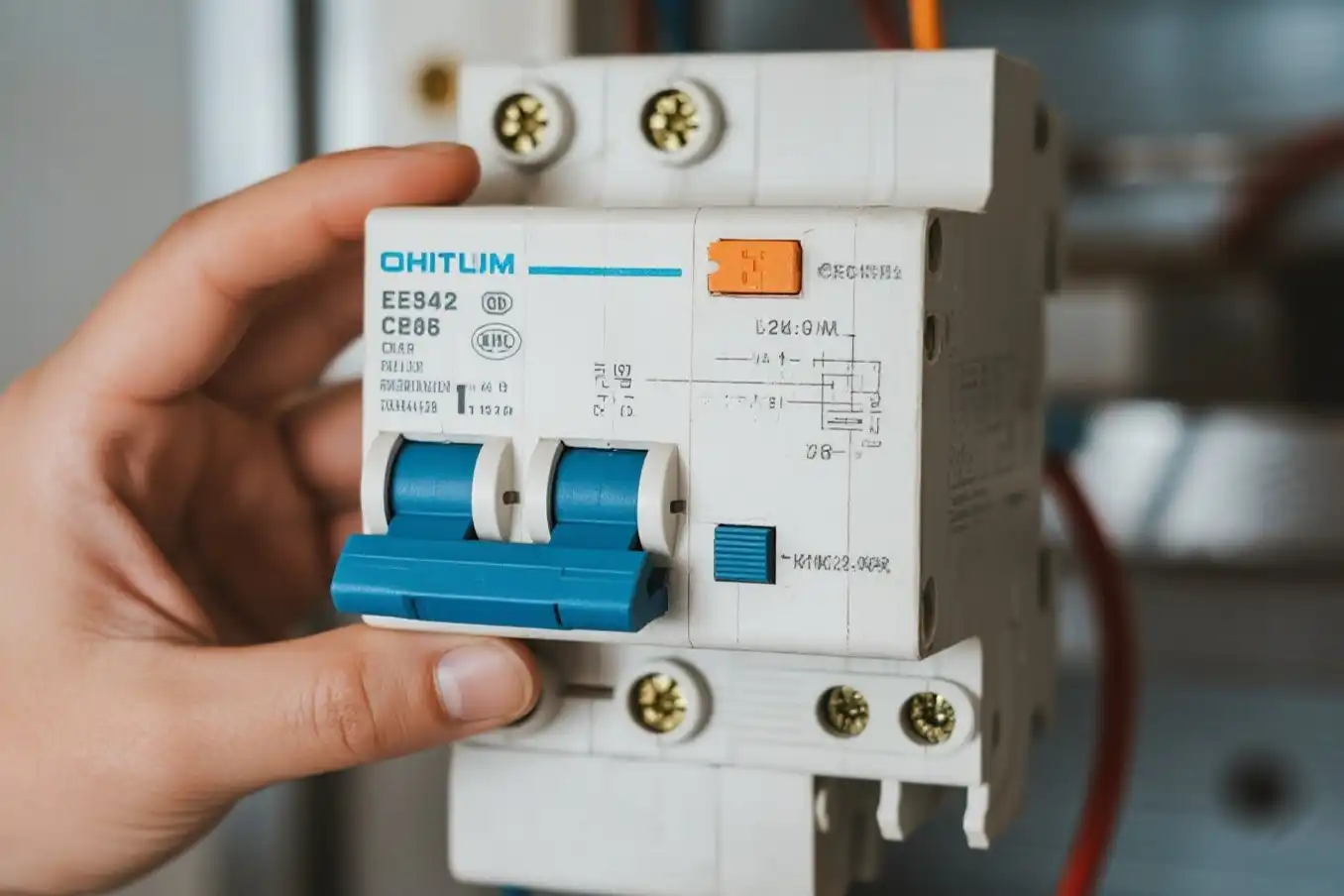
Lighting Circuits
All lighting circuits need RCD protection. This is because faults can cause shocks or fires. The 18th Edition Wiring Regulations (BS 7671) say you must use RCDs in homes and businesses. Here are some reasons why:
- RCDs find small leaks that other devices miss.
- They turn off power fast to stop shocks.
- You must follow safety laws like Part P.
- Insurance might not pay if you skip RCDs.
- About 1,000 people get burns or shocks each year. Around 30 people die. RCDs help stop these injuries.
- Both indoor and outdoor lights need RCDs every time.
- Test your RCDs often to keep them working.
Note: RCDs in lighting circuits save lives and stop fires. This is not just a rule.
Socket-Outlets
RCDs are needed for socket-outlet circuits. These outlets are where most shocks happen at home or work. RCDs cut power much faster than normal breakers. In tests, RCDs can turn off power in 40 milliseconds if there is a fault. This quick action keeps you safer.
A real case in the UK showed that normal breakers did not always stop faults. This was worse with new electronic devices. Adding RCDs helps you follow safety rules. It also lowers the chance of shock or fire. RCDs help you pass safety checks at home or work.
Tip: Make sure every socket circuit up to 20 amps has a working RCD.
Outdoor Equipment
You must use RCDs for any outdoor equipment circuit. Outdoor circuits have more risks from water, weather, and damage. Safety codes like EICR Code C2 say missing RCDs outside is “potentially dangerous.” You must fix this problem fast to stay safe.
- Many owners fail safety checks if outdoor circuits lack RCDs.
- New rules in the US and Europe say all outdoor and wet areas need RCDs.
- RCD sales went up by 15% after these rules changed.
- RCDs come as fixed, portable, or socket-outlet types. You can protect any outdoor setup.
- Test your RCDs often to make sure they work.
Callout: Outdoor circuits face rain, mud, and tools. RCDs are the best way to stop shocks and fires outside.
Special Locations
RCDs are needed in special places with water or moisture. These places are bathrooms, kitchens, pools, and utility rooms. Water makes it easier for electricity to hurt you. Even a small fault can be deadly.
Rules say you must use RCDs in these places to stay safe. You also need the right RCD type for each area. For example, a bathroom may need a different RCD than a kitchen. Always ask a trained electrician to check your setup.
Remember: Special places need extra care. RCDs are not optional in these areas.
Exceptions
When RCDs Are Not Needed
Sometimes, you might not need RCD protection. This only happens if you follow strict rules. The rules depend on the type of circuit and where it is. They also depend on what safety steps are already used.
Here is a table that shows when RCD protection might not be needed:
| Scenario/Condition | RCD Protection Requirement | Notes/Exceptions |
|---|---|---|
| Socket outlets outside equipotential zones | Required | Applies to outdoor sockets, extension leads, sheds, etc. |
| Cables in walls that could be drilled into | Recommended (C3 observation if cross bonding) | Cross bonding is outdated; modern practice favors RCD protection throughout all circuits |
| Special locations (e.g., bathrooms) | Required | Especially circuits feeding or passing over rooms with showers or baths (per BS7671 amendment 3) |
| Circuits not involving above conditions | May not require RCD protection | Implied by absence of mandatory conditions; flexibility depending on installation specifics |
| Supplementary cross bonding installed | RCD protection classified as C3 observation | Cross bonding considered old-fashioned; RCD protection preferred for fault and fire protection |
| Modern consumer units | Typically have dual RCD protection | Reflects current best practice and regulatory compliance |
Most circuits still need RCDs. Only a few special cases let you skip them. For example, if you have old cross bonding and no risk of drilling into wires, you might not need RCD protection. But this does not happen much in new homes.
Note: Always ask a qualified electrician before skipping RCDs. Safety is the most important thing.
Risk Assessment
You cannot just decide to leave out RCD protection. You must do something called a risk assessment. This is a process that checks if leaving out RCDs is safe.
Here is how the risk assessment works:
- A skilled person must write down why RCD protection is not used.
- You must keep this risk assessment with your electrical safety papers.
- The person doing the risk check should not be the only designer or installer. They might not know all the risks in your home or business.
- You must update the risk assessment if you add new equipment or change how you use the space.
- The rules say you can skip RCDs for socket-outlets up to 32A outside homes, but only if the risk assessment says it is safe.
- The risk assessment should look at things like special sockets, letting only trained people use them, clear labels, regular checks, and easy ways to turn off power.
- You must keep the risk assessment on file. Inspectors will look for it during safety checks.
- You cannot skip RCD protection just to save money.
Tip: Always write down your reasons if you do not use RCDs. This helps protect you if something goes wrong.
Choosing RCDs
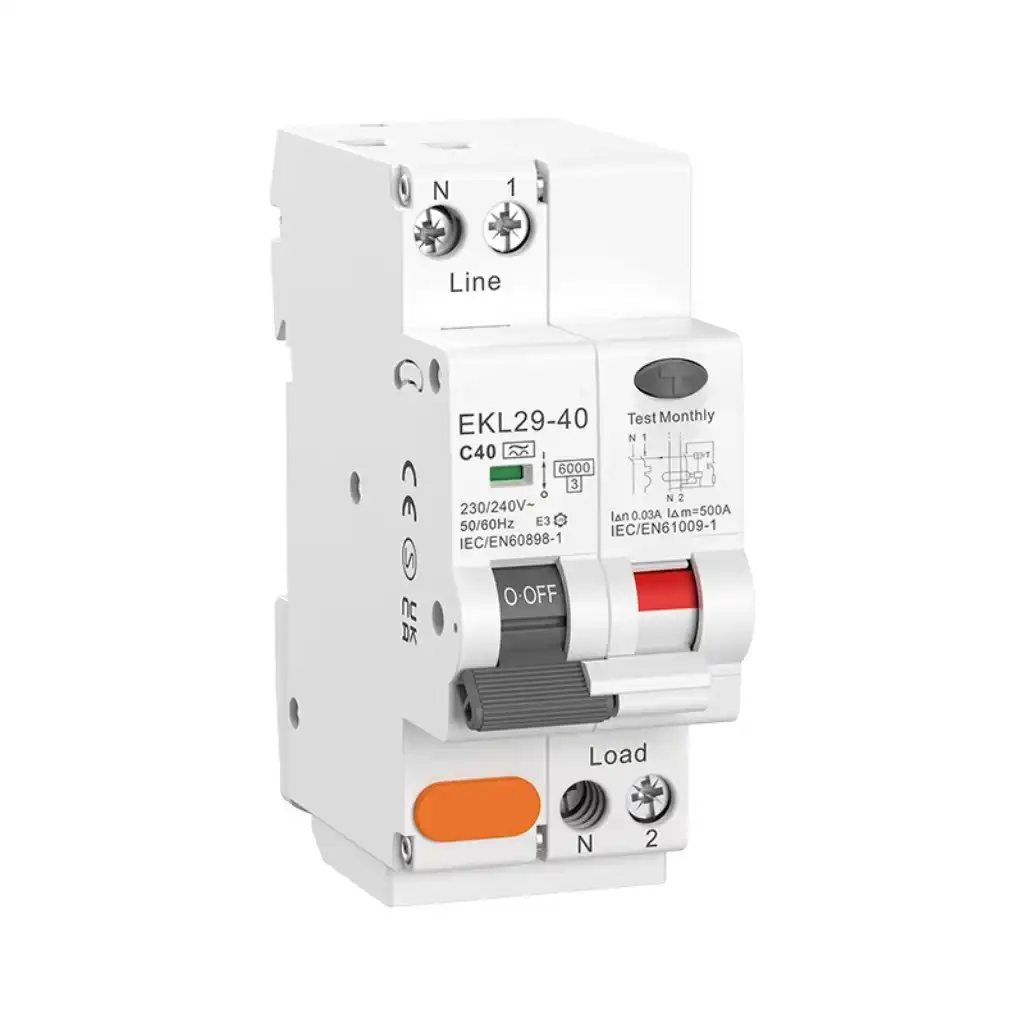
Types of RCDs
You should know about the different types of RCDs. Each type protects you from certain dangers. Picking the right one helps stop electric shocks and fires. There are a few main types of RCDs. Each one has special features:
| RCD Type | What It Detects | Where You Use It |
|---|---|---|
| Type AC | Standard AC faults | Simple lighting, basic sockets |
| Type A | AC + pulsating DC faults | Most homes, electronics |
| Type F | AC + DC + high-frequency faults | Appliances with variable speed |
| Type B | AC, DC, high-frequency currents | EV chargers, solar, industry |
Type AC is common in older houses. Most new gadgets need Type A or better. Type B RCDs protect you when you use EV chargers or solar panels. These can leak DC currents that other RCDs might not catch. Some RCDs now have smart features. These let you check for problems from far away.
Note: More people want safe and smart homes, so the RCD market is growing fast. Companies like Schneider Electric, Siemens, and ABB are big names in this market.
Selection Tips
You need to pick the right RCD for each circuit. This helps stop false alarms and keeps your system safe. The best choice depends on what you plug in, if there is DC leakage, and your earthing system. Here are some tips to help you choose:
- Check your equipment: If you use EV chargers, solar inverters, or things with speed controls, you need Type B RCDs. These can handle DC currents that other RCDs cannot.
- Match the RCD to the circuit: Type A works for most homes with electronics. Type F is good for things with motors or speed controls.
- Look at the earthing system: TN systems make it easier to use RCDs together. TT systems need more planning to stop problems.
- Follow manufacturer advice: Some brands make RCDs that handle DC better. This can save you money and keep you safe.
- Think about future needs: Smart RCDs with wireless features help you watch for safety problems early.
| Selection Factor | Why It Matters |
|---|---|
| Circuit type | Different circuits need different RCDs |
| DC leakage risk | Some devices leak DC, which can blind standard RCDs |
| Earthing system | Impacts RCD coordination and safety |
| Manufacturer features | Enhanced RCDs may offer better protection |
Tip: Always ask a trained electrician to help you pick and install the right RCD. The right RCD keeps you and your family safe as technology changes.
You need RCD protection for lights, sockets, outdoor gear, and special places. These circuits have the most danger. The 18th Edition Wiring Regulations help keep you safe. They also make sure you follow the law. Testing your RCDs often is important. Getting a professional to install them helps stop shocks and fires. Qualified electricians know how to keep your system safe and legal. For new rules, look at trusted sources like the IET or your local electrical office.
FAQ
Why do you need RCD protection for lighting circuits?
RCDs protect you from electric shocks if a fault happens in your lights. They also help stop fires. You stay safer because RCDs turn off power quickly when they sense danger.
Why should you test your RCDs regularly?
Testing your RCDs helps you know they work. Faulty RCDs cannot protect you. You lower your risk of shock or fire by pressing the test button every six months.
Tip: Mark your calendar to remind yourself to test your RCDs.
Why do outdoor circuits always need RCD protection?
Outdoor circuits face more risks from water, weather, and damage. RCDs help you avoid shocks and fires outside. You stay safe when you use power tools, lights, or outlets in your yard.
Why does the type of RCD matter for your home?
Different RCD types protect against different dangers. For example, Type A RCDs handle modern electronics better. You need the right type to match your devices and keep your home safe.
Why should you hire a qualified electrician for RCD installation?
A qualified electrician knows the rules and picks the right RCD for your circuits. You avoid mistakes and stay safe. Professional installation also helps you pass safety checks and follow the law.
The following is information that you may be interested in
What should I do if the circuit is overloaded?
How to Identify and Fix RCD Tripping Issues
The difference between type A and AC RCD
What Makes Type B RCD Essential for EV Chargers?
How to Wire a Circuit Breaker Panel Safely at Home