
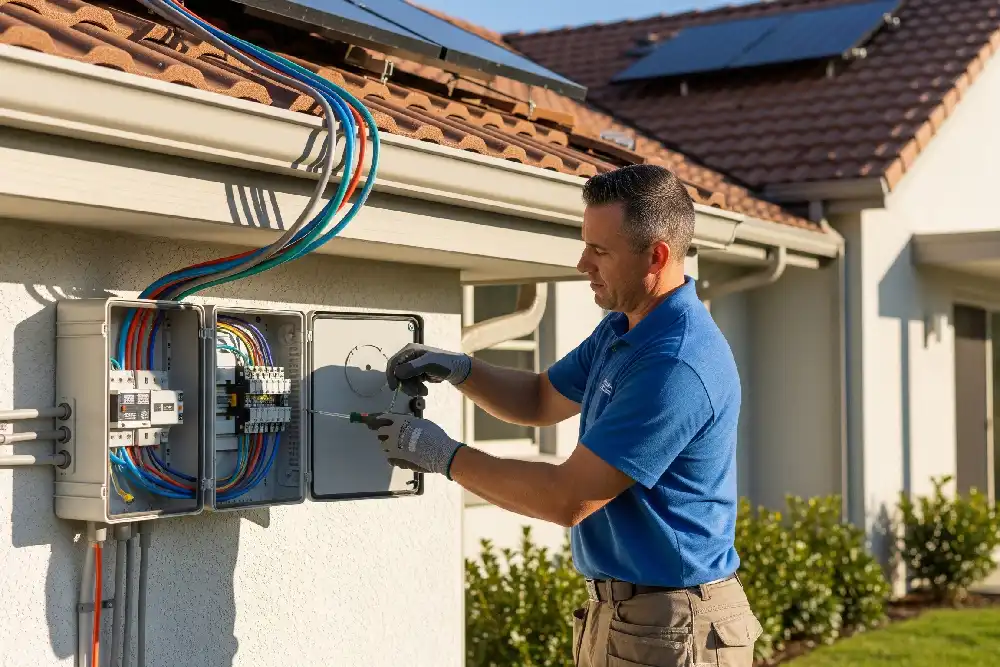
When considering the installation location of solar combiner box, you should choose the optimal spot to ensure your system remains safe and efficient. Always install the box in an upright, vertical position. The installation location of solar combiner box should be close to your PV modules to minimize cable length. Make sure the installation location of solar combiner box is protected from rain, dust, and direct sunlight. Before beginning any work, confirm that all power is off. Properly ground the box and use weatherproof materials at the installation location of solar combiner box.
Tip: Careful planning of the installation location of solar combiner box now helps you avoid costly mistakes later.
Key Takeaways
- Pick a dry and shady spot for your solar combiner box. This keeps it from getting too hot or damaged by weather. – Put the box near your PV modules. Short cables help stop power loss and make the system work better. – Make sure you can reach the combiner box easily for maintenance. This helps you fix problems fast and check it often. – Use weatherproof materials and seal where cables go in. This keeps out water and dust and helps your system last longer. – Always turn off the power before you work on the box. This keeps you safe and stops electrical dangers.
Installation location of solar combiner box
Indoor vs. outdoor
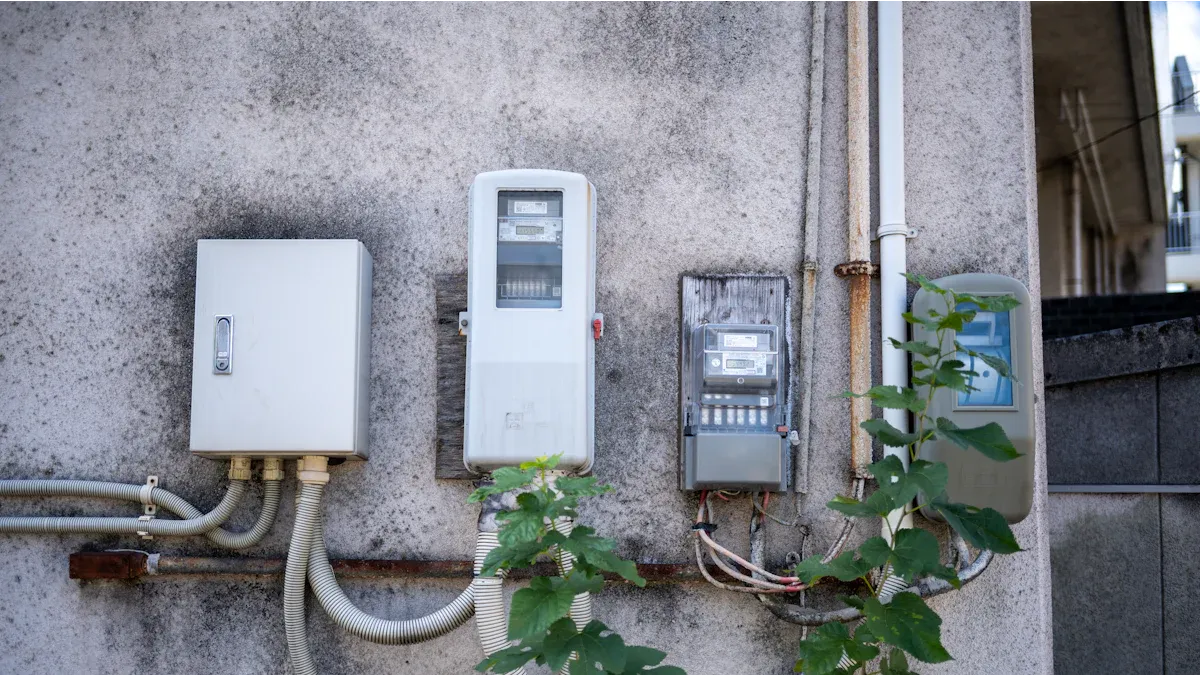
You can put a solar combiner box inside or outside. Most people put it outside to keep it near the solar panels. If you pick an outdoor spot, make sure it is dry and has good airflow. The area should be safe from rain and sunlight. If you want to put it inside, use a wall or structure that is close and meets these needs. Never put the box where water gathers or the air is very wet.
Tip: Putting the box in the shade helps stop it from getting too hot or damaged by weather.
Wall or column mounting
Mount the solar combiner box on a strong wall or column. This keeps it steady and safe. Follow these steps for good mounting:
- Always put the box upright and straight. Do not turn it upside down.
- Pick a wall or column that can hold the box’s weight.
- Make sure the braces are level with each other. This stops the box from bending or twisting later.
- Use M17/304 stainless steel screws to hold the box tight.
A strong place to mount the box helps it last longer and keeps your system safe.
Proximity to PV modules
Put the solar combiner box as close as you can to the PV modules. Short cables mean less power loss and better work. When the box is near the panels, you lose less power. This setup helps your solar system work well and saves money on wires.
Accessibility
Put the solar combiner box where you can reach it easily. Good access makes fixing and checking the box much easier. If the box is in a handy spot, workers can look at it and fix it fast. This means less time when your system is not working.
- Easy access makes repairs cheaper.
- Quick checks help you find problems early.
Note: Do not hide the box behind things or in hard spots. Easy access is important for safety and quick repairs.
Where you put the solar combiner box changes how well your system works and how easy it is to fix. Pick a spot that keeps the box safe, works well, and is easy to reach.
Environmental precautions
Ventilation
Good airflow helps the solar combiner box stay cool. Air moving around the box lowers the inside heat. If the box gets too hot, parts like fuses can break faster. Here are some ways to help with airflow:
| Aspect | Impact on Temperature and Lifespan |
|---|---|
| Enclosure Color | Light colors do not get as hot in the sun. |
| Mounting Position | North-facing and shaded spots are cooler. |
| Enclosure Size | Bigger boxes let more air move inside. |
Tip: Boxes overheat when there is not enough airflow or it is very hot outside. You can stop this by picking a shaded place and using a bigger, light-colored box.
Moisture protection
Water can cause rust, damage, or short circuits in the combiner box. You must keep water out to protect your system. Try these tips:
- Seal cable entry holes with grommets or cable glands. This keeps the box’s IP rating high.
- Pick a spot that does not get wet or muddy.
- Check the box often for water, rust, or damage.
- Clean the box and its parts when needed.
| Best Practice | Description |
|---|---|
| Sealing | Use grommets or cable glands to keep water out. |
| Site Assessment | Pick a dry, easy-to-reach place away from water and dust. |
Note: Checking the box often helps you find problems early and keeps your system safe.
Sunlight and rain protection
Sun and rain can make the combiner box not last as long or work as well. Use a box with a high IP rating and UV resistance. These things help block dust, water, and sun damage.
| Feature | Description |
|---|---|
| IP65/IP66-rated | Keeps out dust and water, good for outside use. |
| UV resistance | Stops the sun from hurting the box material. |
| Corrosion resistance | Good for places near the sea or factories. |
A north-facing wall helps keep the box out of the sun. This makes the box cooler and protects the inside. Always pick a box that fits the weather where you live.
Remember: A strong, weatherproof box keeps your system safe and helps it last longer.
Electrical safety
Power isolation
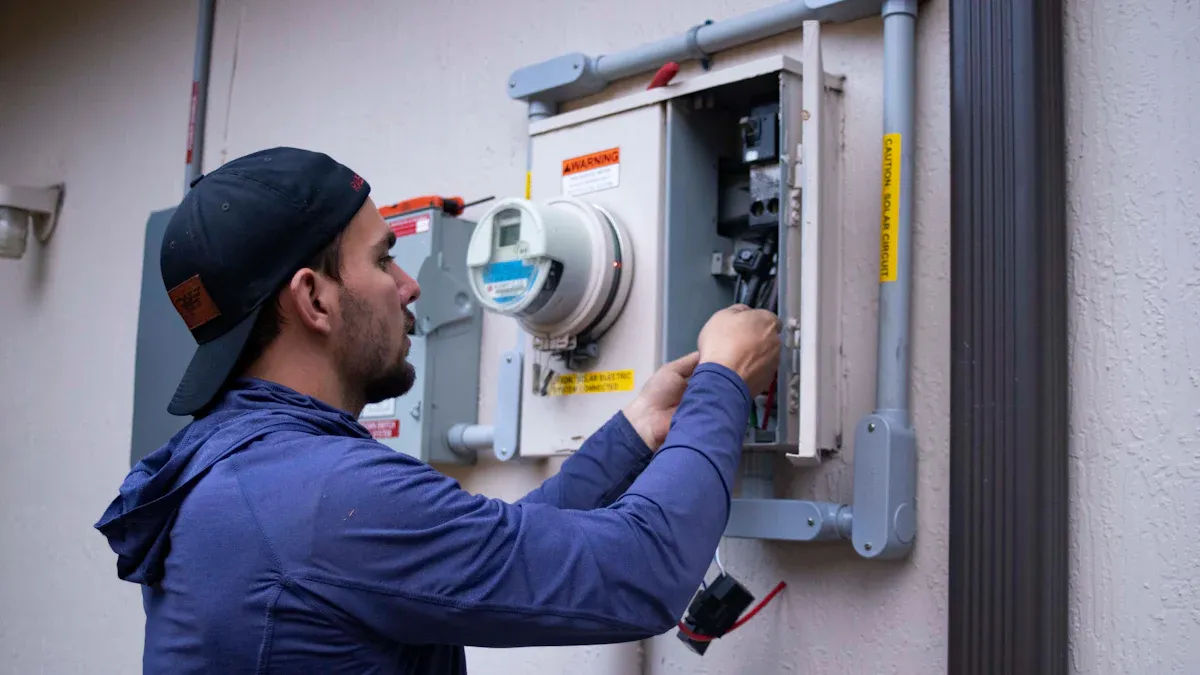
You must turn off the power before you work on a solar combiner box. This keeps you safe from getting shocked. Use disconnect switches or circuit breakers to stop the power. The National Electrical Code (NEC) has rules for this step. Here is a table with some important NEC articles for solar combiner box safety:
| NEC Article | Description |
|---|---|
| 690.4(B) | System parts must be listed and made for PV use. |
| 690.9(A) | Each string in the combiner box needs fuses or breakers. |
| 690.13 | DC disconnect switches are put in or near the combiner box. |
| 690.15 | You need a way to disconnect for service, often built into combiner boxes. |
| 690.17 | Talks about connectors used in PV systems, including those in combiner boxes. |
Tip: Always check again that the power is off before you open the box.
Safe habits help stop electrical dangers. Use the right tools, make tight connections, and use good insulation. These steps help stop accidents and keep your system safe.
Grounding
Grounding keeps you and your equipment safe from electrical problems. Connect all metal parts and surge protectors to the ground. The NEC and other codes say you must use an equipment grounding conductor (EGC) for metal-framed PV systems with exposed wires. Test the grounding with a continuity tester to make sure it works.
- Equipment grounding connects metal parts to the earth to lower shock risks.
- NEC 250 and 690.43 say you must use EGC for safety.
- Extra grounding points give a safe path for fault currents.
- Test all grounding points after you finish installing.
Good grounding in combiner boxes gives a safe path for fault currents, lowers shock risks, and keeps you safe.
If you skip grounding or do it wrong, you could miss ground-fault detection, have more shock risk, and damage your equipment.
Cable management
Good cable management keeps your system safe and working well. Use cable trays, clips, clamps, and conduits to hold and protect cables. Organize cables with ties so they do not get tangled or damaged.
- Cable trays hold and protect cables from the environment.
- Clips and clamps keep cables in place and stop them from moving.
- Conduits keep cables safe from harm.
- Cable ties keep cables neat and easy to check.
Bad cable management can cause cables to get too hot, damage the insulation, and cause short circuits. Loose wires can cause ground faults or arc faults, which can stop your system and lower energy output. Always follow rules like UL, IEC, and TUV to keep your system safe and reliable.
Note: Good cable management makes your solar system safer and easier to take care of.
Common mistakes
Wrong installation location
You might think any spot works for your solar combiner box, but the installation location of solar combiner box matters a lot. If you pick a place that is too far from your PV modules, you will lose power through long cables. Placing the box in a wet or hot area can cause damage. You should avoid spots where water collects or where the sun shines all day. These mistakes can lead to overheating, rust, or even fire hazards.
Always check that your chosen spot is dry, shaded, and close to your solar panels.
Some common errors include:
- Crossed polarity and mixed string configurations
- Under-torqued or over-torqued terminations
- Connector mixing and poor crimps
- Incomplete isolation path or wrong pole switching
- Grounding, bonding, and SPD lead errors
Poor protection
If you do not protect your combiner box, you risk big problems. Water, dust, and sunlight can get inside and damage the parts. You need to use a weatherproof box with a high IP rating. Failing to seal cable entries or using the wrong materials lets moisture in. This can cause fuses or surge protectors to break down quickly.
Tip: Check your box often for signs of rust, water, or broken seals.
Poor protection can cause:
- Fire hazards due to overheating or poor insulation
- Rapid degradation of SPDs or fuses
- Increased maintenance cost and downtime
Inaccessible placement
You may want to hide your combiner box for looks, but this makes repairs hard. If you put the box behind heavy equipment or high up on a wall, you make it tough to reach. Workers need easy access for checks and repairs. Hard-to-reach boxes mean longer downtime and higher costs.
Place your combiner box where you can open and inspect it without trouble.
When you avoid these mistakes, your solar system works better and lasts longer. You save money and keep your system safe.
You need to put your solar combiner box straight up. Pick a spot that is dry and safe. Keep it away from water, dust, and sunlight. Make sure you ground it well. Keep the cables tidy and not messy. Always follow these important safety rules:
- NEC rules now say you must have a disconnect you can see within 50 feet of the fuses.
- Built-in disconnects help make fixing things safer.
- Newer boxes have arc-fault protection, which helps find problems faster.
If you install the box right and check it often, it will last longer. Good safety steps help stop fires and make fixing things easier.
FAQ
How close should I install the solar combiner box to the PV modules?
You should install the solar combiner box as close as possible to your PV modules. Shorter cables reduce power loss and improve system efficiency.
Can I install the combiner box in direct sunlight?
You should avoid direct sunlight. Sunlight can overheat the box and damage its parts. Pick a shaded or north-facing spot for better protection.
What should I do before opening the combiner box?
Always turn off all power sources before you open the box. Use a voltage tester to check that no electricity flows inside.
How often should I inspect the solar combiner box?
You should inspect the box every six months. Look for signs of water, rust, or loose wires. Regular checks help you find problems early.
See also
What is the Best Location for Installing an Automatic Transfer Switch
DC 1000V 6 in 2 Out PV Combiner Box
What Determines How Many Solar Combiner Boxes You Need
Why Your Solar Energy Setup Requires a Combiner Box
Inverter SPD vs Standard Surge Protector: What’s the Difference?
