
You can face many dangers during the solar installation process when installing solar panels. These include trips and falls, electrical hazards, heat sickness, and getting caught or hit by things. Recent numbers show 26% of workers get hurt. Also, 47% get sick from heat.
Professional installers follow strict rules and use safety gear throughout the solar installation process. If you are a homeowner, you may not have the same training or tools. Always look for risks and take steps to stay safe before you start.
Key Takeaways
- Always put safety first by wearing fall protection gear like harnesses and guardrails when you work on rooftops.
- Electrical hazards are very dangerous. Treat all wires and solar panels as if they are live. This helps stop shocks and injuries.
- Drink water often and rest in the shade to avoid getting sick from heat during hot days.
- Keep your work area neat and tidy. This lowers the chance of tripping or accidents from tools or equipment that fall.
- Join safety training programs to learn about dangers and the right safety steps in solar installation.
Trips and Falls
Rooftop Risks
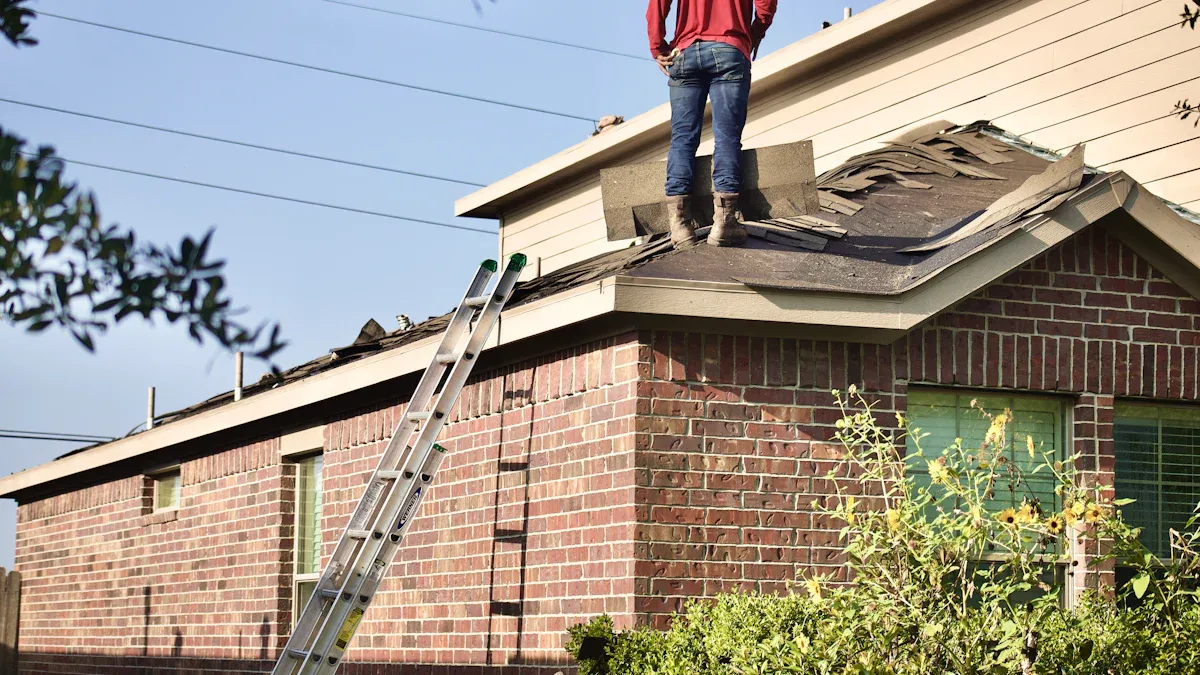
Trips and falls are a big danger during the solar installation process. Most solar panels are put on rooftops. This means you work high up. You can slip or trip if you are not careful. Many accidents happen because of small mistakes or unsafe places.
Some main reasons for rooftop falls are:
- Working on sloped rooftops
- Using ladders the wrong way
- Not using fall protection
- Tripping over debris or tools
- Weather problems like water or ice
A worker might trip over a tool or slip on a wet roof. Sometimes, people forget to wear harnesses or check their ladders. These mistakes can cause bad injuries or even death. You should always pay attention and watch your step during the solar installation process.
Prevention Strategies
You can stop most falls by following easy safety steps. Use the right equipment and check it before you start. Always wear a harness when working on a roof. Use guardrails or safety nets if you can. Do not carry heavy solar panels up a ladder alone. Use cranes or hoists to lift them.
Here are some important safety rules to follow:
- Use fall protection like guardrails, safety nets, and harnesses.
- Check all fall protection gear before you start work.
- Look for trip hazards like skylights, hatches, and tools.
- Put screens on skylights to stop falls through them.
- Use rooftop guardrails to stop falls off the edge.
- Make a safety plan for each job and have safety meetings.
Tip: Guardrails help keep you safe without extra work. Once they are set up, you do not need to do more. Make sure you put them in before you start the solar installation process.
Training helps you stay safe too. Many companies have classes to teach you about rooftop safety. For example:
| Training Program | Duration | Target Audience | Cost |
|---|---|---|---|
| 8-Hour Fall Prevention Training | 8 hours | Construction workers, Demolition workers, Supervisors, Forepersons | $90 |
You should take a fall prevention class if you want to work on solar panels. This training teaches you how to keep yourself and others safe.
Electrical Hazards in the Solar Installation Process
Shock Risks
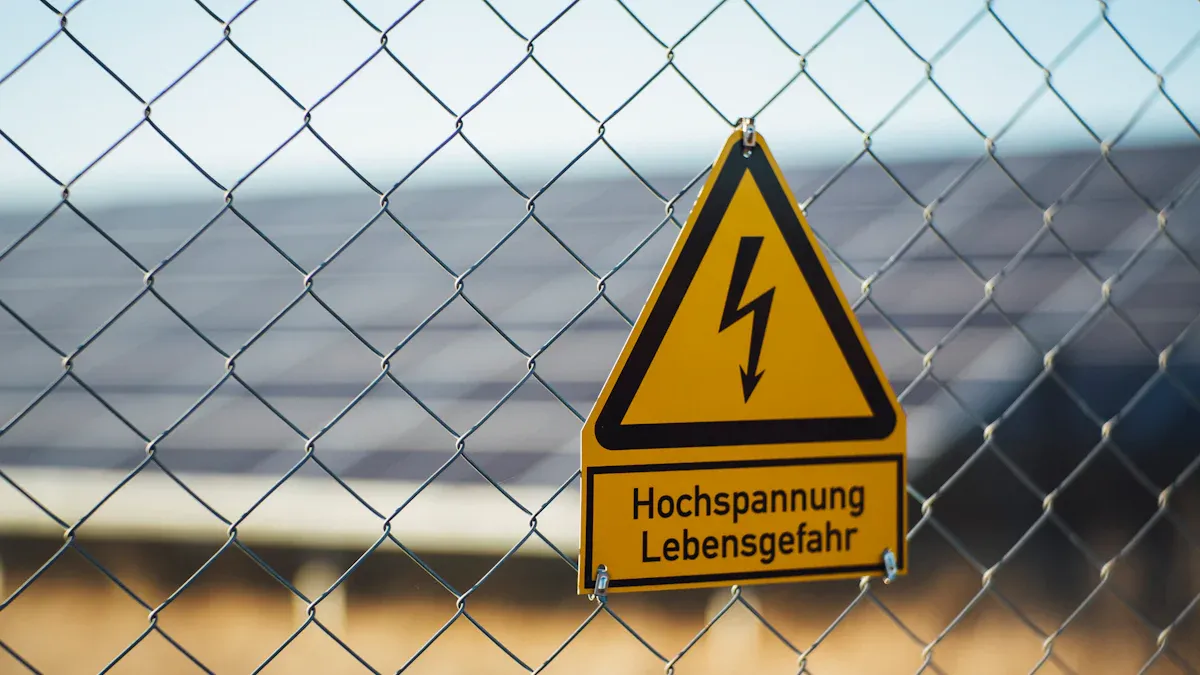
Electricity can be very dangerous during the solar installation process. Solar panels start making power when sunlight hits them. Some parts can still shock you even if you turn off the main switch. Many accidents happen because of mistakes or broken equipment.
Think about the risk of electrical shocks. Solar panels are electrical devices. One wrong move can shock you. This can cause burns or even stop your heart.
The most common ways people get shocked during solar panel installation are:
- Bad wiring
- Rusty cables
- Touching live parts by accident
- Solar panels making power when light hits them
Electrical shocks can cause:
- Burns
- Heart trouble
- Death
Short circuits can happen from loose wires, rusty cables, or bad grounding. You should always act like wires and panels are live. Even a small mistake can hurt you badly.
Safety Protocols
You can stay safe by following strict safety rules during the solar installation process. OSHA says you must do certain things to protect yourself. Here are some important rules:
| Protocols | Description |
|---|---|
| Lockout/Tagout Procedures | Makes sure electrical systems are off during work so no one gets shocked. |
| Training Programs | Teaches workers how to be safe and handle electrical parts. |
| Personal Protective Equipment (PPE) | Use gloves and special clothes to protect against electrical dangers. |
| Awareness of Electrical Hazards | Learn about the dangers of high voltage and current in photovoltaic systems. |
| Safety Covers and Barriers | Put these up to stop people from touching live parts by mistake. |
When you use lockout/tagout (LOTO), you make sure no one can turn on the power while you work. Good safety steps include:
- Teaching all workers about LOTO and solar dangers
- Wearing the right PPE, like gloves that protect you
- Telling everyone when LOTO is being used
- Checking and updating LOTO plans often
- Locking out both DC and AC sides of the system
You should always disconnect fuses, lock out circuits, and use safety covers. These steps help stop accidents and keep you safe during every solar installation process.
Heat-Related Illnesses
Hot Weather Risks
Working outside during the solar installation process can be very hot. High heat and strong sun can make you sick fast. You might get heat exhaustion or even heat stroke. Construction jobs, like solar work, are hard and often on rooftops or in open fields. This makes heat stress more likely. Many workers are new and may not know the signs of heat illness.
| Key Findings | Details |
|---|---|
| Elevated Risk | Construction workers, including solar installers, face a higher risk of heat stress due to strenuous work and high temperatures. |
| Industry Growth | The demand for solar installation has led to an increase in workers, many of whom are immigrants, further raising the risk of heat-related illnesses. |
| Lack of Regulations | There are few regulations in place to protect these workers from heat stress, contributing to the prevalence of heat-related illnesses. |
Look out for these signs of heat exhaustion and heat stroke: heavy sweating, cold or wet skin, muscle cramps, headache, dizziness, feeling weak, nausea, throwing up, fast heartbeat, or confusion.
Tip: If you see any of these signs, stop working right away. Move to a cooler spot.
Prevention and Hydration
You can stay safer by doing simple things. Drink water often, even if you are not thirsty. Take breaks in the shade or inside. Try not to work when it is hottest, from 10 am to 4 pm. If you are new, start with short shifts and slowly work longer in the sun.
- Employers should give lots of breaks and change work hours to avoid the hottest times.
- Workers should not be in the heat too long on their first day. They should slowly get used to it.
- When it is very hot, between 103 and 115 degrees, employers must give water, remind workers to drink, and make sure they take breaks.
- If it is hotter than 115 degrees, move nonessential work to cooler days.
- Stay out of the sun from 10 am to 4 pm, work in shade, and let your body get used to the heat.
You can also use other ways to stay cool:
- Put solar panels in shady spots during the hottest part of the day.
- Tilt panels to let air move better.
- Pick roof materials that do not get too hot.
- Make space for air to flow under panels.
- Use fans to help cool the panels.
- Watch temperature changes with a tracking system.
Doing these things helps keep you and your team safe from heat-related illnesses during the solar installation process.
Caught-in and Struck-by Hazards
Equipment Risks
You face real dangers from heavy equipment and falling tools during the solar installation process. Many workers get hurt when they get caught in moving parts or struck by objects. You must stay alert around machines and always watch for hazards above and below.
Some equipment that often causes these incidents includes:
- Cranes and boomforks can trap hands or feet if you get too close.
- Trenchers and scissor lifts have moving parts that can catch clothing or limbs.
- Tools or equipment can fall from roofs and hit you or others below.
A wrench slipping from a rooftop can strike someone on the ground. A worker’s glove can get pulled into a moving part of a lift. These accidents can cause broken bones, deep cuts, or worse. You should never stand under suspended loads or place your hands near moving machinery.
Note: Always keep your work area clean and organized. This reduces the chance of tripping or getting caught in equipment.
Protective Measures
You can protect yourself by using the right safety gear and following strict protocols. New advancements in personal protective equipment help keep you safe on the job.
- Wear a helmet to protect your head from falling objects.
- Use safety glasses to shield your eyes from dust and sunlight.
- Put on gloves for better grip and to prevent cuts or shocks.
- Choose high-visibility clothing so others can see you easily.
- Wear non-slip boots for ankle support and to avoid slips.
- Use harnesses and lanyards when working at heights.
- Wear a mask or respirator if you work in dusty areas.
You should also use insulated gloves, safety glasses with side shields, and hard hats. Fire-resistant clothing and non-conductive boots add extra protection. Make sure you check your gear before every shift.
Regular safety meetings help everyone remember the rules. You should review and update your safety protocols often. This keeps you and your team ready for any hazard during the solar installation process.
You help keep the solar installation process safe. Always look for trips, electrical hazards, heat illness, and equipment risks. You should fix these problems each time you work. Safety training helps you learn new rules and do better work. It also helps your team act responsibly:
- Find out about new safety steps.
- Make your work better.
- Stop accidents from happening.
Check the site before you begin. This helps you find dangers and plan how to stay safe.
| Safety Aspect | Description |
|---|---|
| Electrical Safety | Look at wiring and grounding. |
| Mechanical Safety | Make sure panels and frames are tight. |
| PPE | Wear the right gear for each job. |
Always pay attention and put safety first, no matter who you are.
FAQ
What should you do if someone falls during solar installation?
Stay calm. Call for help right away. Do not move the person unless there is danger. Check for breathing and bleeding. Give first aid if you know how. Wait for emergency services to arrive.
How can you tell if you have heat exhaustion?
You may feel dizzy, weak, or sick to your stomach. You might sweat a lot or get a headache. If you notice these signs, stop working and rest in a cool place. Drink water.
Why do you need to wear gloves when installing solar panels?
Gloves protect your hands from cuts, burns, and electric shocks. They also help you grip tools and panels better. Always check your gloves for damage before you start work.
What is the most important safety gear for rooftop work?
A safety harness is the most important. It keeps you from falling off the roof. You should also use guardrails and non-slip boots for extra protection.
Can solar panels shock you even if the system is off?
Yes. Solar panels make electricity when sunlight hits them. Some parts can still carry power even if you turn off the main switch. Always treat panels and wires as if they are live.
See also
Features and Functions of DIN Rail Mount Terminal Blocks Explained
Potential hazards of old circuit breakers
KCP10pro Single pole miniature circuit breaker
Understanding the OEM Workflow in Micro Circuit Breaker Production
What Makes Electrical Safety Standards Essential for Businesses