
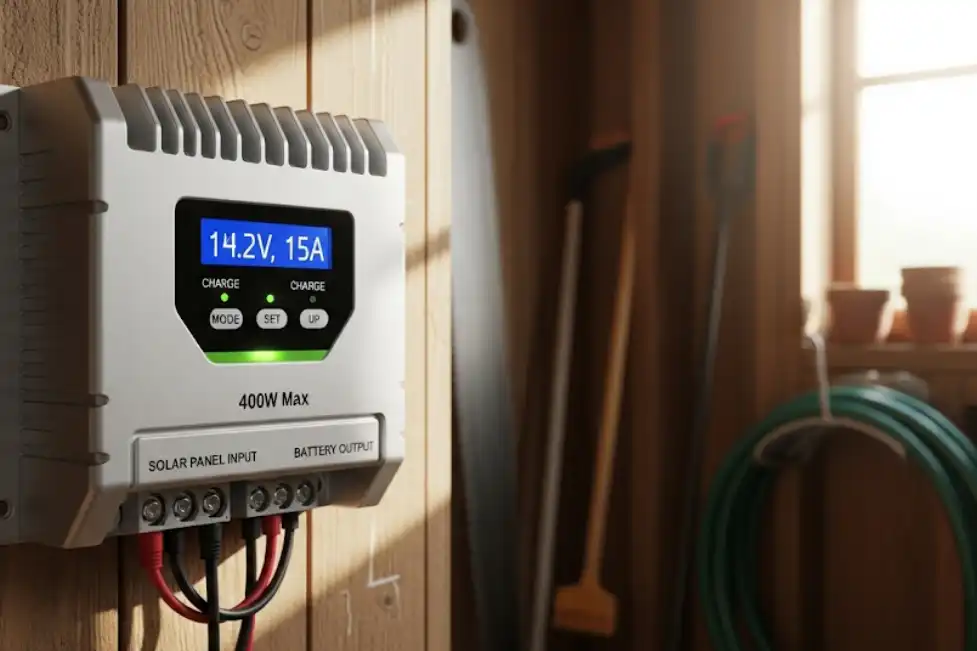
If you use a 400 watt solar panel, you must pick the right charge controller size. The battery voltage is very important. For a 12V system, you need a charge controller that is about 35A. This is because the math shows you need about 33.3A. Most experts say you should get a controller that is the same or a little higher than this number.
Always add a safety margin to keep your system safe. This helps your solar setup work well and stay safe.
- 12V battery system: 35A charge controller is best
- 24V battery system: You can use a lower amp rating
Key Takeaways
- If you have a 12V battery system, pick a charge controller with at least 40A. This keeps your system safe and working well.
- If you use a 24V battery system, a 20A charge controller is enough. This gives you extra safety and lets you upgrade later.
- Always add 25% more to your calculations for safety. This helps protect your system from too much power or getting too hot.
- MPPT charge controllers work better than PWM controllers. They are best when the weather changes a lot. They help you get the most energy from your solar panel.
- Look at your solar panel and battery details before you buy a charge controller. This makes sure everything works together and does its best.
400 Watt Solar Panel Charge Controller Size
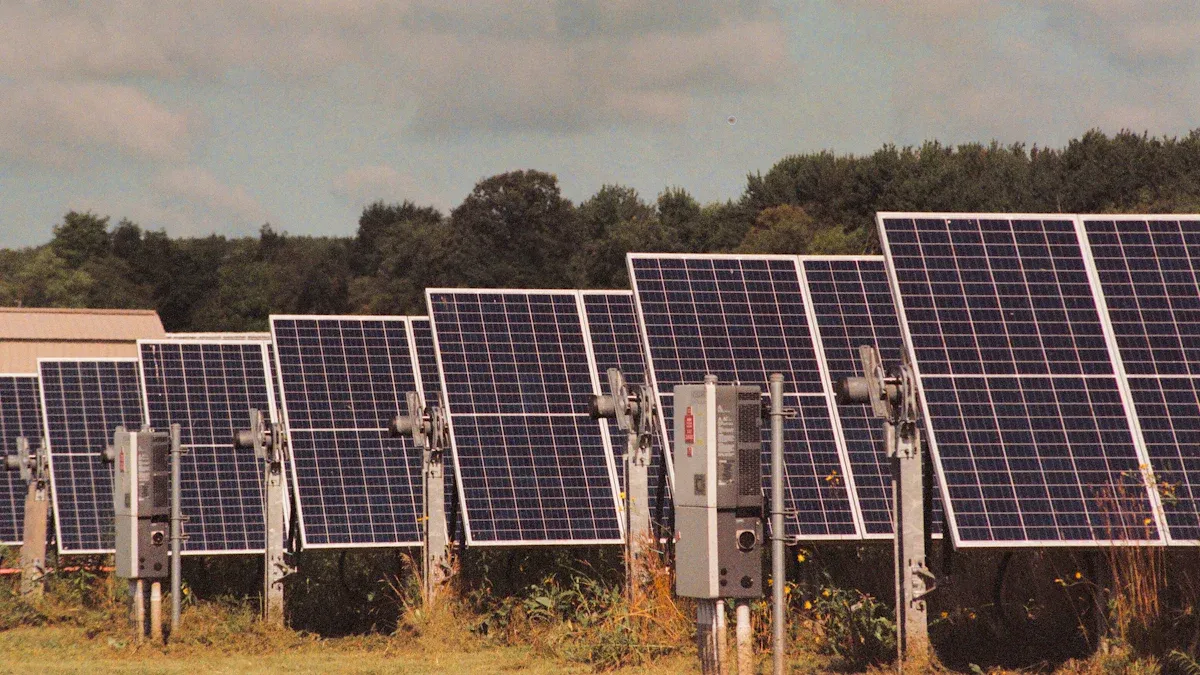
Choosing the right charge controller for your 400 watt solar panel helps you protect your battery and get the most energy from your system. You must match the controller size to your battery voltage. Most companies make controllers that fit common setups, so you can find the right one easily.
12V System
If you use a 12V battery system with your 400 watt solar panel, you need a charge controller that can handle enough current. You get the current by dividing the panel wattage by the battery voltage. For a 12V system, the math looks like this:
Tip: Always add a safety margin to your calculation. This keeps your system safe during high sunlight or unexpected surges.
- 400 watts ÷ 12 volts = 33.3 amps
You should not pick a controller that matches this number exactly. You need a safety margin of about 25%. Most experts recommend a 40A charge controller for a 12V system. This gives you extra protection and helps your system last longer. Many brands offer 40A controllers as a standard choice for this setup.
24V System
A 24V battery system needs less current for the same 400 watt solar panel. You use the same formula:
- 400 watts ÷ 24 volts = 16.6 amps
You add a 25% safety margin to this number. A 20A charge controller works well for a 24V system. This size gives you enough room for safety and future upgrades. Most companies sell 20A controllers as the standard for 24V setups.
| System Voltage | Panel Wattage | Calculated Amps | Recommended Controller Size | Standard Controller Offered |
|---|---|---|---|---|
| 12V | 400W | 33.3A | 40A | 40A |
| 24V | 400W | 16.6A | 20A | 20A |
You should always check the specs of your solar panel and battery before buying a charge controller. Pick a controller that matches your needs and gives you a safety margin.
Sizing Calculation
Formula
You can use a simple formula to find the right charge controller size for your solar setup. This formula helps you match your solar panel output to your battery system. The industry standard formula is:
Controller Amps = (Total Solar Panel Watts ÷ Battery Bank Voltage) × 1.25
The 1.25 factor adds a 25% safety margin. This margin protects your system from power surges and high sunlight days.
Here is a quick table to help you remember the formulas:
| Calculation Step | Formula Example |
|---|---|
| Basic Current | Panel Watts ÷ Battery Voltage |
| With Safety Margin (25%) | (Panel Watts ÷ Battery Voltage) × 1.25 |
💡 Tip: Always use the formula with the safety margin. This keeps your charge controller from overloading.
Example
Let’s walk through the steps for a 400 watt solar panel on both 12V and 24V systems.
12V System
- Find the current:
400W ÷ 12V = 33.33A - Add the safety margin:
33.33A × 1.25 = 41.66A - Choose a controller:
You need a charge controller rated at least 40A or 45A.
24V System
- Find the current:
400W ÷ 24V = 16.66A - Add the safety margin:
16.66A × 1.25 = 20.83A - Choose a controller:
You need a charge controller rated at least 20A or 25A.
📝 Note: Always round up to the next standard controller size. This gives your system extra protection and room for future upgrades.
Safety Margin
Why It Matters
You may ask why a safety margin is needed. The reason is that it keeps your solar system safe. It also helps your system work for many years. Sometimes, solar panels make more current than you think. This happens on very sunny days. If your charge controller is too small, it can get too hot. It might even stop working.
Tip: A safety margin lets your charge controller handle sudden jumps in current. It helps your system run well.
Adding a safety margin gives your system extra space for:
- Sudden sunlight that makes panels work harder
- Power surges that happen sometimes
- Upgrades, like adding more panels later
Sizing your charge controller with a safety margin protects it from harm. This also helps your controller last longer. It works better and does not overheat. You avoid problems that can break your equipment.
Experts say you should use a 25% safety margin. This means your controller should be rated at least 125% of the highest current your solar panels can make. If you follow this rule, your system can handle any weather.
How to Apply
It is easy to use a safety margin. You multiply the current from your solar panels by 1.25. This shows the smallest size your charge controller should be.
For example, if your 400 watt solar panel makes 16.6 amps on a 24V battery:
- 16.6A × 1.25 = 20.75A
You should pick the next standard size. So, you would choose a 20A or 25A controller.
Here is a simple way to remember the steps:
- Find the current:
Panel Watts ÷ Battery Voltage - Add the safety margin:
Current × 1.25 - Pick a controller with a rating that matches or is higher.
🛡️ Remember: Using a 25% safety margin helps your charge controller last longer. It keeps your solar system safe, even when power surges happen.
MPPT vs PWM Controllers
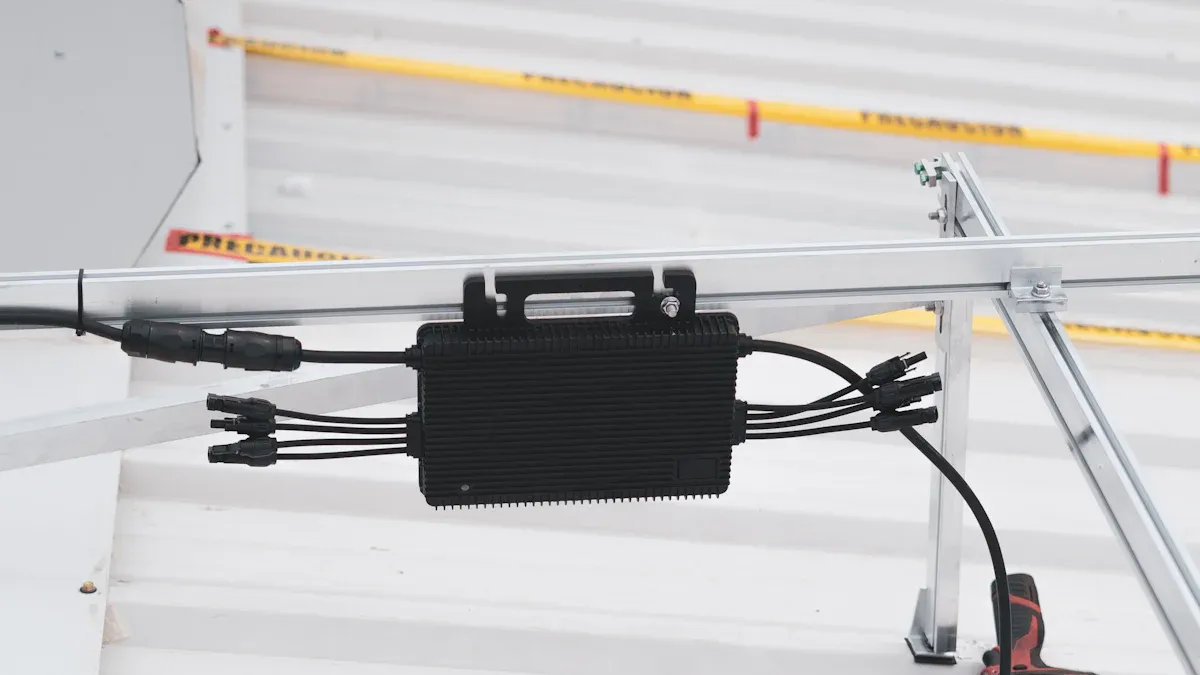
Key Differences
When you pick a charge controller, you see two types. These are MPPT and PWM. Each type works in its own way. They give you different results.
Here is a table that compares MPPT and PWM controllers:
| Feature | MPPT Charge Controller | PWM Charge Controller |
|---|---|---|
| Voltage Utilization | Converts extra voltage into more amps | Uses voltage that matches the battery bank |
| Efficiency in Temperature | Works better in hot and cold | Loses power when temperature changes |
| Voltage Modulation | Changes both voltage and current | Only changes current, lowers total wattage |
| Ideal Conditions | Good for places with changing weather | Best for places with steady, mild weather |
- MPPT controllers turn extra voltage into more power for your battery.
- PWM controllers only use voltage that matches your battery.
- MPPT controllers work well when the weather changes a lot.
- PWM controllers lose power when it gets hot or cold.
📝 Tip: If you live where winters are cold or summers are hot, MPPT controllers help your system work better.
Best Choice for 400 Watt Solar Panel
You want to get the most energy from your 400 watt solar panel. MPPT charge controllers help you do this. They use smart technology to turn extra voltage into more current. This means you get more power, especially when your panel voltage is much higher than your battery voltage.
Here is a table that shows how efficient each type is:
| Charge Controller Type | Efficiency | Key Features |
|---|---|---|
| MPPT | 95% or higher | Gets more power in different conditions, works well with shade and temperature changes |
| PWM | Lower than MPPT | Does not change solar energy as well, has trouble when panel and battery voltage are very different |
MPPT controllers cost more than PWM controllers. But they work better and give you more power. You can see the price difference in this chart:
You should pick an MPPT charge controller for your 400 watt solar panel if you want the highest efficiency. MPPT controllers help you get more energy, especially when your solar panel voltage is higher than your battery voltage. PWM controllers are best for small, simple systems with steady weather.
⚡ Note: MPPT controllers give you more power and work better in tough weather. They cost more, but you get more energy for your money.
Quick Reference & Tips
Size Table
This table helps you pick the right charge controller size. It gives the usual choices for a 400 watt solar panel. Look at your battery voltage and find the matching controller size.
| Battery System Voltage | Charge Controller Size |
|---|---|
| 12V | 35A |
| 24V | 20A |
📋 Tip: Always use a controller that fits your battery voltage and panel size. This keeps your system safe and working well.
Installation Tips
Here are some steps to help you install your charge controller safely:
- First, connect the charge controller to the battery. This helps the controller turn on the right way.
- Check that all wires are tight and secure. Turn on the controller and see if the battery is working.
- Next, connect the solar panels to the charge controller. Make sure the positive and negative wires are correct so nothing gets damaged.
⚡ Note: Always read the manual before you start. Good wiring and careful setup stop problems from happening.
Other Considerations
Think about these things when setting up your 400 watt solar panel system:
- Temperature changes can change how much power your panels make and how your battery charges.
- Hot days can lower the panel voltage and charging power.
- Cold days might make the voltage go higher than the controller can handle.
- Charging your battery is different in hot or cold weather. This can make your battery charge too much or not enough.
- Choose a charge controller with temperature compensation or an outside sensor if you live where it gets very hot or cold.
Also, remember these things about controller size:
- If your charge controller is too small, your system might not work right. It could even break because it cannot handle all the power.
- If your controller is too big, you pay more money but do not get better results.
🛡️ Tip: The right charge controller size keeps your system safe and helps you save money.
Pick a 40A charge controller for a 12V system. Use a 20A controller for a 24V system with your 400 watt solar panel. Always add a safety margin to keep your battery and controller safe. Follow the steps and look at the table to choose the right size.
- Check the short-circuit current and battery charging limits.
- Choose a controller with temperature compensation for extra safety.
- If your system is hard to set up, ask a solar expert for help.
This helps your solar system stay safe and work well.
FAQ
What happens if I use a charge controller that is too small?
If you use a controller that is too small, it can overheat or shut down. Your system may not charge your battery well. You risk damaging your equipment.
Can I use a larger charge controller than needed?
Yes, you can use a larger controller. It will not harm your system. You do not get extra power, but you gain more flexibility for future upgrades.
Do I need a fuse between my solar panel and charge controller?
Yes, you should install a fuse. A fuse protects your system from short circuits and electrical fires. Place the fuse close to the battery or controller for best safety.
How do I know if my charge controller is working?
- Check the display or indicator lights.
- You should see charging status or battery voltage.
- If you see error codes or no lights, check your wiring and connections.
Can I connect more solar panels to my charge controller later?
You can add more panels if your charge controller can handle the extra current. Always check the maximum amp rating before adding panels. If you go over the limit, you need a bigger controller.
See also
What You Need to Know About PWM and MPPT in 2025
How to calculate the capacity of a circuit breaker
What is the recommended MCB size for connecting solar panels
How to Determine the Right Solar Panel Size for MPPT
How to connect solar panels to 12 volt batteries and inverters