

You do not always have to get a new overload circuit breaker after it trips. Tripping keeps your home safe from electrical dangers. Most circuit breakers can trip many times before they stop working. You should look for damage and think about what made the breaker trip.
- Circuit breakers often trip between 5,000 and 10,000 times in their life
- If the breaker trips a lot, there may be electrical trouble
- Fixing problems fast can help your breaker work longer
Safety comes first. Take time to check things carefully before you choose what to do next.
Key Takeaways
- Circuit breakers can trip many times before you need to replace them. Check for any damage and try to find out why it tripped.
- Look for signs of overheating, like burn marks or a burning smell. These signs mean the breaker might fail and needs quick attention.
- If the breaker trips a lot, there could be a bigger problem. If it trips when nothing is plugged in, call a licensed electrician to check it.
- Doing regular maintenance and inspections can stop big electrical problems. Stay alert to keep your home safe.
- If you see damage or hear strange sounds from the breaker, do not ignore them. Get help from a professional to stay safe.
Why Breakers Trip
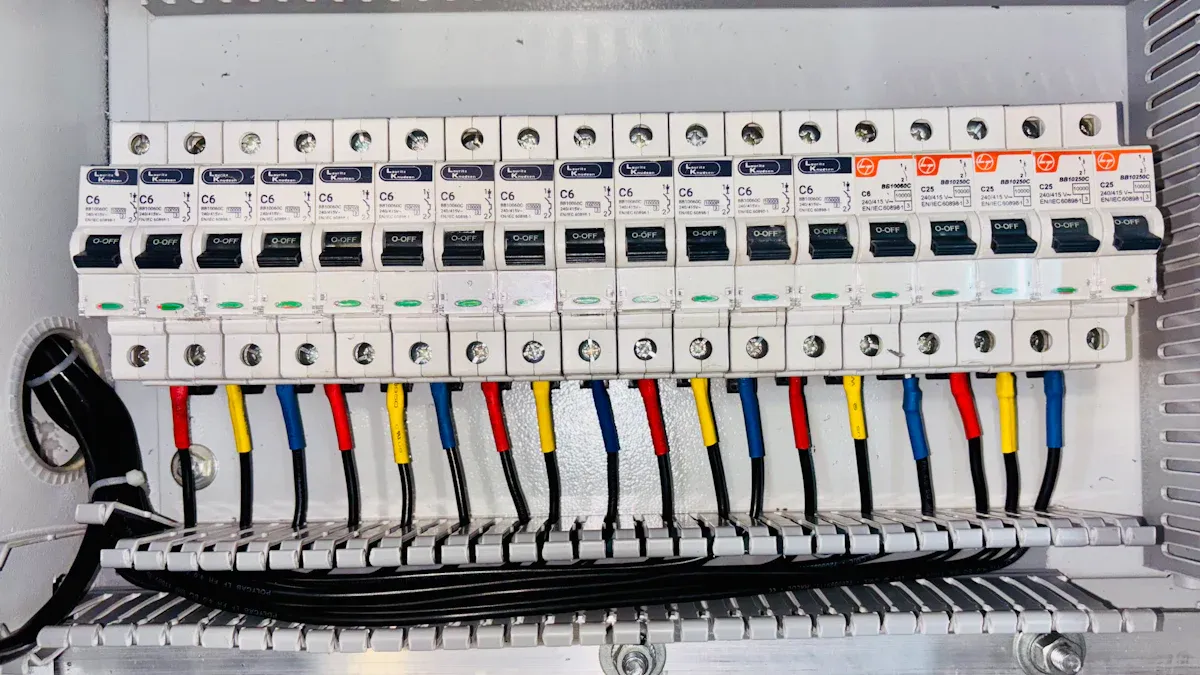
When your circuit breaker trips, it acts as a safety guard for your home. You need to know why it happened before you decide if you should replace the overload circuit breaker. Breakers trip for several reasons. Some causes are simple, while others need quick attention.
| Cause | Explanation |
|---|---|
| Overloaded Circuit | Too many appliances draw more power than the circuit can handle, often due to high-wattage devices. |
| Short Circuit | A hot wire touches another hot wire or a neutral wire, causing a surge of current. |
| Ground Fault | A hot wire contacts the ground wire or metal outlet box, leading to unintended current paths. |
Overload Circuit Breaker Causes
You may see your overload circuit breaker trip when you plug in too many devices at once. For example, running a microwave, toaster, and coffee maker on the same circuit can push it past its limit. The breaker senses this and shuts off power to prevent overheating or fire. This type of trip often means you need to move some devices to another outlet or unplug something. If you keep having this problem, your overload circuit breaker may wear out faster. Frequent tripping, even with normal use, can show that the breaker cannot handle its load anymore.
Short Circuits and Faults
Short circuits happen when a hot wire touches a neutral wire or another hot wire. This creates a sudden surge of electricity. You might hear a pop or see sparks. Ground faults are similar, but the hot wire touches the ground wire or a metal box. Both problems can damage your overload circuit breaker. If you notice these issues, you should not just reset the breaker. You need to find and fix the cause. Sometimes, these faults can harm the breaker so much that you must replace it.
Tip: Always try to find out why your breaker tripped. If you ignore the cause, you risk damaging your electrical system or creating a fire hazard.
Check for Damage
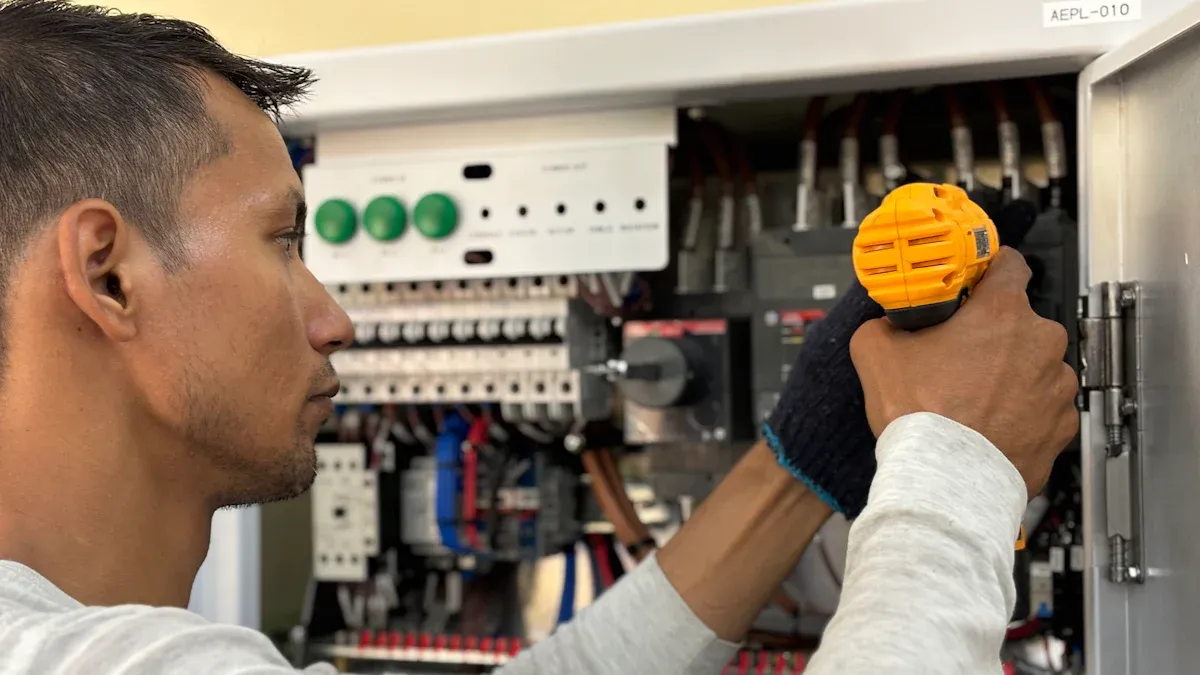
When your breaker trips, you should look for damage. Checking carefully helps you find problems early and keeps your home safe.
Signs of Overheating
Overheating is a big warning sign. Watch for these clues:
- Burn marks on the breaker or panel
- Melted plastic or insulation close to the breaker
- Wires or connectors that look discolored
- A burning smell from the electrical panel
If you see any of these signs, your overload circuit breaker might be failing. Burned insulation and wires that change color mean the breaker did not trip fast enough. This can cause dangerous overheating. Sometimes, a corroded breaker makes wires get too hot. If this happens, you need to replace the breaker right away.
Tip: If the panel feels warm or hot, stop and call a licensed electrician. Heat from the panel can mean a big problem.
Physical Defects
Physical damage is another reason to get a new breaker. Always turn off the power before you check the breaker. Use insulated tools so you do not get shocked. Look for these problems:
- Cracks or chips in the breaker case
- Rust or corrosion on the breaker or panel
- Loose or broken wires near the breaker
Bad smells, like something burning, also mean trouble. If you see rust or corrosion, the breaker may not work right. Damaged breakers might not keep your home safe from electrical dangers.
If your breaker keeps tripping after you reset it, or if you see any of these problems, call a licensed electrician. Never ignore damage or signs of overheating. Acting fast can stop bigger problems and keep your electrical system safe.
Test and Observe
Reset the Breaker
You can test your circuit breaker by following a simple reset process. Start by getting a flashlight so you can see the panel clearly. Turn off all devices connected to the circuit. Open the electric service panel and find the breaker that tripped. Move the breaker to the OFF position. Wait about one minute. Flip the breaker back to the ON position. Turn on your devices one at a time to check if the circuit works.
- Get a flashlight for better visibility.
- Turn off all devices on the affected circuit.
- Open the panel and locate the tripped breaker.
- Switch the breaker to OFF.
- Wait one minute.
- Flip the breaker to ON.
- Test devices one by one.
If the breaker trips again right away, even with no devices connected, you may have a short circuit or ground fault. This means you should not keep resetting the breaker. You need to find the cause or call a professional.
Watch for Recurring Trips
Frequent tripping is a warning sign. If your breaker trips often, or if it trips with no load, you might have a failing breaker or a problem in the wiring. Listen for unusual sounds or check for heat around the breaker. Burning smells or scorch marks mean you need help from an electrician.
Most breakers in homes last 30 to 40 years with normal use. They can handle about 10,000 operations. However, if you experience two or three fault interruptions, the lifespan drops. Breakers in places with heavy loads, like businesses, wear out faster. If your overload circuit breaker keeps tripping, or if you notice loose breakers that do not stay in position, replacement is likely needed.
| Breaker Type | Lifespan (Years) | Notes |
|---|---|---|
| Home Circuit Breaker | 30-40 | Lasts longer with proper maintenance |
| Commercial/Industrial | 15-25 | Shorter life due to heavier loads |
Tip: Always watch for patterns. If multiple breakers trip often, your panel may be too small for your needs.
When to Replace
Overload Circuit Breaker Warning Signs
It is important to know when to get a new overload circuit breaker. Some warning signs are easy to see. If you notice these things, you should act fast:
- The breaker will not reset, even after many tries.
- The breaker trips even when nothing is plugged in.
- You see burn marks, melted plastic, or smell burning near the breaker.
- The breaker trips a lot, even with normal electricity use.
- The main breaker trips after you turn off all other breakers.
- Outlets feel warm or look like they changed color.
- Lights flicker or get dim for no clear reason.
- You hear buzzing from outlets or switches.
- Outlets get too hot or feel warmer than usual.
If your breaker trips a lot, it might be worn out inside. Old parts, loose wires, or worn-out pieces can make it trip for no reason. If your breaker is very old, it may trip even when there is no real problem. Resetting the breaker too much can also cause damage and make it trip more.
Note: Do not ignore these signs. A bad breaker can put your home in danger.
Main Breaker Issues
Trouble with the main breaker can affect all the other breakers. If the main breaker trips after you turn off the others, you might have a big electrical problem. Main breaker trouble can make other overload circuit breakers trip and get too hot. This can cause fires and damage your appliances. Circuits that get too full can overheat wires and start fires. If you keep using circuits that trip a lot, you might need costly repairs.
Alert: Ignoring these signs is risky. Hot parts can start fires. If you smell burning or see signs of old fires, replace the breaker right away. A burning smell that will not go away can mean electrical arcing, which is very dangerous.
If you see any of these problems, call a licensed electrician. Getting a new overload circuit breaker can help keep your home and family safe.
When Not to Replace
Temporary Overload
Sometimes, your circuit breaker trips because you plugged in too many devices at once. This is called a temporary overload. The breaker works as it should by shutting off the power to stop overheating or fire. You do not need to replace the breaker if this happens only once in a while.
- Circuit breakers protect your home by tripping during overloads.
- Most breakers reset easily. You only need to flip the switch back to the “on” position.
- If the breaker resets and works normally, you do not have a bigger problem.
Tip: Always turn off all lights and appliances on the affected circuit before you reset the breaker. This helps prevent another overload.
Safe to Use After Reset
You can keep using your breaker if it trips from a temporary overload and shows no signs of damage. Follow these steps to make sure it is safe:
- Turn off all connected devices on the circuit.
- Reset the breaker by moving it to the “OFF” position, then back to “ON.” You should hear a click.
- Watch the system after resetting. If the breaker stays on and works as usual, you can use it safely.
If the breaker trips again right away, do not keep resetting it. This could mean a short circuit or another problem that needs attention.
⚡ Note: If you see burn marks, melted parts, or smell burning, do not use the breaker. Call a licensed electrician.
Preventing Future Trips
You can take steps to stop your breaker from tripping again:
- Install dedicated circuits for high-power appliances like microwaves or air conditioners.
- Upgrade your circuit breaker if you use more electricity now than when your home was built.
- Rewire your home if the wiring is old or cannot handle your current needs.
- Manage appliance usage. Do not run many high-wattage devices on the same circuit.
- Check your circuit breaker ratings. Know the maximum amperage for each circuit.
- Add up the wattage of your devices. Make sure you do not go over the circuit limit.
- Spread out high-demand devices across different circuits.
- Inspect your electrical system regularly to catch problems early.
🛠️ Tip: Regular inspections help you find issues before they become serious.
Monitor for Patterns
Keep track of how often your breaker trips. If you notice it happens a lot, you might have a bigger problem. Frequent trips can mean your circuit is overloaded or your breaker is wearing out. A breaker that will not stay reset often points to a short circuit or ground fault. In these cases, you should call a professional.
Remember: A breaker that trips once from a temporary overload and works fine after reset does not need replacement. Watch for patterns and act quickly if you see repeated trips.
Next Steps
Call a Professional
Sometimes you need to call a licensed electrician. Some problems are too risky to fix alone. If you notice any of these things, get help:
- The breaker trips again right after you reset it. This could mean something is very wrong.
- You smell burning or see dark spots near outlets. Too much heat can start a fire.
- The breaker trips even when nothing is plugged in. This might mean there is a wiring problem.
- You hear buzzing or crackling from the panel. This could mean wires are sparking inside.
- You use extension cords a lot. Your home may not have enough circuits.
- Your house has old wiring. Old wires can break more easily.
- You put in a new breaker, but the problem is still there.
Tip: If you keep resetting the same breaker, something is wrong. Do not ignore burning smells, dark marks, or buzzing noises. These mean you need an expert.
If you ignore these warning signs, things can get worse. Here are some things that could happen:
| Consequence | Description |
|---|---|
| Electrical Fires | Bad wiring or too much power can start a fire and put people in danger. |
| Appliance Damage | Power surges can break your appliances and cost a lot to fix. |
| Power Outages | Unfixed problems can cause the power to go out often and make life harder. |
| Safety Hazards | Short circuits and ground faults can shock you, especially in wet places. |
Safety Tips
You can keep your home safe by doing these easy things:
- Always close the panel door after you check a breaker.
- If the breaker trips again right away, do not reset it. Call an electrician.
- Check your appliances for problems or too much power. Unplug anything that looks or smells bad.
- Look for burning or dark spots around outlets and switches.
- Check wires for cuts or metal showing. If you see this, call a professional.
- Make sure you use the right size breaker. All breakers should fit tight in the panel.
⚡ Remember: Never ignore a breaker that keeps tripping. Safety is most important. If you are not sure, ask a licensed electrician for help.
Check your overload circuit breaker if it trips a lot, looks damaged, or smells like something is burning. Watch your wiring and how much power you use to find problems early.
- Changing the breaker on time helps stop electrical fires and keeps your home safe.
- Following safety rules and asking a licensed electrician for help keeps your family safe.
| Key Takeaway | Benefit |
|---|---|
| Regular maintenance | Stops big dangers |
| Professional help | Makes sure things are safe |
| Newer breakers | Save more energy |
If you pay attention and act fast, you can stop expensive repairs and keep everyone safe.
FAQ
What should you do if your breaker trips often?
You need to check for overloaded circuits or damaged wiring. Unplug some devices and reset the breaker. If it keeps tripping, call a licensed electrician. Frequent trips can mean a bigger problem.
Can you replace a circuit breaker by yourself?
You should not replace a breaker unless you have electrical training. Mistakes can cause fires or shocks. Always call a licensed electrician for safe replacement.
How do you know if your breaker is bad?
Look for burn marks, melted parts, or a burning smell. If the breaker will not reset or trips with no load, it may be bad. You need to replace it if you see these signs.
Is it safe to keep resetting a tripped breaker?
You should not keep resetting a breaker that trips often. This can hide serious problems. Find the cause first. If you cannot fix it, call a professional.
What causes a breaker to trip with nothing plugged in?
A breaker can trip with no load because of a short circuit, ground fault, or internal damage. You need to get help from an electrician to find and fix the problem.
See also
Why Won’t My Circuit Breaker Reset and What Can I Do?
Step-by-Step Guide to Replacing Miniature Circuit Breakers
How to Test a GFCI Circuit Breaker Safely
The difference between miniature circuit breakers and fuses
Essential Guide to Troubleshooting Household Circuit Malfunctions