
Choosing the right size for an automatic transfer switch starts with matching the ATS amp rating to your generator’s highest power. You need to add up all the electricity you will use and make sure the ATS follows UL1008 safety rules.
Automatic transfer switches keep things safe and working by switching power fast when the power goes out. They watch both power sources and protect against voltage changes that could hurt devices.
- Always make sure it works with your system.
- Think about where you will put it, inside or outside.
Key Takeaways
- Figure out which electrical loads are important first. Make a list of things you need if the power goes out. This helps you not pick a generator that is too big.
- Add up the power needed by checking each device’s wattage. Use the formula Watts = Volts x Amps. This helps you see if your ATS can handle everything.
- Pick an ATS with an amp rating that matches or is higher than your generator. This stops overheating and keeps things safe.
- Make sure the voltage and phase match between your generator and ATS. If they do not match, things can break or stop working.
- Ask a licensed electrician to install everything. Experts make sure the size is right and keep things safe. This helps you not make expensive mistakes.
Calculate Generator Load
Identify Essential Electrical Loads
Start by making a list of all the appliances and systems you want to keep running during a power outage. This step helps you decide what your generator must support. You should focus on the most important items for safety, comfort, and daily life.
Common essential loads include:
- Refrigerator and freezer
- Heating and cooling systems
- Water pump(s)
- Medical devices
- Lighting in key areas
- Fire alarm panel
- Elevators (for buildings with multiple floors)
- Fire pump (sprinkler system)
- ADA devices, such as automatic door openers
Tip: Not every device needs backup power. Think about which items you need at the same time. This approach helps you avoid oversizing your generator and automatic transfer switch.
Total Amps or kW Calculation
Once you have your list, you need to figure out how much power these items use. Follow these steps to calculate the total electrical load:
- Find the power rating for each device. Look at the label on each appliance. You will usually see the power listed in watts (W) or amps (A).
- Use the formula:
Watts = Volts x Amps
If you only see amps, multiply by the voltage (usually 120V or 240V) to get watts. - Add up the wattage. Write down the running watts for each device. Some appliances, like refrigerators or air conditioners, need extra power to start. Find the starting wattage and note the highest one.
- Calculate the total load. Add together the running watts for all devices you want to use at the same time. Then, add the highest starting wattage from your list.
- Convert to kilowatts (kW) or kilovolt-amperes (kVA) if needed.
- To get kilowatts: divide total watts by 1,000.
- For kVA: divide total watts by (1,000 × power factor). Most generators use a power factor of 0.8.
Here is a helpful table for quick reference:
| To Determine | Single-Phase | Three-Phase | Direct Current |
|---|---|---|---|
| kVA | I x E / 1000 | I x E x 1.73 / 1000 | — |
| Kilowatts | I x E x PF / 1000 | I x E x 1.73 x PF / 1000 | I x E / 1000 |
| Amperes (when kW is known) | kW x 1000 / (E x PF) | kW x 1000 / (1.73 x E x PF) | kW x 1000 / E |
- I = Amps, E = Volts, PF = Power Factor (usually 0.8)
Note: You can use a clamp-on ammeter to measure your home’s peak usage. For businesses, check your power bills for peak demand and add 25% extra to cover surges.
By following these steps, you make sure your generator and ATS can handle your real power needs. This process helps you avoid overloads and keeps your backup system reliable.
Match ATS to Generator Output
Choosing the right automatic transfer switch (ATS) means you must match it to your generator’s output. This step keeps your backup power system safe and reliable. If you pick an ATS that is too small, it can overheat or fail. If you choose one that is too large, you may spend more money than needed.
Check Generator Amp Rating
You need to know your generator’s amp rating before you select an ATS. The amp rating tells you the maximum current your generator can supply. You can find this information on the generator’s nameplate or in the technical manual. Look for these details:
- Power rating: Shows the generator’s power in kilowatts (kW). You use this number to help calculate amps.
- Voltage: Lists the output voltage, such as 120V or 240V. This helps you figure out the current at each voltage.
- Current: States the highest current the generator can provide. This is the amp rating you need.
If you only see the power rating and voltage, you can use this formula to find the amp rating:
Amps = Watts / Volts
For example, if your generator has a 10,000-watt (10 kW) rating and runs at 240 volts, the amp rating is:
Amps = 10,000 / 240 = 41.7
Always round up to the next standard size when you select equipment.
Select ATS with Equal or Higher Rating
After you know your generator’s amp rating, you must choose an ATS with an amp rating that is equal to or higher than your generator’s output. This rule keeps your system safe and prevents overloads. Never use an ATS with a lower amp rating than your generator.
You also need to check that your ATS meets important safety standards. Look for these certifications:
| Standard | Description |
|---|---|
| UL 1008 | Sets safety and testing rules for transfer switches. Ensures reliability. |
| NFPA 110 | Lists requirements for emergency and standby power systems. |
| NFPA 70 | Gives electrical safety rules, especially for healthcare buildings. |
Tip: Always check for a UL 1008 label on the ATS. This label means the switch passed strict safety tests.
When you follow these steps, you make sure your ATS can handle the full load from your generator. You also protect your home or business from electrical hazards.
Voltage, Phase, and Coverage
Confirm Voltage and Phase Compatibility
Check the voltage and phase before you buy your generator and ATS. This helps you avoid problems and keeps things safe. Most homes use single-phase power. Big buildings and factories use three-phase power. The ATS must match your generator’s voltage and phase.
Here is a table that shows common types:
| Voltage Type | Description |
|---|---|
| Single-phase power | Used in homes (120/240V). |
| Three-phase power | Needed for big commercial or industrial sites (208V or 480V). |
Look at the voltage and frequency for your area. North America uses 120V and 60Hz. Europe uses 230V and 50Hz.
| Region | Voltage | Frequency |
|---|---|---|
| North America | 120V | 60Hz |
| Europe | 230V | 50Hz |
Tip: Always read the labels on your generator and ATS. Make sure they match your building’s power system. If you use the wrong type, your system might not work or could break.
Choose Essential or Whole-System Coverage
Decide if you want your ATS to power only important circuits or your whole house. This choice changes the size and price of your ATS and generator. Essential coverage keeps only key devices running, like lights, fridges, and heating or cooling. Whole-system coverage powers every circuit in your house.
Here is a table to help you compare:
| Coverage Type | Description |
|---|---|
| Essential Circuits Only | Powers critical appliances like lights, fridges, and heating/cooling systems. |
| Whole-Home Coverage | Powers every circuit in the house for full comfort during an outage. |
Modern ATS units have new features. Some use smart technology so you can watch your system in real time. Some ATS units work with solar or wind power. Smart systems let you control and check your system from far away. This helps you save energy and stop problems fast.
- Smart ATS units connect to the internet for easy monitoring.
- Some models switch between grid, generator, and solar power.
- Advanced systems show you real-time data and alerts.
Note: If you want full comfort during outages, pick whole-home coverage. If you want to save money and focus on safety, choose essential load coverage.
Installation and Safety Features
Indoor vs. Outdoor ATS
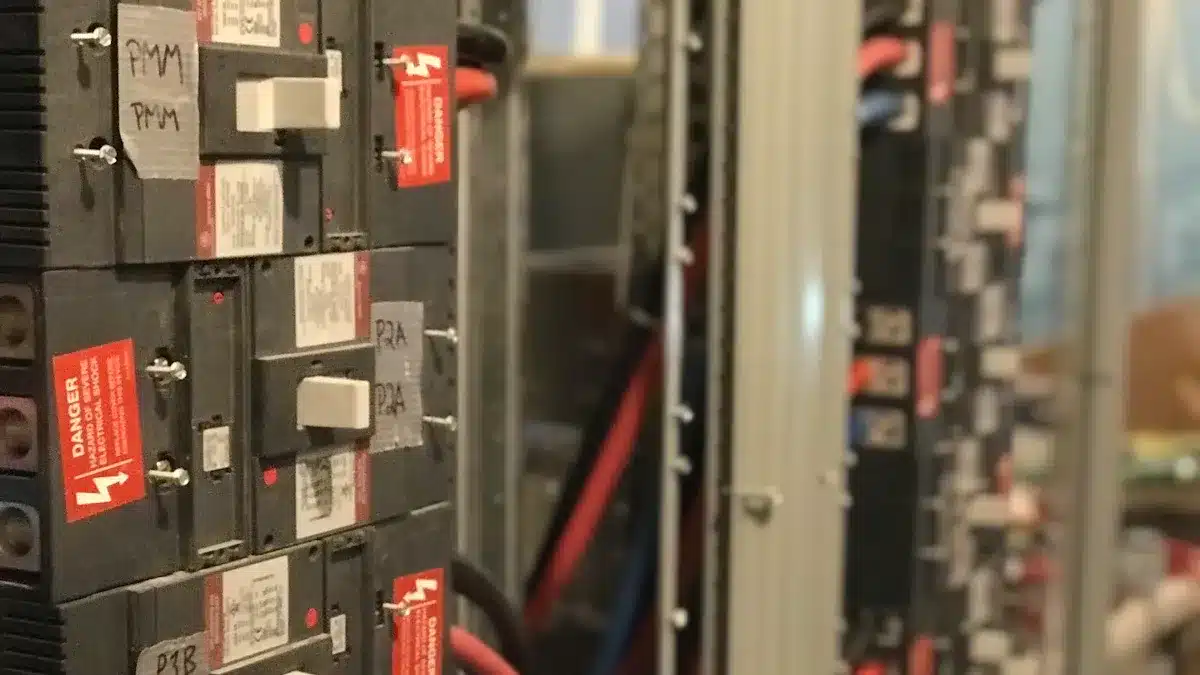
You have to pick where to put your automatic transfer switch (ATS). Some ATS units are made for inside use. Others are built to work outside in bad weather. If you put the ATS outside, get a weatherproof one. Make sure it has a strong case to keep out rain, dust, and bugs. For inside, choose a dry spot with good air flow.
If you live where there is a lot of bad weather or floods, you need extra protection. You can put outlets and wires higher up to stay above water. Use ground fault circuit interrupters (GFCIs) to stop power if there is a problem. Doing regular checkups helps you follow safety rules and keeps your system working right.
| Safety Feature | Description |
|---|---|
| Raise outlets and wiring | Put them higher to avoid water damage. |
| Use GFCIs | Shuts off power if there is a ground fault. |
| Regular maintenance | Keeps your system safe and working well. |
Tip: Do not put your ATS or generator where it floods. In places with earthquakes, use special mounts and flexible wires. Surge arrestors protect your equipment from lightning.
Load Shedding and ATS Controller Functions
Load shedding helps your generator work safely when the power goes out. The ATS can turn off things you do not need, so the generator does not get too full. This saves fuel and lets your generator run longer. The ATS always keeps important things, like medical gear or emergency lights, on first.
- Load shedding saves fuel and controls how much the generator does.
- The system keeps important things on and turns off others.
- Load management matches what the generator gives to what you need.
Modern ATS units have smart controllers. These controllers watch the power all the time. They start the switch if they see a problem. You get alerts when your backup power needs a check or more fuel. Some controllers even show which things use the most power, so you can make better choices.
- Always checks the power supply
- Switches power by itself when needed
- Sends alerts for checks or fuel
- Shows you what uses the most power
Note: Check your ATS and generator often and test them. Always follow the maker’s rules for taking care of your system.
Common Mistakes and Professional Help
Sizing Errors to Avoid
You can stop many problems if you know about common mistakes when picking an ATS for your generator. Some people choose the wrong size or put the switch in the wrong way. These mistakes can make your system not work when you need it.
| Problem | Prevention |
|---|---|
| Improper Sizing or Installation | Talk to an expert to make sure the ATS is the right size for your building’s needs. Think about your biggest power use and if you might add more things later. |
Here are some steps to help you avoid these problems: First, make sure the ATS matches your generator’s size. Next, check how much power your home uses. Then, pick which circuits you want to keep on during a power outage.
Picking the right switch is very important. If the switch is too small, it can’t handle your generator’s power or might shut off when you need it.
You should always think about what you might need in the future. If you get more appliances later, your ATS and generator must be able to handle the extra power. Check your math and look at your list of important circuits before you decide.
When to Consult an Electrician
Call a licensed electrician if you are not sure about any part of picking or putting in the ATS.
Talking to a licensed electrician is very important. They make sure the Automatic Transfer Switch (ATS) fits your real needs and help you avoid costly mistakes.
A professional electrician knows how to match the ATS to your generator and your building’s wires. Find electricians who have the right training. These certificates show they know how to work safely and install things the right way:
| Certification/Qualification | Description |
|---|---|
| Basic Plus | Safety class that teaches important safety rules. |
| OSHA 10 | Ten-hour class about safety on building sites. |
| OSHA 30 | Thirty-hour safety class for bosses. |
| Forklift | Shows they can move heavy electrical things. |
| Heavy Equipment Operator | Shows they can use big machines. |
| Scissor/Aerial Lift | Shows they can work on high platforms. |
| NCCER | Proves they have standard building skills. |
| TWIC | Needed to get into secure boat or ship areas. |
You keep your home and your money safe when you hire a trained electrician. Always check their papers before you start your project.
You can pick the right ATS for your generator by doing these things: First, write down all the loads you have, like motors and the whole system. Next, check the voltage and see if the ATS matches your generator. Make sure the ATS can handle the highest current for a long time. Look at safety certifications, such as UL or IEC. Choose if you want the ATS to cover only important things or everything.
Tip: Always get help from a professional when you choose and install.
The ATS keeps your power safe when the electricity goes out. It switches back when the main power comes back. This automatic switch helps protect your home or business.
FAQ
What does ATS mean for my generator?
ATS stands for Automatic Transfer Switch. You use it to switch power from your main supply to your generator when the electricity goes out. This device helps keep your lights and appliances running without you needing to flip any switches.
How do I know the right amp rating for my ATS?
Check your generator’s amp rating on its label. Pick an ATS with an amp rating equal to or higher than your generator. This choice keeps your system safe and helps prevent overloads.
Can I install an ATS myself?
You should ask a licensed electrician to install your ATS. Electricians know how to connect wires safely and follow local codes. This step helps you avoid mistakes and keeps your home safe.
What happens if I choose an ATS that is too small?
A small ATS cannot handle your generator’s power. You risk overheating, system failure, or even fire. Always match or exceed your generator’s amp rating when you pick an ATS.
Do I need a weatherproof ATS for outdoor installation?
If you plan to install your ATS outside, choose a weatherproof model. Weatherproof ATS units protect against rain, dust, and bugs. This choice helps your system last longer and work safely.
See also
How to Calculate the Load Capacity of a 32 Amp MCB
Top 5 Best Circuit Breaker Supplier Picks in the Middle East
What to Know Before You Purchase an Automatic Transfer Switch
How to use ATS in conjunction with a generator
What Is the Full Name of ATS in Electrical Systems