The recommended breaker size for 12 gauge (Line 12) wire is 20 amps. This matches the safety standards set by the National Electrical Code (NEC). When you use the correct Circuit breaker for Line 12, you help prevent wires from overheating. Proper installation matters. Good connections, like using screw terminals instead of bladed slots, keep your wiring safe. Poor connections can cause heating and increase fire risk, so careful inspection is important. Choosing the right breaker protects your home and your wiring.
Key Takeaways
- Use a 20 amp breaker with 12 gauge wire to keep your wiring safe and prevent overheating.
- Always match the breaker size to the wire gauge to avoid fire risks and electrical problems.
- Follow National Electrical Code (NEC) rules, including the 80% rule for continuous loads, to protect your home.
- Avoid using breakers that are too large or too small, as they can cause fires or frequent power trips.
- Check local codes and consult a licensed electrician if you are unsure about breaker choices or special cases.
Circuit breaker for Line 12
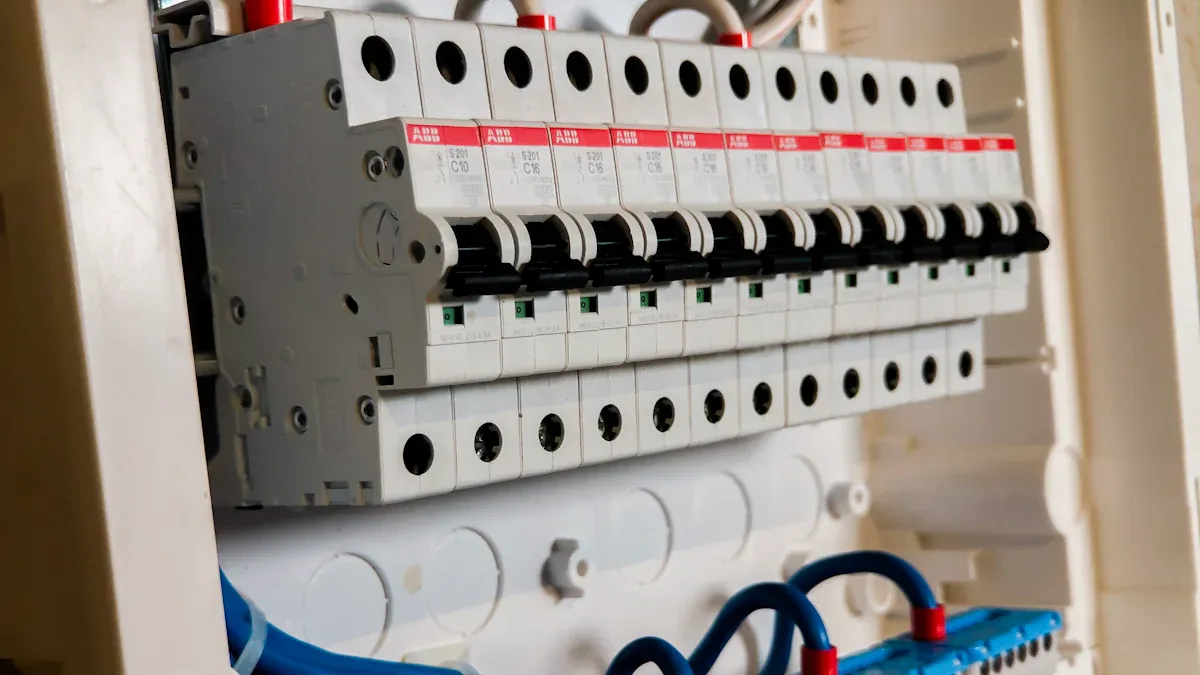
20 Amp Standard
When you choose a Circuit breaker for Line 12, you need to know the standard amp rating. In most homes, 12 gauge wire is rated for a maximum of 20 amps. This means you should use a 20 amp breaker with this wire size. Using the correct breaker helps you avoid overheating and keeps your wiring safe.
Tip: Always match the breaker size to the wire gauge. This simple step can prevent electrical fires and protect your home.
You can see how 12 gauge wire fits into standard wiring practices in the table below:
| Wire Gauge | Standard Ampacity (Residential) |
|---|---|
| 14 AWG | 15 Amps |
| 12 AWG | 20 Amps |
| 10 AWG | 30 Amps |
This table shows that 12 gauge wire is designed for 20 amp circuits. Many outlets, like NEMA 5-20R, are built to handle 20 amps safely. If you use a Circuit breaker for Line 12 that is too large, you risk overheating the wire. If you use one that is too small, you may trip the breaker even when the circuit is not overloaded.
Choosing the right Circuit breaker for Line 12 is not just about following rules. It is about making sure your wiring can handle the current without getting too hot. If you use thinner wire, like 14 gauge, on a 20 amp breaker, the wire could melt or even start a fire. That is why 20 amps is the standard for 12 gauge wire in homes.
NEC Rules
The National Electrical Code (NEC) sets the rules for safe wiring. The NEC says you must use a breaker that matches the ampacity of the wire. For 12 gauge wire, this means a 20 amp breaker. The NEC also has an 80% rule for continuous loads. This rule says you should not run more than 16 amps on a 20 amp breaker for long periods. This keeps the wire from overheating.
Here are some key points from the NEC about using a Circuit breaker for Line 12:
- 12 gauge wire is rated for 20 amps, so you must use a 20 amp breaker.
- The breaker must protect the wire by tripping if the current gets too high.
- The 80% rule helps you avoid overheating on circuits with steady loads.
- You should never swap out a breaker for a larger one without checking the wire size.
- Breakers and wires must meet safety standards from labs like UL or CSA.
A Circuit breaker for Line 12 protects your wiring by stopping the flow of electricity if there is a problem. This keeps you and your home safe from electrical hazards. Always follow the NEC and manufacturer guidelines when you install or replace breakers.
Matching Breaker to Wire
Overheating Risks
When you match a breaker to the correct wire size, you help prevent dangerous overheating. If you use a breaker that is too large for your wire, the wire can carry more current than it should. This extra current creates heat. Too much heat can melt the wire’s insulation or even start a fire. You should always check the wire gauge and breaker size before making any changes to your electrical system.
- Minimum Circuit Ampacity (MCA) tells you the lowest current your wire can safely handle.
- The maximum breaker rating makes sure the breaker trips before the wire gets too hot.
- Both MCA and breaker size work together to keep your wiring safe.
- Air conditioner units and other appliances often list these values on their labels.
- Using the right breaker and wire size prevents overheating and reduces fire hazards.
If you use a wire that is too small for the breaker, the wire may overheat and melt. This can damage your home and put your safety at risk. Overfusing, or using a breaker that is too large, is a common mistake. It can lead to electrical overloads and fire hazards.
Circuit Protection
A properly sized Circuit breaker for Line 12 protects your home by stopping the flow of electricity if something goes wrong. The breaker acts as a safety switch. If the current gets too high, the breaker trips and cuts off power. This keeps your wires from carrying more current than they can handle.
- Circuit breakers must match the wire gauge to prevent fire hazards.
- A simple chart shows that a 20 amp breaker pairs with 12 gauge wire.
- If you use a larger breaker, the wire may overheat before the breaker trips.
- If you use a smaller breaker, it may trip too often, even when there is no real danger.
You should always follow the guidelines for breaker and wire sizing. This helps you avoid damage to your wiring, appliances, and home. Matching the breaker to the wire is a key part of safe electrical work.
Factors Affecting Choice
Insulation and Temperature
You need to consider both insulation type and temperature when choosing a breaker for 12 gauge wire. The environment around your wiring can change how much current the wire can safely carry. For example, wires bundled together or placed in hot areas may not cool as well. This can lower the safe amp rating for your wire.
The FAA provides guidance for wire bundles in high-temperature settings. The table below shows how temperature and bundling affect breaker ratings for 12 gauge wire:
| Condition | Breaker Rating | Fuse Rating | Notes |
|---|---|---|---|
| 135°F ambient, 15+ wire bundle | 30A | 20A | Each wire carries ≤20% of bundle capacity; DC aerospace use |
| Standard home (lower temperature) | 20A | 20A | Typical for residential circuits |
Note: Higher temperatures or tightly packed wires can require you to use a smaller breaker to prevent overheating. Always check the environment before making your choice.
Circuit Purpose
The purpose of your circuit also affects breaker selection. Different appliances and devices may need special protection. You should match the breaker to the needs of the circuit. Here are some strategies you can use:
- Set the breaker to trip only during real failures, not minor issues.
- Adjust how long you monitor the circuit and how much current you expect. Start with 30 seconds and see if the breaker trips at the right time.
- Make sure your breaker covers at least half of the time windows you check. This helps you catch real problems.
- Keep the break time short, like 5 seconds, so power returns quickly after a trip.
- Use separate breakers for different parts of your system to avoid widespread outages.
- Avoid using a breaker on a single critical device unless you can handle downtime.
- Review your system logs to see how often failures happen and adjust your breaker settings as needed.
- If your breaker does not trip often enough, check for load balancing issues or adjust your settings carefully.
- Keep your monitoring period under 5 minutes for quick response.
Local Codes and Exceptions
Local electrical codes and the National Electrical Code (NEC) can affect your breaker choice. The NEC usually requires you to match the breaker to the wire size. For 12 gauge wire, this means a 20 amp breaker. However, the NEC allows exceptions for certain uses. For example, circuits for motors, cranes, or X-ray machines may use larger breakers with 12 gauge wire if other NEC articles allow it.
Tip: Always check your local codes and the specific NEC articles for your project. Some areas may have stricter rules, while others allow exceptions for special equipment. When in doubt, ask a licensed electrician to review your plans. This helps you stay safe and follow the law.
Wrong Breaker Size Risks
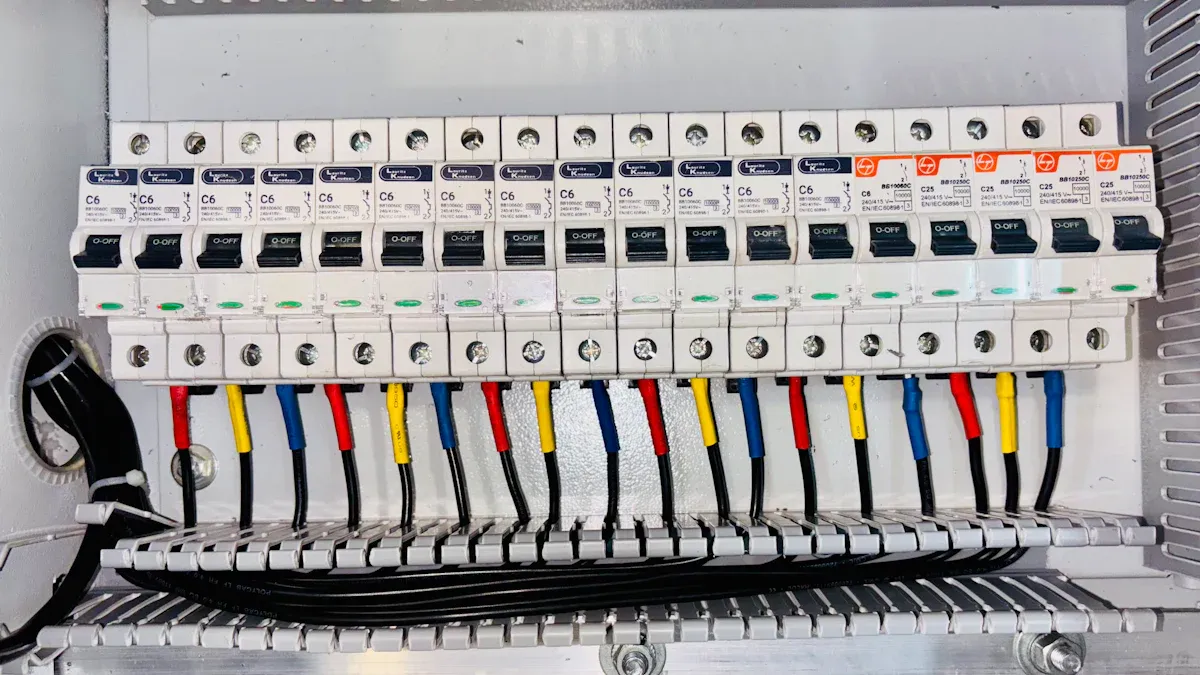
Oversized Breakers
When you use a breaker that is too large for your wire, you put your home at risk. The wire may carry more current than it can safely handle. This can cause the wire or even your inverter to act like a fuse. If this happens, the wire may melt or catch fire before the breaker trips. You should always follow the manufacturer’s recommendations for breaker sizing.
- Breakers protect both your wiring and your devices.
- A breaker that is too big will not trip when it should.
- Continuous loads can wear down breakers and devices over time.
- Even if #12 THHN wire can handle up to 30 amps, you should use a 20 amp breaker for most home circuits.
Tip: Properly sized breakers and wires usually remove the need for extra fuses, except in special setups.
You should also remember that good wiring design separates loads. This helps you avoid overloading any one breaker, even if the wire could handle more current.
Undersized Breakers
If you use a breaker that is too small for your circuit, you may face different problems. The breaker may trip often, even when you use normal appliances. This can be annoying and may stop you from using your devices as needed. You may also find that your circuit cannot support the load you want.
- Small breakers can cause frequent power interruptions.
- You may not get enough power for your tools or appliances.
- The circuit may not work as planned.
You should always match the breaker size to the wire and the needs of your circuit. When you choose the correct Circuit breaker for Line 12, you protect your home and keep your electrical system running smoothly.
You should always use a 20 amp breaker with 12 gauge wire for most home circuits. Following NEC and local codes keeps your wiring safe. In some special cases, like large electronic displays with high inrush currents, experts may use higher-rated breakers under strict code exceptions. These situations require careful planning and code knowledge. If you feel unsure, ask a licensed electrician for help. Always put safety first when working with electricity.
FAQ
What happens if you use a 15 amp breaker with 12 gauge wire?
You can use a 15 amp breaker with 12 gauge wire. The wire will not overheat. You may not get the full 20 amp capacity, but your circuit will stay safe.
What tools do you need to check breaker size?
You need a screwdriver, a flashlight, and a voltage tester. You can open the panel and read the numbers on the breaker. Always turn off the main power before you start.
What does the color of the wire mean?
Wire color shows the wire’s purpose. Black or red wires carry power. White wires are neutral. Green or bare wires are ground. You should always match the color to its use.
What should you do if your breaker keeps tripping?
You should unplug some devices and see if the breaker resets. If it keeps tripping, you may have a wiring problem or a bad breaker. You should call an electrician for help.
What is the difference between a fuse and a breaker?
A fuse melts when too much current flows. A breaker trips and can be reset. Both protect your wires from overheating, but breakers are easier to use and reset.
The following information may be of interest to you
What happens when using circuit breakers with higher current?
How to choose the appropriate size of circuit breaker
Lines and loads: Understanding the key differences of wires
Can I replace a 15 amp breaker with a 20 amp?

Discover more from SENTOP Electrical Co., Ltd
Subscribe to get the latest posts sent to your email.